
Think NDAs are just celebrity hush money?
Here’s the thing: they’re signed legal contracts people agree to, often before any drama starts, in exchange for a job, access, or a payout.
When scandals break, these agreements act like a pre-set lock on what can be shared, and courts will often enforce them.
But they’re not all-powerful: laws usually let people report crimes, talk to police, or pursue certain claims despite an NDA.
This post explains how NDAs work in celebrity scandals, when they bite, and where the law pulls the plug.
Understanding Confidentiality Rules Behind Celebrity Scandals
Celebrity NDAs are written contracts that stop employees, contractors, and personal contacts from sharing anything they see, hear, or learn while working with or hanging around a high-profile person. These agreements take what used to be an unspoken expectation and turn it into something legally binding. No more “he said, she said” later. When scandals hit, NDAs work as a legal shield that’s already in place. They’re signed before trouble starts, then get pulled out the second a leak threatens to surface. Unlike a gag order a judge hands down, an NDA is something you sign willingly in exchange for something valuable: a job, access, settlement cash, or the chance to be around the celebrity.
NDAs have teeth because courts usually enforce contracts that are valid. Sign a confidentiality agreement with clear language, and judges typically side with the celebrity if you break that promise and start talking. Free speech won’t save you in most places. “I have the right to tell my story” doesn’t automatically beat an NDA claim. The power comes from basic contract law: offer, acceptance, consideration, mutual consent. Celebrity legal teams draft these things to be as protective as possible, which means they lean heavily in the VIP’s favor and cover an absurdly long list of what counts as confidential. Emails, texts, photos, audio, social posts, and any fact “not already public.”
But NDAs aren’t bulletproof. They can’t legally stop someone from reporting a crime, talking to police, or responding to a court order. Most state laws and public policy carve out space for illegal conduct, so an NDA clause that tries to hide criminal activity or blocks someone from pursuing unpaid wages or harassment claims might be void. Courts also push back on provisions that are viciously one-sided, punishingly vague, or just unconscionably oppressive.
Major mechanics of celebrity NDAs in scandals:
- Scope – What counts as confidential, usually everything from texts to any fact not already out there.
- Duration – Could be five years, could be forever.
- Penalties – Liquidated damages (fixed dollar amount per breach), actual damages, possibly punitive damages or court orders blocking further leaks.
- Carve-outs – Legal exceptions for subpoenas, law enforcement, sometimes whistleblower or public policy disclosures.
- Enforcement – Breaking it means lawsuits, arbitration, potential court orders. Celebrities have money to fund aggressive fights.
Causes Behind the Widespread Use of NDAs in Celebrity Scandals
Celebrities and their teams use NDAs to protect reputations, control stories, and keep damaging details away from tabloids, social feeds, or police before the star can manage fallout. In Hollywood and similar industries, image is currency. One leaked detail about a relationship, a health issue, or backstage behavior can kill endorsement deals, tank ticket sales, or spark public backlash instantly. NDAs give the legal team a hammer: anyone who signed knows that leaking probably means a lawsuit, financial liability, and potential damages reaching into the millions. That threat alone keeps staff, contractors, and associates quiet even when they witness troubling stuff.
Another reason is sheer volume of people in a celebrity’s orbit. A-list talent might interact with dozens of employees, vendors, and temp workers every month. Housekeepers, nannies, trainers, stylists, event staff, repair techs, drivers, countless others. Each of them sees private moments, hears confidential conversations, gets access to places and information the public never will. Without NDAs, any one of them could write a tell-all, sell photos to the press, or share gossip that spirals into a scandal. The agreements work as a legal deterrent and a psychological boundary, signaling that discretion is non-negotiable if you want access.
In scandal situations specifically, NDAs often come bundled with settlement payments or severance packages. When an employee threatens to speak out about misconduct, the celebrity’s lawyers might offer money in exchange for silence, all wrapped up in an NDA and mutual release of claims. That structure turns a potential public crisis into a private contract issue, keeping allegations out of court filings and off social feeds.
Most common reasons celebrities require NDAs in Hollywood settings:
- Brand protection – Stop leaks that could wreck endorsements, box office, or future projects.
- Reputation management – Control which stories hit the media and when, avoiding unfiltered or unflattering narratives.
- Legal leverage – Create real consequences for anyone who breaks silence, making litigation or arbitration a credible threat.
- Staff and vendor containment – Limit what household employees, contractors, and one-time service providers can share about private life, routines, relationships.
Legal Structure of NDAs Used in Celebrity Scandals
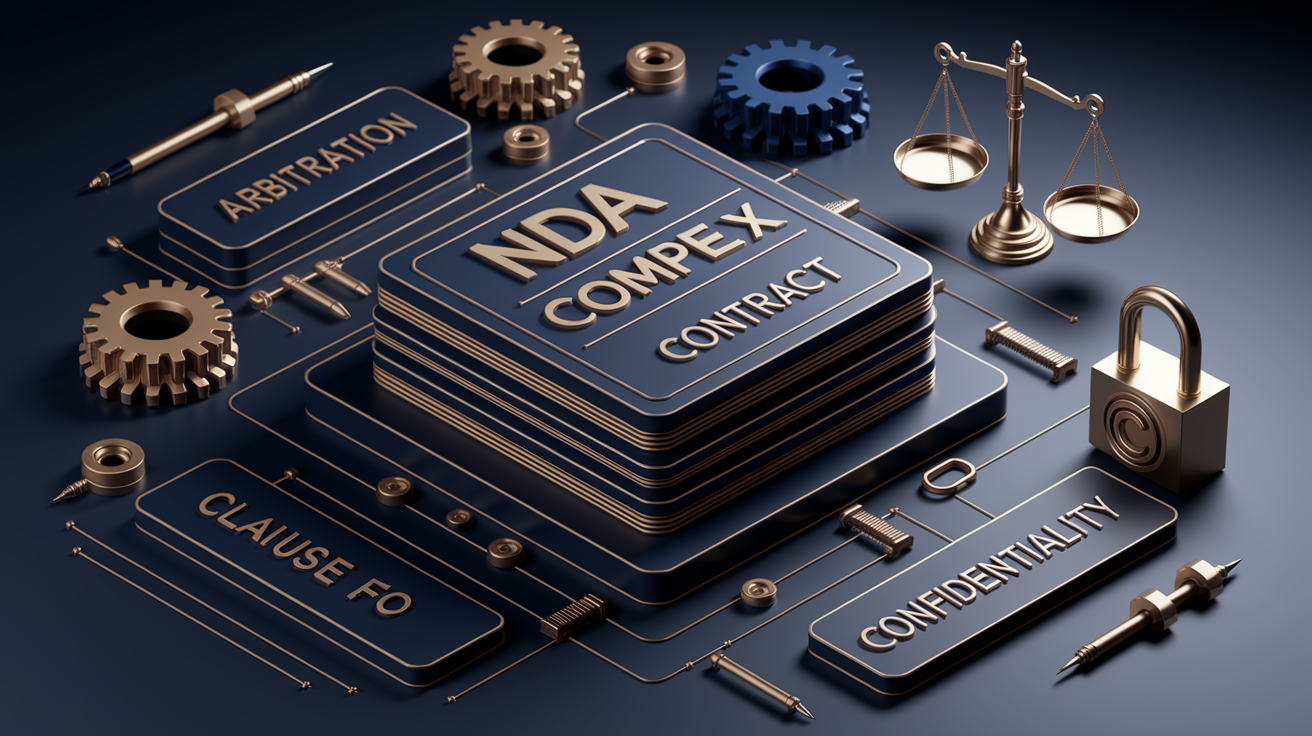
Celebrity NDAs follow standard contract structure but are drafted to maximize protection for the VIP and minimize the signee’s ability to talk. At the core, these agreements define confidential information, spell out obligations of the person receiving it, list permitted disclosures or exceptions, lay out remedies for breach, and often include dispute resolution mechanisms like arbitration. The most aggressive versions also bundle copyright assignments, non-disparagement clauses, and broad liability waivers that go way beyond simple confidentiality.
Confidentiality Scope
The confidentiality definition in a celebrity NDA is usually designed to capture everything. Standard language includes “any and all information, in any format, relating directly or indirectly to” the celebrity, their family, their business, or their associates. The list of formats can run an entire paragraph: emails, instant messages, texts, contracts, correspondence, faxes, tapes, CD-ROMs, USB drives, SIM cards, photos, negatives, moving or still images, audio recordings, video recordings, social posts, and any fact “not already publicly known.” That kind of sweeping definition creates enforceability risk. Courts have struck down provisions that are so broad they become vague or oppressive. But it also maximizes the celebrity’s protection short term. If the NDA lists every conceivable medium, the signee can’t argue later that a TikTok or Instagram Story was somehow outside scope. Extreme overbreadth can backfire, though. If a court finds the clause unreasonably expansive or punitive, it might refuse to enforce the entire agreement or drastically limit remedies.
Damages & Penalties
Many celebrity NDAs specify liquidated damages, a preset dollar figure owed for each breach or threatened breach. A well-known example set liquidated damages at $100,000 per violation, plus the right to seek actual damages on top of that. Liquidated damages are only enforceable when they represent a reasonable estimate of harm that would be tough to calculate after the fact. Courts scrutinize these clauses hard. If the number looks more like punishment than a prediction of loss, a judge might void the provision or slash the award. Celebrities often argue reputational harm and lost business opportunities are nearly impossible to quantify, which is why they want a fixed penalty. But if that penalty is wildly out of proportion (say, $1 million for sharing a single anecdote), it risks being treated as an unenforceable penalty rather than genuine liquidated damages. Beyond contractual penalties, breach can also trigger claims for punitive damages if the leak was malicious or involved fraud, and the celebrity can seek an injunction to stop further disclosures immediately.
Arbitration & Dispute Resolution
Personal celebrity NDAs increasingly include mandatory arbitration clauses and jury waivers, forcing any dispute into private arbitration instead of a public courtroom. From the celebrity’s perspective, arbitration keeps proceedings confidential, avoids jury unpredictability, and speeds resolution. From a fairness standpoint, courts view mandatory arbitration in highly imbalanced personal contracts with suspicion, especially when the signee had no real bargaining power and the clause appears designed to shield misconduct from public scrutiny. Recent legal reforms and judicial decisions have started limiting or striking down arbitration provisions in cases involving sexual harassment, discrimination, or other illegal acts, on the theory that forcing victims into secret proceedings perpetuates harm and denies them a public forum. When drafting or reviewing a celebrity NDA, the arbitration section should clearly state the rules (AAA, JAMS, whatever), the seat or location, who pays filing fees and arbitrator costs, and what remedies the arbitrator can award. Vague or one-sided arbitration language increases the chance a court will refuse to enforce it.
| Clause Type | Purpose |
|---|---|
| Confidentiality definition | Identifies what can’t be shared, often spanning all formats and any non-public fact |
| Liquidated damages | Sets a fixed penalty per breach to avoid proving exact reputational or financial loss later |
| Arbitration & jury waiver | Routes disputes to private arbitration instead of public court, keeping proceedings confidential and often faster |
| Copyright assignment | Transfers ownership of any writings, photos, or recordings to the celebrity, blocking book deals or media sales |
How NDA Exceptions Work in High-Profile Scandals
NDAs are powerful, but they can’t override the law. Public policy and statutory protections carve out critical exceptions that allow (and sometimes require) disclosure even when a confidentiality agreement is in place. The most important exception covers cooperation with law enforcement and legal process. If someone bound by an NDA receives a subpoena, court order, or formal request from police or prosecutors, they generally have to comply. The best-drafted NDAs acknowledge this by including a subpoena procedure that protects both parties. Common best practice requires the signee to immediately notify the celebrity (or their lawyer) upon receiving legal process, giving the celebrity a window (often 10 to 30 days) to seek a protective order or move to quash the subpoena. If the celebrity can’t block disclosure within that period, the signee is allowed to respond without breaching the NDA, and the celebrity often agrees to cover reasonable attorney fees incurred in the process. NDAs that lack this kind of clear procedure create confusion and risk. The signee gets caught between contempt of court and breach of contract, and the celebrity loses the chance to intervene early.
Another critical carve-out involves illegal conduct. An NDA can’t lawfully prevent someone from reporting a crime, filing a complaint with a government agency, seeking unpaid wages through the labor board, or pursuing remedies under anti-discrimination or whistleblower statutes. Courts won’t enforce confidentiality clauses that attempt to hide criminal activity or block statutory rights, and such provisions might render the entire agreement void. In practice, this means if a personal assistant witnesses financial fraud, physical assault, or other illegal acts, the NDA doesn’t immunize them from cooperating with investigators or filing a report. Same principle applies to workplace violations. If a housekeeper is owed back pay or was subjected to harassment, an NDA can’t stop them from seeking legal recourse through appropriate channels.
Major exceptions that override NDA confidentiality obligations:
- Subpoenas and court orders – Legal process can compel testimony or document production. Well-drafted NDAs include notice and protective-order procedures.
- Criminal reporting – People can report suspected crimes to police, prosecutors, or regulatory agencies without violating an NDA.
- Whistleblower protections – Federal and state laws shield employees who report fraud, safety violations, or other misconduct to authorities.
- Statutory remedies – NDAs can’t bar claims for unpaid wages, discrimination, harassment, or other rights protected by employment and civil-rights laws.
- Public-policy limits – Courts refuse to enforce clauses that attempt to conceal illegal acts or deny access to the legal system.
Recent reforms have strengthened these exceptions. The federal Speak Out Act, signed in December 2022, bars enforcement of pre-dispute NDAs and non-disparagement clauses in sexual assault and sexual harassment cases. If the NDA was signed before the misconduct occurred, it can’t silence the survivor from speaking publicly about those specific allegations. California has gone further, with laws that void confidentiality provisions in settlement agreements involving sexual assault, harassment, or discrimination if the provision would prevent the victim from testifying in an administrative, legislative, or judicial proceeding. These state and federal protections reflect a broader policy shift. The law increasingly treats silence around misconduct as harmful to public safety and accountability, and NDAs are no longer an automatic shield when serious wrongdoing is at stake.
Managing NDA Breaches During Celebrity Scandals
When a celebrity NDA is violated, the response is typically swift and aggressive. Breach can trigger a lawsuit seeking damages, an emergency motion for a temporary restraining order or preliminary injunction to stop further disclosures, and in some jurisdictions, contempt sanctions if the breach violates an existing court order. Because celebrities often have substantial resources and dedicated legal teams, they can afford to litigate NDA disputes hard, knowing that the threat of a costly lawsuit and potential million-dollar judgment will deter most people from speaking. Courts tend to side with the celebrity when the NDA is clear, the breach is proven, and the signee had independent opportunity to review or negotiate terms before signing. Digital evidence plays a central role in enforcement. Text messages, social posts, emails, screenshots, metadata, even deleted drafts can all be used to prove someone shared confidential information in violation of the agreement.
Injunctions are especially powerful in the NDA-breach context. If a former employee is planning to publish a tell-all book or sell a story to a tabloid, the celebrity’s lawyers can file for an injunction asking the court to block publication or distribution while the NDA dispute is litigated. If the judge finds the NDA is valid and breach is likely, the injunction might issue immediately, freezing the book deal or media sale. Violating an injunction can result in contempt of court, which carries fines, attorney-fee awards, and in extreme cases, jail time. That legal leverage often forces the parties into settlement or arbitration, where the dispute is resolved privately and the confidential information stays out of public view.
Common breach triggers in celebrity scandal cases:
- Social posts – Tweets, Instagram Stories, TikToks, or Facebook updates that reference the celebrity or share anecdotes, photos, or details.
- Book deals or memoirs – Publishing or attempting to publish written accounts that include the celebrity’s private information.
- Leaked messages – Sharing texts, emails, voice memos, or screenshots with media, friends, or online forums.
- Podcast interviews – Appearing on shows or platforms and discussing experiences, observations, or stories involving the celebrity.
- Photo or video sales – Selling images, recordings, or footage to tabloids, gossip sites, or paparazzi agencies.
- Testimony or depositions – Speaking in legal proceedings without following the NDA’s subpoena-notice procedure or without a valid exception.
Even a threatened breach (like announcing plans to release information) can be enough to trigger legal action. Many NDAs include language allowing the celebrity to seek relief for “threatened” violations, which means the lawsuit can start before any actual disclosure happens. This preemptive approach lets the celebrity’s team shut down potential leaks early, often through cease-and-desist letters, settlement negotiations, or emergency court filings. The result is that many NDA disputes never see daylight. They’re resolved behind closed doors, with the signee agreeing to stay quiet in exchange for dropping the claim or accepting a small settlement.
Ways Victims and Witnesses Navigate NDAs in Celebrity Scandal Cases
People bound by celebrity NDAs often feel trapped, especially when they’ve witnessed or experienced abuse, harassment, or other serious misconduct. The agreement can create a psychological barrier (“I signed this, so I can’t say anything”) even when the law provides clear pathways to speak or seek help. In reality, NDAs tied to illegal conduct are frequently unenforceable, and statutory protections exist specifically to prevent confidentiality agreements from silencing victims or blocking access to justice. The challenge is many signees don’t know their rights, can’t afford a lawyer to challenge the NDA, or fear retaliation and the financial burden of being sued by a wealthy, powerful celebrity.
Survivors and witnesses do have options. First, they can consult with an attorney who specializes in employment law, civil rights, or victim advocacy to understand whether the NDA applies to their specific situation and whether any exceptions or legal protections override it. Second, they can use safe reporting channels. Many states have anonymous hotlines or victim-services organizations that can receive reports without triggering an immediate breach claim, and federal and state whistleblower statutes often include anti-retaliation provisions that protect individuals who report wrongdoing in good faith. Third, if the NDA includes a subpoena-notice procedure, they should follow it carefully. Notify the celebrity’s lawyer as required, request that the celebrity seek a protective order, and document every step to show they complied with the contractual process before making any disclosure.
California and other jurisdictions have enacted specific protections for victims of sexual assault and harassment. Under California law, settlement agreements that include confidentiality provisions related to such claims are void if they’d prevent disclosure in judicial, administrative, or legislative proceedings, and recent amendments further limit use of NDAs to silence victims even outside the courtroom. The federal Speak Out Act similarly bars enforcement of pre-dispute NDAs in sexual-misconduct cases, meaning victims can speak publicly about their experiences without facing breach claims for agreements signed before the misconduct occurred. These legal reforms reflect a policy shift. The law now recognizes that silencing victims perpetuates harm, shields repeat offenders, and undermines public safety.
| What Victims Often Think They Can’t Do | What the Law Actually Allows |
|---|---|
| Report misconduct to police or prosecutors | NDAs can’t prevent reporting crimes or cooperating with law enforcement |
| Testify in court or respond to a subpoena | Legal process overrides NDA confidentiality; best practice includes notice to the celebrity and request for protective order |
| File a complaint with a government agency (EEOC, labor board, etc.) | Whistleblower and statutory protections shield individuals who report violations; NDAs can’t block these filings |
| Speak publicly about sexual assault or harassment | Speak Out Act and state laws void pre-dispute NDAs in sexual-misconduct cases; victims can disclose these experiences |
| Seek legal counsel or victim services | Consulting a lawyer or victim advocate is protected; NDAs generally include exceptions for legal advice and can’t prevent someone from getting counsel |
How Celebrities Contain Scandals Through NDA-Driven PR Tactics

When an NDA is breached or a scandal breaks despite confidentiality agreements, the celebrity’s crisis team activates a coordinated legal and PR strategy designed to minimize damage, control the narrative, and discourage further leaks. The legal side pursues immediate enforcement: cease-and-desist letters, emergency injunctions, arbitration demands. Meanwhile the PR side works to shape media coverage, issue controlled statements, and deploy surrogates or spokespeople who can push the celebrity’s version of events. NDAs play a supporting role here. They don’t prevent journalists from reporting on the scandal, but they limit the number of people who can serve as sources, reducing the flow of new details and making it harder for reporters to corroborate claims.
One common tactic is the strategic settlement paired with an expanded NDA. If a former employee or associate threatens to go public, the celebrity’s team might offer a financial package in exchange for signing a broader confidentiality agreement that covers not only the original employment relationship but also the settlement negotiations themselves and any allegations that prompted the payout. This layered approach creates multiple legal barriers. Even if the original NDA had exceptions or weaknesses, the new settlement NDA can be tailored to close those gaps. The result is the potential whistleblower is bought off and legally bound to silence, the scandal is contained before it gains traction, and the celebrity avoids the reputational and financial costs of a public fight.
Typical PR actions taken after leaks or NDA disputes in celebrity scandals:
- Crisis communications rollout – Issue a prepared statement, coordinate with publicists and managers, deploy talking points to friendly media outlets.
- Controlled narrative release – Leak selective details to trusted journalists or platforms to frame the story favorably before the full picture emerges.
- Legal intimidation and enforcement – File or threaten lawsuits against the leaker, send cease-and-desist letters to media outlets, pursue injunctions to block further publication.
- Social management – Scrub or limit comments on official accounts, deploy fan bases to defend the celebrity, monitor trending topics to respond quickly to negative coverage.
Preventing NDA Problems in Future Celebrity Scandals
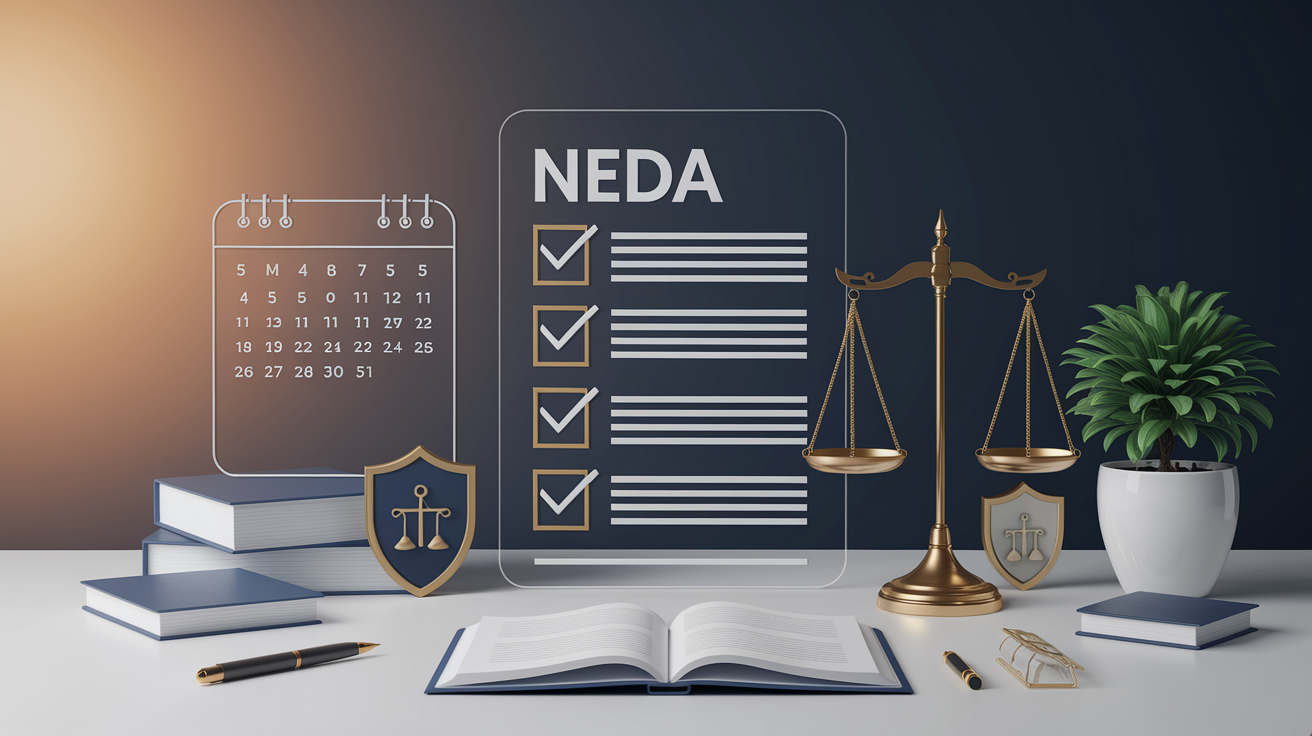
The best way to avoid NDA disputes and enforceability problems is to draft agreements that are clear, fair, and compliant with current law. Overly broad, punitive, or one-sided NDAs invite legal challenges, create bad publicity when they leak, and might ultimately be struck down by courts, leaving the celebrity without the protection they thought they had. Thoughtful drafting starts with narrowing the confidentiality definition. Instead of “any and all information in any format,” specify the categories of information that genuinely need protection (financial records, health information, family details, business strategy, for example) and exclude information that’s already public or that the signee learned independently. This approach reduces the risk a court will find the clause overbroad or oppressive.
Clear subpoena procedures are another essential element. The NDA should require immediate written notice to the celebrity if the signee receives legal process, give the celebrity a defined window (commonly 10 to 30 days) to seek a protective order or move to quash, and state that if no protective order is obtained within that period, the signee can comply with the subpoena without breaching the agreement. The celebrity should also agree to reimburse reasonable attorney fees incurred by the signee in responding to the subpoena, which removes a financial disincentive to follow the procedure. Reasonable liquidated damages (if used at all) should be tied to objective, predictable losses rather than punitive per-breach penalties, and the agreement should make clear that liquidated damages are a remedy, not a punishment. If copyright or IP assignment is desired, it belongs in a separate agreement rather than buried in a confidentiality clause, which reduces the chance of the entire NDA being voided for overreach.
Six-item checklist for drafting or reviewing a celebrity NDA:
- Narrow confidentiality scope – Define specific categories of protected information and exclude publicly available or independently learned facts to reduce overbreadth risk.
- Clear exceptions for legal process and illegal conduct – Include subpoena-notice procedures, criminal-reporting carve-outs, and acknowledgment of whistleblower and statutory rights.
- Reasonable liquidated damages or omit them entirely – Tie any preset penalties to objective losses; avoid per-breach penalties that look punitive.
- Transparent arbitration terms – If arbitration is required, specify rules, seat, fee allocation, and remedies; avoid one-sided or oppressive clauses that courts might strike.
- Accessibility and bilingual versions – Provide translations or plain-language summaries when the signee isn’t fluent in English; a person can’t be bound by terms they couldn’t reasonably understand.
- Independent legal review for each party – Encourage or require that the signee consult their own lawyer before signing, and document that opportunity to reduce claims of coercion or lack of consent.
When to Seek Legal Help With a Celebrity NDA

Anyone asked to sign a celebrity NDA, anyone who’s already signed one and is now facing a potential breach or disclosure obligation, or anyone who’s been accused of violating an NDA should consult a lawyer immediately. The power imbalance in these agreements is significant. Celebrities typically have experienced legal teams drafting terms heavily in their favor, while the signee often has no representation and little bargaining power. An attorney can review the agreement for enforceability, identify unreasonable or unenforceable provisions, negotiate changes before signing, and advise on rights and obligations if a dispute arises. Independent legal review is especially critical when the NDA includes aggressive clauses like automatic copyright assignments, high liquidated damages, mandatory arbitration, or sweeping confidentiality definitions that could prevent the signee from discussing their own life or experiences.
Legal help is also essential when the signee receives a subpoena or is considering reporting illegal conduct. An attorney can guide the person through the subpoena-notice process, help request a protective order, communicate with the celebrity’s counsel, and ensure the signee complies with legal obligations without unnecessarily breaching the NDA. If the NDA is being used to silence reports of criminal activity, harassment, or other misconduct, a lawyer can evaluate whether public-policy exceptions, whistleblower protections, or recent legal reforms void or limit the agreement, and can represent the signee in negotiations or litigation if the celebrity threatens enforcement. Without professional guidance, individuals risk both legal exposure (if they speak when they shouldn’t) and missed opportunities to assert valid rights (if they stay silent when the law actually protects them).
Red-flag clauses that require immediate legal review:
- Automatic IP or copyright transfer – Language that assigns ownership of all writings, photos, or recordings to the celebrity, potentially blocking book deals, memoirs, or personal documentation.
- Punitive or unreasonable liquidated damages – Per-breach penalties that appear designed to punish rather than compensate, like six or seven-figure sums for minor disclosures.
- Mandatory arbitration with no fee-shifting or remedy limits – Arbitration clauses that force the signee into a private forum, require them to pay arbitrator costs, or cap their ability to recover damages while leaving the celebrity’s remedies unlimited.
Final Words
We broke down how NDAs operate in real-time scandals. What they say, who signs them, and how they’re enforced.
We covered legal structure, limits like crime and subpoenas, and what happens when leaks hit social feeds.
If you’re involved or just curious, the guide showed practical steps. Spot overbroad clauses, know your carve-outs, and get counsel early.
Understanding how NDAs work in celebrity scandals helps protect rights and reputations, and gives survivors clearer ways to speak up. Stay informed and empowered.
FAQ
Q: How do celebrity NDAs work?
A: Celebrity NDAs work as written contracts that stop staff, contractors, or partners from sharing private details. They spell out what’s secret, how long it lasts, penalties, and how disputes get handled.
Q: Do celebrities use NDAs for hookups?
A: Celebrities do use NDAs for hookups to keep encounters private, often tied to payment or settlements; however, courts may refuse enforcement if the NDA tries to hide crimes or violates public policy.
Q: What happens if you break an NDA with a celebrity?
A: Breaking an NDA with a celebrity can lead to lawsuits, arbitration, injunctions, and financial penalties set by the contract, plus possible legal fees and court orders to stop further disclosures.
Q: How do celebrities not get their numbers leaked?
A: Celebrities avoid number leaks by limiting who has access, using private or burner phones, routing messages through reps, requiring NDAs for staff, and swiftly pursuing legal or PR steps when leaks happen.