
Think one sidewalk photo can’t change what’s in stores next season?
Think again.
A single viral street-style photo, racked with likes, saves, and screenshots, can become the blueprint brands copy in weeks.
Algorithms push it, trend teams flag it, buyers greenlight samples, and factories crank out versions for every price tag.
This post walks you through that pipeline, shows the data that makes buyers bite, and explains how a scroll becomes a shopping trend.
How Street Fashion Transforms Into Retail Trends (Overview)
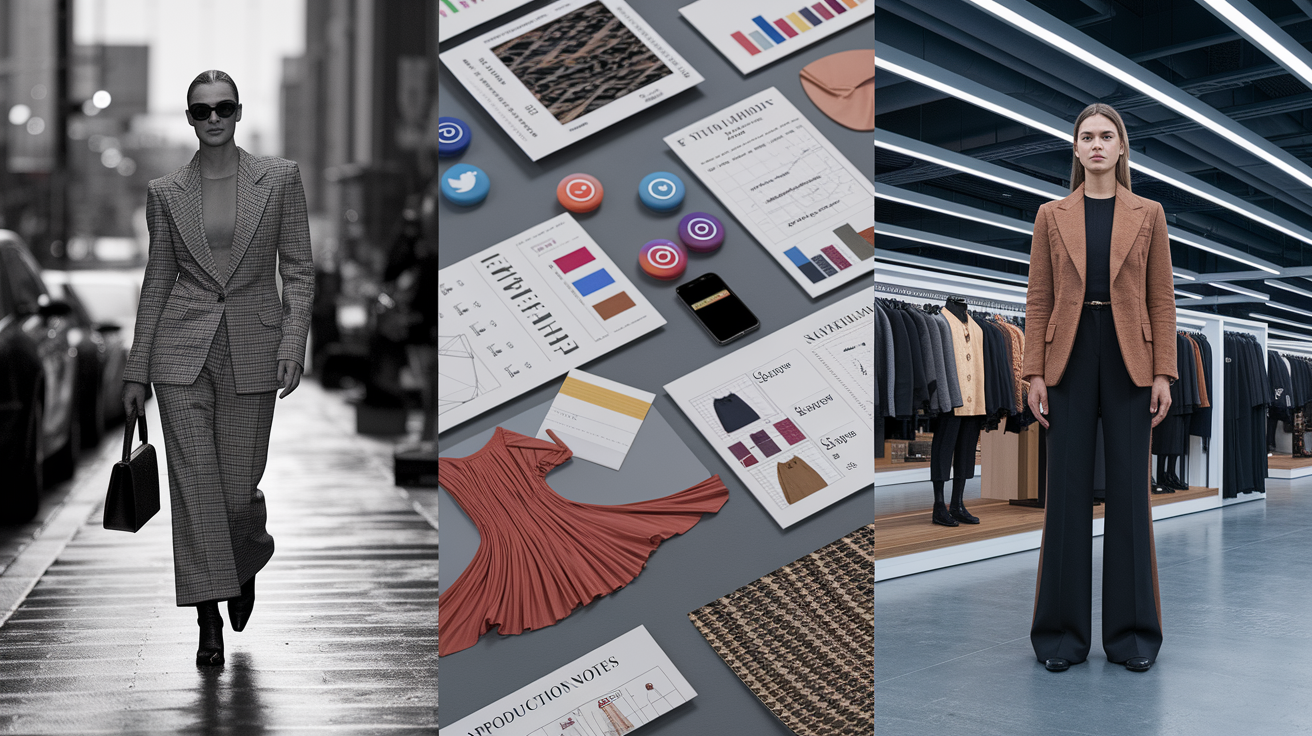
A street photo hits your feed. Hours later, you’re seeing saves, shares, screenshots everywhere. Fashion buyers and trend analysts watch the same numbers climb, and that’s when the wheels start turning. One person’s sidewalk outfit can become the template for hundreds of thousands of retail pieces in just a few weeks.
The path from camera to checkout isn’t complicated. A photographer or micro-creator posts a look that feels both relatable and visually striking. The algorithm tests it on a small group first. If engagement thresholds hit, it pushes the content wider. Trend services and brand dashboards flag the momentum. Buyers check if the aesthetic works for their customer, fits their price point, and aligns with the season. Design teams break down the key details—silhouette, color, fabric—and turn them into production specs. Factories get orders, samples happen, manufacturing scales up. Then merchandising teams price it, tag it, and push it live.
Speed depends on the retailer. Fast fashion compresses everything into two to six weeks, leaning on quick suppliers and simpler materials. Contemporary labels need eight to sixteen weeks. Luxury houses fold street cues into collections that debut four to nine months out. But every retailer uses the same inputs: visual proof the look resonates, hard engagement data, and confidence it’ll translate into something wearable and profitable.
Here’s how the pipeline usually runs:
- A street photographer or influencer captures an outfit and posts it.
- Algorithms boost the image based on likes, saves, comments, and watch time in the first 24 to 72 hours.
- Trend teams and buyers spot the spike through alerts or hashtag reports, usually within 3 to 14 days.
- Design teams adapt the look—sketching, sourcing materials, building tech packs—over one to four weeks for fast programs or eight weeks and up for traditional cycles.
- Manufacturing kicks off with sampling (one to two weeks), then bulk production (two to twelve weeks depending on location and complexity). The trend lands in stores or online four to sixteen weeks after the first viral post.
How Virality Amplifies a Street Photo
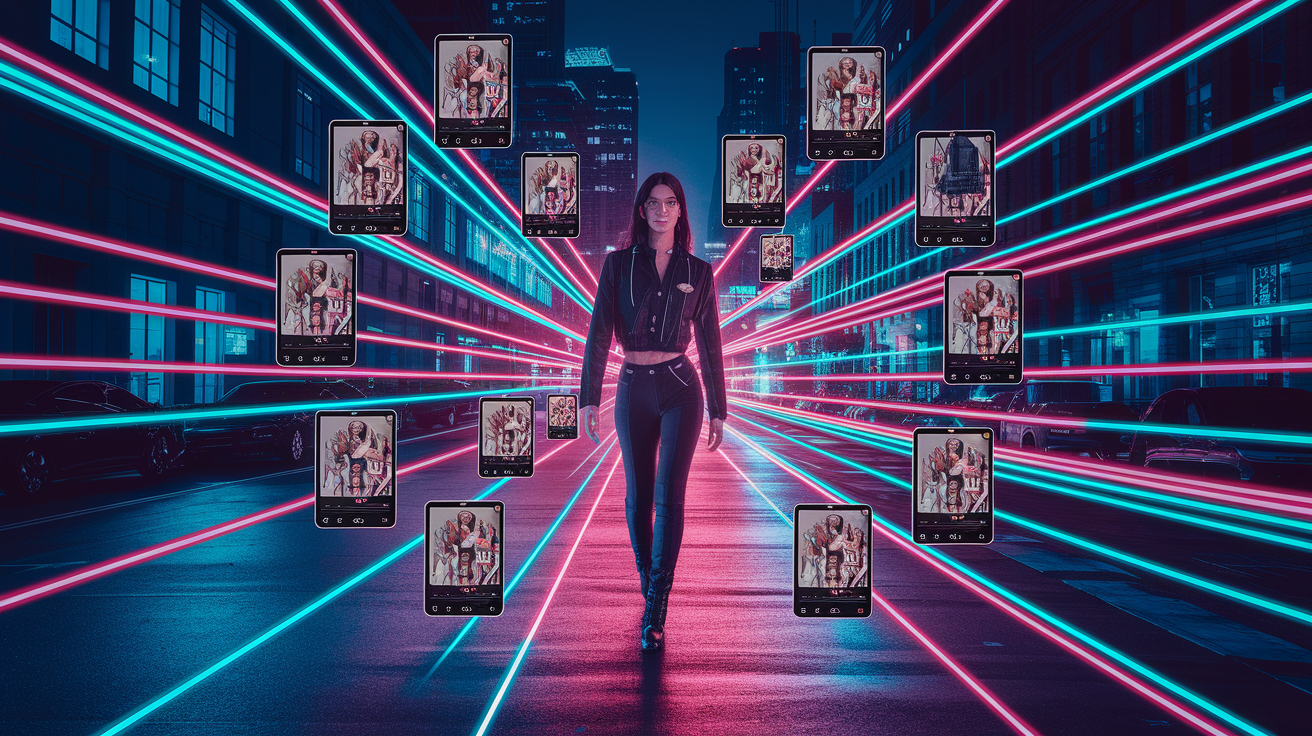
Algorithms decide what breaks through. TikTok’s For You Page and Instagram’s Explore tab surface content to people who’ve never heard of the creator, focusing on engagement over follower count. When a street video racks up high completion rates and replays in the first few hours, the platform expands reach. Shares and saves signal intent—someone wants that look again or needs to send it to a friend—and that tells the algorithm the content has legs. The cycle repeats. Within 24 to 72 hours, a post can jump from hundreds of views to hundreds of thousands.
Platform mechanics shape how trends spread. TikTok loves rapid discovery and short transformation content, so outfit transitions, styling hacks, and “get ready with me” formats do especially well. A single street look can spawn dozens of copycat videos in days. Instagram still rewards polished aesthetics and influencer credibility, so trends there build slower but last longer when luxury brands or macro-influencers reshare the image. Pinterest works like a visual search engine, turning one viral photo into a cluster of related pins that keep driving traffic for weeks or months.
Six things consistently drive virality for street photos:
- Relatability – looks that viewers think they can recreate with what’s already in their closet or available at familiar stores.
- Strong silhouette or color contrast – bold shapes and vivid colors catch attention mid-scroll.
- Timing and cultural context – posting just before a season shift, major fashion week, or celebrity event taps into active search behavior.
- Repetition across creators – when multiple people share similar styling in a short window, it signals a movement instead of a one-off.
- High production value or surprise element – crisp lighting, unexpected layering, or a styling trick viewers haven’t seen.
- Influencer or media boost – a single repost by a macro-creator or inclusion in an editorial roundup can 10× reach overnight.
When engagement crosses certain thresholds—typically 100,000 impressions, 10,000 saves, or multiple macro-influencer reposts within seven days—brands treat it as a commercial signal. Buyers know sustained visibility and high save rates connect to purchase intent, so they prioritize those looks in trend reports and pitch them to design teams as low-risk bets.
How Analysts and Buyers Interpret Viral Street Style
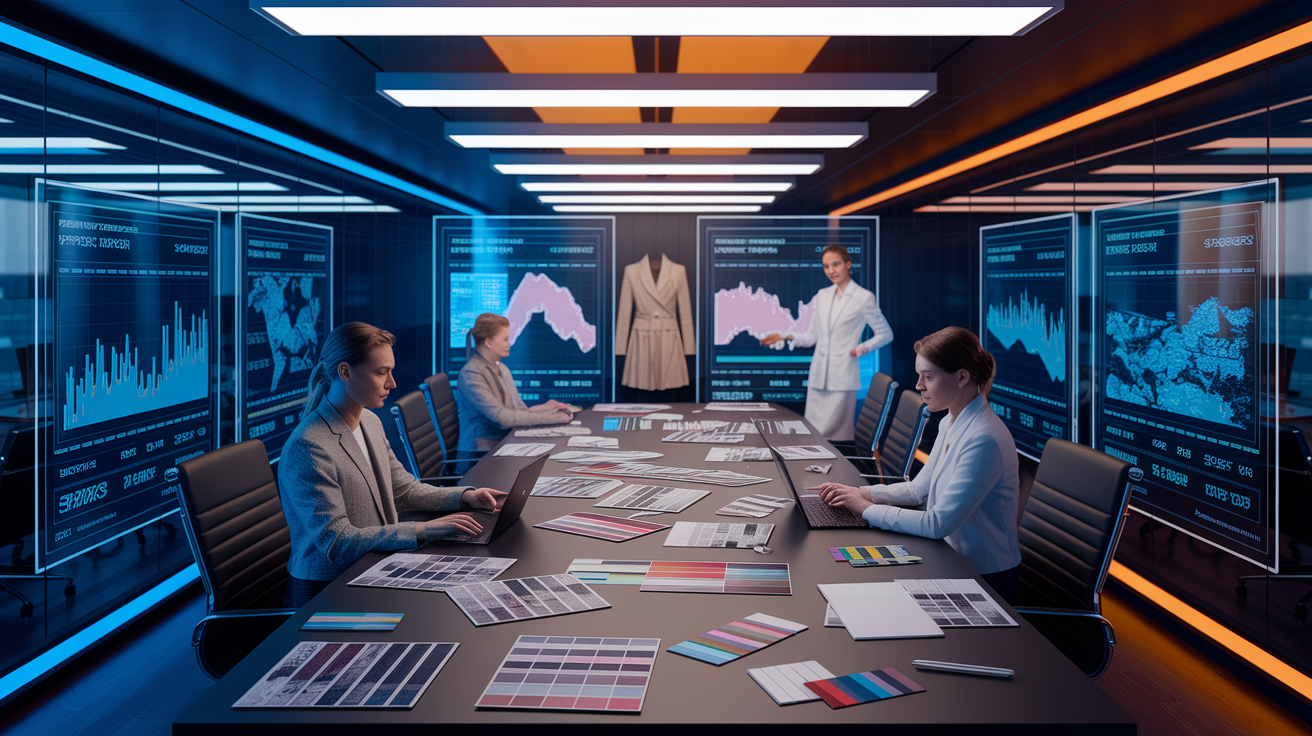
Spotting a viral photo? Easy. Deciding if it’s worth production budget? Harder. Trend forecasters, retail buyers, and analytics teams each bring a different lens, and all three need to agree before a style moves forward.
Trend Forecaster Methods
Forecasters track visual patterns across cities, platforms, and demographics. They monitor hashtag velocity—how fast a tag grows week over week—and creator clustering, which shows if a look is appearing independently in multiple places or just being reposted by one network. They also layer in cultural context. A trench coat might go viral during Paris Fashion Week, but if similar silhouettes pop up in street snaps from Seoul, Milan, and New York within the same two weeks, that repetition suggests a broader shift instead of a localized moment. Agencies use image-recognition software to spot recurring garments, colors, and styling details across thousands of posts, then score each trend on reach, adopter diversity, and engagement growth.
Buyer Evaluation Criteria
Buyers ask three questions. Does this fit our customer? Can we price it right? Will it still feel fresh when it hits the floor? A viral oversized blazer works for a contemporary brand targeting professionals, but a fast-fashion buyer might pass if their core shopper skews younger and prefers cropped cuts. Price suitability matters just as much. Buyers calculate material costs, factory minimums, and margin requirements to make sure a trend becomes a profitable SKU. They also check trend longevity by looking at how long similar aesthetics sustained engagement in past seasons and whether the current spike shows signs of plateauing or still climbing.
Data Metrics Used for Retail Decisions
Analytics platforms feed buyers real-time dashboards that quantify momentum. Engagement rate (likes plus comments plus shares divided by impressions) shows how compelling a post is relative to reach. Save-to-like ratio highlights purchase intent—high saves mean people want to reference the look later, often to shop it. Hashtag velocity and share-of-voice measure how much conversation a trend commands compared to competing aesthetics. Sentiment analysis flags whether comments are enthusiastic (“Need this now”) or skeptical (“Cute but where would I wear it?”). Time-series charts show if engagement is spiking and fading within days (micro-trend) or building steadily over weeks (seasonal staying power).
| Decision Maker | Focus Area | Metric Type |
|---|---|---|
| Trend Forecaster | Visual pattern repetition, geographic spread, cultural timing | Hashtag velocity, image recognition, creator clustering |
| Retail Buyer | Customer fit, price viability, inventory risk, trend longevity | Save-to-like ratio, engagement growth rate, sell-through forecasts |
| Analytics Team | Quantifying momentum, predicting peak, measuring sentiment | Impressions, completion rate, share-of-voice, sentiment scores |
Transforming a Viral Look Into Retail-Ready Design
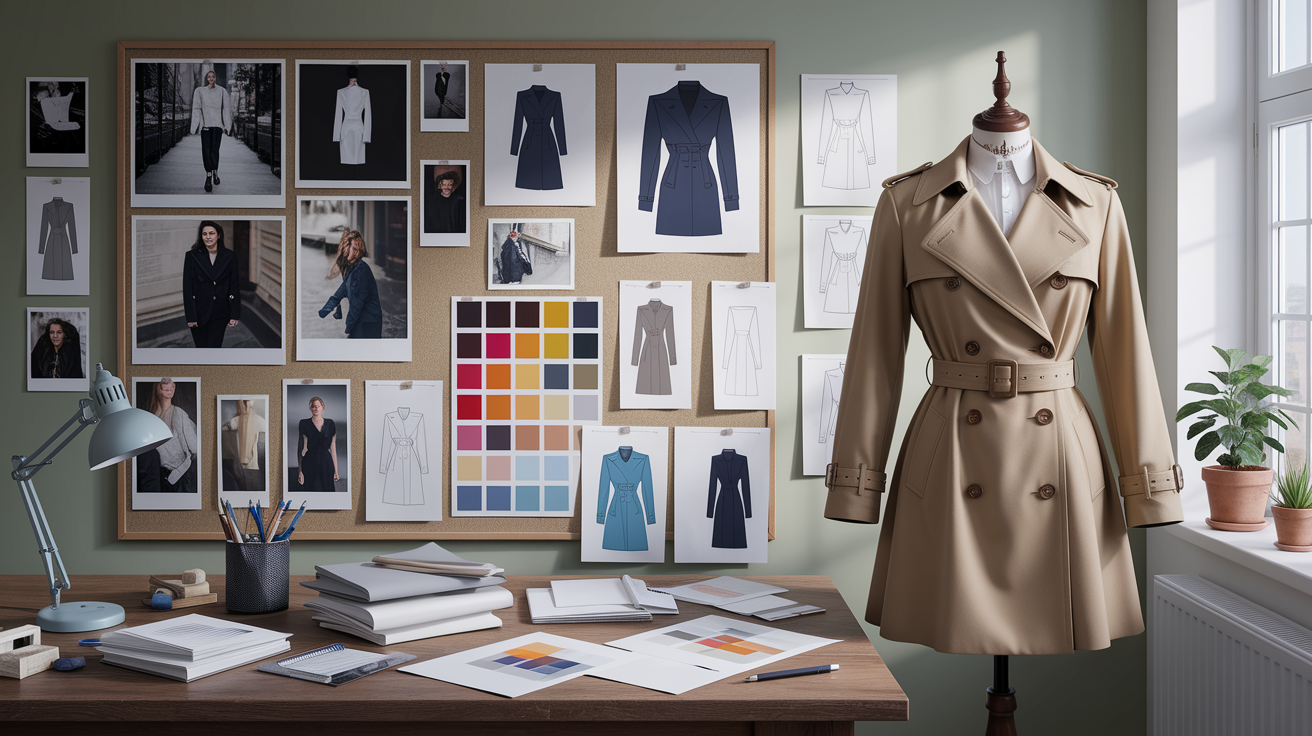
Seeing a trend is one thing. Making it shoppable is different. Design teams strip a viral street look down to core elements—silhouette, palette, standout details—and rebuild it for mass production, cost constraints, and real-world wearability. A photographer’s shot might show a vintage oversized trench layered over a slip dress with chunky boots, but the retail version becomes a structured trench in washable poly-blend, offered in three core colors, paired with suggested styling that swaps the slip dress for a midi skirt customers already own.
Adaptation starts with identifying the hero piece and the supporting cast. If the trench drives saves and shares, that becomes the anchor SKU. Designers sketch variations, adjusting length, closure style, and fabric weight to suit different price tiers. A $120 version uses lighter twill and simple buttons. A $350 version adds a cotton-linen blend, storm flaps, and contrast stitching. Teams also consider what’s missing from current assortments. If outerwear is thin that season, a viral trench gets priority. If trench styles are already well covered, the team might focus instead on the boots or bag glimpsed in the same image.
Five common steps translate a street aesthetic into retail merchandise:
- Isolate key visual elements – design teams pull screenshots, create mood boards, and tag silhouette, color, texture, and styling tricks that made the original photo work.
- Cost-engineer for target price – sourcing specialists find fabrics, trims, and construction methods that deliver the look within margin requirements, often swapping premium materials for accessible alternatives.
- Create size-inclusive grading – fit technicians adapt proportions so the silhouette works across the brand’s size range, adjusting shoulder width, sleeve length, and body volume.
- Build styling guidelines – merchandising teams draft outfit formulas and imagery direction so customers understand how to wear the piece, cutting returns and boosting satisfaction.
- Plan inventory allocation by door or site – buyers distribute quantities based on regional climate, local style preferences, and past performance of similar items, making sure the right product lands in the right market.
Production Timelines: From Inspiration to Store Shelves

Once design signs off, the clock starts. How fast a trend reaches shelves depends entirely on the retailer’s model. Traditional department stores and many contemporary brands operate on six to twelve month lead times, locking in seasonal assortments well before a trend even surfaces. Fast-fashion companies and digitally native brands compress that window to two to six weeks by holding fabric inventory, working with quick-turn factories, and limiting initial production runs to test demand before scaling.
Manufacturing unfolds in stages. Sourcing teams identify fabric suppliers and negotiate minimum order quantities, often 1,000 to 5,000 yards for woven goods or 500 to 2,000 kilograms for knits. Sampling comes next. Factories produce one to five prototype garments so design and fit teams can check construction, drape, and sizing. That round typically takes one to three weeks. Once approved, the factory schedules bulk production, which spans two to six weeks for nimble suppliers in nearby markets (Mexico, Central America, Mediterranean) or six to twelve weeks for high-volume offshore plants in Asia. Finished goods then ship via air (three to seven days but costly) or ocean freight (three to six weeks but economical), followed by customs clearance, warehousing, quality checks, tagging, and distribution to stores or fulfillment centers.
Fast-fashion brands shortcut this by pre-buying greige (undyed) fabric and holding it in regional hubs. When a trend emerges, they dye and cut the fabric locally, sometimes within the same week. They also maintain standing capacity agreements with a network of small factories, guaranteeing a set number of production hours each month in exchange for priority turnaround. This agility comes at a cost. Per-unit prices run 20 to 50 percent higher than bulk offshore orders, and fabric waste increases when pre-buying doesn’t align with final demand.
Four contrasts between traditional and fast-fashion timelines:
- Seasonal planning window: Traditional retailers finalize assortments 6 to 12 months ahead. Fast fashion reserves 30 to 50 percent of budget for in-season reactive buys.
- Sampling cycles: Traditional brands run multiple fit sessions over 4 to 8 weeks. Fast-fashion teams approve samples in 3 to 7 days.
- Manufacturing lead time: Offshore bulk orders take 6 to 12 weeks. Nearshore quick-turn runs complete in 2 to 4 weeks.
- Inventory commitment: Traditional models produce full seasonal quantities upfront. Fast fashion launches small test batches (500 to 5,000 units) and reorders based on real-time sell-through.
Case Studies of Viral Street Photos Driving Trends
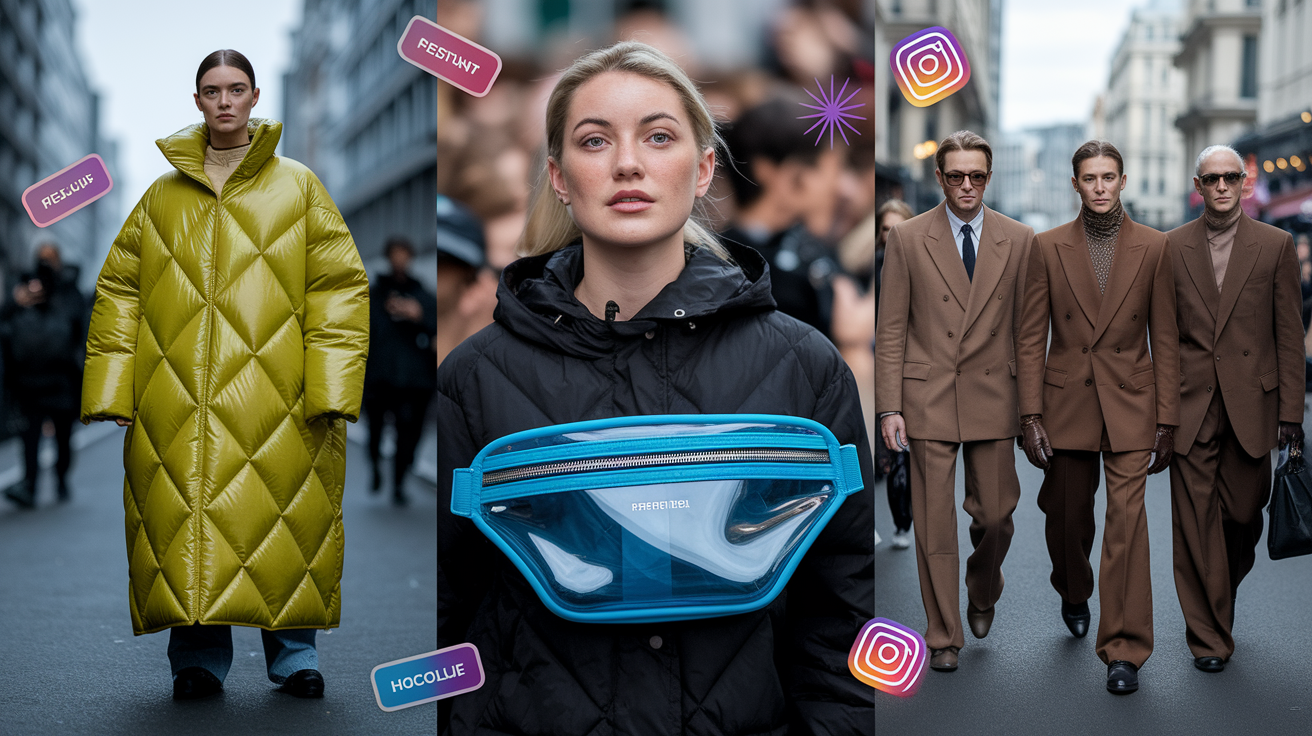
Real examples show how a single image can reshape retail floors. Three standout moments illustrate the mechanics.
Case Study: A Viral Outerwear Look
During Paris Fashion Week in early 2018, a street photographer captured an attendee in an oversized, quilted puffer coat in vivid lime green, styled over a slip dress and paired with white sneakers. The photo hit Instagram and TikTok at the same time, racking up 400,000 likes and 12,000 saves within 48 hours. Trend agencies flagged the color and silhouette in weekly reports. By mid-February, fast-fashion brands had designed similar puffer styles in neon shades, and the first samples shipped to buyers within three weeks. A major online retailer launched a lime quilted coat at $89 in early March, selling out the initial 8,000-unit run in ten days. The original designer version, priced at $1,200, saw a 300 percent increase in search traffic and went into backorder. By late spring, oversized puffers in bold colors appeared across mid-tier department stores, and editorial coverage credited “that Paris street snap” as the catalyst.
Case Study: A Breakout Accessory
In June 2019, a micro-influencer posted a selfie wearing a chunky, transparent-frame belt bag in electric blue at a music festival. The post gained traction through shares in fashion-meme accounts and resurfaced on Pinterest, where it was saved more than 50,000 times in two weeks. Analytics dashboards showed simultaneous spikes in searches for “clear belt bag” and “blue fanny pack.” A contemporary accessories brand noticed the momentum, pulled similar SKUs from their archive, updated the colorway to match the viral shade, and fast-tracked production. Within five weeks, the brand’s version launched online at $68, backed by influencer seeding and paid social ads featuring the original street aesthetic. Competitors followed with iterations at $35 to $150 across the price spectrum. By August, transparent and brightly colored belt bags were everywhere at festivals and in vacation content, and retail data confirmed the category saw a 220 percent year-over-year increase in units sold that summer.
Case Study: A Street-Captured Color Trend
In September 2020, multiple street photographers covering Milan Fashion Week posted images of showgoers wearing head-to-toe chocolate brown—tailored coats, trousers, boots, and bags all in matching deep cocoa tones. The repetition across different creators within a three-day span triggered algorithmic amplification, and the combined posts reached an estimated 2 million users. Trend agencies labeled it “elevated earth tones” and predicted staying power through fall and winter. Retail buyers took note. By mid-October, brands began incorporating chocolate-brown capsules into their holiday assortments, prioritizing knitwear, outerwear, and accessories. A luxury label released a tonal brown collection in November, while fast-fashion chains offered affordable brown coord sets within four weeks of the initial posts. Search data showed a 180 percent increase in queries for “chocolate brown coat” and “brown monochrome outfit” between September and December. The trend sustained through early 2021, with retailers citing those Milan street snaps as the proof point that convinced them to invest in the color story.
How Retailers Prevent Missed Trend Opportunities

Missing a fast-moving trend costs revenue and weakens brand relevance. Retailers build systems to catch signals early and respond quickly, balancing agility with inventory discipline.
Agile development cycles let brands shorten decision windows. Instead of locking in full seasonal assortments months ahead, retailers reserve 20 to 40 percent of their budget for reactive trend buys. Teams hold weekly or biweekly review meetings where analysts present social engagement data, search trends, and competitor activity. If a look crosses predefined thresholds—such as 100,000 impressions in 72 hours or a 200 percent week-over-week increase in related searches—it moves into a fast-track design queue. Brands also maintain relationships with quick-turn manufacturing partners, often paying premium rates to secure priority capacity for small-batch runs that test demand before committing to larger orders.
Data-driven replenishment closes the loop. Once a trend-driven SKU launches, retailers monitor sell-through rates daily. If an item hits 60 percent sell-through in the first week, automated alerts trigger reorder discussions. Brands can scale production or shift inventory from slower locations to high-demand markets within days, maximizing sales while the trend is still active. If a test batch underperforms, teams halt further orders and reallocate budget to the next emerging aesthetic.
Five preventive measures retailers use to stay ahead:
- Daily social-listening dashboards with automated alerts when engagement, hashtag volume, or search queries spike beyond set thresholds.
- Flexible manufacturing partnerships that guarantee short lead times (one to four weeks) and low minimums (50 to 500 units) for test SKUs.
- Cross-functional rapid-response teams combining trend analysts, buyers, designers, and supply-chain managers who meet weekly to evaluate and green-light fast-track projects.
- Tiered inventory planning that launches small initial batches online to validate demand, then scales to physical retail only after digital sell-through confirms the trend.
- Competitor and search monitoring using tools that track when rival brands launch similar styles and how customer search behavior shifts, letting teams adjust messaging, pricing, or assortment in real time.
When Fashion Teams Need Additional Support in Trend Evaluation

Internal teams can’t always move fast enough or cover every emerging signal. Brands turn to external specialists when bandwidth is stretched, expertise gaps appear, or a high-stakes decision needs a second opinion.
Consulting trend-forecasting agencies bring dedicated analysts who monitor global street style, runway shows, and social platforms full time. For a seasonal retainer or per-project fee, these agencies deliver curated reports that highlight commercially viable trends, complete with visual references, timing recommendations, and suggested product categories. Independent stylists and creative directors offer another layer of insight, especially for brands entering new markets or customer segments. They provide on-the-ground perspective and cultural fluency that internal teams may lack. Data and analytics firms supply the quantitative backbone, running proprietary algorithms that score trends on velocity, demographic reach, sentiment, and predicted longevity, then packaging findings in dashboards buyers can reference during allocation meetings.
Four scenarios where outside expertise improves accuracy:
- Launching in a new geographic market – local consultants identify regional style preferences, seasonal timing differences, and cultural nuances that affect how a global trend should be adapted.
- Evaluating micro-trends with limited historical data – specialists bring pattern-recognition experience from adjacent categories or past cycles, helping teams distinguish between fleeting fads and emerging movements.
- Scaling a small brand rapidly – external agencies provide infrastructure and tools that would take years to build in-house, letting growing retailers compete with larger players on trend responsiveness.
- Navigating high-risk, high-reward opportunities – when a viral moment could either drive major sales or result in costly overstock, third-party validation reduces decision-making risk and provides cover if the bet doesn’t pay off.
Final Words
It starts with a scroll-stopping street photo that explodes across feeds, gets picked up by influencers and flagged by forecasters. Buyers check wearability, designers strip the look to its core, and production teams rush to slot it into seasonal plans.
From analytics to fast-turn sampling, the pipeline we mapped shows the route from snap to shelf. That’s exactly how a viral street-style photo spawns a seasonal retail trend, turning one candid moment into pieces people actually buy. It’s a lively cycle that keeps shopping fresh and fun.
FAQ
Q: What is the 3-3-3 rule in fashion?
A: The 3-3-3 rule in fashion is a simple styling guide: combine three colors, three textures, and three accessories to create balanced, layered outfits that look intentional without feeling busy.
Q: How do street style trendsetters influence fashion?
A: Street style trendsetters influence fashion by getting photographed and shared online; those viral looks give forecasters, buyers, and designers real-time signals that prompt brands to adapt elements into collections.
Q: What makes a woman look wealthy?
A: A woman looks wealthy through quality and polish: well-tailored clothes, luxe fabrics, a neutral color story, understated accessories, neat grooming, and confident posture that suggest thoughtful investment.
Q: What is the 70 30 rule in fashion?
A: The 70 30 rule in fashion is a styling balance: about 70% classic, wearable basics and 30% trend-driven or statement pieces to keep outfits fresh without overwhelming the core wardrobe.