
What does it take for a dress to spark a global debate?
From Gaga’s meat dress to J.Lo’s jungle-print plunge, some red carpet looks did more than shock, and they sparked real conversations about body, power, faith, gender, and ethics.
This piece breaks down the most controversial red carpet dresses and why each one became a stand-in for a bigger fight.
We’ll show who wore them, what they were trying to say, and how a single outfit can start an argument that won’t go away.
The Most Iconic Controversial Red Carpet Dresses at a Glance
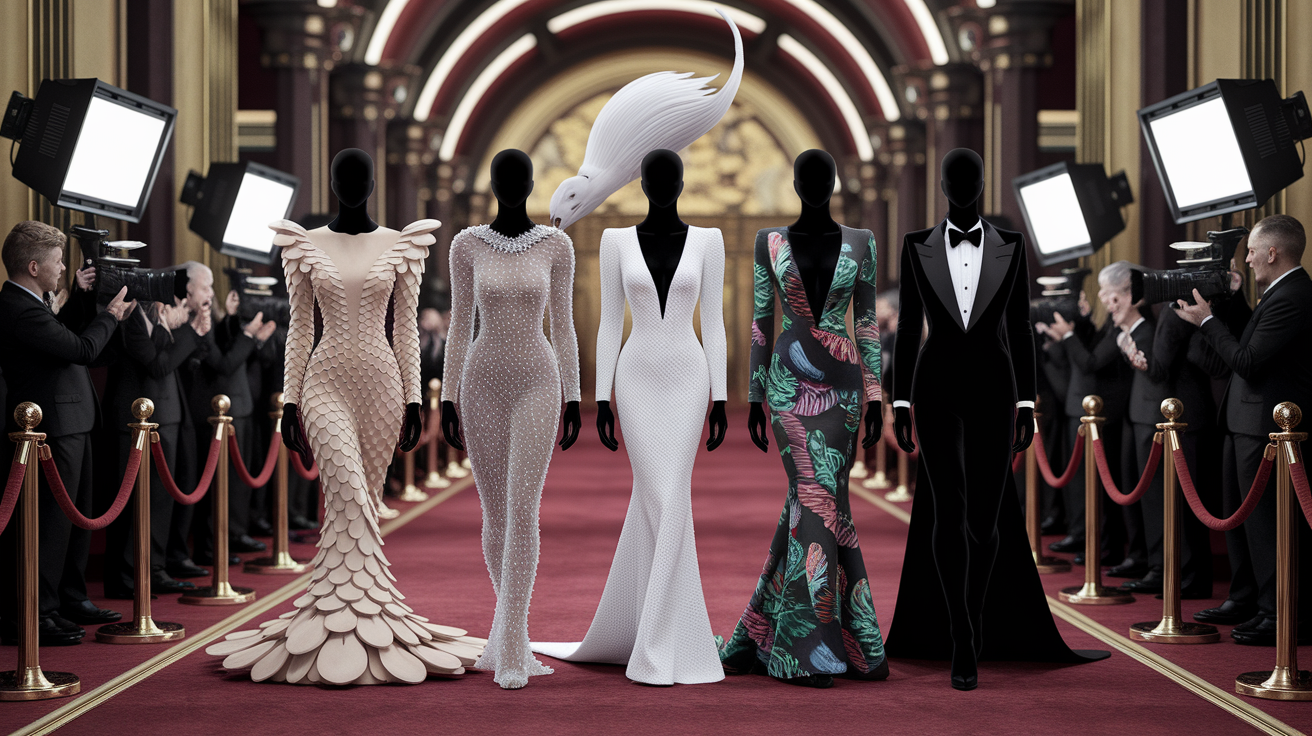
Lady Gaga showed up to the 2010 MTV Video Music Awards in a dress made of raw beef. Franc Fernandez designed it. Rihanna wore 216,000 Swarovski crystals and not much else to the 2014 CFDA Fashion Awards in an Adam Selman gown that exposed basically everything. Björk floated into the 2001 Oscars wearing a white swan dress by Marjan Pejoski. Jennifer Lopez’s jungle-print Versace gown at the 2000 Grammy Awards had a neckline that went past her navel, and people say that moment’s why Google Images exists. On January 7, 2018, hundreds of stars wore all black to the 75th Golden Globes for #TimesUp. Billy Porter got carried in on a litter at the 2019 Met Gala wearing an Egyptian Sun God tuxedo-gown thing that basically redefined what masculinity could look like on the red carpet.
These controversial red carpet dresses all did the same thing. They stopped the scroll, dominated headlines for days, forced conversations about stuff people would rather ignore. The dresses become stand-ins for bigger arguments about who gets to show skin, which symbols are off-limits, whether fashion counts as activism or just art. One garment can get celebrated as bold self-expression and trashed as tasteless spectacle at the exact same time. The difference between a standing ovation and total outrage? Timing, identity, and whether people are ready to sit with their own discomfort.
Controversial red carpet dresses consistently blow up when they cross invisible lines. The stuff that turns a gown into a flashpoint:
Nudity and sheer fabric that messes with broadcast standards and kicks off body-autonomy versus objectification fights.
Political messaging through coordinated looks, slogans, or symbolic accessories that turn celebrity appearance into protest.
Religious iconography worn provocatively, which raises questions about artistic tribute versus straight-up sacrilege.
Gender-defying silhouettes that disrupt formal dress codes and expand what masculinity, femininity, or non-binary presentation can look like.
Animal ethics and sustainability when real fur, leather, or literal meat shows up, and advocacy groups lose it.
Historic preservation concerns when fragile archival pieces get worn for publicity, pitting spectacle against conservation.
Pros & Cons of Highly Controversial Red Carpet Fashion Moments
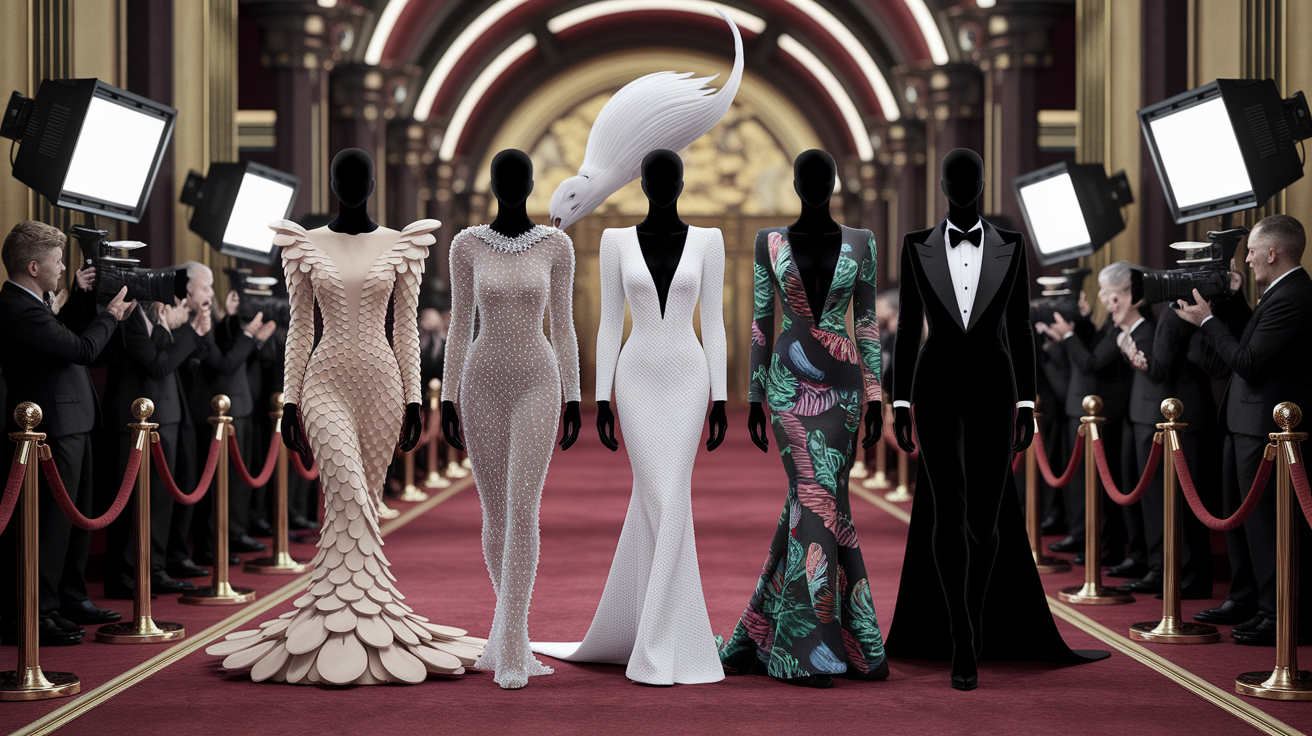
Angelina Jolie’s right leg became the internet’s most-memed body part after she kept posing at the 2012 Oscars with her Versace gown’s slit showing her thigh. Anne Hathaway’s 2013 Prada dress made “nipple darts” trend worldwide because the seaming looked like it was accentuating her chest. Billy Porter’s 2019 Met Gala look got praised for queer visibility and criticized by people saying he was mocking formal wear. Every risky outfit delivers career-boosting attention and potential reputation damage, with PR teams scrambling to control the story within hours.
Bold celebrity gowns that sparked debate generate insane visibility and can cement a star’s place in pop culture forever. But they also need serious damage control and expose the wearer to coordinated attacks. You’re weighing instant virality against long-term brand stuff, and not every controversial moment ages well.
Pros:
Instant global coverage across print, broadcast, social.
Meme longevity that keeps the look circulating for years.
Gets you repositioned as a cultural icon or risk-taker instead of a safe choice.
Can actually spark real conversation about body autonomy, gender, ethics.
Cons:
You risk backlash from advocacy groups, religious organizations, conservative audiences.
The look might overshadow your actual achievements or the event itself.
Coordinated criticism that can spiral into personal attacks or full harassment.
Museum or archive regret if your stunt damages irreplaceable stuff or undermines preservation standards.
What Defines an Iconic Shock Dress in Red Carpet History
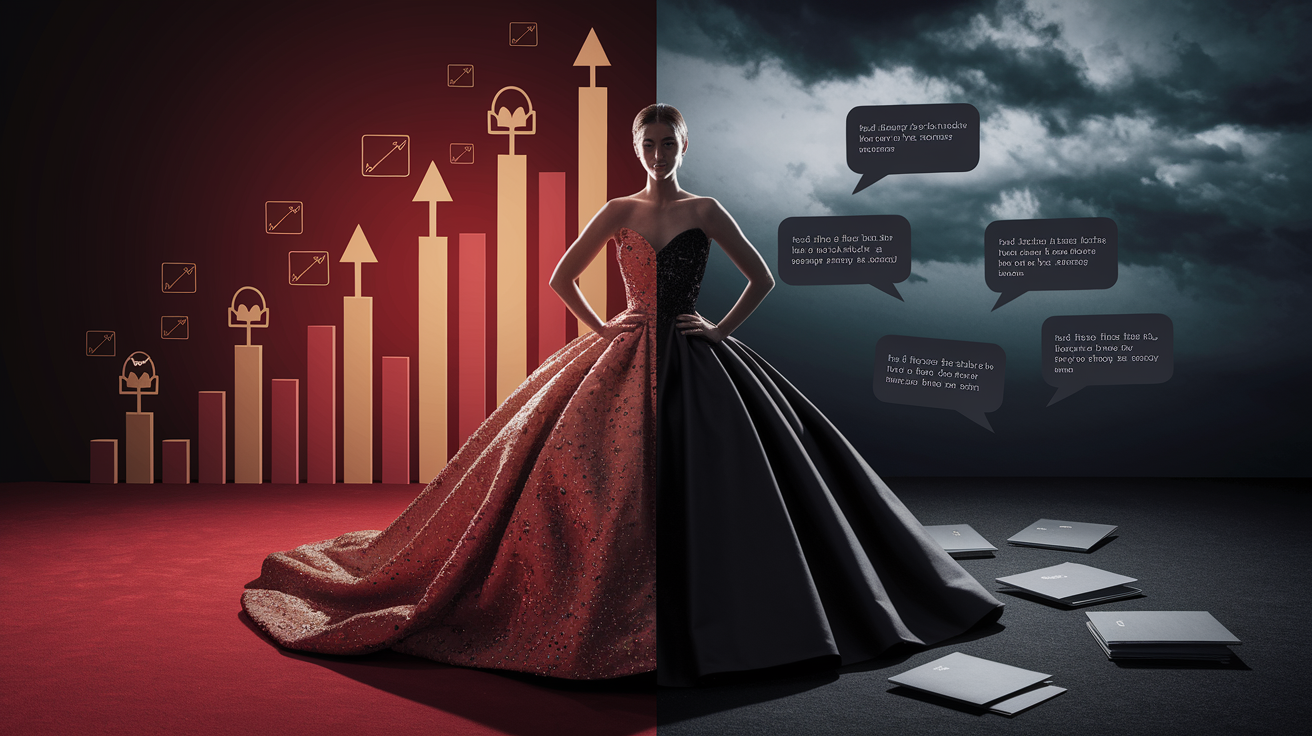
Björk’s 2001 swan dress became shorthand for “too weird for the Oscars.” Tabloids mocked it relentlessly, but the Marjan Pejoski design is now cited in museum retrospectives as performance art. Cher’s 1986 Oscars ensemble pushed boundaries on what Hollywood considered acceptable formal wear and still gets referenced for gender-bending red-carpet style. Lizzy Gardiner walked the 1995 Oscars in a dress made entirely of American Express gold cards, a tongue-in-cheek statement about being “broke” that doubled as anti-consumerist commentary. Not every head-turning gown survives the decade. A select few transcend initial ridicule to become permanent entries in fashion lexicon.
An iconic shock dress needs more than fleeting outrage. It has to carry narrative weight, designer intention, cultural disruption that outlasts the news cycle. The look has to be defensible as art, activism, or identity statement rather than pure publicity stunt. It needs enough archival interest that museums, critics, historians revisit it years later. The real test? Whether the dress becomes cultural shorthand. Whether saying “the swan dress” or “the meat dress” instantly conjures the image and the controversy without needing further explanation.
Key attributes that elevate a controversial gown into lasting icon status:
Narrative significance. The look tells a story about identity, politics, or cultural moment that goes beyond fabric and fit.
Designer intent and craftsmanship. Hours of handwork, innovative materials, collaboration that signals this was deliberate art, not accident.
Disruption of formal codes. The garment violated unspoken rules about modesty, gender, reverence, appropriate materials in a way that forced institutions to react.
Cultural longevity. Continued citation in retrospectives, memes, museum exhibits, fashion-school curricula decades after the initial appearance.
What Drives Media Obsession With Scandalous Red Carpet Gowns
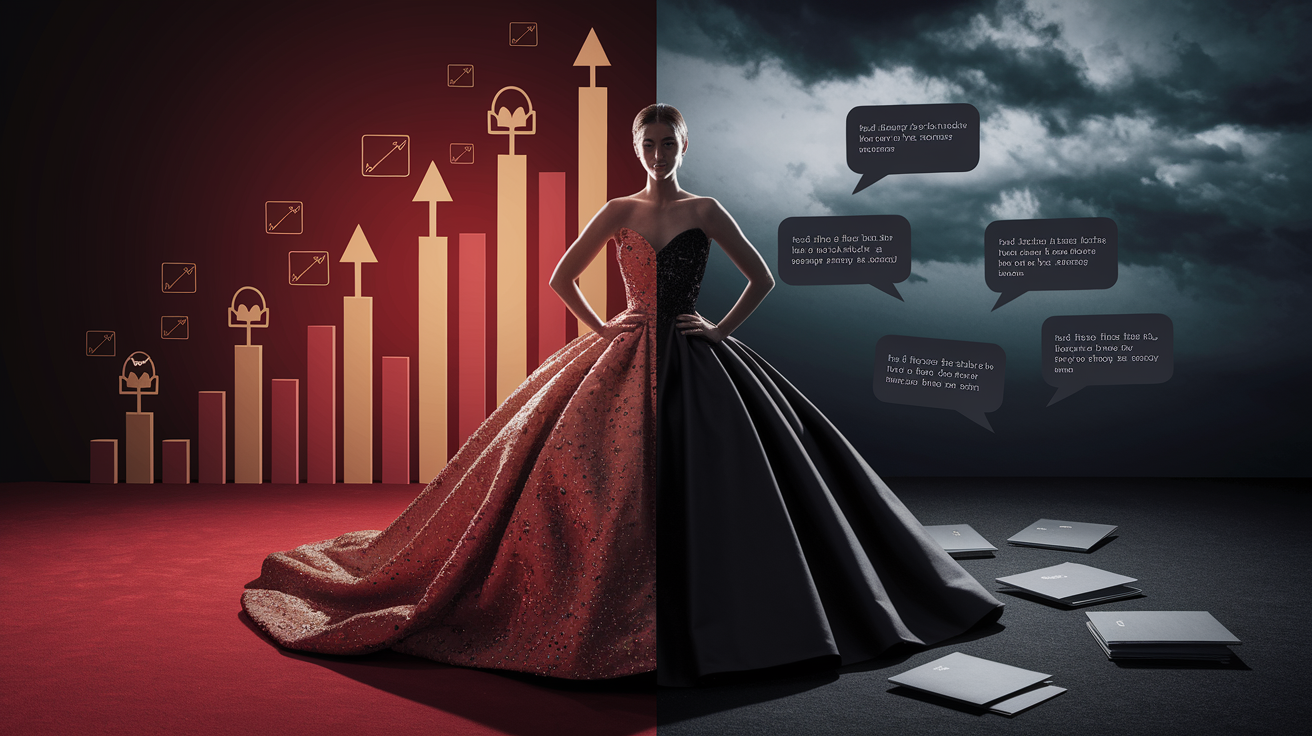
Angelina Jolie’s 2012 leg pose spawned thousands of Photoshop parodies within 48 hours. People inserted her limb into everything from Renaissance paintings to disaster-movie posters. Doja Cat responded to red-carpet interviewers at the 2023 Met Gala by meowing instead of speaking, a performance that extended her cat-prosthetic look into viral audio clips. Zendaya executed a planned dual-look moment at the 2024 Met Gala, walking in one Maison Margiela gown then reappearing minutes later in archival Givenchy with altered makeup. It redefined what “carpet arrival” could mean. Jennifer Lopez’s 2000 Versace jungle-print dress generated such intense search traffic that Google has repeatedly said the moment helped launch Google Images in July 2001. These looks work because they supply endless content for news cycles, meme factories, social algorithms hungry for shareable spectacle.
The media ecosystem transforms a single red-carpet appearance into a multi-day event through coordinated amplification. Traditional outlets publish instant hot-takes and quote celebrity stylists. Social platforms generate reaction GIFs, side-by-side comparisons, hashtag campaigns. Advocacy groups issue press releases either condemning or praising the choice. The celebrity’s PR team feeds follow-up interviews and behind-the-scenes footage to extend the conversation. The result? A self-sustaining loop where each new angle justifies another round of coverage.
Media obsession with scandalous celebrity gowns that sparked debate gets driven by:
Visual shock value that translates instantly to thumbnail images and shareable stills, no context needed.
Moral-panic framing that lets outlets publish the same provocative image repeatedly under the guise of critique or analysis.
Meme potential offering endless remixing opportunities that keep the look circulating across platforms long after the event ends.
Staged reveal mechanics like outfit changes, props, performance elements that provide multiple content beats from a single appearance.
Algorithmic amplification where high engagement signals social platforms to push the content further, creating exponential reach within hours.
How to Analyze the Most Controversial Red Carpet Dresses and the Cultural Conversations They Sparked
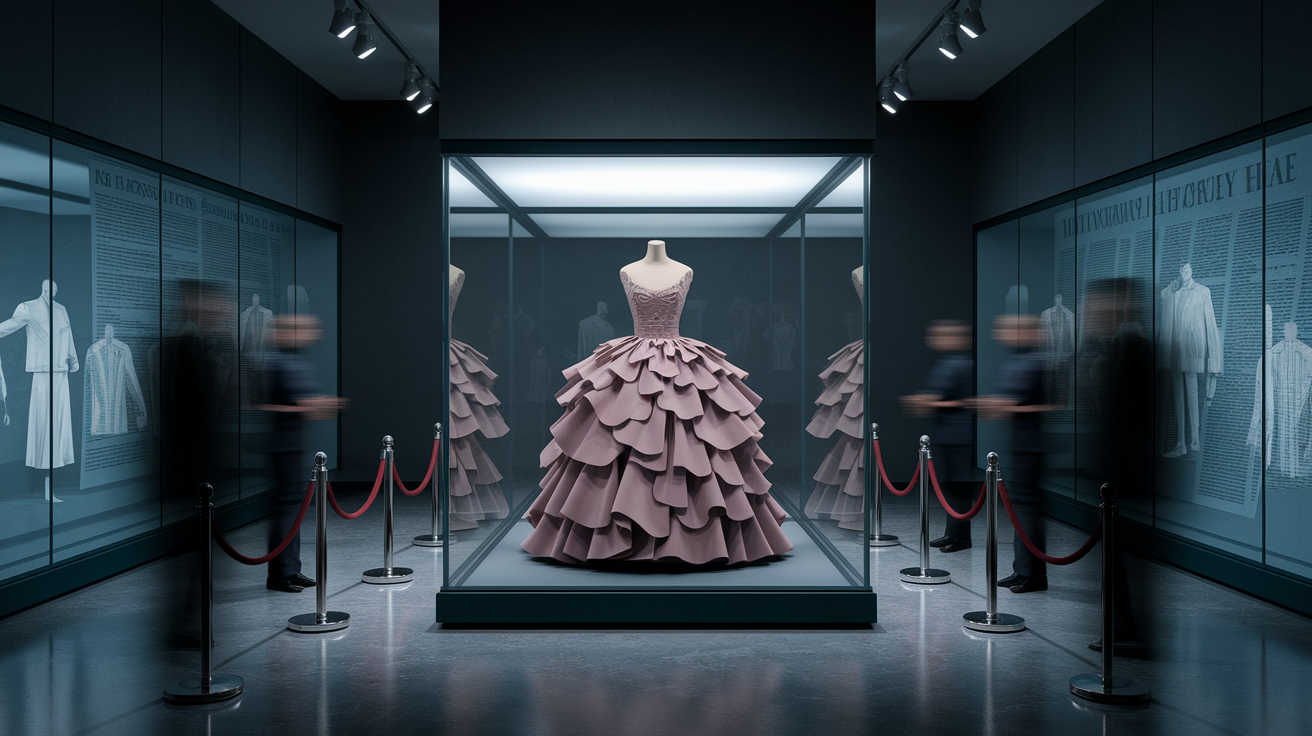
How to do a Context Check
Verify the event name, exact date, designer credits, stated theme before evaluating why a look sparked controversy. Jennifer Lopez wore her Versace jungle dress to the Grammy Awards on February 23, 2000. Context matters because award-show formality expectations differ sharply from, say, the Camp-themed 2019 Met Gala where theatricality was explicitly invited. Björk’s swan dress appeared at the 73rd Academy Awards on March 25, 2001, an era when Oscars red-carpet norms were way more conservative than today. Billy Porter’s gender-defying ensemble debuted at the May 6, 2019 Met Gala under the “Camp: Notes on Fashion” theme, which provided institutional permission for boundary-pushing looks.
Step one: Record the full event name, day/month/year, any official theme or dress code announced by organizers.
Step two: Identify the designer, maker, or provenance. Whether it’s a living couturier, archival loan, or DIY statement piece like Lizzy Gardiner’s 1995 AmEx-card dress.
Step three: Note the celebrity’s career stage and public persona at that moment, since a provocative choice reads differently for an emerging artist versus an established icon.
How to Identify the Triggering Element
Isolate the specific design feature or symbolic reference that crossed a cultural line and generated backlash or debate. Rihanna’s 2014 CFDA gown used 216,000 Swarovski crystals on sheer fabric that left her nearly nude, triggering arguments about empowerment versus objectification. Lady Gaga’s 2010 meat dress employed raw beef as the primary material, sparking immediate condemnation from PETA and forcing a conversation about shock tactics in art. Nicki Minaj’s 2012 Grammy Awards ensemble included a red silk gown and nun-like headdress paired with a companion dressed as “the Pope,” raising questions about religious sensitivity and whether Catholic iconography was being mocked or honored.
Step one: Examine fabric choice, silhouette, level of exposure. Identify whether the controversy centers on nudity, transparency, body parts traditionally covered at formal events.
Step two: Look for religious symbols, political slogans, activist messaging embedded in the design, such as Cara Delevingne’s 2021 “Peg the patriarchy?” Dior top.
Step three: Assess whether the look challenged gender norms, formal dress codes, ethical standards around materials like fur, leather, fragile historic garments.
How to Track Public Reaction
Map the immediate response across traditional media, social platforms, institutional statements to understand how quickly controversy escalated. Anne Hathaway’s 2013 Prada dress made “nipple darts” trend globally within hours as Twitter users debated seaming and wardrobe intent. The January 7, 2018 Golden Globes blackout generated synchronized press coverage because hundreds of attendees coordinated their all-black looks in advance, turning individual fashion choices into a collective political statement. Kim Kardashian’s brief May 2, 2022 appearance in Marilyn Monroe’s original 1962 “Happy Birthday, Mr. President” dress prompted conservation professionals to issue public warnings about damage to historic textiles within 24 hours.
Step one: Collect headlines, social-media trending topics, hashtag counts from the first 48 hours to gauge initial virality and sentiment.
Step two: Document responses from advocacy groups, religious organizations, designers, museum professionals who weighed in with official statements.
Step three: Track meme cycles, parody accounts, user-generated content to see whether the look became a joke, a rallying symbol, or both at once.
How to Examine Cultural Impact
Trace the long-term conversations the look ignited about body autonomy, gender expression, religious sensitivity, ethics, institutional access. Rihanna’s 2018 Maison Margiela papal-inspired look for the “Heavenly Bodies” Met Gala theme forced ongoing debate about whether high fashion can respectfully engage with Catholic imagery or whether any such use is appropriation and offense. Billy Porter’s 2019 gender-expansive ensemble became a touchstone in discussions about queer visibility, red-carpet inclusivity, whether formal menswear must remain rigidly gendered. Lady Gaga’s 2010 meat dress was preserved in modified form for museum display, raising questions about how ephemeral shock becomes archival artifact and what that says about art versus spectacle.
Step one: Identify the primary cultural debate triggered. Whether it centers on sexuality, politics, religion, gender, animal rights, preservation ethics.
Step two: Note any institutional responses, such as museum acquisitions, policy changes at award shows, shifts in designer practices following backlash.
Step three: Assess whether the look influenced future red-carpet behavior, inspired copycat moments, became a case study in fashion-school curricula and cultural criticism.
How to Compare Historic vs. Modern Controversies
Analyze how evolving media ecosystems, social norms, celebrity platforms have changed what qualifies as controversial from the 1980s through the 2020s. Cher’s 1986 Oscars outfit was boundary-pushing for its time but would barely register as unusual at a contemporary Met Gala. Elizabeth Hurley’s 1994 Versace safety-pin dress at the “Four Weddings and a Funeral” premiere generated tabloid frenzy in an era before social media, meaning the controversy unfolded over days via print coverage rather than minutes via Twitter. By contrast, Tyla’s 2024 Balmain “sand” gown, reportedly so fragile she had to be carried up stairs, went viral globally within an hour of her arrival. Shows how modern amplification compresses reaction timelines and magnifies reach.
Step one: Compare the media channels available at the time of the look. Pre-internet tabloids versus real-time social platforms, and how those shaped controversy velocity.
Step two: Evaluate shifting cultural norms around nudity, gender, religion, activism to understand why a 1990s shock moment might seem tame today or vice versa.
Step three: Track whether controversies now prompt faster institutional responses, more sophisticated PR counter-narratives, greater celebrity control over the story via owned social accounts.
Comparison Between Major Red Carpet Controversy Types

Lizzy Gardiner’s 1995 American Express gold-card dress explicitly critiqued consumerism and industry economics by turning credit cards into couture, a statement that doubled as performance art. Rihanna’s 2014 CFDA sheer gown constructed from 216,000 crystals centered the debate entirely on body exposure, agency, whether near-nudity is empowerment or exploitation. Billy Porter’s 2019 Met Gala tuxedo-gown hybrid disrupted rigid gender binaries in formal wear and sparked conversations about queer visibility, masculinity, the politics of presentation. Each controversy type generates distinct arguments, media frames, lasting legacies, even when the looks share a red carpet and similar shock value.
Different controversial looks trigger different cultural fault lines. A garment that challenges modesty norms will ignite body-autonomy debates and generate responses from religious or conservative groups. A politically charged ensemble like the 2018 Golden Globes blackout shifts the conversation to workplace harassment, solidarity, whether coordinated fashion is effective activism. A look that uses provocative materials (Gaga’s meat, real fur, fragile museum pieces) draws ethical and preservation critiques rather than moral panic about skin. Understanding the type of controversy helps decode which audiences will react, how media will frame the story, whether the moment will be remembered as brave, tasteless, or both.
| Look Type | Example | Cultural Debate | Lasting Impact |
|---|---|---|---|
| Consumerism critique | Lizzy Gardiner’s 1995 AmEx-card dress | Fashion as anti-capitalist statement; who gets to mock wealth on industry’s biggest stage | Cited as early example of meta-commentary in red-carpet dressing; inspired later activist fashion |
| Nudity and body autonomy | Rihanna’s 2014 CFDA sheer gown (216,000 crystals) | Empowerment vs. objectification; decency standards; body positivity and agency | Reinforced celebrity control over image; normalized sheer/naked dressing at award shows |
| Gender disruption | Billy Porter’s 2019 Met Gala tuxedo-gown | Masculinity norms; queer and trans visibility; formal dress-code policing | Expanded red-carpet gender expression; became case study in performative activism and identity |
| Religious iconography | Nicki Minaj’s 2012 Grammy nun/Pope ensemble | Sacrilege vs. artistic homage; who has authority to use sacred symbols in secular settings | Ongoing sensitivity debates around Catholic imagery in fashion; influenced Met Gala “Heavenly Bodies” theme responses |
| Historic preservation vs. spectacle | Kim Kardashian in Marilyn Monroe’s 1962 dress (May 2, 2022) | Ethics of wearing fragile archival garments; museum loan policies; celebrity access to cultural artifacts | Prompted conservation professionals to issue public warnings; museums reconsidered loan practices for live wear |
How to Use These Controversial Fashion Moments to Understand Cultural Shifts

Lady Gaga’s 2010 meat dress was preserved in modified form and displayed in museums, transforming a one-night shock tactic into a permanent artifact that institutions now use to teach students about art, spectacle, the line between the two. The coordinated January 7, 2018 Golden Globes blackout showed that red-carpet fashion could function as synchronized protest, totally changing how PR teams and activists plan visibility campaigns around award shows. Jennifer Lopez’s February 23, 2000 Versace jungle dress generated such intense search demand that Google has repeatedly said the moment drove the launch of Google Images in July 2001. Shows how a single garment can reshape technology infrastructure. These controversial red carpet dresses offer a timeline of evolving norms around gender, sexuality, religion, ethics, institutional power. Each look functioning as a data point in larger cultural negotiations about who gets to be seen, how, on whose terms.
When a dress ignites debate, it reveals the invisible boundaries a society is actively policing at that moment. The outrage or celebration tells you which taboos are weakening and which remain fiercely defended. A look that would’ve ended a career in 1995 might barely register today, while a garment that feels celebratory now could face harsher backlash in a more conservative future climate. Tracking these shifts over decades shows how fashion operates as both mirror and engine of cultural change. It reflects current anxieties and accelerates the conversations that eventually move norms.
You can interpret present and future red-carpet controversies as cultural signals by:
Mapping which topics generate the fiercest backlash in real time. Whether nudity, religion, gender, ethics, to identify the boundaries a culture is actively renegotiating.
Tracking institutional responses from museums, award shows, advocacy groups to see when a controversy prompts policy change versus when it’s dismissed as fleeting outrage.
Comparing meme cycles and media longevity to distinguish between looks that become lasting icons versus those that fade once the initial shock wears off.
Analyzing who gets punished versus celebrated for identical choices, revealing double standards around race, gender, body type, celebrity tier.
Watching for preservation moments when ephemeral spectacle is archived, signaling that institutions now view the controversy as historically significant rather than tasteless stunt.
Final Words
We opened with iconic shock looks, Björk’s swan, Gaga’s meat dress, Rihanna’s crystal sheer, J.Lo’s Versace and Billy Porter’s Met Gala moment, and why they blew up into cultural flashpoints.
We then showed how media, critics, and social feeds escalated debates, weighed pros and cons, and laid out what makes a look “iconic shock.”
Use the guide’s context checks, trigger-spotting steps, and timeline tools to judge future moments; studying the most controversial red carpet dresses and the cultural conversations they sparked helps you spot bigger cultural shifts. Fashion keeps pushing, and that’s kind of exciting.
FAQ
Q: What was the most inappropriate dress on the red carpet?
A: The most inappropriate dress on the red carpet is subjective, but widely cited examples include Lady Gaga’s 2010 meat dress and Björk’s 2001 swan dress, both sparking major backlash and debate.
Q: What is the 3 3 3 rule in fashion?
A: The 3 3 3 rule in fashion means limiting an outfit to no more than three colors, three patterns, or three accessories to keep looks balanced and camera-ready.
Q: Who created the worst dressed list?
A: The worst dressed list was created by American critic Richard “Mr. Blackwell” Blackwell, who published his annual “Ten Worst Dressed” lists from the 1960s and became known for them.
Q: What makes a woman look wealthy?
A: A woman looks wealthy through polished tailoring, quality fabrics, minimal but luxe accessories, a neutral palette, good grooming, and understated branding, all signals of investment and taste, not flashy logos.