
What happens when one of Hollywood’s most powerful men is finally exposed?
Everything blew apart on October 5, 2017, when a New York Times investigation named 13 women and detailed decades of alleged harassment.
Five days later, a New Yorker report added more accusers, including claims of rape, and within days Weinstein was fired, expelled from the Academy, and widely condemned.
This timeline walks the key moments, from the first exposés to criminal trials, corporate collapse, and the viral #MeToo wave, so you can see how reporting, survivor testimony, and public outrage changed how workplaces respond to sexual misconduct.
Comprehensive Breakdown of the Harvey Weinstein Scandal Timeline
Everything blew apart on October 5, 2017. That’s when a major investigation named 13 alleged victims and laid out decades of alleged sexual harassment and assault. Five days later, on October 10, another report dropped with dozens more women, several alleging rape. Within days, Weinstein got fired from his own company, kicked out of the Academy, and turned into the face of a global reckoning. But the scandal didn’t end with headlines. It sparked criminal prosecutions, corporate bankruptcy, and a viral movement that changed how workplaces handle sexual misconduct.
By late October 2017, more than 80 women had gone public with accusations across media reports and legal filings. That single month set up years of legal battles. On May 25, 2018, Weinstein turned himself in to New York police and got charged with multiple felony sex crimes. The first criminal trial started in January 2020. On February 24, 2020, a Manhattan jury convicted him on two counts: third-degree rape and a first-degree criminal sexual act. Eleven days later, March 11, 2020, he got sentenced to 23 years in prison.
The legal fallout didn’t stop in New York. In December 2022, a Los Angeles jury convicted Weinstein on three separate felony counts for sexual assaults in California. On July 11, 2023, he received another 16 years in California state prison. Meanwhile, his production company filed for Chapter 11 bankruptcy on March 19, 2018, and its assets got sold off later that year. The timeline of the Harvey Weinstein scandal explained shows how investigative journalism, survivor testimony, and public outrage combined to take down one of Hollywood’s most powerful figures.
Timeline of the Harvey Weinstein Scandal Explained – Key Dates:
- October 5, 2017: First major investigation published, naming 13 alleged victims and detailing decades of alleged misconduct
- October 8, 2017: Weinstein fired from The Weinstein Company
- October 10, 2017: Follow-up report expanded allegations; Weinstein’s wife announced she was leaving him
- October 14, 2017: Academy of Motion Picture Arts and Sciences expelled Weinstein
- October 15, 2017: #MeToo hashtag went viral with millions of posts globally
- March 19, 2018: The Weinstein Company filed for Chapter 11 bankruptcy
- May 25, 2018: Weinstein arrested in New York, released on bail
- February 24, 2020: Convicted in New York on two criminal counts
- March 11, 2020: Sentenced to 23 years in New York state prison
- December 2022: Convicted in Los Angeles on three felony counts; sentenced to 16 years on July 11, 2023
Early Rumors and Pre-2017 Allegations Leading Into the Weinstein Scandal
Long before 2017, whispers about Harvey Weinstein circulated through Hollywood. Allegations history before 2017 stretched back to the 1990s, when Weinstein co-founded Miramax and later launched The Weinstein Company. Multiple women reportedly settled complaints privately, signing nondisclosure agreements that kept their stories buried. Those NDAs became a weapon to maintain silence, letting alleged misconduct continue for decades without consequences.
The power imbalance in casting and careers was central to how the alleged abuse went on. Weinstein controlled access to career-making roles, Oscar campaigns, and industry prestige. Aspiring actors and assistants who raised concerns risked professional exile. Industry insiders later admitted that rumors were common knowledge in certain circles. But the combination of legal settlements, fear of retaliation, and cultural norms around “difficult” powerful men kept most allegations private.
By the time the 2017 reports surfaced, investigators had uncovered a long trail of private settlements, intimidation tactics, and institutional enabling. The allegations spanned from the 1990s through the 2010s, involving film industry actors, assistants, and other professionals. The pre-2017 period set the stage for the explosive revelations that followed, showing how systemic silence can protect misconduct for years.
Patterns in Pre-2017 Allegations:
- Private financial settlements with accusers dating back to the 1990s
- Nondisclosure agreements that legally prevented women from speaking publicly
- Industry-wide reluctance to challenge a powerful producer with Oscar influence
- Reports of intimidation and career retaliation against those who resisted or complained
- Institutional complicity at companies and organizations that received complaints but took limited action
The Explosive October 2017 Reports That Triggered the Scandal

The timeline of media coverage started with two landmark pieces of investigative journalism that changed everything. On October 5, 2017, the first report detailed allegations from multiple women, describing decades of alleged sexual harassment and assault. The Oct 2017 New York Times investigation, led by reporters Jodi Kantor and Megan Twohey, named 13 victims and revealed a pattern of private settlements and NDAs. Weinstein issued a public apology, announced he was taking a leave of absence, and said he was entering therapy. He also denied many of the allegations.
Five days later, on October 10, 2017, a second investigation by Ronan Farrow in The New Yorker added 13 more women to the public record. Three alleged rape. The Ronan Farrow New Yorker report used on-the-record interviews, corroborating witnesses, and documented settlement agreements to build a detailed case. Combined, the two reports identified more than 80 accusers over time, transforming isolated rumors into a documented pattern of alleged predatory behavior.
The impact was immediate. Within hours of the first report, Weinstein’s career started collapsing. The Oct 2017 New York Times investigation and the follow-up from The New Yorker didn’t just expose one man. They demonstrated how investigative reporting could break through decades of institutional silence. Both outlets faced legal threats and pressure, but their rigorous sourcing and fact-checking held up.
The New York Times Report
Jodi Kantor and Megan Twohey spent months persuading women to go on the record, navigating NDAs and legal threats. Their October 5 report outlined a three-decade pattern of alleged misconduct, supported by employment records, settlement documents, and multiple corroborating sources. The piece detailed how Weinstein allegedly invited women to business meetings in hotel rooms, appeared in bathrobes or naked, and used his power to coerce physical contact. The investigative journalism techniques included verifying settlements, cross-referencing timelines, and obtaining internal company communications that showed awareness of complaints.
The New Yorker Investigation
Ronan Farrow’s October 10 piece expanded the allegations to include rape. He interviewed 13 women, several of whom described incidents in hotel rooms during film festivals or business trips. Farrow also obtained audio recordings of Weinstein admitting to groping a woman, which had been captured during a police investigation years earlier but hadn’t led to charges. The combination of audio evidence, on-the-record testimonies, and documented settlements made the report nearly impossible to dismiss.
| Date | Outlet | Key Revelations |
|---|---|---|
| October 5, 2017 | The New York Times | 13 alleged victims named; decades of settlements and NDAs detailed; allegations of harassment and coercion |
| October 10, 2017 | The New Yorker | 13 additional women spoke; three alleged rape; audio recording of Weinstein admitting to groping |
| Late October 2017 | Multiple Outlets | Total public accusers exceeded 80; international accusers came forward; industry-wide reckoning began |
Immediate Fallout After the Initial Allegations

The initial public allegations triggered a corporate and cultural collapse that happened in days. On October 6, 2017, Weinstein took an indefinite leave from The Weinstein Company. Two days later, on October 8, the company’s board fired him. His wife, designer Georgina Chapman, announced on October 10 that she was leaving him. By October 14, the Academy of Motion Picture Arts and Sciences had expelled Weinstein from membership, an extraordinarily rare move that signaled the industry’s attempt to distance itself.
Public relations timeline showed a rapid unraveling. Major studios and distributors cut ties, canceled projects, and issued statements condemning Weinstein’s alleged behavior. Actors and directors who’d worked with him for decades spoke out, many expressing shock, regret, or admissions that they’d heard rumors but failed to act. The board actions and firing at The Weinstein Company came after years of alleged internal complaints, raising questions about how much executives and board members had known.
Reactions from actors and directors ranged from condemnation to apology. Some stars donated fees from Weinstein-produced films to anti-harassment organizations. Others faced criticism for staying silent for years. The speed and scale of the fallout reflected the sheer number of accusers and the credibility of the investigative reporting. Within two weeks, Weinstein had lost his company, his industry honors, his marriage, and his public standing.
Company Response
The Weinstein Company’s internal company response was immediate but messy. The board initially announced an investigation, but within days, Weinstein was out. Co-founder and brother Bob Weinstein tried to distance himself and the company from Harvey’s actions. But the damage was done. Sponsors pulled funding, distributors canceled deals, and the company’s financial position became untenable. By early 2018, the company was exploring bankruptcy options.
Public Reactions
Hollywood’s public reactions came in waves. High-profile actors issued statements expressing support for survivors and condemning Weinstein’s alleged actions. Directors and producers who’d worked with him for years faced tough questions about what they knew and when. Some industry figures admitted they’d heard rumors but failed to speak up. Others claimed total ignorance. The cultural moment forced a broader conversation about complicity, silence, and the structures that protect powerful men.
Major Immediate Reactions:
- Weinstein fired from The Weinstein Company on October 8, 2017
- Academy of Motion Picture Arts and Sciences expelled Weinstein on October 14, 2017
- Georgina Chapman announced separation from Weinstein on October 10, 2017
- Major studios and distributors severed ties and canceled projects
- Actors donated fees from Weinstein films to anti-harassment charities
- Industry organizations revoked honors and memberships within days
Rise of #MeToo and Social Movement Expansion After Weinstein
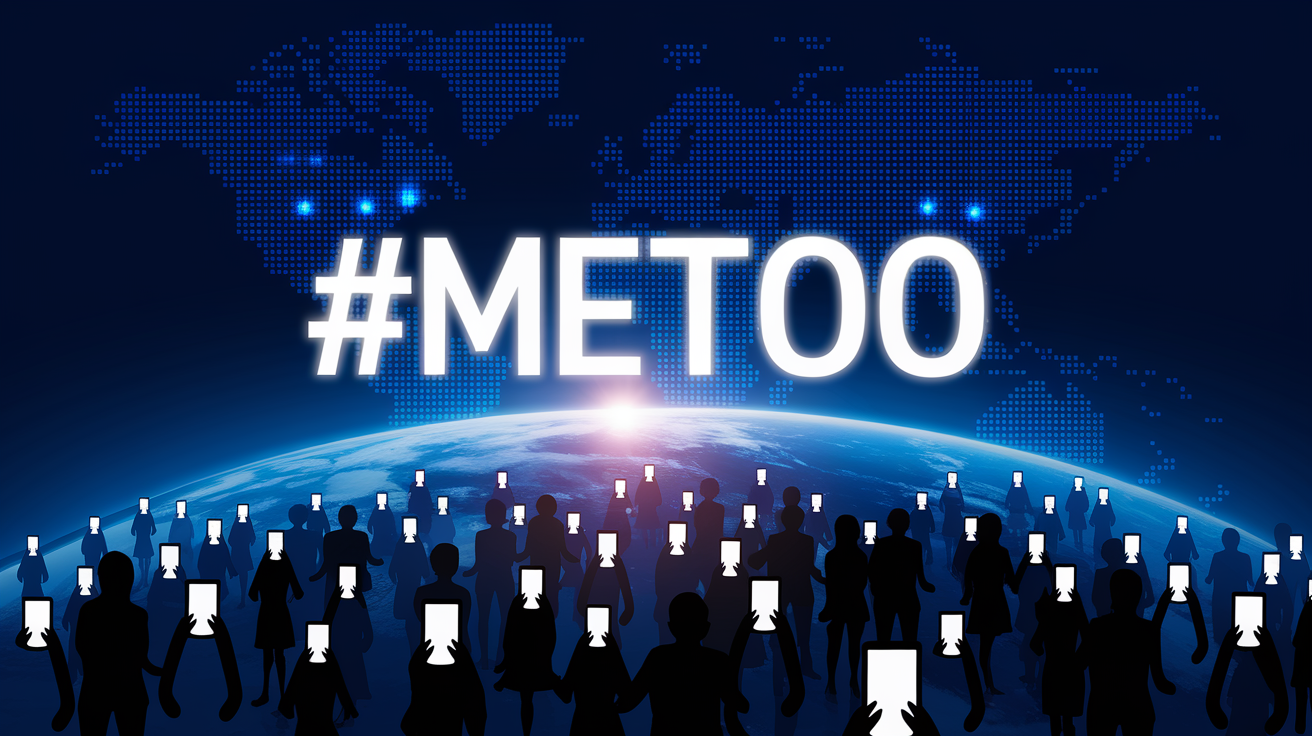
The impact on #MeToo movement was seismic. On October 15, 2017, actor Alyssa Milano posted a message encouraging women who’d been sexually harassed or assaulted to reply with “Me Too.” The phrase, originally coined by activist Tarana Burke in 2006 to support survivors of sexual violence, went viral within hours. Millions of social media posts flooded platforms worldwide, creating a public record of widespread harassment and assault across industries.
The social media reaction transformed the Weinstein scandal from a Hollywood story into a global cultural moment. Women in tech, finance, journalism, politics, and academia shared their own experiences, using the hashtag to show how pervasive sexual misconduct was. The MeToo origins and growth trace back to Burke’s grassroots work with marginalized communities, but the October 2017 surge brought the movement into mainstream consciousness. The Weinstein timeline of cultural fallout accelerated as more high-profile men in media, politics, and business faced public allegations and lost their jobs.
Key Movement Milestones:
- October 15, 2017: #MeToo hashtag went viral, generating millions of posts within 48 hours
- January 1, 2018: Time’s Up campaign launched to fight workplace sexual harassment and fund legal defenses for victims
- Late 2017–2018: Dozens of high-profile men across industries faced allegations, resignations, and firings
- 2018 onward: Legislative reforms, corporate policy changes, and global awareness campaigns expanded rapidly
Criminal Investigations and Early Legal Actions in 2017–2018
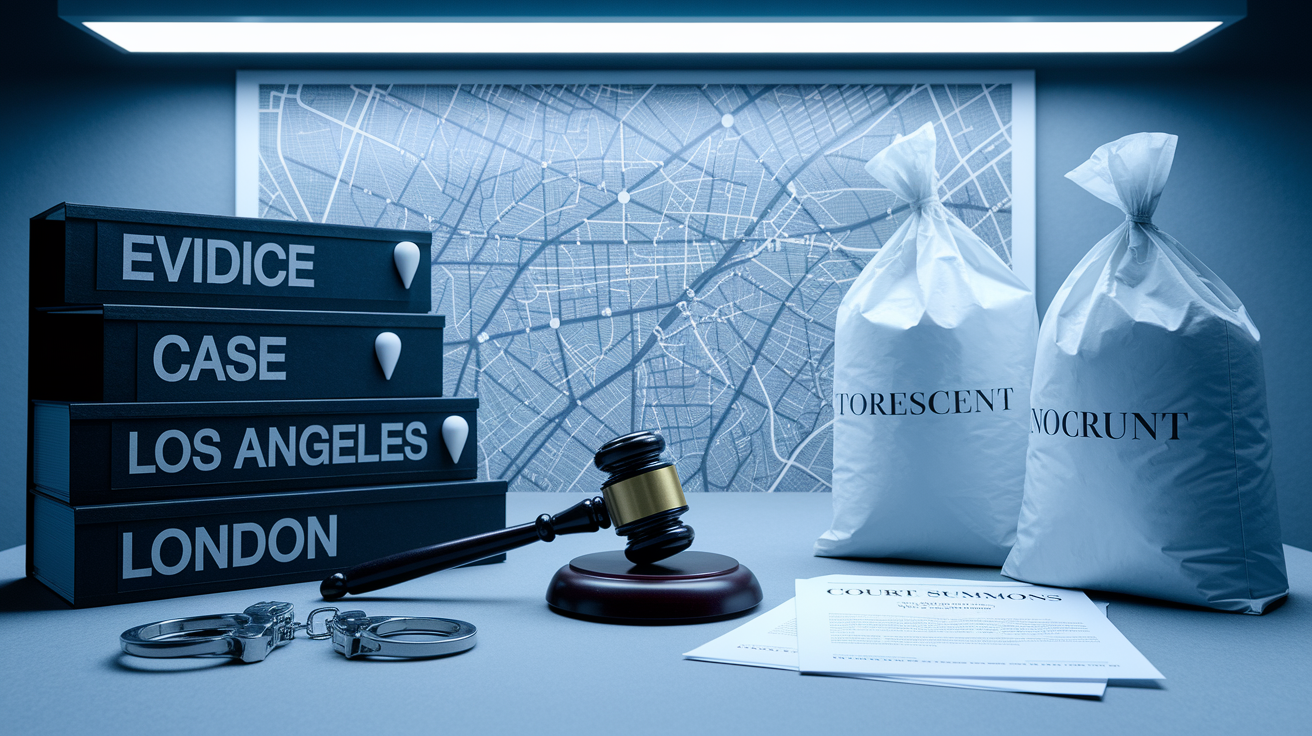
Late 2017 and early 2018 saw a wave of police investigations timeline activity as law enforcement in multiple jurisdictions opened inquiries. The Manhattan District Attorney’s office began building a criminal case, interviewing witnesses and reviewing evidence. Other cities, including Los Angeles and London, announced investigations as well. By spring 2018, the timeline of criminal charges filed was taking shape, with prosecutors preparing to bring felony counts.
On May 25, 2018, Weinstein surrendered to New York police and got arrested on charges related to alleged assaults in 2004 and 2013. He was released on bail after posting a bond and agreeing to wear an ankle monitor. On June 5, 2018, he pleaded not guilty to the initial charges. Four days later, on June 9, prosecutors added a third charge related to an alleged 2006 assault. A grand jury indictment followed, and the case moved toward trial.
Civil lawsuits and settlements post-2017 unfolded in parallel. Dozens of women filed civil claims seeking damages for harassment, assault, and emotional harm. The legal landscape was complex, with some claims barred by statutes of limitations and others proceeding in state and federal courts. The Weinstein Company faced mounting legal fees. By early 2018, it was clear the company couldn’t survive the financial and reputational damage.
Criminal Inquiries
The Manhattan district attorney case was the most prominent, but police in Los Angeles, London, and other cities also opened investigations. Prosecutors faced challenges: some alleged incidents occurred decades earlier, and statutes of limitations barred some charges. Investigators worked to identify corroborating witnesses, gather physical evidence, and build cases that could survive legal scrutiny. The timeline of criminal investigations by jurisdiction showed coordination between cities as prosecutors shared information and evidence.
Civil Suits
Civil lawsuits piled up in 2017 and 2018, with accusers seeking financial damages and public accountability. Some claims were settled confidentially. Others remained public. The civil process allowed accusers to pursue justice even when criminal statutes of limitations had expired. Weinstein’s legal team fought on multiple fronts, defending against both criminal prosecution and civil liability.
| Date | Legal Action | Jurisdiction |
|---|---|---|
| Late 2017 | Police investigations opened; interviews and evidence collection began | New York, Los Angeles, London |
| May 25, 2018 | Weinstein arrested in New York; charged with rape and criminal sexual act; released on bail | New York |
| June 2018 | Grand jury returned indictment; additional charges added; not-guilty pleas entered | New York |
| 2017–2018 | Dozens of civil lawsuits filed; settlements negotiated; bankruptcy loomed for The Weinstein Company | Multiple U.S. jurisdictions |
Inside the 2019–2020 New York Trial, Verdict, and Sentencing
The 2020 criminal trial New York kicked off on January 6, 2020, after months of pre-trial motions, attorney changes, and legal maneuvering. Jury selection took several days, with both sides scrutinizing potential jurors for bias or preconceived notions about the case. The trial focused on allegations from two women: Mimi Haleyi, a former production assistant who alleged Weinstein forcibly performed oral sex on her in 2006, and Jessica Mann, who alleged Weinstein raped her in 2013.
Prosecutors presented testimony from both women, along with corroborating witnesses and expert testimony about trauma and victim behavior. The defense argued the encounters were consensual and pointed to emails and communications that they claimed showed ongoing consensual relationships. On February 18, 2020, the jury entered deliberations. Six days later, on February 24, the conviction and sentencing timeline reached a pivotal moment: the jury found Weinstein guilty on two counts, a criminal sexual act in the first degree (related to Haleyi) and rape in the third degree (related to Mann). He was acquitted of the most serious charge, predatory sexual assault, which required proof of multiple victims over time.
On March 11, 2020, a judge sentenced Weinstein to 23 years in prison. The prison sentence details reflected the severity of the convictions and the judge’s conclusion that Weinstein had shown no remorse. Immediately after the verdict, Weinstein was taken into custody and transferred to Rikers Island before being moved to a state correctional facility. The trial was widely viewed as a landmark for the #MeToo movement, proving that even powerful men could face criminal accountability.
Charges and Testimony
The charges centered on two incidents: the 2006 alleged assault of Mimi Haleyi and the 2013 alleged rape of Jessica Mann. Prosecutors also called additional witnesses whose allegations weren’t part of the criminal charges but were allowed to establish a pattern of behavior. The witnesses and corroboration timeline showed a consistent modus operandi: hotel-room meetings, promises of career advancement, and alleged coercion. Defense attorneys cross-examined accusers aggressively, focusing on post-incident communications and questioning why women maintained contact with Weinstein after alleged assaults.
Verdict and Sentencing
The jury deliberated for five days before reaching a verdict. The conviction on two counts carried a combined maximum sentence of up to 29 years, but the judge imposed 23 years. The sentencing hearing included victim-impact statements, with several women describing the long-term harm of Weinstein’s alleged actions. Weinstein’s legal team argued for leniency, citing his age and health, but the judge rejected those arguments, emphasizing the gravity of the crimes and the need for accountability.
Key Trial and Sentencing Points:
- Trial began January 6, 2020, after months of pre-trial motions and attorney changes
- Central accusers: Mimi Haleyi (2006 incident) and Jessica Mann (2013 incident)
- Additional “prior bad acts” witnesses testified to establish a pattern of behavior
- Jury deliberated from February 18 to February 24, 2020
- Convicted on two counts: criminal sexual act in the first degree and rape in the third degree
- Acquitted of predatory sexual assault, the most serious charge
- Sentenced March 11, 2020, to 23 years in New York state prison
- Taken into custody immediately after the verdict; transferred to Rikers Island and later to a state correctional facility
Additional California Charges, Conviction, and Sentencing
While Weinstein was serving his New York sentence, prosecutors in Los Angeles moved forward with their own case. In mid-2021, Weinstein was extradited to California to face charges related to alleged sexual assaults in Los Angeles. The timeline of criminal investigations by jurisdiction showed coordination between New York and California authorities to manage custody and legal proceedings.
In December 2022, a Los Angeles jury convicted Weinstein on three felony counts related to alleged sexual assaults that occurred in California. The conviction added to the legal consequences he was already facing in New York. On July 11, 2023, a California judge sentenced Weinstein to 16 years in state prison on the California convictions. The sentencing hearings chronology demonstrated that Weinstein faced accountability in multiple jurisdictions, with sentences running consecutively or concurrently depending on how authorities coordinated enforcement.
California Case Summary:
- Mid-2021: Weinstein extradited from New York to Los Angeles to face separate criminal charges
- December 2022: Convicted in Los Angeles on three felony counts related to alleged sexual assaults in California
- July 11, 2023: Sentenced to 16 years in California state prison, in addition to the 23-year New York sentence
Appeals, Ongoing Cases, and Weinstein’s Current Legal Status
Weinstein’s legal team filed appeals and legal challenges immediately after the New York conviction, arguing that the trial judge allowed prejudicial testimony and that the jury was biased. The timeline of appeals and legal filings has continued into the 2020s, with motions, briefs, and court hearings in both New York and California. Appeals courts have reviewed claims of procedural errors, jury misconduct, and evidentiary rulings.
The criminal vs civil process explained shows that Weinstein faced two separate tracks of accountability. Criminal convictions in New York and California resulted in prison sentences, while civil settlements continued in parallel. In December 2019, Weinstein and his bankrupt studio reached a tentative $25 million civil settlement with dozens of women, though some accusers rejected the terms and continued litigation. The settlement didn’t require Weinstein to admit wrongdoing, and it was funded largely by insurance policies rather than Weinstein’s personal assets.
As of the latest updates, Weinstein remains in custody, serving time in state prison while his legal team continues to pursue appeals. Custody transfers between states have been managed by correctional authorities, and simultaneous civil settlements have resulted in confidential agreements with some accusers. The ongoing legal status reflects a complex web of criminal accountability, civil liability, and appellate review.
Active Appeals and Legal Actions:
- New York conviction appealed on grounds of prejudicial testimony and jury bias; appellate courts reviewing claims
- California conviction also under appeal, with defense attorneys arguing procedural errors
- Civil settlements reached with some accusers, while others continue litigation
- Custody managed by state correctional authorities, with coordination between New York and California
Cultural, Industrial, and Policy Impact of the Weinstein Timeline

The corporate culture reforms in Hollywood that followed the Weinstein scandal were sweeping. Major studios, production companies, and talent agencies adopted new harassment reporting policies, mandatory training programs, and third-party investigation protocols. The industry-wide policy changes included stricter enforcement of codes of conduct, limits on one-on-one meetings in hotel rooms, and transparent processes for handling complaints.
The nondisclosure agreement ethics debate became a central issue. Critics argued that NDAs allowed serial abusers to silence victims and continue harmful behavior. Some states and countries passed laws limiting the use of NDAs in sexual harassment and assault cases, and several companies voluntarily committed to ending the practice. The toxic workplace allegations extended beyond Weinstein to dozens of other high-profile men in entertainment, media, and business, leading to widespread resignations and firings.
Hollywood power dynamics shifted as the scandal exposed how unchecked influence and fear of retaliation enabled abuse. Time’s Up, launched in January 2018, created a legal defense fund and advocacy platform for survivors. The campaign raised millions of dollars and supported legislative reforms aimed at strengthening protections for workers. The cultural impact of the Weinstein timeline reached far beyond Hollywood, influencing global conversations about consent, accountability, and institutional responsibility.
Industry observers noted that the scandal accelerated changes that had been resisted for years. Talent agencies created safe-reporting channels, unions negotiated stronger protections, and studios hired compliance officers to oversee workplace conduct. The long-term consequences included a more transparent industry, though critics argued that progress remained uneven and that powerful individuals still faced insufficient accountability.
| Industry Change | Description |
|---|---|
| Harassment Reporting Policies | Studios and agencies adopted third-party hotlines, transparent investigation protocols, and mandatory training programs |
| NDA Restrictions | Legislative and corporate limits on nondisclosure agreements in harassment cases; some companies voluntarily ended the practice |
| Time’s Up Campaign | Legal defense fund and advocacy platform launched January 1, 2018; raised millions to support survivors and legislative reform |
| High-Profile Accountability | Dozens of men across industries resigned, were fired, or faced legal consequences following public allegations |
| Power Dynamics Shift | Increased transparency, compliance officers, union-negotiated protections, and cultural awareness about consent and retaliation |
Key Accusers, Testimonies, and Public Statements Connected to the Timeline
The list of accusers and allegations included more than 80 women who publicly spoke about Weinstein’s alleged misconduct. Well-known accusers included actors Rose McGowan, Ashley Judd, Gwyneth Paltrow, Mira Sorvino, and Asia Argento, each of whom described incidents ranging from harassment to assault. Their public statements from accusers helped break the wall of silence and encouraged others to come forward.
In the criminal trials, the most prominent accusers statements came from Mimi Haleyi and Jessica Mann, whose allegations formed the basis of the New York convictions. Haleyi described an alleged 2006 assault in Weinstein’s apartment, while Mann testified about an alleged rape in a hotel room in 2013. Both women gave detailed, emotional testimony that jurors found credible enough to convict.
Other accusers, including those whose allegations were outside the statute of limitations, testified as “prior bad acts” witnesses to establish a pattern. Their testimonies described similar tactics: professional meetings that turned into unwanted physical contact, hotel-room encounters, and threats of career retaliation. The collective weight of these public statements from accusers shifted the cultural narrative, making it harder to dismiss the allegations as isolated incidents.
Major Accusers and Their Roles in the Timeline:
- Rose McGowan: early public accuser who spoke about a 1997 settlement and alleged assault
- Ashley Judd: one of the first women named in the October 2017 reports; described alleged harassment in a hotel room
- Gwyneth Paltrow: publicly stated Weinstein propositioned her early in her career
- Mira Sorvino: described alleged harassment; said Weinstein’s actions harmed her career
- Asia Argento: alleged rape; became a vocal advocate for #MeToo
- Mimi Haleyi and Jessica Mann: central to the New York criminal trial; their testimony led to convictions
Essential Things to Keep in Mind When Reviewing the Weinstein Scandal Timeline
When reviewing the timeline of the Harvey Weinstein scandal explained, remember that the information comes from verified court records, investigative reporting, and public legal filings. Allegations span decades and involve more than 80 women, with legal processes unfolding across multiple jurisdictions. The sourcing and fact-checking best practices used by investigative journalists included on-the-record interviews, corroborating witnesses, settlement documents, and audio evidence.
The scandal shows lessons learned for media organizations about the importance of rigorous sourcing, protecting survivors, and holding powerful figures accountable. The timeline also shows how social movements, legal accountability, and corporate reform can intersect when survivors speak out and institutions respond. Readers evaluating the timeline should consider the complexity of sexual-assault prosecutions, the role of NDAs in silencing victims, and the cultural shifts that have followed the 2017 revelations.
Key Considerations for Readers:
- Timeline articles rely on verified records, court filings, and fact-checked investigative reporting
- Allegations span from the 1990s through the 2010s, involving more than 80 accusers across media reports and legal filings
- Legal processes unfolded in multiple jurisdictions, including New York, California, and international investigations
- Investigative journalism techniques (on-the-record sourcing, corroboration, and documented evidence) were critical to breaking the story and ensuring accountability
Final Words
Oct 5, 2017 set everything in motion: major reports named multiple victims and the fallout moved faster than anyone expected.
We ran through pre‑2017 rumors, the explosive October investigations, the swift industry reactions, the New York and California trials, ongoing appeals, and the wide policy and cultural shifts that followed.
For a clear timeline of the Harvey Weinstein scandal explained, this piece lines up the key dates, verdicts, and aftershocks so you can see what happened and why it matters. Knowing the sequence helps push toward accountability and better workplace protections.
FAQ
Q: What did Ashley Judd accuse Harvey Weinstein of?
A: Ashley Judd accused Harvey Weinstein of sexual harassment and misconduct, saying he subjected her to unwanted advances and inappropriate behavior early in her career.
Q: What did Madonna say about Harvey Weinstein?
A: Madonna said Harvey Weinstein sexually harassed her, described inappropriate behavior, and later voiced support for the women who publicly accused him.
Q: What did Lindsay Lohan say about Harvey Weinstein?
A: Lindsay Lohan said Harvey Weinstein made unwanted sexual advances and behaved inappropriately toward her during encounters when she was a young actress.
Q: What did Brad Pitt say to Weinstein?
A: Brad Pitt said he directly confronted Harvey Weinstein, criticizing his conduct and publicly backing the women who came forward with accusations.