
Was Beyoncé’s Lemonade actually a costume-driven manifesto, with clothes doing half the talking?
On April 23, 2016 she released an 11-chapter visual album where every outfit maps emotion, history and ritual.
From the flowing yellow Roberto Cavalli gown and its Oshun nod in “Hold Up” to the white robes evoking Igbo Landing in “Love Drought,” the wardrobe reads like a visual diary.
This post will decode what each key look means, and name the designers and custom houses behind Lemonade’s most iconic moments.
High-Level Summary of Lemonade’s Wardrobe Symbolism and Designers
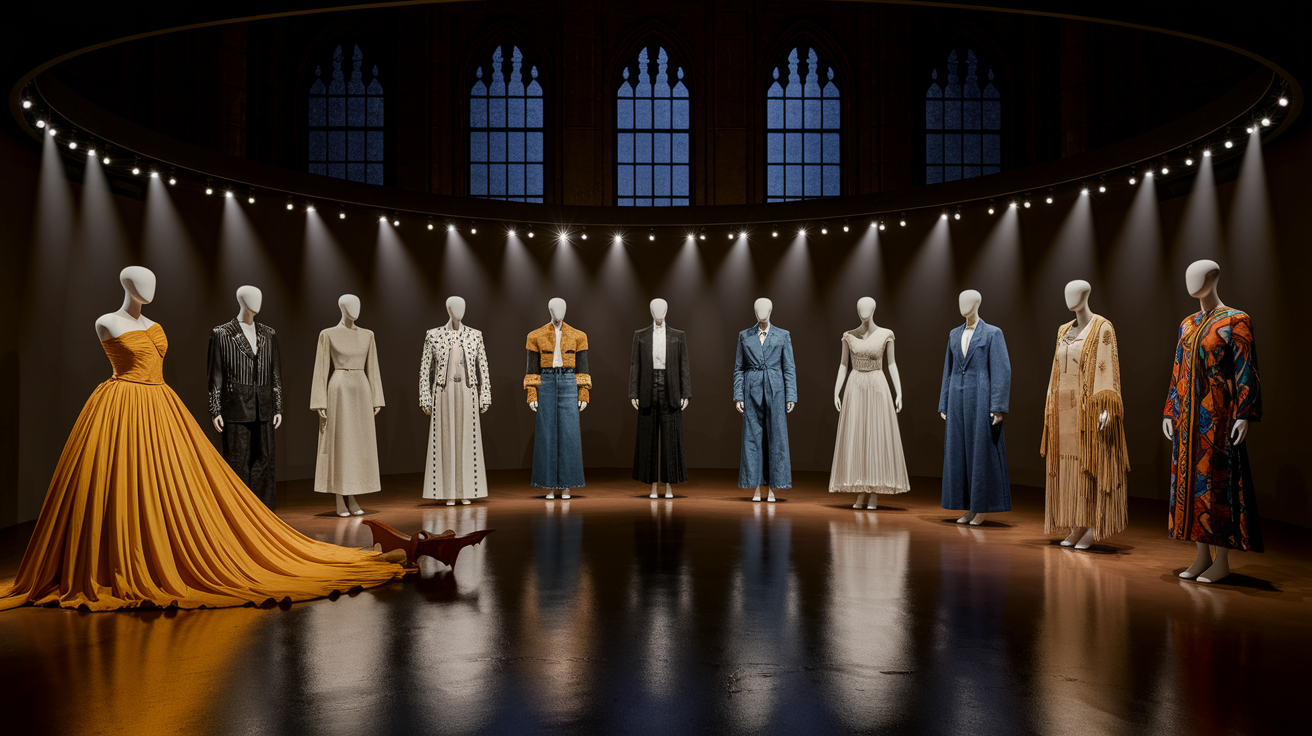
On April 23, 2016, Beyoncé dropped Lemonade, an 11-chapter visual album that stitched together personal betrayal with this sweeping look at Black womanhood, ancestry and resilience. Every outfit in the film does narrative work. The clothes aren’t just pretty, they’re intentional symbols that map to the emotional phases: Intuition, Denial, Anger, Apathy, Emptiness, Accountability, Reformation, Forgiveness, Resurrection, Hope and Redemption. That flowing yellow Roberto Cavalli dress paired with a baseball bat in “Hold Up”? The white robes nodding to Igbo Landing in “Love Drought”? Each look carries layered meaning tied to heritage, grief and taking back power.
The styling teams pulled from a roster of luxury houses. Roberto Cavalli, Gucci, Givenchy, Balmain, Versace, Alexander McQueen, Maison Margiela and DSquared2 all show up across the film’s run time. Lots of pieces were custom or bespoke, mixing couture shapes with street codes, Southern vernacular and Pan-African motifs. The wardrobe doesn’t stick to one aesthetic. It cycles through workwear denim, Victorian lace, militant leather and bridal whites to reflect emotional range and the multiplicity of Black female identity.
Across the 11 chapters, clothes function as cultural annotation. African diasporic beauty codes show up in “Sorry”: natural hair, neck jewelry, Ori makeup referencing Yoruba tradition. “Daddy Lessons” leans into Black Western styling with cowboy hats, fringe and boots to reclaim Southern lineage. In “Formation,” militarized black looks and wide-brim hats assert pride, power and Creole heritage. Every wardrobe transition marks a shift in tone, history or selfhood, making costume one of the album’s most discussed elements.
Six key symbolic wardrobe moments with designers:
- “Hold Up” — yellow Roberto Cavalli dress, baseball bat prop. Signifies joyful resistance and Oshun, the Yoruba water goddess of renewal.
- “Love Drought” — white robes marching into the ocean. Evokes Igbo Landing mass suicide in 1803 and ritual cleansing.
- “Sorry” — African-inspired styling with natural hair and Maasai-influenced jewelry. Reclaims diasporic beauty and rejects Western standards.
- “Don’t Hurt Yourself” — black leather and studs. Channels rage, rock iconography and ancestral strength.
- “Daddy Lessons” — Western attire with cowboy hats and fringe. Asserts Black Southern identity and country-music lineage.
- “Formation” — militarized black ensembles and wide-brim hats (multiple designers). Functions as armor, proclamation and Creole pride statement.
Scene-by-Scene Symbolism in Beyoncé’s Lemonade Costumes
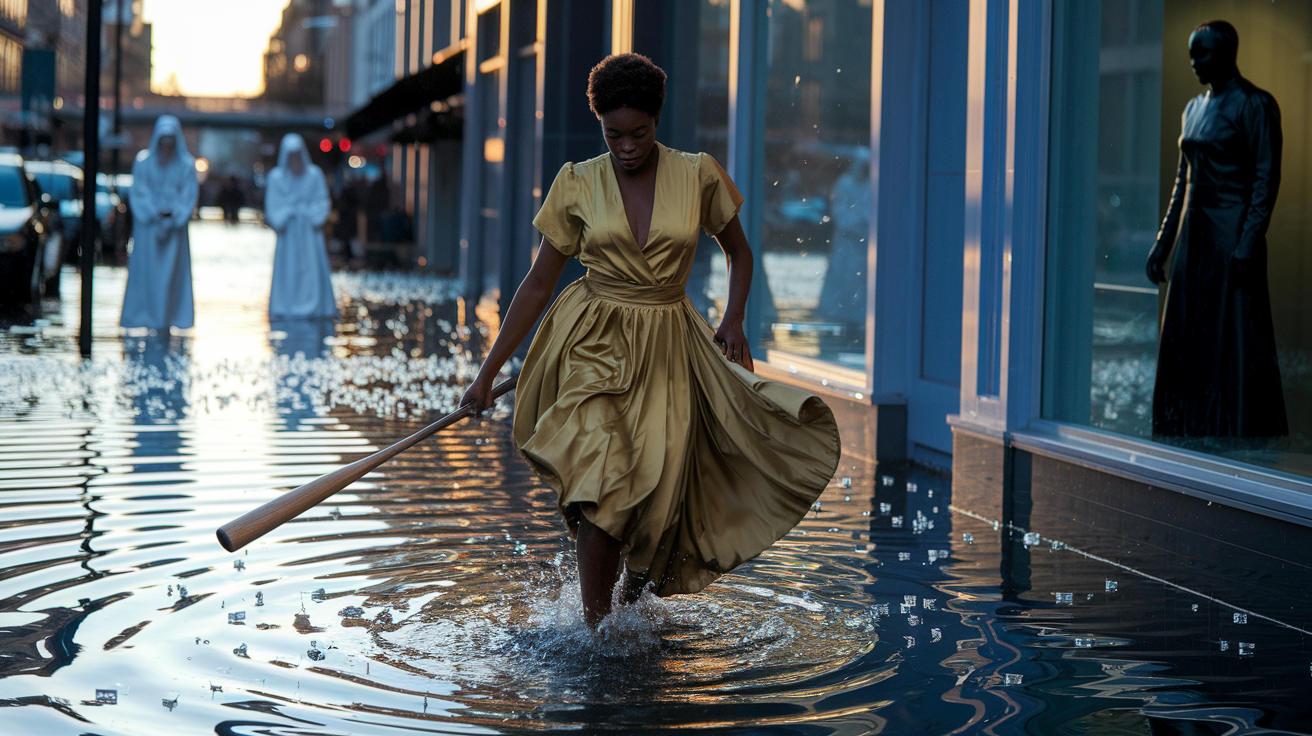
Each chapter in Lemonade uses wardrobe as punctuation, marking emotional beats and cultural context without dialogue. The film opens with neutral cream robes and minimal makeup: visual shorthand for introspection, ritual mourning and private grief before the public confrontation begins. As the narrative shifts from betrayal to rage to tentative healing, costume codes switch just as deliberately.
“Hold Up” delivers the album’s most iconic look. A flowing yellow gown with Beyoncé walking barefoot through flooded streets, swinging a baseball bat nicknamed Hot Sauce through car windows and storefronts. The yellow reads as solar defiance, a reclamation of joy in the face of humiliation, while the bat and shattered glass stage theatricalized fury. The scene channels Oshun, the Yoruba goddess of fresh water, fertility and gold, turning a moment of betrayal into regenerative power. By “Don’t Hurt Yourself,” the wardrobe flips to black leather, studs and aggressive silhouettes. Visual codes borrowed from rock and Tina Turner–style sonic fury, underscored by a Malcolm X audio clip asking “Who taught you to hate yourself?”
“Love Drought” stages women in white robes marching into the ocean, a direct reference to the 1803 Igbo Landing mass suicide on St. Simons Island, Georgia, where enslaved Igbo people chose death over bondage. The white robes function as ritual garments, connecting personal betrayal to collective historical trauma and spiritual resistance. In “Sorry,” the aesthetic shifts again: natural hair, neck jewelry and Ori sacred makeup reference Nigerian and Kenyan Maasai traditions, asserting African diasporic beauty codes as regal and intentional rather than exotic or othered.
| Scene | Key Outfit | Symbolic Meaning |
|---|---|---|
| “Hold Up” | Yellow Roberto Cavalli dress, baseball bat | Oshun deity reference, joyful resistance, regenerative anger |
| “Love Drought” | White robes marching into ocean | Igbo Landing reference, ritual cleansing, ancestral memory |
| “Sorry” | African-inspired jewelry, natural hair, Ori makeup | Diasporic reclamation, rejection of Western beauty standards |
| “Don’t Hurt Yourself” | Black leather, studs, heavy makeup | Rage, rock iconography, self-possession |
| “Formation” | Militarized black silhouettes, wide-brim hats | Black pride, Southern/Creole heritage, armor as proclamation |
Color Symbolism and Emotional Arc in Lemonade’s Wardrobe

Lemonade’s color palette isn’t random. It functions as emotional shorthand that tracks the 11-chapter arc from intuition to redemption. Yellow dominates “Hold Up,” channeling sun, visibility and Oshun’s regenerative energy. It turns anger into spectacle and reclaims joy as an act of defiance. White appears in “Love Drought” and reconciliation sequences, signaling ritual, marriage and attempted restoration while also evoking the white robes worn by the Igbo people at the moment of their collective resistance. Black anchors the rage sequences, especially in “Don’t Hurt Yourself” and “Formation,” encoding power, mourning, ancestral link and militancy. It’s both armor and identity assertion.
Red accents appear sparingly but pointedly, hinting at danger, bloodlines and inherited trauma. When red shows up in fabric or makeup, it marks moments where personal pain intersects with generational violence or passion. The interplay between these hues mirrors the album’s structure: warm tones during defiance and rebirth, cool neutrals during grief and introspection, saturated darks during confrontation.
Five color-to-chapter mappings:
- Yellow — “Hold Up” / Anger. Visibility, solar energy, Oshun, joyful resistance transformed from humiliation.
- White/Ivory — “Love Drought,” reconciliation scenes / Forgiveness, Resurrection. Ritual cleansing, marriage symbolism, Igbo Landing reference.
- Black — “Don’t Hurt Yourself,” “Formation” / Anger, Redemption. Power, ancestral strength, militancy, reclamation of narrative.
- Red — accents across betrayal scenes / Intuition, Denial. Danger, blood, passion, genealogical violence.
- Denim/workwear neutrals — house-demolition scenes / Apathy, Emptiness. Everyday Black womanhood, labor, durability, generational resilience.
Cultural and Historical Influences Embedded in Lemonade’s Styling
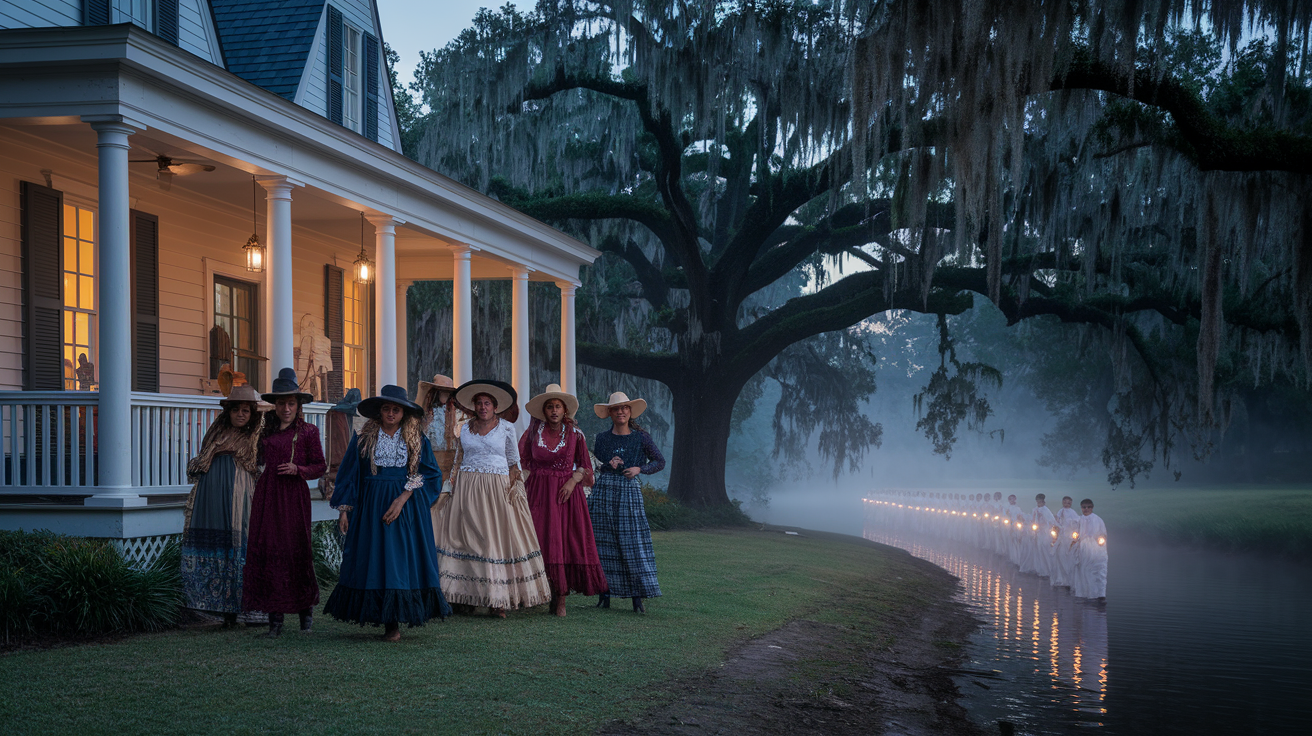
Lemonade roots its wardrobe in specific geographies and histories, using costume to assert lineage and contest erasure. The film repeatedly stages a gothic Southern home reminiscent of a slave plantation, but it inverts the visual language. Black women’s bodies and fashion are centered to claim narrative agency rather than serve as backdrop or object. Southern vernacular shows up in cowboy hats, church sartorial codes and Creole aesthetics, grounding the album in place and memory. “Daddy Lessons” makes this explicit, pairing fringe, boots and wide-brim hats with lyrics about fathers, guns and survival, reclaiming Black presence in country music and the American West.
African diasporic references thread through nearly every chapter. “Sorry” deploys Ori makeup, a Yoruba practice marking spiritual connection, alongside jewelry and hairstyles referencing the Maasai of Kenya. “Hold Up” channels Oshun through yellow fabric and water imagery, linking Beyoncé’s personal reckoning to a centuries-old deity associated with love, fertility and rivers. “Love Drought” stages the Igbo Landing reference with deliberate choreography: women in white robes marching into the ocean echo the 1803 event when enslaved Igbo people collectively walked into the water rather than submit to bondage.
Pan-African textiles, headwraps and communal dress appear in sequences like “Freedom” and the closing visuals, connecting personal grievance to ancestral networks of resistance. The wardrobe refuses a single aesthetic or timeline. Instead, it layers antebellum callbacks, West African motifs, 1970s Black Power silhouettes and contemporary streetwear to visualize the breadth and continuity of Black female identity. Every costume choice functions as both personal therapy and political reclamation, anchoring the album’s emotional arc in collective history.
Four major cultural reference points:
- Southern Gothic and plantation imagery — inverted to center Black women’s agency and narrative control.
- Igbo Landing (1803, St. Simons Island, Georgia) — dramatized in “Love Drought” with white robes and ocean march.
- Oshun (Yoruba water goddess) — evoked through yellow fabric, flowing garments and water scenes in “Hold Up.”
- Black Western and country lineage — cowboy attire, fringe and boots in “Daddy Lessons” reclaim Southern Black identity and genre history.
The Designers Behind Lemonade’s Most Iconic Looks
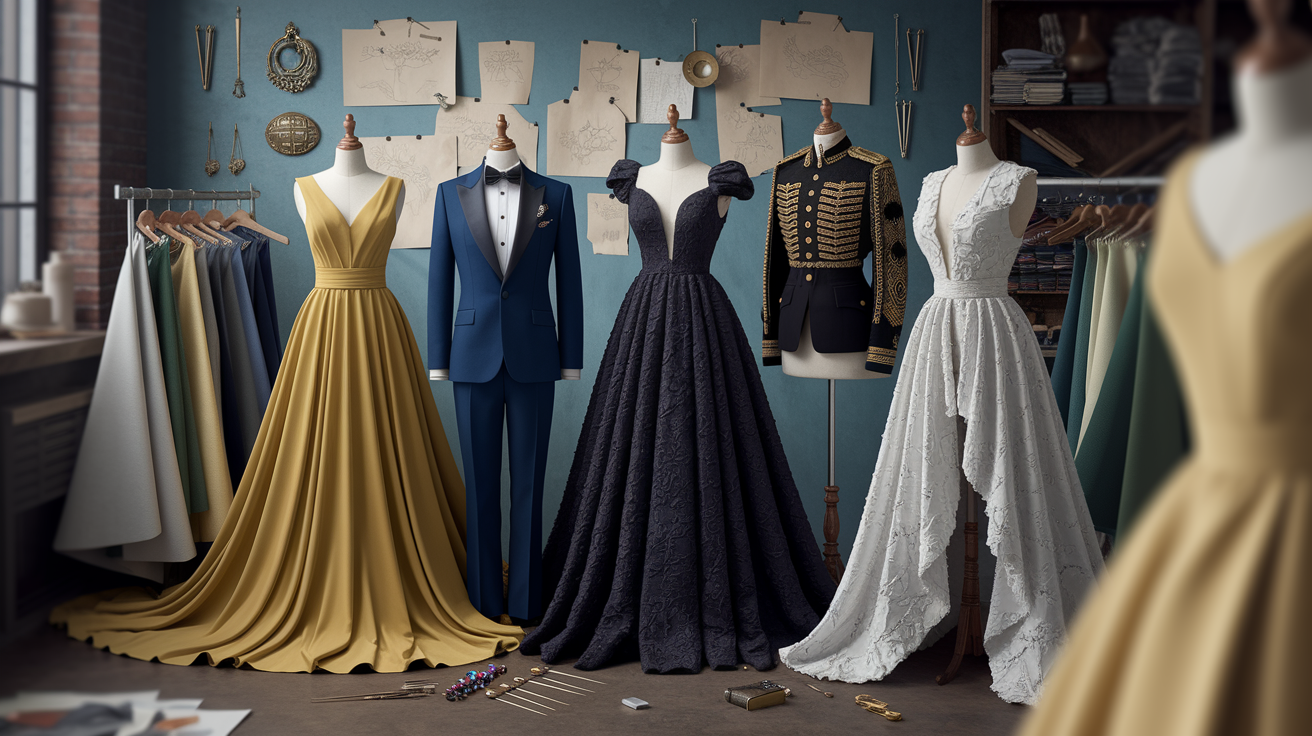
Lemonade’s wardrobe pulls from a global roster of luxury fashion houses, Southern tailors, African artisans and bespoke costume makers. The styling team (led by Beyoncé’s long-time collaborators) mixed couture runway pieces with street codes, archival references and made-to-measure garments designed for movement and choreography. The result is a visual album that feels simultaneously high fashion and deeply vernacular, oscillating between Parisian couture and church pews, ballrooms and plantation porches.
The breadth of designers reflects the album’s thematic range. Roberto Cavalli supplied the flowing yellow dress in “Hold Up,” a piece that became the film’s most circulated image. Gucci, Givenchy and Balmain contributed tailored silhouettes and structured looks that anchor the rage and accountability sequences. Alexander McQueen and Maison Margiela appear in experimental cuts and conceptual pieces that emphasize sculptural form and emotional extremity. Versace and DSquared2 add glam and edge, especially in sequences that channel rock iconography and street defiance. Many looks were custom-commissioned or archival pulls rather than off-the-rack, ensuring each garment fit the narrative beat and choreography demands.
Roberto Cavalli
Roberto Cavalli designed the flowing yellow gown worn in “Hold Up,” the single most iconic look in the visual album. The dress moves like liquid as Beyoncé walks through flooded streets, swinging a baseball bat and smashing car windows. The silhouette is deliberately theatrical: long, billowing and sun-bright, channeling Oshun, the Yoruba goddess of rivers and renewal, while the color codes defiance and joy reclaimed from betrayal.
Gucci
Gucci contributed tailored pieces that appear in several chapters, especially during the Accountability and Reformation sequences. The house’s signature sharp tailoring and bold prints helped define looks that balance femininity with power, echoing the album’s tension between vulnerability and self-possession.
Givenchy
Givenchy supplied structured, elegant silhouettes used in reconciliation and resurrection scenes. The house’s clean lines and architectural cuts anchor moments where Beyoncé shifts from rage to reflection, using restraint and precision to signal emotional control and regal composure.
Balmain
Balmain’s military-inspired tailoring and embellished pieces show up in “Formation” and other high-energy sequences. The house’s signature use of gold hardware, strong shoulders and structured bodices reinforces themes of armor, Black pride and unapologetic visibility.
Alexander McQueen
Alexander McQueen contributed experimental, sculptural pieces that emphasize emotional extremity and conceptual storytelling. The brand’s dark romanticism and theatrical silhouettes fit the gothic Southern aesthetic and the album’s exploration of grief, rage and transformation.
Maison Margiela
Maison Margiela’s deconstructed, avant-garde pieces appear in scenes that push visual boundaries, moments where the wardrobe itself becomes a statement about fragmentation, reconstruction and the refusal of conventional femininity. The house’s conceptual approach mirrors the album’s layered narrative structure.
How Wardrobe and Lyrical Themes Interact in Lemonade
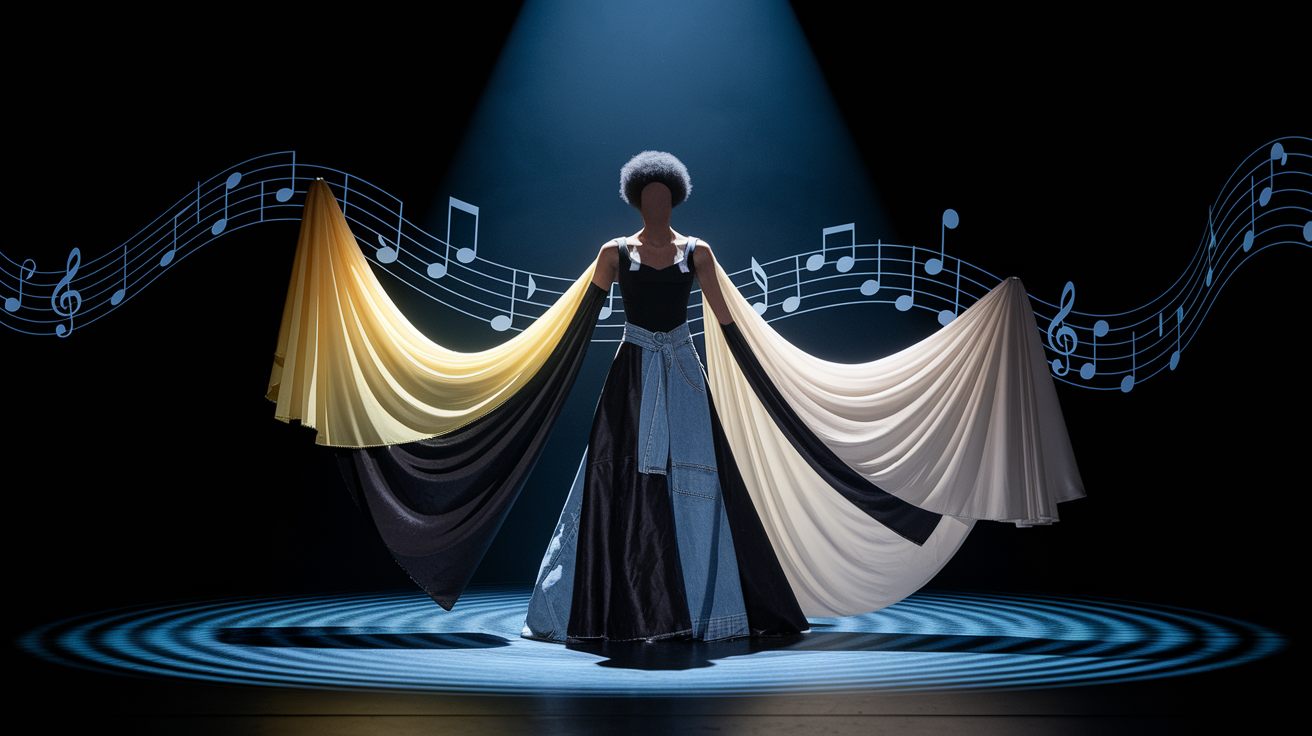
In Lemonade, costume operates as a visual stanza. Each outfit change reinforces lyrical content and emotional shifts without needing subtitles or exposition. When Beyoncé sings about betrayal in “Hold Up,” the yellow Cavalli dress and baseball bat stage the fury as joyful spectacle rather than private grief. The wardrobe externalizes internal rupture, making abstract emotions (humiliation, rage, reconciliation) physically legible. The baseball bat becomes a prop for reclaiming agency, the yellow fabric a refusal to shrink or hide.
“Don’t Hurt Yourself” pairs militant black leather with a Malcolm X audio clip and lyrics that call out complicity and self-hatred. The studs, heavy eyeliner and aggressive silhouettes mirror the song’s sonic fury. There’s no softness in the costume because there’s no forgiveness in the lyric. By contrast, “All Night” shifts to softer fabrics, family tableaux and diverse couples embracing, visually enacting the lyrics about rebuilding and choosing love after betrayal. The wardrobe doesn’t just illustrate the narrative, it deepens it, adding historical, cultural and emotional layers that the music alone can’t carry.
Denim and workwear show up in house-demolition scenes, grounding the album in everyday Black womanhood and labor. These aren’t red-carpet gowns, they’re the clothes of durability, inheritance and generational resilience. When the film moves to bridal whites in reconciliation sequences, the costume reframes marriage rituals through the lens of forgiveness and reclamation rather than tradition or submission. Every visual choice serves the lyric, but it also expands it, connecting personal heartbreak to collective history, ancestry and cultural memory.
Four lyrical-to-visual correlations:
- Infidelity and public shaming — “Hold Up” yellow dress and bat stage betrayal as theatricalized resistance rather than private shame.
- Rage and self-possession — “Don’t Hurt Yourself” black leather and studs enact fury physically, mirroring Malcolm X audio and lyrical confrontation.
- Ancestral memory and solidarity — “Freedom” and “Sorry” use synchronized choreography, African textiles and communal dress to visualize collective strength.
- Forgiveness and restoration — “All Night” wedding imagery and soft fabrics depict rebuilding, family reunion and chosen reconciliation.
Costume Craft: Styling, Tailoring, and Production Process on Lemonade

Lemonade’s wardrobe wasn’t pulled from a single rack. It required months of archival research, custom tailoring and collaboration across stylists, milliners, textile artists and choreographers. The production team mapped each of the 11 chapters to an emotional phase and identified costume codes that could signal those shifts without dialogue. Designers submitted archival pieces, runway samples and bespoke proposals, which were then modified for movement, durability and symbolic clarity. Many looks were made-to-measure to accommodate choreography: fabrics had to flow during group sequences, leather had to bend for stunts, and headpieces had to stay secure through water scenes and demolition work.
The team incorporated African diasporic references through direct consultation with cultural historians and artisans. Ori makeup, Maasai jewelry and Yoruba textiles weren’t costumes in the generic sense. They were sourced or recreated with attention to spiritual and cultural significance. Southern references came through collaboration with Black Southern tailors and vintage collectors who understood the visual language of Creole churches, Black cowboy culture and antebellum resistance aesthetics. The result is a wardrobe that feels both couture and vernacular, blending high fashion with lived history.
| Process Stage | Purpose | Example |
|---|---|---|
| Archival Research | Ground costume choices in historical and cultural accuracy | Igbo Landing imagery, Yoruba Ori makeup, Black Western attire |
| Custom Tailoring | Fit garments to choreography and symbolic intent | Yellow Cavalli dress modified for water and movement; leather pieces adjusted for stunts |
| Collaborative Styling | Blend couture, streetwear and cultural references into cohesive narrative | Mix of Givenchy tailoring, African textiles and everyday denim across chapters |
Things to Keep in Mind When Interpreting Lemonade’s Wardrobe
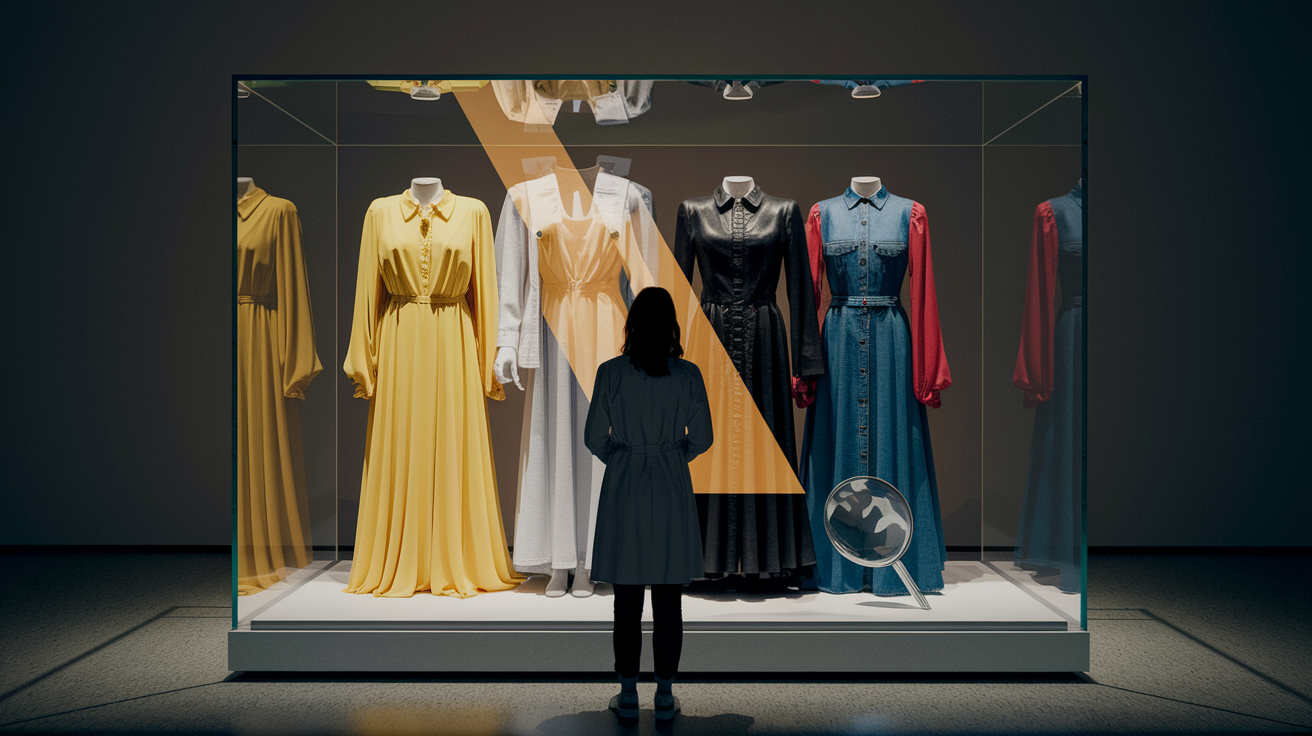
Lemonade’s costume symbolism rewards close reading, but it’s also designed to work on multiple levels. You don’t need a degree in African diasporic history to feel the emotional impact of the yellow dress or the white robes. Still, deeper familiarity with Yoruba spirituality, Igbo Landing and Southern Black visual codes enriches interpretation. Critics widely agree that the wardrobe is one of the album’s most enduring cultural contributions, but audience readings vary based on background, exposure to African and Southern aesthetics, and personal connection to themes of infidelity, grief and reclamation.
The 11-chapter structure intentionally flexes aesthetics to reflect emotional range and the multiplicity of Black female identity. That means there’s no single “correct” costume code. Rage can look like leather or denim, forgiveness can show up in bridal whites or everyday family clothes. The album resists a tidy visual thesis because it’s modeling complexity rather than a linear argument. When decoding a look, it helps to ask what chapter it falls in, what lyrical content it accompanies, and what cultural or historical reference it might be invoking.
Three reminders for readers decoding symbolism:
- Context matters — the same color or fabric can mean different things depending on the chapter, lyric and cultural reference in play.
- Wardrobe is collaborative — the looks reflect input from designers, stylists, cultural historians and Beyoncé herself. They’re intentional, not accidental.
- Symbolism layers — a single outfit can operate on personal, historical and spiritual levels at once. There’s rarely just one “right” reading.
Final Words
In Lemonade the clothes do the heavy lifting, moving the story from hurt to healing through carefully chosen looks and credited designers. We summed up the standout outfits, the emotional color map, cultural references, and the teams who stitched it all together.
For anyone decoding Beyoncé Lemonade wardrobe symbolism and designers, the big idea is clear: every costume is a deliberate voice, blending heritage, emotion, and couture into a single visual argument. It’s powerful, layered, and oddly uplifting.
FAQ
Q: What is the meaning behind Beyoncé Lemonade?
A: The meaning behind Beyoncé’s Lemonade is an 11-chapter visual album exploring infidelity, Black womanhood, ancestral reclamation, and emotional healing—using music, imagery, and wardrobe to map betrayal, anger, forgiveness, and renewal.
Q: Why did Target refuse to sell Beyoncé’s album?
A: Target refused to sell Beyoncé’s album because it was tied to exclusive streaming or distribution arrangements and retail content policies—stores sometimes avoid streaming-first releases or items that conflict with their business or content rules.
Q: What did Bell Hooks criticize about Beyoncé?
A: Bell Hooks criticized Beyoncé for promoting a market-friendly, depoliticized image of Black womanhood that risks being commodified, arguing it can sideline deeper structural critiques of power, race, and class.
Q: What inspired Beyoncé to write Lemonade?
A: Beyoncé was inspired to write Lemonade by personal betrayal and marital struggle, Southern Black history and culture, African diasporic spirituality, and a desire to center collective Black womanhood and healing.