
Which Met Gala looks truly make fashion into art, and which just hang a painting on a body?
On May 4, 2026, under the Costume Art exhibit and the dress code Fashion is Art, critics will dissect every stitch for meaning.
From second-skin illusions to exposed ribcages and unfinished seams, the red carpet asks whether a dress reshapes what a body can mean.
Here, fashion critics analyze Met Gala dress symbolism and theme interpretations, weighing creative risk against lazy literalism and calling out the looks that actually answer Bolton’s brief.
Met Gala 2026: “Costume Art” and “Fashion is Art”
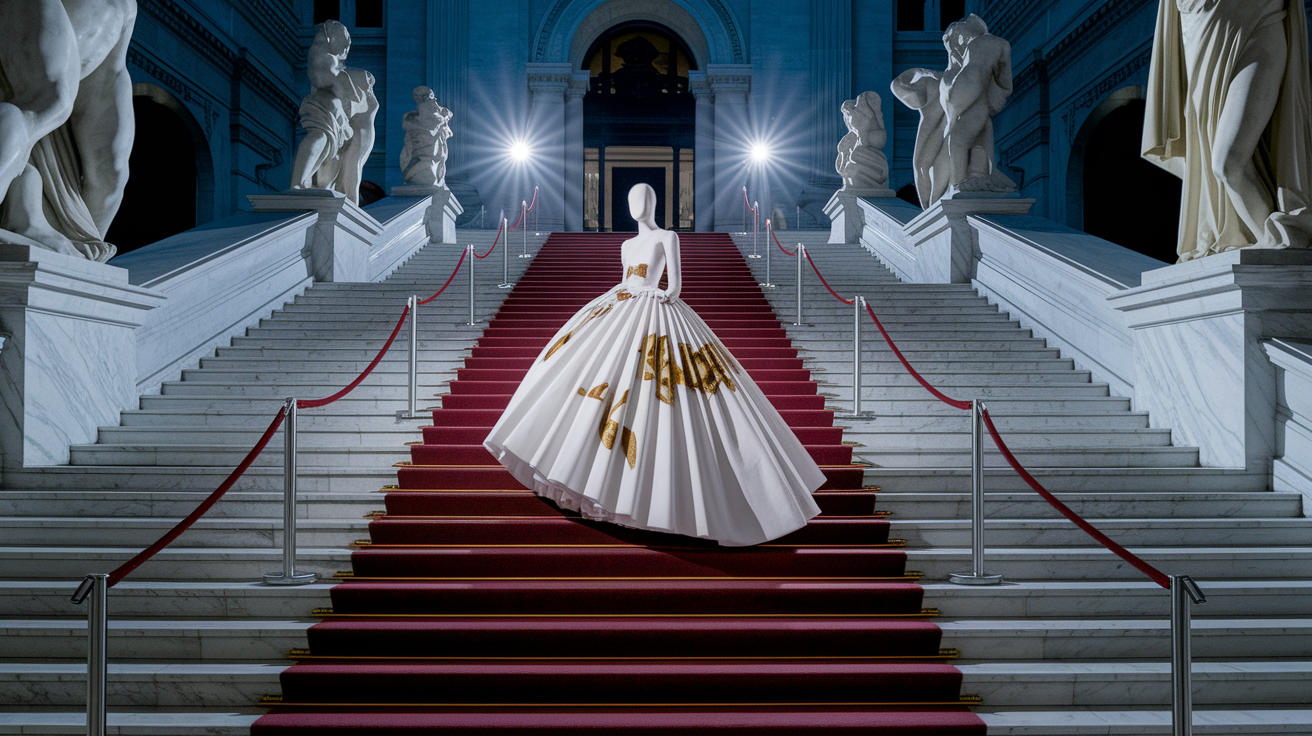
On May 4, 2026, the Met Gala red carpet will unfold under the exhibition title Costume Art and dress code Fashion is Art. The theme centers on the dressed body, pairing garments with works of art and exploring how clothing becomes inseparable from the form it covers. Head curator Andrew Bolton warned guests against literal translations: no direct costume replicas of paintings, no wearable Warhols. He wants imagination, conceptual fidelity, symbolic depth.
The exhibition organizes its narrative around distinct bodily categories: the Naked Body, the Classical Body, the Pregnant Body, the Aging Body, the Anatomical Body, and the Mortal Body. Each acts as a lens through which fashion designers and artists have historically interpreted form, structure, vulnerability, transformation. Bolton’s framework asks attendees to consider clothing not as decoration but as a medium that reveals, reshapes, or reimagines the human form.
This thematic structure offers wide interpretive latitude. Past Met Galas succeeded when guests balanced reverence for the curatorial prompt with personal risk. Camp: Notes on Fashion (2019) and Heavenly Bodies: Fashion and the Catholic Imagination (2018) both delivered spectacle rooted in conceptual clarity. Karl Lagerfeld: A Line of Beauty (2023) leaned safe, prioritizing nostalgia over invention. The 2026 theme sits closer to the former category: open enough to reward creativity, specific enough to punish laziness.
Seven Interpretive Categories to Watch
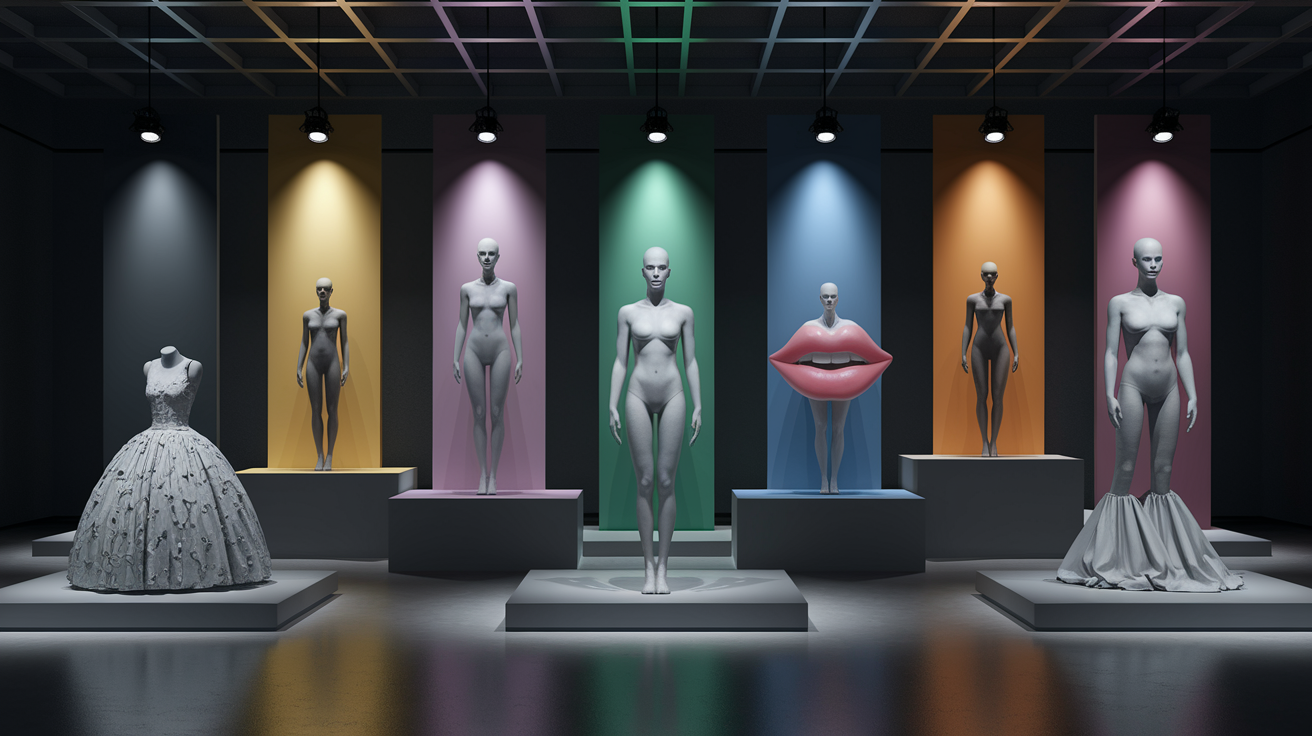
The Body as a Canvas
Expect garments that treat fabric like painted surface. Hand-worked embroidery, trompe l’oeil brushstrokes, printed fine-art reproductions will dominate this category. Emma Chamberlain’s 2026 Mugler look was hand-painted by artist Anna Deller-Yee and referenced the brand’s 1997 archives. The fabric evoked Impressionist color theory, with layered pigment that nodded to Vincent van Gogh’s Garden in Arles.
Close-ups of these garments reveal technique: individual brushstrokes rendered in thread, dye gradients that mimic oil-on-canvas texture, placement that considers the body’s curves as compositional elements. Designers like Dior, Valentino, and Matthieu Blazy at Chanel have shown couture that incorporates painted panels or embroidered art-historical motifs. On the red carpet, look for gowns that require the wearer to stand still for the image to “read.” Literal canvases draped over living frames.
Second Skin and First Skin
This category plays with trompe l’oeil “naked” illusions: garments engineered to look like bare skin, tattooed flesh, or birthmarks rendered in fabric. Zendaya’s past experiments with skin-toned sculptural pieces set a precedent. In 2026, expect full-body suits printed with anatomical detail and textiles that mimic human texture under stage lighting.
The ethical and symbolic stakes run deeper here. In 2016, Central Saint Martins student Tina Gorjanc filed a patent application to grow lab-cultured skin from Alexander McQueen’s DNA, sparking debate about consent, legacy, the boundaries of fashion-as-art. Second-skin garments tap into that discomfort. They blur the line between adornment and identity, between surface and self. Look for designers like Iris van Herpen or Robert Wun, both known for bio-mimetic materials and body-mapping techniques, to push this category into conceptual territory that critiques beauty standards or explores bodily autonomy.
Boning and Exoskeletal Structure
Externalized corsetry, ribcage motifs, spinal imagery will translate Bolton’s “Anatomical Body” theme most literally. Vivienne Westwood’s archive and contemporary interpretations by Mugler, Balmain, and Jean Paul Gaultier offer blueprints: boning that sits on top of fabric rather than hidden beneath, or garments that render the skeleton visible through cutouts, embroidery, 3D-printed elements.
Thom Browne’s Fall/Winter 2024 collection featured a dress with exposed-muscle detailing. Sinew and fascia rendered in fabric appliqué. On the red carpet, expect similar anatomical frankness: dresses that show ribs, corsets shaped like vertebrae, shoulder pieces that echo clavicle structure. Lisa’s 2026 look used 3D scanning to create sculptural shoulder forms that extended her natural bone structure into architectural volume. The result read as both protective shell and anatomical diagram. A literal interpretation of the body as both canvas and frame.
| Motif | Designer Examples | Key Visual Elements |
|---|---|---|
| Externalized ribcage | Vivienne Westwood, Mugler, Balmain | Boning on surface, cutouts revealing structure, embroidered bone lines |
| Spinal column | Alexander McQueen, Iris van Herpen | Vertical seams, articulated segments, 3D-printed vertebrae |
| Muscle and fascia | Thom Browne, Robert Wun | Layered appliqué, ombré shading, exposed “sinew” in sheer panels |
I Am Become Art: Literal Art-as-Dress
This is the trap Bolton warned against. And the category most likely to produce both the night’s biggest risks and its most derided missteps. Dolce & Gabbana has built entire collections around printed fine-art reproductions: Botticelli Venuses, Baroque cherubs, classical frescoes scaled onto silk. In 2026, expect at least a handful of guests to arrive wearing actual paintings, or garments so faithful to a single artwork that they function as three-dimensional gallery labels.
The challenge here is making literalism feel intentional rather than lazy. Moschino’s Jeremy Scott has successfully walked this line by pairing art-print gowns with camp humor and self-aware styling. But an unadorned Mona Lisa gown reads as costume, not couture. Watch for styling cues: if the hair, makeup, and accessories all reinforce a single art-historical reference, the look gains coherence. If the dress does all the work alone, it flattens into a gimmick.
Schiaparelli and Surrealist Legacy
Elsa Schiaparelli’s 1938 skeleton dress remains one of fashion history’s most direct fusions of body and art. Created in collaboration with Salvador Dalí, the garment featured a trompe l’oeil ribcage and spine, rendering the wearer’s skeleton visible through fabric. Current Schiaparelli creative director Daniel Roseberry has revived that surrealist vocabulary: his Spring 2026 couture included a raffia bodice shaped like breasts, worn by Emily Blunt at a recent premiere.
Schiaparelli’s legacy offers red-carpet guests a clear historical anchor. Expect surrealist motifs: lobsters, lips, eyes, hands rendered in embroidery, appliqué, or sculptural elements. The brand’s collaboration with Dalí also established a template for fashion-as-provocation, garments that unsettle, humor, and challenge the viewer’s expectations of what clothing should “do.” Look for pieces that incorporate unexpected materials (hair, feathers, taxidermy-adjacent forms) or optical illusions that shift meaning depending on viewing angle.
The Contorted Body: Comme des Garçons and Prosthetic Forms
Rei Kawakubo’s Body Meets Dress, Dress Meets Body collection (Spring/Summer 1997) introduced “lumps and bumps,” prosthetic padding that distorted the body’s natural silhouette into new, often uncomfortable shapes. Her Fall/Winter 2017 collection extended this logic, using exaggerated volumes to question assumptions about proportion, beauty, function.
In 2026, expect designers and stylists to revisit Kawakubo’s vocabulary: hunchbacks, asymmetrical protrusions, garments that make movement difficult or ungainly. These looks critique the red carpet’s obsession with flattering fit and conventional beauty. They also align with Bolton’s curatorial interest in the body as a site of transformation and discomfort. Viktor & Rolf, Maison Margiela, and emerging designers influenced by Kawakubo’s deconstruction will likely deliver the most radical examples.
Prosthetic elements, extra limbs, exaggerated bellies (especially relevant given the exhibit’s “Pregnant Body” category), or sculptural additions that obscure the wearer’s actual form will push this category furthest. Watch for how these looks photograph: from certain angles, the prosthetics may read as elegant volume. From others, as deliberate monstrosity.
The Unfinished Art and the Process
This category celebrates garments that expose their own construction: visible seams, raw hems, painter’s smocks, maker’s marks left intact. The premise is that fashion is both product and process. That showing the labor behind a garment can be as conceptually rich as presenting a polished final object.
Maison Margiela pioneered this aesthetic in the 1990s, leaving garment linings visible, stitching exposed, fabric edges unhemmed. In 2026, expect red-carpet interpretations that incorporate tools of the trade, scissors, pins, measuring tape, either as embellishment or as functional elements. Garments may arrive looking deliberately “unfinished,” with trailing threads, basted seams, or sections left as muslin toiles.
The risk here is reading as under-prepared rather than conceptually daring. Styling will need to signal intentionality. If the rest of the look is polished (hair, makeup, accessories), the unfinished garment reads as statement. If the entire presentation feels rushed, it collapses into mess.
Historical Anchors and Archival Comparisons
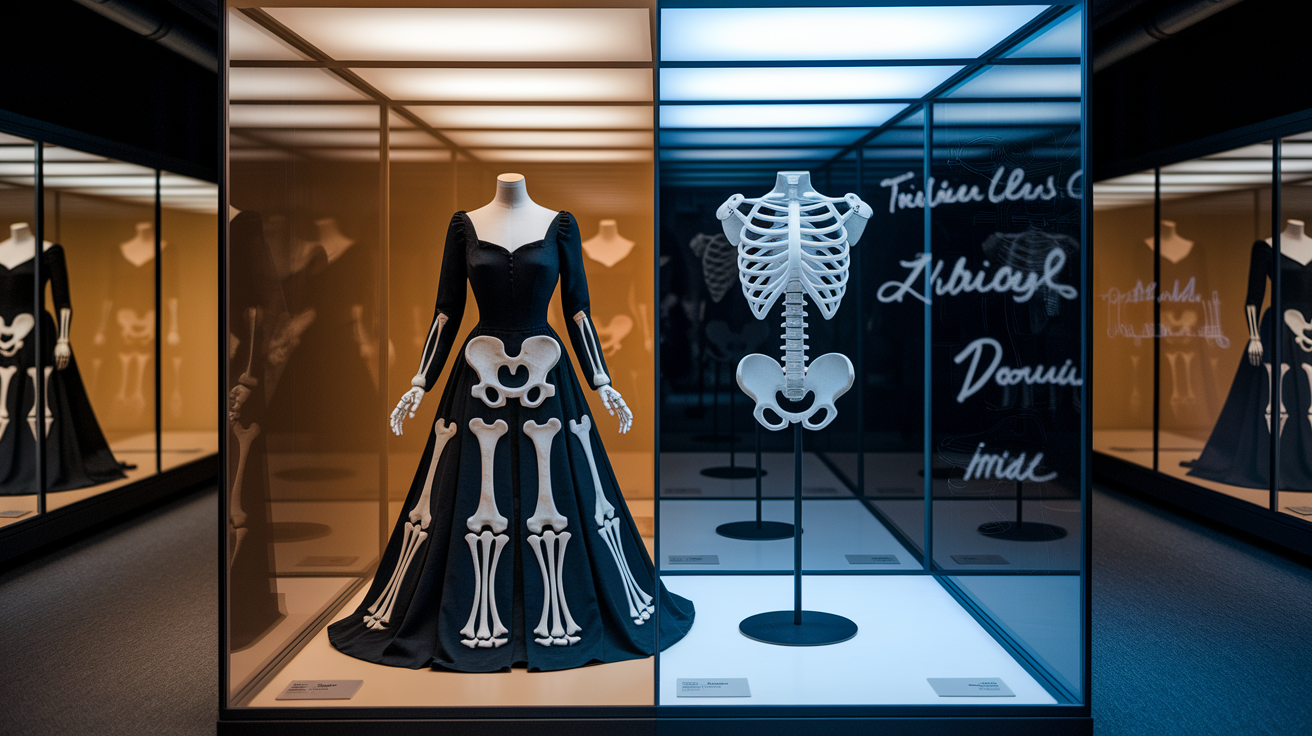
To decode the 2026 red carpet, viewers need reference points. Elsa Schiaparelli’s 1938 skeleton dress remains the foundational text for anatomical fashion. Place a contemporary interpretation, say, a 3D-printed ribcage corset by Iris van Herpen, next to Schiaparelli’s original, and the lineage becomes clear. Both use the body’s interior structure as surface decoration. Both ask the viewer to confront mortality and fragility as part of beauty.
Rei Kawakubo’s Spring/Summer 1997 Body Meets Dress collection offers another essential comparison. The original “lumps and bumps” were padded gingham and cotton, deliberately unglamorous. A 2026 interpretation might use inflatable silicone or digitally fabricated prosthetics, but the conceptual through-line, challenging normative bodies and celebrating discomfort, remains constant. Side-by-side images reveal how material innovation updates the original provocation without diluting it.
Thom Browne’s Fall/Winter 2024 exposed-muscle dress provides a recent precedent for anatomical literalism. Compare it to Robert Wun’s sculptural layering in Spring/Summer 2023, and the shift from surface decoration (Browne’s appliqué sinew) to volumetric storytelling (Wun’s marble-block-to-anatomy reveal) becomes apparent. These comparisons help critics and audiences evaluate whether a 2026 look is derivative or iterative. Whether it adds new formal or conceptual ideas or simply restages past successes.
Celebrity-Designer Pairings and Symbolic Fit
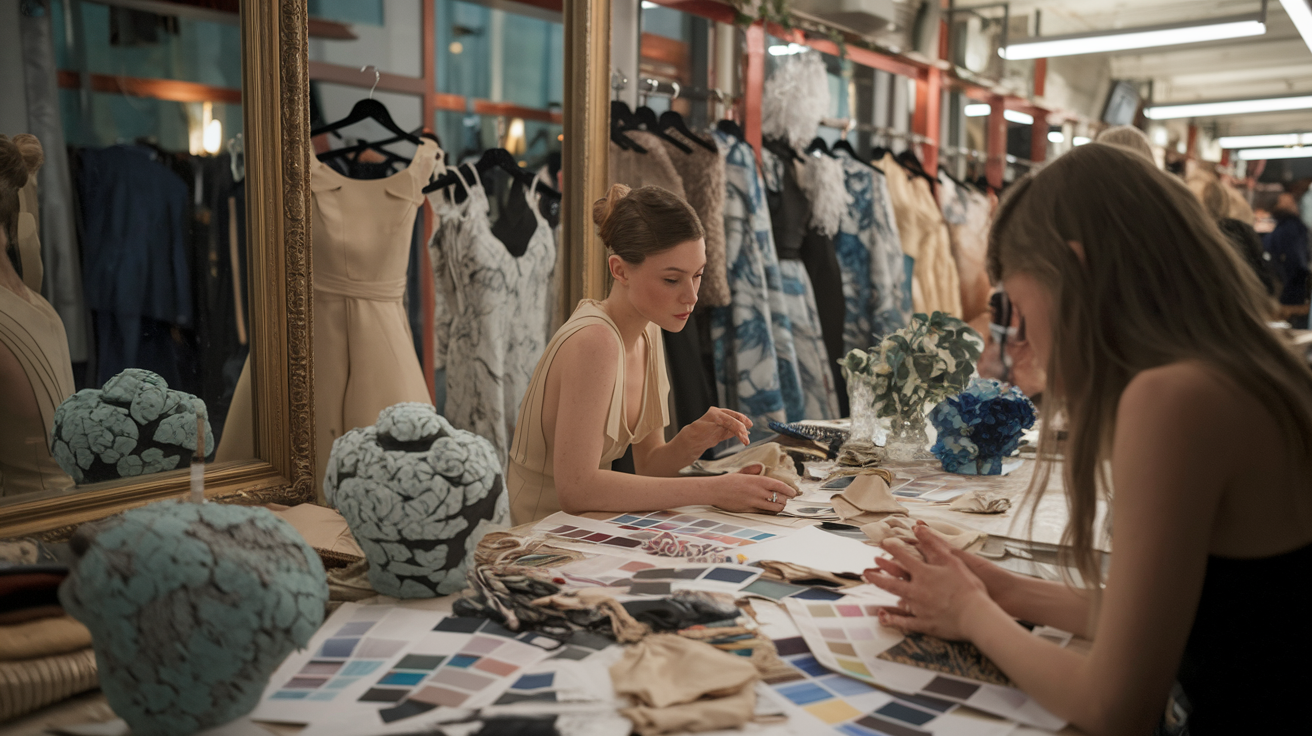
Certain celebrities and designers share aesthetic languages. Zendaya and Law Roach have built a red-carpet practice around fashion-as-narrative: every look tells a story, references an archive, or stages a conceptual argument. For 2026, expect Zendaya in something that plays with skin, structure, or surrealism. Likely from Mugler, Schiaparelli, or a custom collaboration with an emerging designer known for body-mapping techniques.
Anya Taylor-Joy’s recent partnership with Dior positions her as a candidate for classical references: Grecian draping, bust-like silhouettes, garments that evoke marble sculpture. Her styling history favors clean lines and art-historical allusion over chaos or camp. A Dior gown referencing the “Classical Body” category, perhaps with trompe l’oeil drapery that mimics stone folds, would align with both her aesthetic and the house’s archival strengths.
Janelle Monáe’s 2026 Christian Siriano look, combining cables, moss, living plants, and animatronic butterflies, illustrates how celebrity-designer pairings can function as collaborative manifestos. Monáe’s public persona emphasizes technology, futurism, environmental consciousness. Siriano’s garment translated those themes into wearable sculpture. The result was a garment that worked as fashion, performance, and political statement.
Other likely pairings:
Doja Cat × Iris van Herpen: Bio-mimetic materials, alien silhouettes, boundary-pushing body modification.
Kim Kardashian × Balenciaga or Maison Margiela: Archival references, sculptural volume, high-concept minimalism.
Lady Gaga × Schiaparelli or Thom Browne: Surrealism, anatomical motifs, performative risk.
Each pairing succeeds when the designer’s formal vocabulary and the celebrity’s public image overlap. Mismatches (say, a celebrity known for safe glamour in a deconstructed Comme des Garçons piece) create dissonance that can read as either adventurous or awkward, depending on styling and confidence.
Critic Commentary and Curatorial Interpretation

Fashion critics evaluate Met Gala looks against two criteria: fidelity to the curatorial theme and originality of interpretation. Andrew Bolton’s guidance (avoid literalism, embrace imagination) sets a high bar. A garment can be technically flawless yet conceptually lazy if it simply reproduces an artwork without adding new formal or symbolic ideas.
Bolton’s own curatorial practice values layering: garments that reference multiple art-historical moments, that complicate their own narratives, or that expose tensions between body and dress. His 2018 Heavenly Bodies exhibition succeeded because it acknowledged fashion’s relationship to Catholicism as both reverent and transgressive, sacred and profane. The 2026 theme asks for similar complexity: garments that treat the body as both subject and object, canvas and sculpture, mortal and transcendent.
Critics will likely praise looks that demonstrate craft and concept. Naomi Osaka’s Robert Wun gown required over 3,000 hours of labor and staged a two-part reveal from marble block to anatomical form. It hits both marks. It shows technical mastery (the outer shell’s construction, the fitted underlayer’s tailoring) and conceptual coherence (the narrative of sculpture coming to life, of form emerging from raw material).
Conversely, looks that rely solely on brand recognition or surface spectacle will face sharper scrutiny. A Dolce & Gabbana gown printed with a Botticelli Venus may be beautiful, but without additional styling, material innovation, or symbolic layering, it reads as a missed opportunity. Critics increasingly ask: what does this garment say beyond “I’m expensive” or “I know art history”?
Bolton’s warning against literalism also opens space for unexpected interpretations. A guest who arrives in a deconstructed painter’s smock, covered in real paint, with tools incorporated into the garment, takes a risk. But if the styling and presentation commit fully to the concept, it can read as more daring than a technically perfect but predictable gown. The 2026 red carpet will reward guests who understand the assignment and then exceed it.
Visual Analysis: Close-Ups and Construction Details
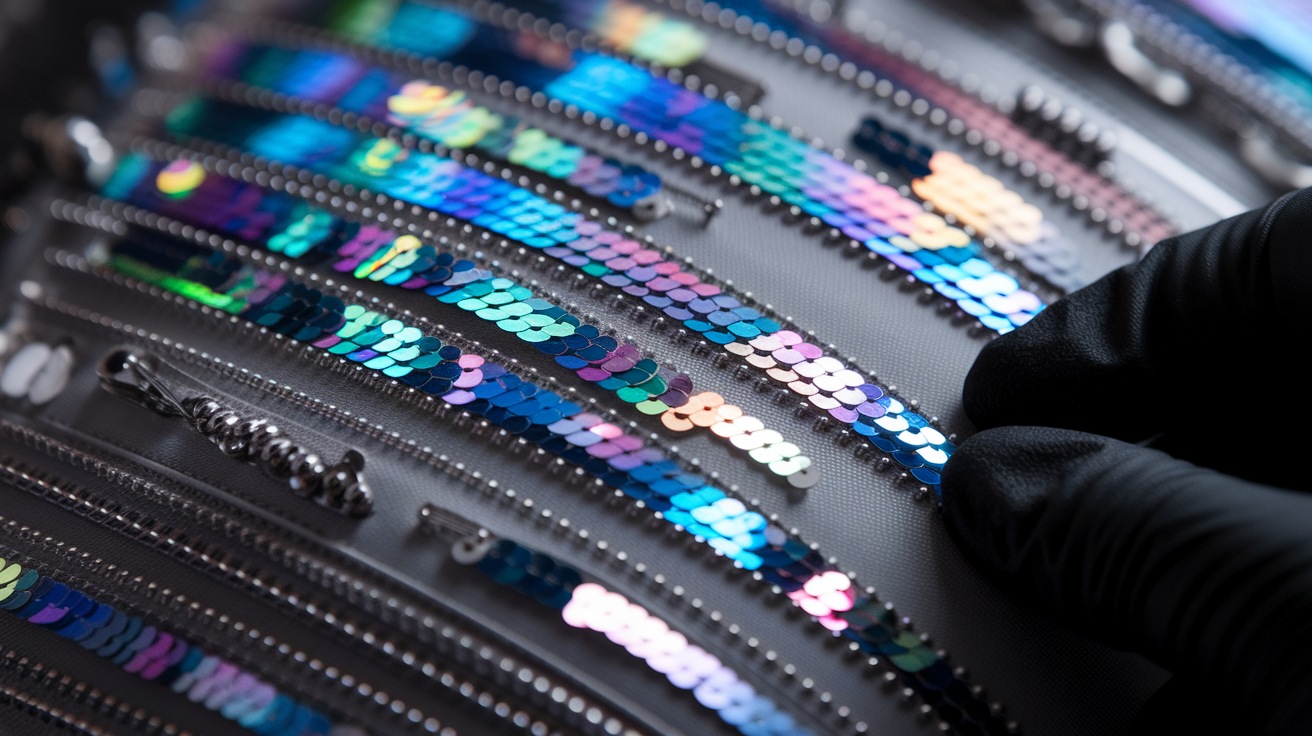
To fully decode a Met Gala look, close-up photography is essential. Chase Infiniti’s Thom Browne gown used approximately 1.5 million sequins in over 600 shades to create a trompe l’oeil brushstroke effect. From a distance, the gown read as painted. Up close, the sequins’ individual placement became visible, revealing the labor and technique behind the illusion. The Venus de Milo inspiration (classical sculpture reinterpreted through textile) added a layer of art-historical reference that enriched the overall narrative.
Emma Chamberlain’s Mugler gown, hand-painted by Anna Deller-Yee, similarly required close inspection to appreciate its craft. The fabric’s surface showed layered pigment, brushstroke texture, color gradients that mimicked Impressionist technique. The 1997 Mugler archive reference (visible in the gown’s tailored bodice and draped skirt) grounded the look in fashion history while the painterly surface pushed it into fine-art territory.
Anok Yai’s Balenciaga look used sculptural volume to reference Cristóbal Balenciaga’s 1949 silhouettes. The hooded structure and bronze-effect makeup evoked religious iconography, specifically the Black Madonna. Close-ups revealed the fabric’s weight and drape, the hood’s architectural construction, the makeup’s metallic finish. All elements that contributed to the look’s symbolic resonance.
Key visual elements to watch in 2026:
Embroidery detail: Hand-worked motifs, thread gradients, stitching patterns that mimic painting or drawing.
Boning and structure: Visible corsetry, 3D-printed elements, exoskeletal forms.
Material texture: Fabric that mimics skin, stone, metal, or organic materials. Trompe l’oeil effects that shift depending on distance and lighting.
Prosthetic additions: Padding, sculptural protrusions, body-modification elements that alter silhouette.
Unfinished elements: Raw hems, visible seams, maker’s marks, incorporated tools.
Each of these details tells part of the garment’s story. A gown may appear simple from a distance, but close-ups can reveal hours of hand labor, conceptual depth, or technical innovation that transforms the look from pretty to profound.
Material-Driven Narratives and Symbolic Choices
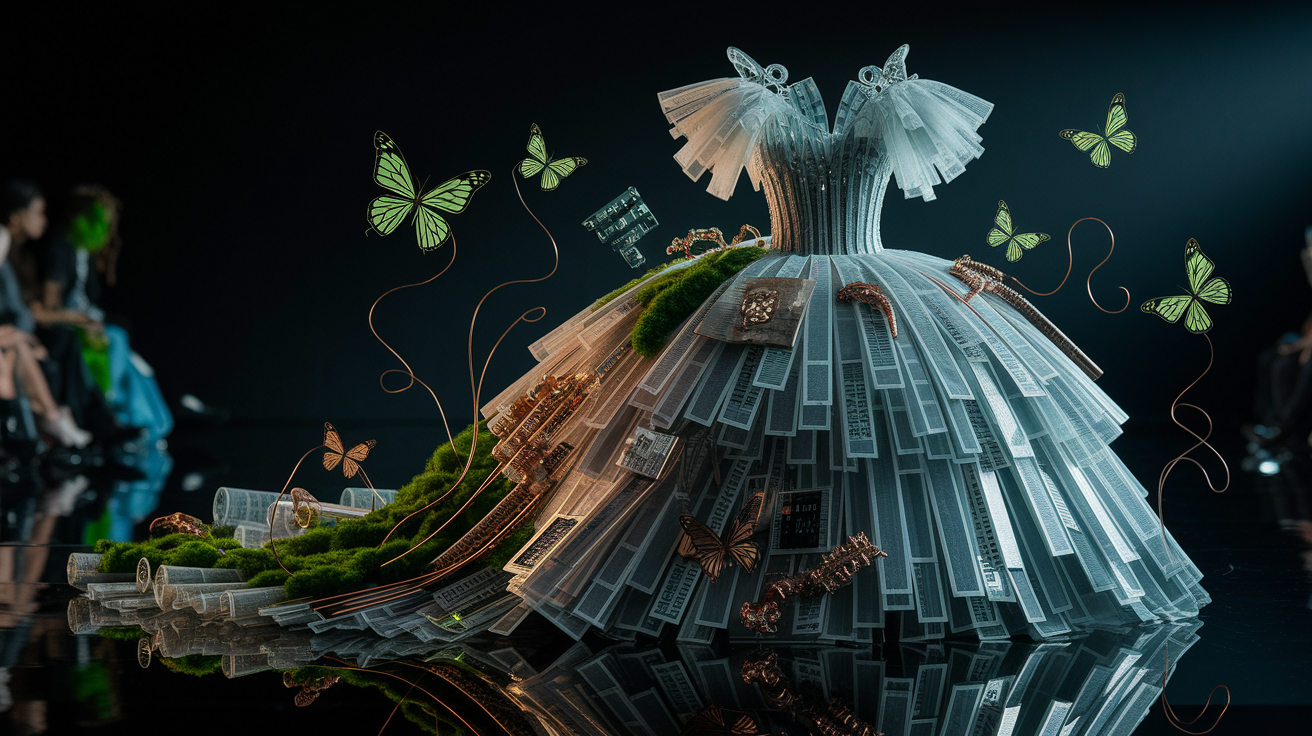
Material itself can carry meaning. Sabrina Carpenter’s 2026 dress used authentic film strips as its primary fabric, turning the garment into a meditation on archives, image-recording, the physicality of media. The choice of film (analog, tangible, vulnerable to decay) added layers of nostalgia and mortality to the look. It aligned with the “Mortal Body” category by linking the dress to impermanence and the passage of time.
Janelle Monáe’s Christian Siriano gown combined cables, electronic fragments, moss, living plants, and animatronic butterflies. The juxtaposition of technology and nature staged a dialogue between the built environment and the organic world, between systems of control (cables, electronics) and systems of growth (moss, plants). The animatronic butterflies (alive in appearance but mechanical in function) blurred the line between natural and artificial, echoing debates about biotechnology, environmental collapse, the future of life on Earth.
These material choices succeed because they’re legible: viewers can decode the symbolism without needing a press release. Film reads as archive and memory. Moss and cables read as nature versus technology. The garments become conversation starters, inviting interpretation and debate in ways that purely decorative pieces don’t.
Other materials likely to appear in 2026:
Lab-grown or bio-fabricated textiles: Echoing the Tina Gorjanc / Alexander McQueen DNA debate, these materials raise ethical questions about consent, legacy, the boundaries of fashion.
Recycled or upcycled elements: Scraps, repurposed garments, or industrial waste transformed into couture, aligning with sustainability conversations.
Organic and living materials: Flowers, moss, mycelium, or bacteria-grown textiles that change over the course of the evening.
Digital and hybrid fabrics: LED-embedded textiles, projection-mapped surfaces, garments that respond to movement or environment.
Each material choice signals values, ideas, positions within larger cultural and political conversations. The best 2026 looks will use material as a primary narrative device, not just a technical footnote.
Ranking Criteria and Evaluative Rubric

To evaluate Met Gala looks fairly, critics and audiences need shared criteria. Here’s a rubric for ranking 2026 interpretations:
1. Conceptual Fidelity (30 points)
Does the look engage directly with the exhibition’s bodily themes (Naked, Classical, Pregnant, Aging, Anatomical, Mortal)? Does it respond to the “Fashion is Art” dress code in a way that goes beyond surface decoration?
2. Craft and Technical Execution (25 points)
Is the garment well-made? Do construction details (seams, embroidery, tailoring, material choice) demonstrate skill and innovation? Does the look hold up under close-up photography?
3. Originality and Risk (25 points)
Does the look break new ground, or does it recycle familiar references? Does it take a risk (formal, conceptual, or symbolic) that pushes the conversation forward?
4. Contextual Intelligence (20 points)
Does the look demonstrate awareness of fashion history, art history, or cultural context? Does it reference archives, past collections, or artistic movements in ways that add depth rather than just name-dropping?
A perfect score (100 points) would go to a look that hits all four criteria: deeply aligned with the curatorial theme, impeccably crafted, formally or conceptually original, and rich with historical and symbolic references. Lower scores indicate missed opportunities. Technical skill without conceptual depth, bold ideas executed poorly, or safe choices that coast on brand recognition.
The Shift from Decoration to Construction
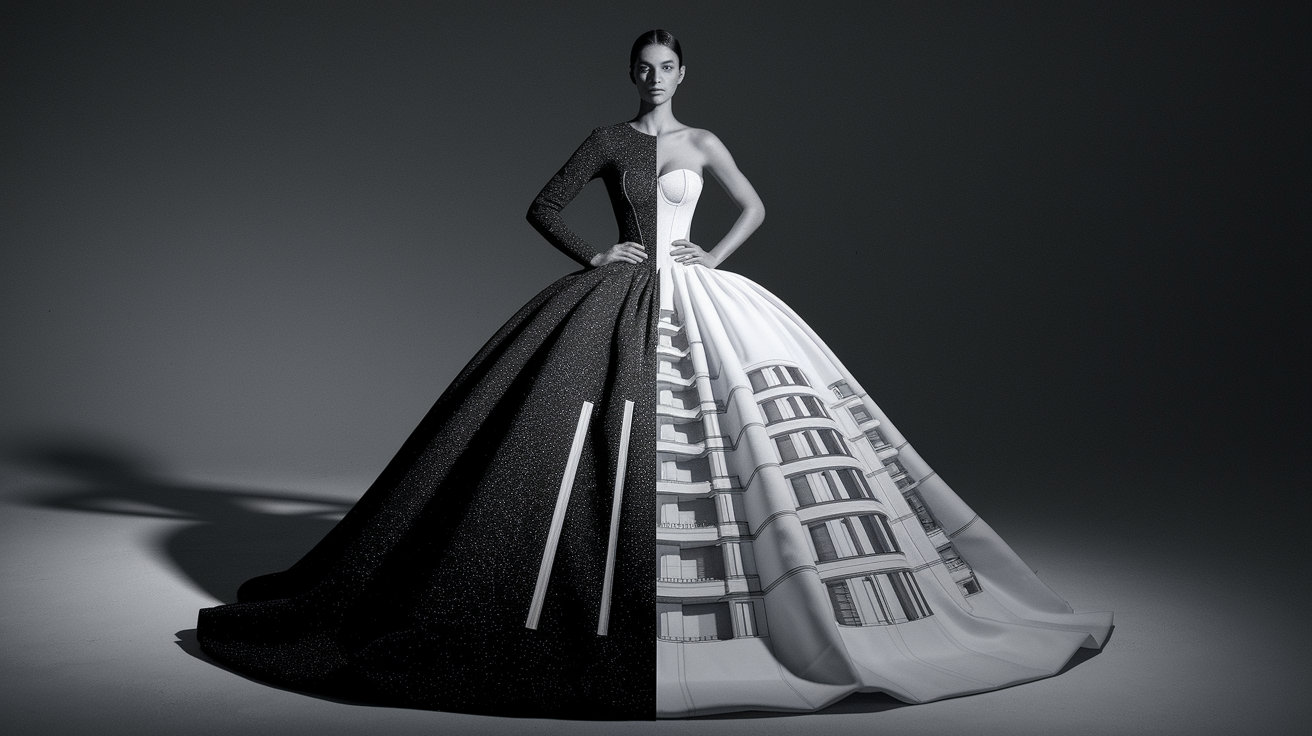
The 2026 Met Gala marks a shift in how red-carpet fashion is judged. For decades, the emphasis was on decoration: embellishment, color, sparkle, surface beauty. Gowns succeeded if they photographed well and made the wearer look glamorous. The “Fashion is Art” theme and Bolton’s curatorial framework demand more. Now, critics and audiences ask: what does the garment’s structure reveal about the body? How does its construction communicate meaning? What symbolic or conceptual work does the form itself perform?
This shift privileges designers who think sculpturally (Iris van Herpen, Robert Wun, Rei Kawakubo) and celebrities willing to wear garments that prioritize concept over conventional beauty. It also raises the stakes for styling: hair, makeup, and accessories must either reinforce the garment’s narrative or stay neutral enough not to distract from it.
The trend is already visible in critical reception. Naomi Osaka’s Robert Wun look earned praise not because it was pretty (though it was) but because its construction told a story: the outer shell as uncarved marble, the reveal as the moment sculpture becomes flesh. The garment’s form (its volume, its layering, its staged transformation) carried the narrative. Decoration (the fabric’s texture, the color palette) supported but didn’t lead.
Expect this prioritization to continue. Garments that rely solely on embellishment (even exquisite embellishment) will struggle to compete with looks that use structure, material, and form to stage conceptual arguments. The 2026 red carpet will reward guests who understand that fashion, like art, can be beautiful and intellectually rigorous.
Trends to Watch Post-2026
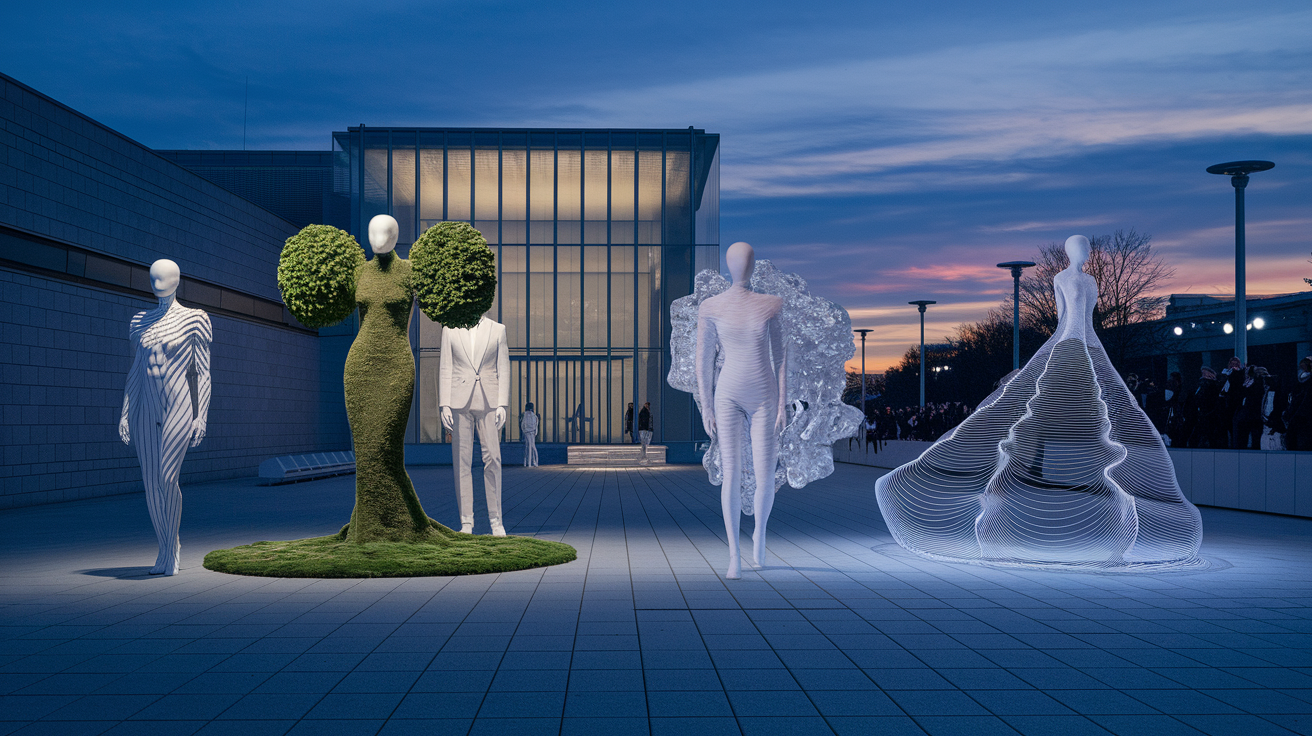
The Met Gala’s influence extends far beyond one night. Looks that succeed on the red carpet often shape campaigns, editorials, runway collections for the next 12 to 18 months. Based on early 2026 standouts, expect the following trends to gain traction:
3D Scanning and Body Mapping
Lisa’s sculptural shoulders, created via 3D scanning, demonstrate how digital tools can extend the body’s natural form into architectural volume. Designers and stylists will increasingly use scanning, digital rendering, and CNC fabrication to create garments tailored not just to measurements but to the wearer’s exact anatomical structure.
Material Experiments and Living Garments
Janelle Monáe’s moss-and-butterfly gown signals growing interest in garments that change over time. Fabrics that grow, decay, or respond to environment. These experiments align with sustainability conversations and offer formal innovation (garments that look different hour by hour) alongside conceptual depth (fashion as impermanent, living, fragile).
Menswear and Performative Accoutrements
Connor Storrie and Colman Domingo’s 2026 looks (featuring elongated scarves, textured fabrics, jewelry, and movable elements) point toward a more expressive, non-static menswear vocabulary. Expect designers to adopt accessories and layering techniques that add narrative and movement to men’s red-carpet looks, moving beyond traditional suiting.
Archival Referencing as Core Practice
Emma Chamberlain’s Mugler (1997 archive), Anok Yai’s Balenciaga (1949 silhouettes), and Chase Infiniti’s Venus de Milo inspiration all demonstrate how archival references add legitimacy and depth. Designers and stylists will continue mining fashion history and art history for motifs, silhouettes, techniques that can be reinterpreted for contemporary audiences.
Red Carpet as Installation
Naomi Osaka’s two-stage reveal, Sabrina Carpenter’s film-strip dress, and Janelle Monáe’s hybrid nature-tech garment all function as more than clothing. They’re moving sculptures, performances, or installations that happen to be worn. This trend will push celebrities and designers to think beyond “look good in photos” toward “create a moment that generates conversation, debate, and repeat viewing.”
Right on the Met steps, the night’s biggest looks told stories, from bold statements to quiet nods and a few plot twists.
We broke down the gowns, the designers, the motifs, and those tiny styling choices that changed the whole vibe. You saw symbolic color choices, art references, and who went theatrical versus pared back.
For a quick Met Gala dress breakdown symbolism themes and standout interpretations, flip back to the outfit-by-outfit notes and the easy “how to copy it” tips.
Bottom line. The Met mixes spectacle with meaning, and there’s something inspiring in every look.
FAQ
Q: What makes a Met Gala outfit successfully interpret the theme?
A: A Met Gala outfit successfully interprets the theme by clearly referencing the concept through silhouette, materials, and styling, while balancing originality, runway-ready execution, and the star’s signature identity to stand out.
Q: Why does Jennifer Aniston not go to the Met Gala?
A: Jennifer Aniston not going to the Met Gala reflects her preference for low-key events, privacy, and occasional scheduling conflicts, rather than a public stance against attending the event.
Q: What are the themes of the Met Gala?
A: The themes of the Met Gala are annual prompts set by the Costume Institute, ranging from historical eras to designers or ideas, and they guide both the museum exhibition and guests’ fashion choices.
Q: What was the most controversial dress at the Met Gala?
A: The most controversial dress at the Met Gala is subjective; notable examples include Rihanna’s 2015 yellow Guo Pei cape and Jared Leto’s 2019 replica-head look, both of which sparked intense public reaction.