
Do brands drop celebrities faster than fans can tweet about them?
When a scandal hits, sponsors usually move in hours, not days, checking contracts and social reaction to protect sales and reputation.
This post shows exactly how endorsement deals fall apart, the legal triggers brands use, the PR plays that force exits, and the three common scripts companies follow: immediate cut, slow fade, or legal showdown.
We’ll use real examples and clear steps so you can see why speed and contract language decide who gets paid and who gets replaced.
Understanding Why Celebrity Endorsement Deals Collapse After Scandals

When a celebrity scandal hits, brands don’t wait around. The connection between a company’s products and a star caught in controversy can blow up consumer trust, ignite social media storms, and create internal pressure in hours. Not days. Hours. Brands start reviewing contracts the second allegations surface, checking whether the celebrity’s actions trip morality clauses or trash the company’s market position. Speed matters because waiting just makes things worse and hands competitors an easy win.
How endorsement deals actually fall apart follows a pretty predictable script. Brands look at how bad the misconduct is, what the contract says, what consumers are saying, and how much money’s at stake. Then they pick one of three moves: cut ties immediately, back away slowly, or (almost never) stick it out. Paula Deen lost deals with Walmart, Target, Smithfield Foods, QVC, Home Depot, Novo Nordisk, Caesars Palace, and Food Network within days of her deposition leak. Tiger Woods lost around $22 million in endorsements in 2009 after his scandal broke, though Nike and Electronic Arts didn’t budge. Michael Phelps lost a $500,000 Kellogg’s deal after a marijuana photo went viral, and 50 Cent got publicly condemned by Effen Vodka following recorded misconduct.
Most celebrity endorsement breakups go one of these ways:
Immediate public termination: The brand puts out a statement, cuts ties, and pulls all ads within 24 to 72 hours.
Gradual distancing: Companies pause campaigns, reduce visibility, and quietly let contracts expire without saying much.
Partial condemnation: Brands issue disapproving statements but keep the celebrity under changed terms or lighter promotion.
Financial settlements: Both sides exit quietly, often with nondisclosure agreements and negotiated payouts.
Litigation and counterclaims: Celebrities dispute wrongful termination or brands go after damages for reputational harm and lost revenue.
Deals collapse because morality clauses give brands the legal muscle to bail when conduct brings public scandal or embarrassment, consumer backlash creates instant sales and sentiment risks, brand safety demands fast action to protect corporate reputation, and PR responses are built to contain damage and show customers, employees, and investors the company’s values. The goal’s always to limit long term harm, even when short term costs (contract buyouts, campaign overhauls, replacement talent) hit millions of dollars.
Causes Behind the Collapse of Celebrity Endorsement Deals

The root cause of most collapses? A morality clause buried in the contract. These clauses usually let brands terminate for “conduct that brings public scandal, disgrace, or disrepute” or similar broad wording covering criminal behavior, discriminatory statements, substance abuse, harassment, and anything likely to hurt the sponsor’s reputation. When a scandal drops, legal teams immediately review contract language to see if the celebrity’s actions cross the termination line and whether the brand has to give notice and a chance to fix things or can just bail.
Business logic drives the decision to walk away. Brands invest millions in endorsements to build positive connections, drive sales, and reach target audiences. When a celebrity’s misconduct clashes with company values or turns off core customers, continuing the relationship becomes a liability. Companies also think about whether they regularly work with controversial talent. Brands used to edgier personalities might ride out incidents, while those with family friendly or risk averse positioning cut ties faster. The math weighs contract buyout costs, replacement expenses, and potential lawsuits against the financial and reputational damage of staying linked to the scandal.
Contract tools beyond morality clauses also create exit ramps. Material breach provisions kick in when the celebrity fails to meet specific obligations like exclusivity, appearance requirements, or conduct standards. For cause termination rights let brands end deals without penalty when the celebrity’s actions are truly bad, while termination for convenience clauses allow exits with payment of remaining fees. Indemnity and holdback provisions shrink brand exposure by letting companies withhold payments or demand reimbursement for losses the celebrity’s misconduct caused.
| Trigger | Typical Brand Response | Example |
|---|---|---|
| Leaked deposition revealing discriminatory language | Immediate termination by multiple sponsors within days; public statements condemning behavior; removal of all ads and branded content | Paula Deen lost Walmart, Target, Smithfield Foods, QVC, Home Depot, Novo Nordisk, Caesars Palace, and Food Network after racial slur admission |
| Public infidelity scandal | Mixed response: some sponsors terminate immediately, others retain relationship but reduce visibility or renegotiate terms | Tiger Woods lost Accenture, AT&T, Gatorade, General Motors, and Gillette but retained Nike and Electronic Arts; lost ~$22 million in 2009 |
| Widely circulated photo showing illegal drug use | Selected sponsors drop endorsement; others maintain relationship; loss of speaking engagements and near-term renewals | Michael Phelps lost $500,000 Kellogg’s deal in 2009; deals with AT&T and Rosetta Stone not renewed; Under Armour stayed |
Brands weigh how intense public reaction is, projected sales impact, and whether they can legally pull out when deciding to terminate or stick. If consumer sentiment flips fast and social media blows up with boycott calls, companies go for speed and clarity. If the scandal’s murky or the celebrity has serious fan equity, brands might issue careful statements and wait it out, balancing short term risk against long term relationship value.
Legal Mechanisms That Control How Endorsement Deals End
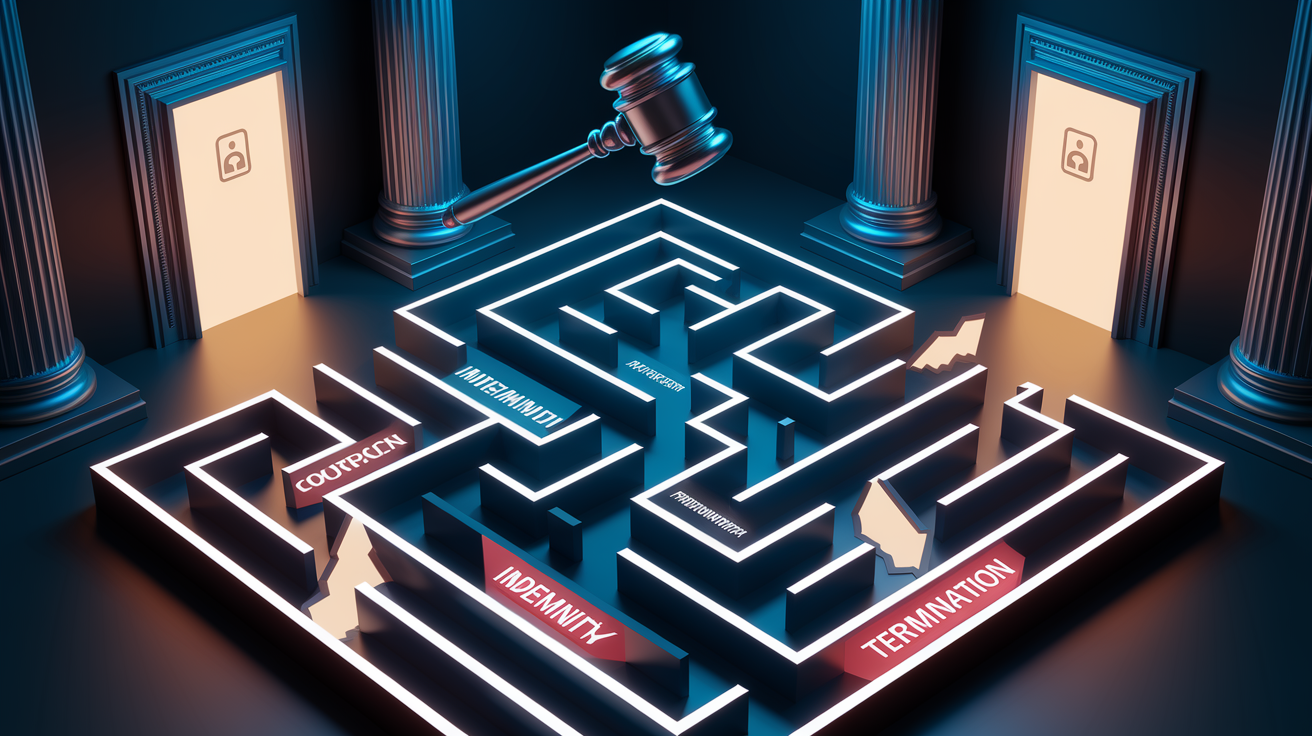
Brands use specific contract tools to cut endorsement ties when scandals happen. Morality clauses are the most common, written broadly to cover any conduct that embarrasses the brand or damages its public image. Material breach provisions apply when the celebrity violates specific duties like exclusivity obligations, appearance commitments, or conduct standards spelled out in the agreement. Indemnification clauses protect sponsors by making the celebrity reimburse the brand for losses, legal fees, and damages the misconduct caused, while for cause termination rights let sponsors exit immediately without financial penalty when the celebrity’s actions are really bad or criminal.
The legal process usually follows a set pattern. Brands start with fast internal fact gathering and contract review to confirm termination rights and check litigation risk. Legal counsel then sends written notice of breach or termination, naming the contract provision they’re using and the effective date. Companies at the same time freeze payments, pull advertising, and stop promotional work to cut ongoing ties. Some contracts require a cure period, giving the celebrity a set number of days to fix the breach, but severe misconduct (discriminatory statements, criminal charges, violent behavior) often triggers immediate termination clauses that skip cure opportunities.
Common contract clauses that let brands exit fast:
Morality and conduct clauses: Let brands terminate for actions that hurt the sponsor’s reputation or violate public decency standards.
Termination for cause provisions: Allow immediate exits without payment when the celebrity commits crimes, breaks exclusivity, or does prohibited stuff.
Material breach clauses: Define specific failures (missed appearances, unauthorized endorsements, substance violations) that justify contract termination.
Indemnity and liability provisions: Make the celebrity cover the brand’s losses, legal costs, and campaign rework expenses the scandal caused.
Litigation risks pop up when celebrities dispute the termination or claim wrongful breach. Some contracts have arbitration clauses that settle disputes privately, cutting public exposure. Others let either party seek damages in court, leading to long legal battles over contract interpretation, causation, and financial harm. To dodge costly litigation, many brands negotiate settlement based endings that include mutual releases, nondisclosure agreements, and negotiated exit payments in exchange for the celebrity’s agreement not to sue for wrongful termination or lost earnings.
PR and Reputation Management Strategies That Influence Deal Dissolution

Public relations strategy decides whether deals fall apart fast or gradually. Brands facing celebrity scandals go for speed because slow or inconsistent responses invite dragged out media attention and make consumer anger worse. Companies usually pull together rapid cross functional response teams mixing legal, PR, marketing, and retail operations to line up messaging, coordinate actions, and make sure all stakeholders get consistent information. The point is to show decisiveness and values alignment before the scandal takes over news cycles and social feeds.
Stakeholder communication shapes the story. Brands write statements that acknowledge the misconduct, express disappointment or condemnation, and clarify the company’s position without looking opportunistic or mean. Effen Vodka put out a public statement after 50 Cent’s airport incident: “As a brand that considers social responsibility the highest of priorities, Effen Vodka does not condone the recent behavior…” This wording distances the brand while stopping short of immediate termination, leaving room for future decisions based on how things play out. Companies also communicate internally with employees and partners to explain the decision, keep morale up, and reinforce corporate values.
Brand safety thinking drives the decision to act now versus later. Brands with family oriented positioning, strong corporate social responsibility commitments, or sensitivity to consumer activism tend to terminate fast when scandals involve discrimination, violence, or illegal activity. Companies with edgier brand identities or longtime celebrity relationships might take measured responses, pausing campaigns and watching public sentiment before making permanent decisions. The risk math balances short term reputational damage against the cost of replacing talent, reworking campaigns, and potentially losing the celebrity’s fan base.
Common PR moves brands use during scandal fallout:
Immediate public statements: Condemn the behavior and clarify the brand’s values, issued within hours to control the story.
Ad removals and campaign suspensions: Pull TV spots, social media content, and point of sale materials to kill visible association.
Targeted stakeholder messaging: Send tailored communications to employees, retail partners, investors, and customer service teams to keep everyone aligned.
Product recalls or retailer distancing: Work with distribution partners to pull branded merchandise from shelves when local backlash is intense.
Replacement talent announcements: Quickly find and promote alternative spokespeople to fill the marketing gap and show continuity.
Real World Case Studies Showing How Endorsement Deals Collapse

Tiger Woods
Tiger Woods’ December 2009 scandal set off one of the most studied endorsement collapses in sports marketing. After infidelity revelations went public, Woods lost deals with Accenture, AT&T, Gatorade, General Motors, and Gillette within weeks. He reportedly lost about $22 million in endorsement revenue that year, and investors in companies that used Woods in advertising lost $12 billion in market value over the following weeks. But Nike and Electronic Arts kept their relationships, betting Woods’ long term athletic performance and brand value would outlast the scandal. Nike’s decision showed strategic thinking: the brand had built campaigns around Woods for years, and his competitive success stayed a core asset even as personal conduct damaged other partnerships.
Paula Deen
Paula Deen’s endorsement portfolio collapsed almost instantly after a leaked deposition showed her using racial slurs. Walmart, Target, Smithfield Foods, QVC, Home Depot, Novo Nordisk, Caesars Palace, and Food Network all ended relationships within days. The speed and scope of the exits reflected how bad the misconduct was and the brands’ need to get away from discriminatory language that clashed with corporate diversity commitments and consumer expectations. Deen’s case became a textbook example of immediate termination, with companies putting out clear public statements and pulling products from shelves to dodge backlash and boycotts.
Michael Phelps
Michael Phelps lost a $500,000 Kellogg’s endorsement in 2009 after a photo surfaced showing him using marijuana. Deals with AT&T and Rosetta Stone weren’t renewed, and he lost speaking gigs with IBM. But Under Armour kept Phelps and later built a 2016 “Rule Yourself” campaign around him, framing his story as one of resilience and comeback. The split response showed that brands weigh long term value and fan loyalty against immediate reputational risk. Kellogg’s, with family friendly positioning and sensitivity to parental concerns, bailed quickly, while Under Armour saw opportunity in backing an athlete whose competitive record stayed strong.
50 Cent
50 Cent’s recorded airport misconduct led Effen Vodka to put out a public condemnation but stop short of full termination. The brand’s statement (“As a brand that considers social responsibility the highest of priorities, Effen Vodka does not condone the recent behavior…”) signaled disapproval while leaving the partnership technically alive. Some local bars and retailers pulled Effen products from shelves, showing how downstream partners can create distance even when the main brand hesitates. The case highlighted partial distancing as a middle ground strategy, letting brands respond to public pressure without eating full contract buyout costs or losing the celebrity’s promotional reach.
| Celebrity | Trigger | Brand Reaction | Financial Impact |
|---|---|---|---|
| Tiger Woods | Public infidelity scandal (December 2009) | Accenture, AT&T, Gatorade, GM, Gillette terminated; Nike and EA retained | ~$22 million endorsement loss in 2009; $12 billion investor loss across sponsor firms |
| Paula Deen | Leaked deposition revealing racial slurs | Walmart, Target, Smithfield Foods, QVC, Home Depot, Novo Nordisk, Caesars Palace, Food Network all terminated immediately | Multiple major deals lost within days; total dollar impact not disclosed but substantial |
| Michael Phelps | Widely circulated photo showing marijuana use (2009) | Kellogg’s dropped $500,000 deal; AT&T and Rosetta Stone did not renew; Under Armour retained and later featured him in 2016 campaign | $500,000 Kellogg’s deal lost; additional renewals not pursued; long term recovery with Under Armour |
| 50 Cent | Recorded airport misconduct | Effen Vodka issued condemnation but did not terminate; some local retailers pulled product | No disclosed financial loss; partial distancing without full contract exit |
Comparing immediate versus gradual exits shows brands pick speed when the misconduct’s clear, discriminatory, or criminal, and the company’s values or customer base demand quick action. Gradual distancing or sticking it out happens when the scandal’s less severe, the celebrity keeps fan support, or the brand has long term strategic reasons to save the relationship. Financial stakes, contract terms, and the strength of existing partnerships all shape whether companies cut ties overnight or take measured, wait and see approaches.
Strategies Brands Use to Resolve Endorsement Fallout
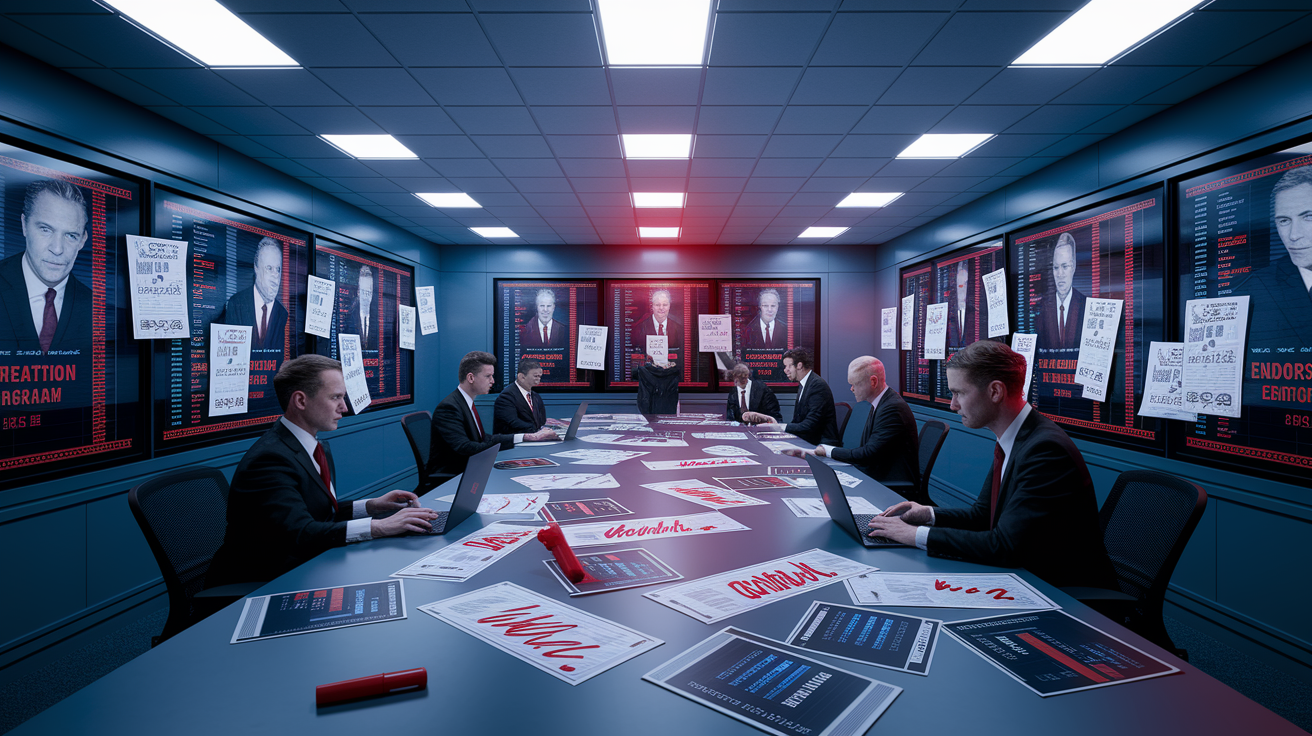
Brands follow operational playbooks to handle endorsement fallout efficiently. First step’s suspending all active advertising and promotional content across TV, digital platforms, social media, and point of sale materials. Companies pull creative assets, stop scheduled campaign launches, and coordinate with media buyers to cancel or redirect ad placements. Retail partners and distributors get immediate instructions to remove branded merchandise, signage, and co marketing materials featuring the celebrity, cutting visible association and limiting consumer exposure.
Crisis monitoring teams fire up social listening tools to track real time sentiment, spot emerging narratives, and measure how intense public reaction is. Marketing and communications teams use this data to adjust messaging, decide whether to put out follow up statements, and figure out whether additional moves (product recalls, spokesperson replacements, legal proceedings) are needed. Some brands go for partial distancing instead of full termination when the scandal’s unclear or public opinion stays divided. Effen Vodka’s response to 50 Cent showed this approach: the brand condemned his actions publicly but kept the contract relationship, allowing flexibility to re engage if the situation improved or terminate later if backlash got worse.
Typical workflows brands run during fallout:
Immediate ad suspension across all channels to stop new impressions and cut ongoing association with the controversial celebrity.
Retail coordination: Send directives to distribution partners, franchisees, and store managers to pull point of sale materials and co branded products.
Internal stakeholder briefings: Update employees, board members, and key partners on the situation, the company’s response, and expected next steps.
Legal notice issuance: Provide formal written termination or breach notices as required by contract terms, establishing the legal record.
Replacement talent identification: Fire up backup spokesperson lists, vet alternative endorsers, and fast track new campaign development.
Public Q&A preparation: Equip customer service, social media teams, and spokespeople with approved talking points to handle consumer questions and media requests.
Preventing Future Endorsement Deal Breakdowns

Prevention starts with serious diligence before signing any celebrity or influencer. Brands run background screenings that review past controversies, legal history, social media activity, and public statements to check reputational risk. Companies also look at alignment between the celebrity’s public persona, values, and behavior patterns and the brand’s positioning, customer demographics, and corporate social responsibility commitments. This vetting cuts the odds of signing talent whose conduct or beliefs clash with the company’s image.
Contract protections are the best legal prevention tool. Clear, specific morality clauses define banned conduct (discriminatory statements, criminal activity, substance abuse, harassment, violent behavior) and spell out termination rights, notice requirements, and financial consequences. Brands also throw in social media conduct provisions requiring celebrities to keep professional standards on personal accounts, dodge controversial political statements, and submit promotional posts for approval. Ongoing monitoring rights let companies review the celebrity’s public activity, get advance notice of planned appearances or statements, and step in before potential issues blow up into full scandals.
Due diligence, ethical vetting, and contract drafting best practices:
Comprehensive background checks covering criminal records, past lawsuits, prior endorsement terminations, and patterns of controversial behavior.
Social media audits reviewing years of posts, comments, and interactions to spot red flags like offensive language, divisive political statements, or erratic behavior.
Values alignment assessments checking whether the celebrity’s public positions on social issues, diversity, and corporate responsibility match the brand’s stated commitments.
Detailed morality clauses spelling out conduct that justifies immediate termination, notice and cure requirements, and indemnity provisions protecting the brand from losses.
Crisis response protocols setting up predefined escalation paths, decision thresholds, and rapid response teams so the company can move fast when issues pop up.
When Brands Need Additional Legal or PR Support

Severe scandals often blow past internal capabilities and demand specialized outside help. Criminal allegations, multi jurisdiction contract disputes, and high dollar litigation need experienced legal counsel who know endorsement law, intellectual property, and remedies for reputational harm. When a celebrity’s actions trigger class action threats, shareholder lawsuits, or regulatory investigations, brands bring in law firms with crisis litigation and corporate defense practices to manage exposure and coordinate responses across legal, regulatory, and public relations fronts.
PR agencies specializing in crisis management become necessary when internal teams don’t have the bandwidth or know how to handle intense media scrutiny, coordinate multi platform messaging, and manage stakeholder communications at scale. International contract issues add complexity, especially when endorsements span multiple countries with different legal standards, cultural sensitivities, and consumer expectations. Brands operating globally might hire PR firms with regional expertise to tailor messaging, work local media landscapes, and address country specific backlash without creating inconsistencies that undermine the overall response.
Types of specialists most often hired:
Crisis litigation attorneys to handle wrongful termination disputes, counterclaims for damages, and negotiation of settlement terms that protect the brand’s financial and reputational interests.
Reputation management PR firms to coordinate media outreach, draft and distribute public statements, and run campaigns designed to restore brand trust and shift public narrative.
Shareholder relations advisors to communicate with investors, explain financial impacts, and reduce stock price volatility or proxy challenges triggered by the scandal and the company’s response decisions.
Final Words
Brands are pulling ads, lawyers are scanning morality clauses, and PR teams are drafting statements, all in real time.
This post broke down the why and the how: triggers, contract tools, PR playbooks, and real case study outcomes. We also covered prevention tips and when to call in outside help.
It explains how endorsement deals fall apart after a celebrity scandal: morality clauses, consumer backlash, brand safety priorities, and rapid PR moves.
The good news is this can be managed. With smart contracts and steady monitoring, brands and talent can rebuild trust.
FAQ
Q: What celebrity endorsement went wrong?
A: The celebrity endorsement that went wrong was Paula Deen’s, after her deposition leaked and Walmart, Target, Smithfield Foods, QVC, Home Depot, Novo Nordisk, Caesars Palace, and Food Network dropped her.
Q: What are the challenges of celebrity endorsement?
A: The challenges of celebrity endorsement are reputational risk, enforcing morality and termination clauses, proving ROI, high costs, potential misalignment with brand values, and unpredictable talent behavior that forces quick responses.
Q: What is the impact of celebrity endorsements?
A: The impact of celebrity endorsements is increased awareness and sales when positive, but scandals can trigger ad pulls and big losses, like Tiger Woods losing about $22 million and Michael Phelps losing a $500,000 Kellogg’s deal.
Q: What is an example of a celebrity endorsement fallacy?
A: The celebrity endorsement fallacy is assuming fame equals product quality, for example believing a snack is healthy just because an athlete promotes it, which is an appeal to authority and can mislead consumers.