
Can one scandal erase a celebrity deal in a day?
When a star gets tangled in controversy, brands go into crisis mode and usually have 24 to 72 hours to decide what to do.
They race to check facts, scan social media heat, pull out contracts, and run the financial math.
This piece lays out how companies weigh severity, morality clauses, public anger, and lost sales to decide whether to pause, renegotiate, or cut ties, and why moving fast matters.
How Brands Evaluate Whether to Cut Ties After a Celebrity Scandal

When a celebrity endorser gets caught up in controversy, brands kick into crisis mode. The clock starts ticking immediately, and most companies have about 24 to 72 hours to figure out what’s actually happening, what people are saying online, and whether they need lawyers involved yet. It’s a tight window because public opinion can set like concrete fast. Wait too long and people assume you’re okay with whatever happened. Jump too quick and you might pull the trigger on incomplete facts, which opens you up to lawsuits and blowback.
First thing crisis teams do? Figure out how bad this actually is. They’re looking at whether there are criminal charges, hate speech, discriminatory comments, stuff that clashes with what the brand says it stands for. Context matters a lot here. A DUI might tank a car brand partnership but barely register for a snack company. Racist remarks though? That’s scorched earth across the board. Teams also watch whether the celebrity owns up to it, apologizes, does something to make it right. Those moves change whether the public will forgive them, and whether keeping the deal makes any sense.
Legal teams pull out the contracts. Most big endorsement deals have morality clauses baked in. These spell out exactly what kind of behavior lets the brand walk away without penalty. Some are super narrow and only kick in after a criminal conviction. Others are broad enough that pretty much any public embarrassment counts. The wording decides how much room the brand has to move fast. Contracts also cover disclosure rules, non-compete terms, and who pays if things go sideways. Lawyers comb through every line to make sure if they pull the plug, they can defend it in court.
While legal’s doing their thing, finance runs the numbers. They’re projecting what happens if campaigns already in production get scrapped. What it costs to reshoot ads or cancel media buys. They also calculate what happens if the brand does nothing: boycotts, tanking sales, investors getting nervous, long-term damage to how people see the brand. Then they compare the two and figure out which hurts less.
What brands are analyzing during a scandal:
- How serious the controversy is: criminal stuff, hate speech, discrimination, anything that violates core brand values
- Does it fit the brand’s identity: how much overlap there is between the celebrity’s image and what the brand represents
- What consumers are saying: how fast social media sentiment is turning negative, boycott hashtags, media piling on
- Legal risk: whether morality clauses apply, what triggers termination, and if the celebrity might sue back
- Is this getting worse or better: whether public anger is building or starting to fade
- What competitors are doing: if rival brands are cutting ties and whether sitting still makes you look bad by comparison
Crisis Severity and Risk Assessment Models

Brands don’t just wing it. They’ve got scoring systems to classify how bad a controversy is. Usually it’s three tiers: low severity means watch and wait, medium means issue a statement and review internally, high means start the termination process and go full damage control. Where something lands depends on what actually happened, how fast it’s spreading, and whether it contradicts what the brand claims to care about. An off-color joke might barely register for a streetwear label but be a huge problem for a family brand.
Risk ratings come from actual data. Crisis teams track how fast the story’s spreading across platforms and whether traditional news outlets are amplifying it. They watch engagement spikes, negative keyword volume, and how positive versus negative the sentiment is. They’ve got historical data from past celebrity blowups to compare against. If a scandal scores high on speed and negative intensity, it gets bumped to high severity, which means immediate action is expected.
How long the scandal sticks around also matters. Some burn out in 48 hours when the news cycle moves on. Others, especially ones involving criminal charges, sexual misconduct allegations, or systemic discrimination, hang around for months and keep doing damage. Brands think about whether this is going to come back up during trial dates, awards shows, or product launches. A scandal that’s going to dominate headlines for weeks justifies acting faster and more decisively than a one-day story.
The Role of Morality Clauses and Contract Protections
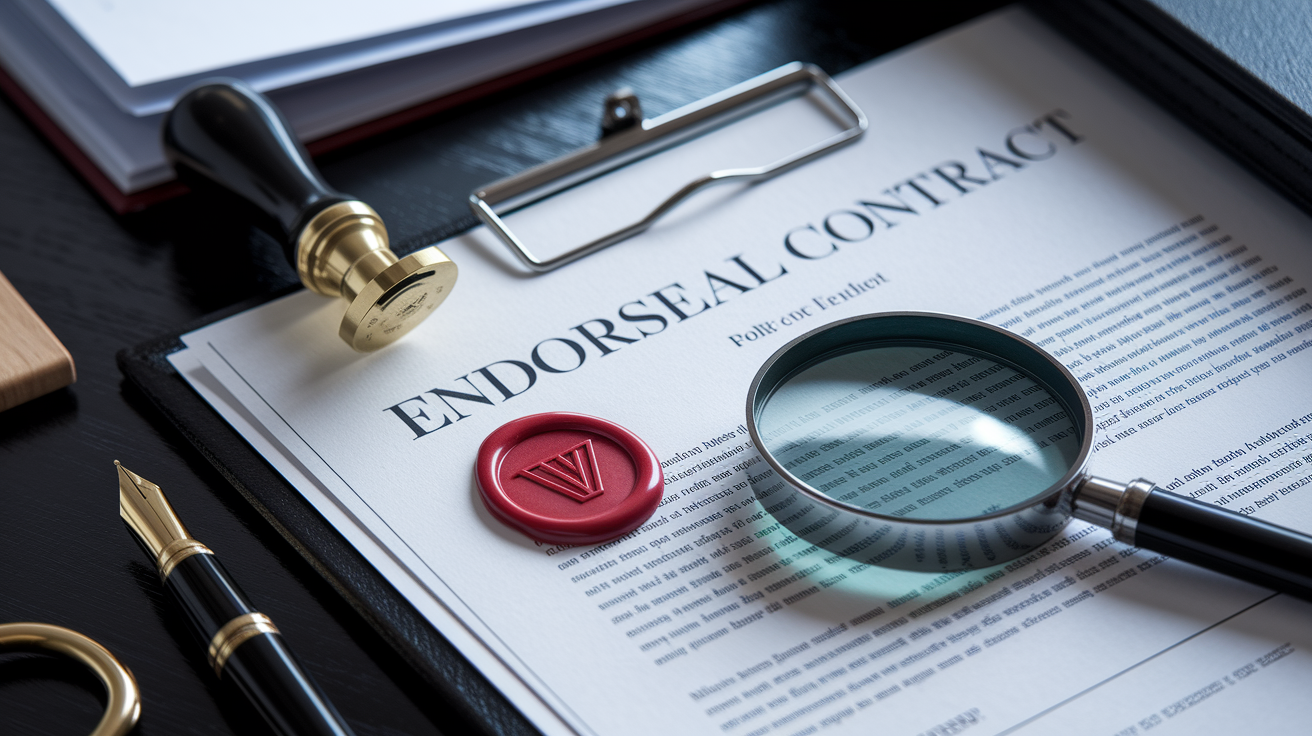
Morality clauses are the legal backbone here. They let brands end partnerships when a celebrity does something that might harm the company’s reputation or bring ridicule. The wording varies a lot. Some only cover felony convictions or violent acts. Others are written so broadly that pretty much any bad publicity counts. The broader the language, the more freedom the brand has to act without waiting for courts to decide anything. Contracts usually require the celebrity to disclose potential controversies right away, and breaking that rule can itself be grounds for termination.
Termination conditions try to balance protecting the brand with being fair to the talent. Most contracts separate suspension from termination. Suspension hits pause on payments and obligations while the brand investigates. Termination ends everything permanently and might trigger clauses about paying money back or losing future earnings. Some agreements include reverse morality clauses that let the celebrity walk if the brand faces its own scandal or takes a public stance the talent disagrees with. That’s becoming more common as celebrities gain negotiating power.
Morality clause triggers that let brands terminate deals:
- Arrest or criminal charges, even without conviction, especially for violence, fraud, or illegal drugs
- Discriminatory remarks or hate speech aimed at any group, including racist, sexist, homophobic, or antisemitic comments
- Violence allegations like domestic abuse, assault, or harassment, even when charges are pending or settled privately
- Fraud accusations including fake stories, false endorsements, or lying about facts in ways that wreck credibility
- Severe public backlash measured by ongoing negative press, boycott calls trending, or brand sentiment scores dropping
Public Sentiment Tracking and Social Media Monitoring

Brands have systems running in real time the second a controversy hits. These platforms pull data from Twitter, Instagram, TikTok, Reddit, news sites, forums. They generate sentiment scores that update every few minutes. Dashboards show trending keywords, hashtag volume, how fast engagement is accelerating. Automated alerts go off when negative mentions spike, when boycott campaigns start coordinating, or when accounts with big followings amplify the story. It’s an early-warning system that tells brands how urgent their response needs to be.
Heat maps break down sentiment by demographics and geography. A controversy might hit hard with one audience segment and barely register with another. These maps show brands which customer groups are at risk. A celebrity’s political stance might alienate older consumers but energize younger ones, which complicates the decision. Brands also track how the scandal compares to other trending stories. If it’s dominating the top 10 for days, that’s higher risk than something that trends briefly and vanishes.
Sentiment algorithms sort posts into positive, negative, or neutral buckets and flag emotional intensity like anger, disgust, or support. Brands look for patterns. Is the backlash coming from actual customers or outside activists? Are influencers jumping in or is it contained to a niche community? The answers shape what happens next. If loyal customers are demanding termination, the brand faces immediate commercial pressure. If outrage is external and short-lived, the brand might issue a statement and wait it out.
Financial Modeling and Risk-to-Revenue Projections

Finance teams build scenario models to figure out what it costs to keep the celebrity versus dropping them. They project revenue losses across ad campaigns, retail partnerships, sponsorships if the brand keeps the endorsement going during a scandal. Direct costs include scrapping or reshooting creative, canceling media buys, paying contract termination fees. Indirect costs are fuzzier but often bigger: declining sales, retail partners threatening to pull the brand from shelves, customers losing trust. These numbers get compared to the cost of doing nothing, which includes boycotts, investor pressure, and long-term hits to brand equity.
They also weigh what the celebrity was contributing before the controversy. If the endorser was driving serious sales growth, generating high engagement, and had years left on a big contract, termination means giving up future upside. Brands calculate the remaining value of the deal and compare it to the expected loss from keeping the partnership alive. High performers sometimes get more leeway, especially if the controversy is murky or the celebrity acts fast to fix it, because walking away costs so much. But if the endorser was adding marginal value or the contract was almost up anyway, termination becomes easy math.
| Factor | Financial Impact Description |
|---|---|
| Campaign Production Losses | Cost of scrapping or reshooting advertisements, digital content, and event materials already featuring the celebrity endorser |
| Retail Partner Pressure | Risk of delisting or reduced shelf space if major distributors threaten to drop the brand over its continued association with the celebrity |
| Sales Trajectory Shifts | Projected decline in short-term revenue and customer acquisition if negative sentiment translates to purchase behavior changes or boycotts |
Stakeholder Pressure: Boards, Partners, and Investors

Board members and big investors can speed up termination when a controversy threatens shareholder value or corporate reputation. In high-profile scandals, boards call emergency meetings to review the situation and might tell management to cut ties immediately, overriding commercial concerns to reduce risk. Investors watch stock prices, analyst downgrades, media coverage that could signal lasting brand damage. If a controversy generates negative headlines for days and drives measurable drops in market cap, stakeholders often demand fast action to stop the damage and show leadership’s in control.
Retail and distribution partners pile on too. Major chains and platform partners sometimes issue ultimatums: drop the celebrity or lose shelf space, co-marketing support, prime placement. These threats carry weight because a brand’s access to key sales channels can depend on keeping powerful intermediaries happy. When multiple partners voice concerns at once, the combined pressure usually tips the decision toward termination. Brands that ignore stakeholder demands risk not just lost revenue but damaged relationships that affect future deals and negotiations.
Case Studies of High-Profile Endorsement Terminations
Real examples show how brands navigate these decisions under pressure. Each case involved weighing legal, financial, and reputational factors before acting. Outcomes varied based on how severe the controversy was, how strong the contract protections were, and how fast the brand responded. There’s no single playbook. Context, timing, and stakeholder pressure all shape what happens.
Adidas and Gap cut ties with Kanye West in 2022 after he made repeated antisemitic remarks and engaged in what the brands called hateful and dangerous behavior. Both issued public statements citing violations of their values around diversity, inclusion, and respect. The terminations came after sustained public outcry and pressure from advocacy groups. Both brands said they don’t tolerate hate speech. Other partners including Balenciaga, Foot Locker, and Vogue also severed ties, showing the cascade effect when multiple brands reach the same conclusion at once.
Paula Deen lost endorsements from the Food Network, Smithfield Foods, and Caesars Palace in 2013 after admitting to using racial slurs. The backlash was instant. Major retail partners including Walmart, Target, and QVC cut ties within days. The controversy cost millions in lost partnerships and showed how racist remarks trigger universal termination across consumer brands, no matter what they sell. The speed of the fallout proved brands prioritize protecting their reputations over salvaging relationships when core values get violated.
Michael Vick got dropped by Nike in 2007 after his conviction on charges related to dogfighting. The brand ended the relationship right away, citing the criminal conviction and the nature of the offense. Four years later, after Vick served his sentence and returned to pro football, Nike re-signed him. That showed termination isn’t always permanent. Real accountability, time, and public redemption can create openings for reinstatement.
- Kathy Griffin and Squatty Potty (2017): Squatty Potty pulled Griffin’s commercial hours after photos surfaced of her holding a fake decapitated head resembling a political figure, citing immediate customer backlash and offensive imagery.
- Maria Sharapova and Nike, Porsche, Tag Heuer (2016): All three brands suspended relationships after Sharapova tested positive for Meldonium, a banned substance. She said she’d been prescribed the drug for 10 years and didn’t know about the rule change, but sponsors paused deals pending investigation.
- Tiger Woods and Gillette, Pepsi, Accenture, AT&T (2010): Four major brands terminated endorsements after Woods’ personal scandal, with losses estimated at $22 million for Woods and $12 billion in investor value across sponsor companies.
- Ryan Lochte and Ralph Lauren, Speedo, Airweave, Gentle Hair Removal (2016): Lochte lost four endorsement deals after admitting he exaggerated a robbery story during the Rio Olympics, showing how fabricated or deceptive conduct damages credibility and prompts rapid termination.
Expert Perspectives on Reputation Recovery and Brand Safety

Crisis consultants say brands need to act within a narrow window to protect their reputations while getting enough facts to make defensible decisions. Experts recommend issuing measured statements within 24 hours that acknowledge the situation without jumping to conclusions, followed by a transparent investigation. Going silent is rarely smart because it lets narratives harden without the brand’s input. But firing someone based on incomplete information can trigger lawsuits and accusations of unfairness. The best move balances speed with accuracy, showing responsiveness while keeping legal and ethical integrity intact.
Branding strategists talk about long-term trust building and proactive crisis plans. Brands that invest in thorough vetting, detailed contracts, and continuous monitoring can respond faster when controversies pop up. After a crisis, brands should revisit endorsement policies, update morality clause language, and tighten approval workflows to cut future exposure. Experts also point out that sticking with a celebrity through a minor controversy, when values still align and the audience shows tolerance, can actually deepen brand loyalty and set the company apart from competitors who bail at the first sign of trouble.
Final Words
When a scandal breaks, brands jump into action. They run severity checks, scan public sentiment, flag contracts, and model potential financial damage.
This post walked through crisis scoring, brand safety filters, morality clauses, social listening tools, financial forecasting, stakeholder pressure, plus real case studies and expert takeaways.
If you want the short answer on how brands decide to drop a celebrity after controversy, it’s a mix of risk scoring, legal levers, and bottom-line math. Handled well, brands can protect trust and move forward stronger.
FAQ
Q: Why are brands drifting away from celebrities?
A: Brands are drifting away from celebrities because companies see higher reputational risk, faster social backlash, rising influencer options, and cost-ROI issues; many prefer micro-influencers or owned channels that feel safer and more measurable.
Q: What is the fallen celebrity syndrome?
A: The fallen celebrity syndrome is when a star’s reputation collapses after a scandal, triggering rapid public shaming, lost deals, and long-term career damage as brands and fans distance themselves.
Q: Which celebrity is the most controversial?
A: Which celebrity is the most controversial is subjective; controversy levels change by region, time, and metric—look at legal issues, media coverage, sentiment scores, and brand responses to measure controversy.
Q: Are celebrities responsible for the products they endorse debate writing?
A: The debate around whether celebrities are responsible for products they endorse says celebrities share responsibility—through claims and influence—while brands hold legal and financial accountability; consumers and contracts shape real-world outcomes.