
One necklace can make or break a jewelry house overnight.
Searches for a designer often jump 100% to 500% in the first 48 hours, and social impressions can hit tens of millions.
That single red-carpet moment compresses years of brand building into one night.
Which means award-show jewelry isn’t just pretty, it’s a sales engine, a publicity play, and a credibility stamp all at once.
This post shows how those placements spike traffic and sales, drive bespoke commissions, and boost long-term market value for designers.
The Red Carpet Effect on Jewelry Demand
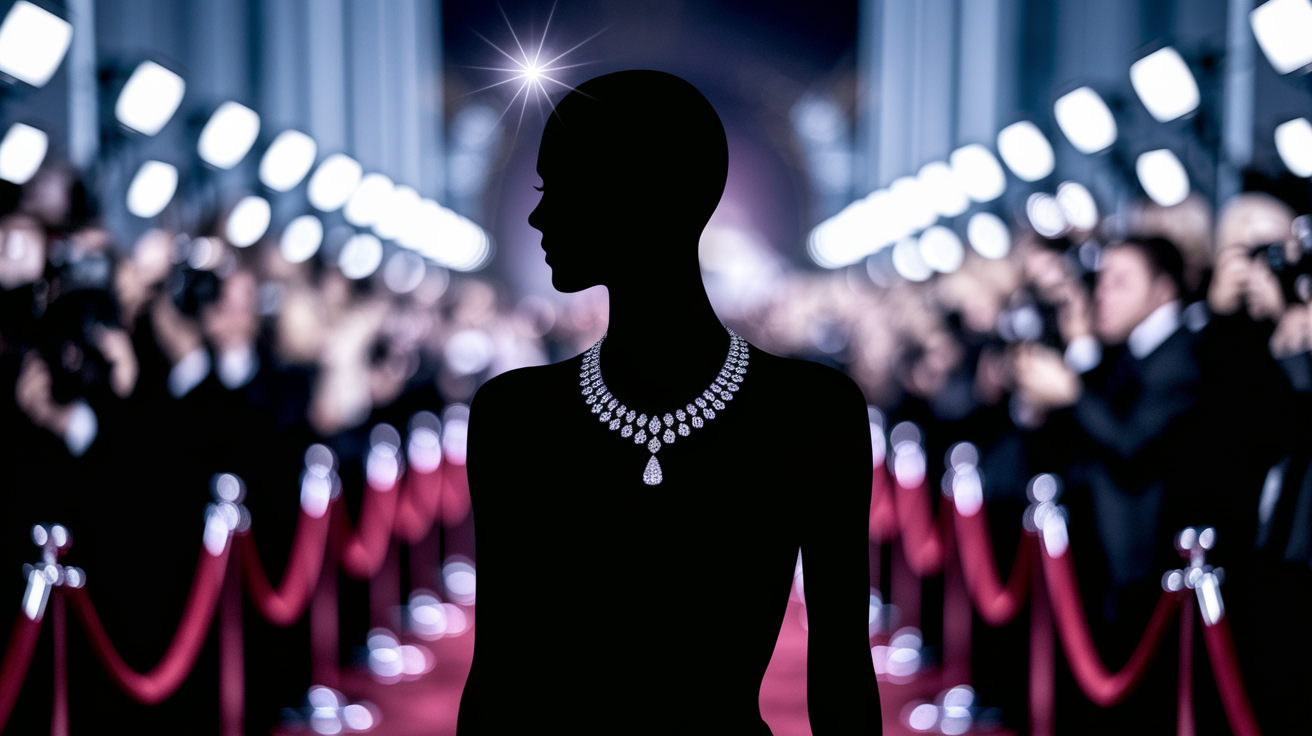
When a celebrity wears a piece of jewelry on the red carpet, it’s not subtle. Search volume for that designer or item can spike anywhere from 100% to 500% in the first day or two. Social impressions? We’re talking 10 million to 200 million for an A-lister, and that’s just the start. These moments don’t build brands slowly. They compress what used to take years into a single night.
The mechanics are straightforward. Millions watch, notice something, and Google it. Fine jewelry sitting between $200 and $5,000 can see conversion jumps of 20% to 80% in the month after a big appearance. Luxury pieces in the $5,000 to $100,000 range? Traffic climbs 50% to 300%, and sales follow with 15% to 60% increases over the next one to three months. High jewelry above $100,000 doesn’t usually sell right away. But inquiries explode, sometimes 200% to 1,000%, and those commissions close anywhere from three months to a year out.
A red carpet placement also shifts how people see a brand. One strong moment can take a designer from niche to aspirational, make premium pricing feel justified, and crack open wholesale doors that wouldn’t budge before. When the same designer shows up at the Golden Globes, Grammys, BAFTAs, and Oscars, it creates a story. Industry favor. Consumer heat.
You get five distinct outcomes from a red carpet hit:
- Search and traffic surge in the first 24 to 72 hours
- Sales bump lasting one to four weeks
- Bespoke and commission inquiries over one to six months
- Brand equity growth and pricing power stretching six to 24 months
- Earned media value delivering 5:1 to 30:1 returns compared to what you spent
How Celebrity Jewelry Placements Influence Market Behavior
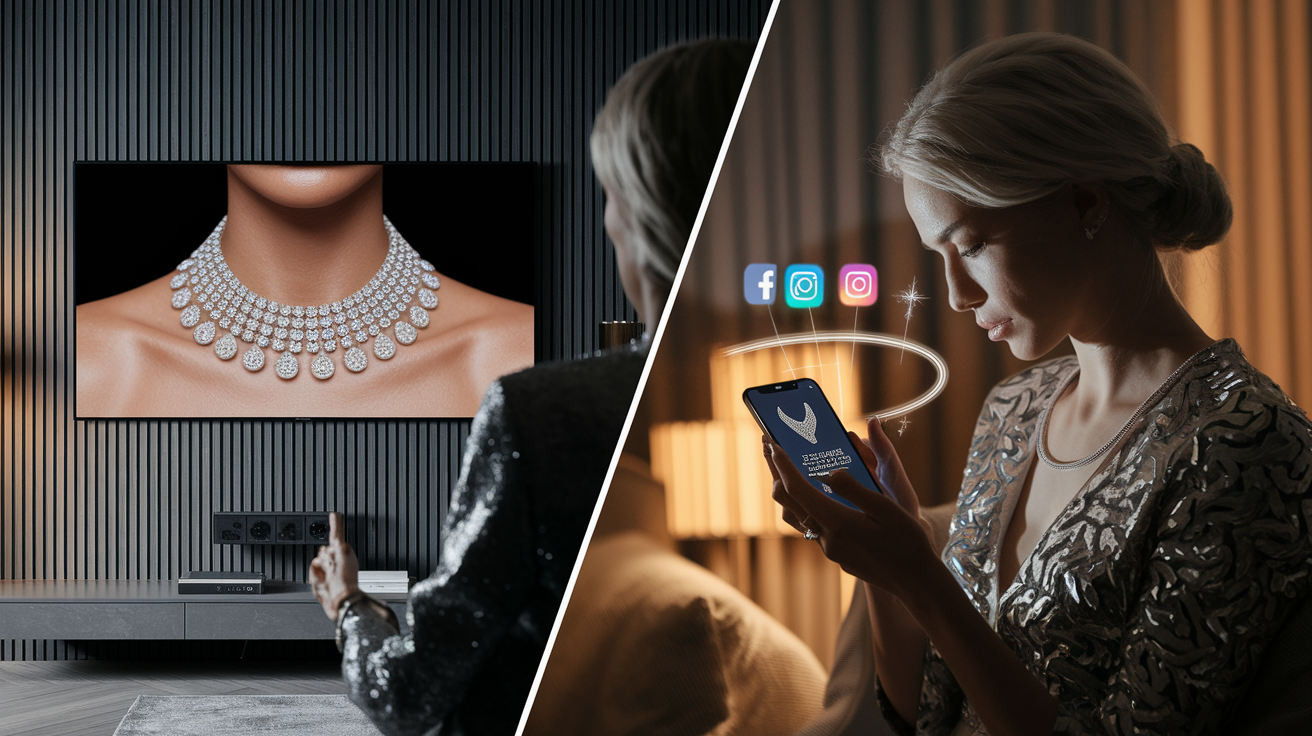
Celebrity jewelry works because it doesn’t feel like an ad. When an actor picks a piece for the Oscars or Grammys, viewers read it as taste, not sponsorship. Even if the piece was loaned or gifted. That perceived authenticity shortcuts trend formation and changes what people want to buy within days. Someone watches Hailey Bieber wear a collar necklace at the 2026 Grammys and by Monday they’re searching “sleek collar necklace.” By midweek they’ve checked three sites. Weekend rolls around and they’ve placed an order.
Stylists plan this stuff months out. Jewelry is the visual anchor that makes nearly identical formalwear actually different. A single ring or chain can flip a look from traditional to modern, understated to bold. Stylists keep ongoing relationships with five to 20 jewelry houses per region, and they get early access to pieces the public hasn’t seen yet. The coordination ensures that award shows feature the most distinctive, camera-ready designs exactly when global attention is locked in.
Audience psychology multiplies everything. Jewelry is personal and wearable. It feels more attainable than a $50,000 couture gown. A viewer might never afford that necklace, but a $1,200 ring inspired by it? That’s doable. Award show moments give people cultural permission. If a celebrated actor wears layered chains or stacked rings, millions feel validated doing the same. This visibility-to-action cycle used to take two to three years in the 1990s. Now it’s days or weeks, driven by instant social sharing and e-commerce that’s always ready.
Designer and Stylist Placement Strategies
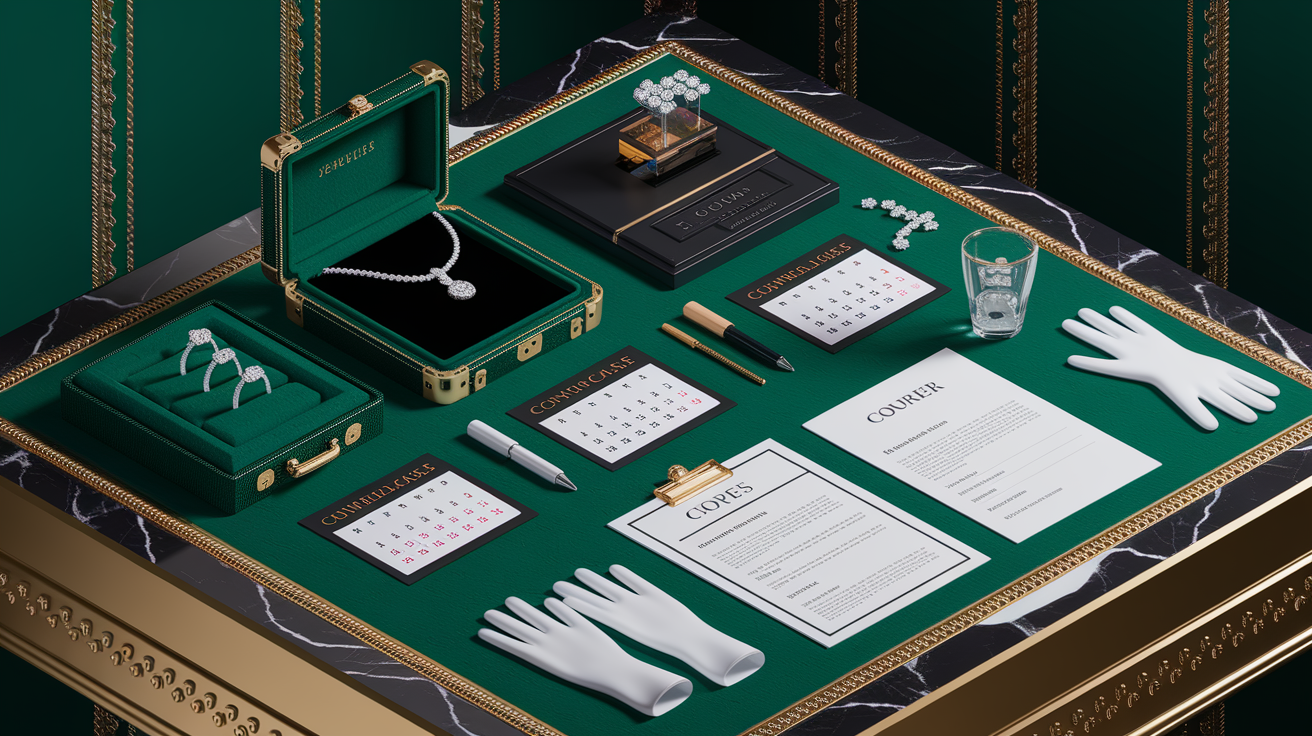
Designers treat award season like a campaign, not luck. Loan programs are the foundation. A house loans a piece to a stylist or celebrity under contract. The terms require crediting, agreed image use, and return within 48 to 72 hours. Insurance and logistics usually run 1% to 3% of the insured value per event, plus fixed security and transport fees between $1,000 and $10,000 depending on the piece’s value and distance. For a $200,000 necklace traveling from New York to Los Angeles for the Oscars, total event costs might hit $8,000 to $12,000.
Bespoke commissions are the higher-stakes play. A designer creates an exclusive piece for a nominee or presenter. One of a kind. Can’t be copied immediately by competitors. These commissions show off what a house can do and often lead to bridal or bespoke inquiries that convert over three to twelve months. Upfront cost is steeper, but the brand equity and sales pipeline justify it when you execute with the right talent.
Stylist relationships determine how often you get placed and how good those placements are. Designers stay active with influential stylists by providing curated lookbooks, fast access to vault pieces, and flexible loan terms. Exclusivity agreements are common. A designer might lock in first-look rights for a specific celebrity in exchange for priority access to archive pieces or custom work. Crediting and tagging rules get negotiated beforehand. The designer wants on-camera mentions, social media tags, or high-res images for owned channels within 48 to 72 hours.
Six strategic moves dominate placement efforts:
- Build ongoing partnerships with five to 20 top stylists per major market for repeat access
- Offer exclusive vault access or early previews of new collections to preferred stylists
- Create bespoke, one-off pieces for A-list nominees to maximize uniqueness and media interest
- Lock in crediting and social tagging agreements before the event
- Prepare rapid response marketing assets within 24 to 72 hours: landing pages, product links, high-res images
- Track stylist preferences and celebrity brand affinities to increase placement probability across award season
Media Amplification and Public Visibility
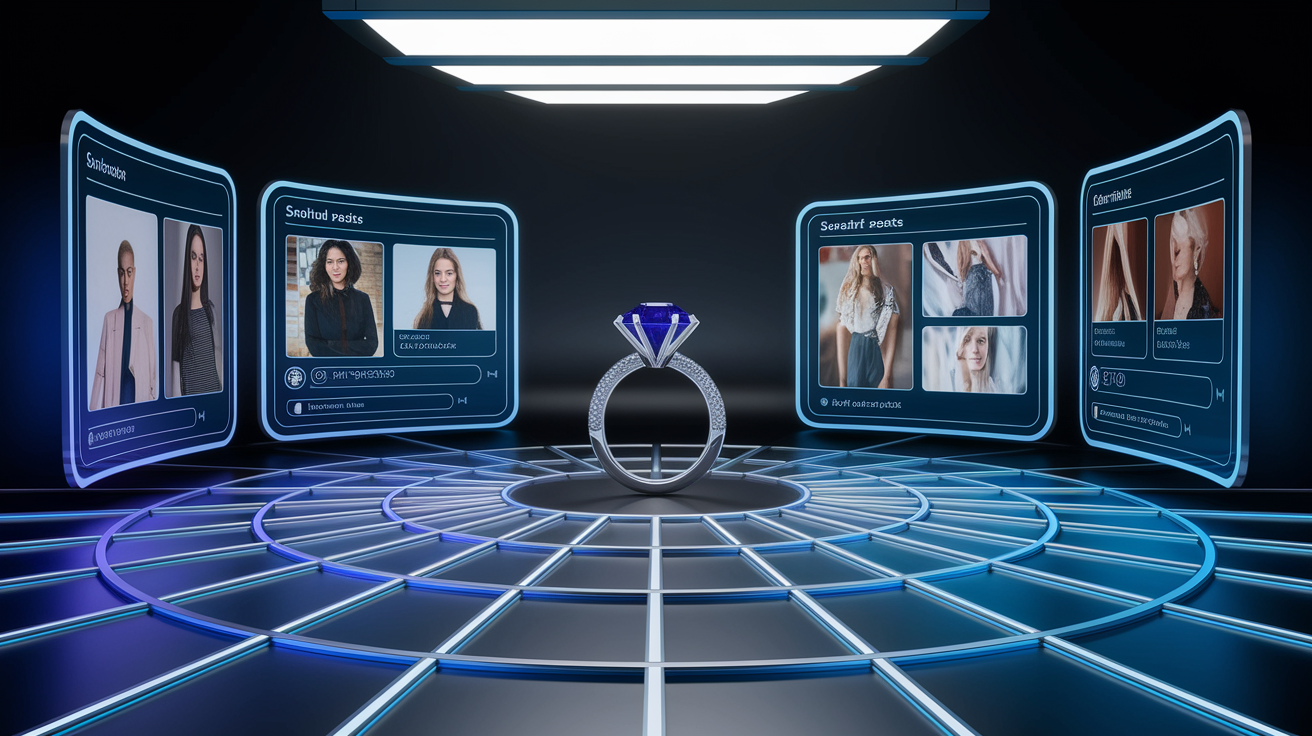
Broadcast delivers the initial audience. Tens of millions watch live during major ceremonies. But digital and social platforms multiply that reach exponentially. Within minutes of a red carpet appearance, fashion editors, bloggers, and influencers start posting close-ups, designer credits, and commentary. Instagram and TikTok accelerate discovery. A single viral post or stylist tag can multiply impressions five to 50 times compared to traditional press alone. A jewelry piece worn at 6 p.m. Pacific on Sunday can generate 50 million impressions by Monday afternoon.
Media outlets produce “get the look” galleries, trend breakdowns, and shopping guides within 24 to 48 hours. These articles drive sustained traffic back to designer websites and retail partners, stretching the visibility window from one evening to weeks or months. SEO signals compound as product names, designer credits, and event keywords populate search indexes. Commerce-ready landing pages that link directly to “shop similar” or contact forms increase conversion materially by capturing the peak interest audience while intent is still hot.
Five media channels drive most of the post-event visibility:
- Live broadcast and red carpet pre-shows reaching 20 to 100 million viewers per major ceremony
- Social media posts from celebrities, stylists, brands, and fans generating 10 to 200 million impressions within 72 hours
- Digital fashion publications producing trend analyses, galleries, and shopping guides within 24 to 48 hours
- Influencer commentary and reaction videos on TikTok and Instagram reaching younger, global audiences
- SEO-driven organic search traffic sustained over weeks as product pages and image galleries index and rank
Consumer Demand Patterns and Sales Outcomes
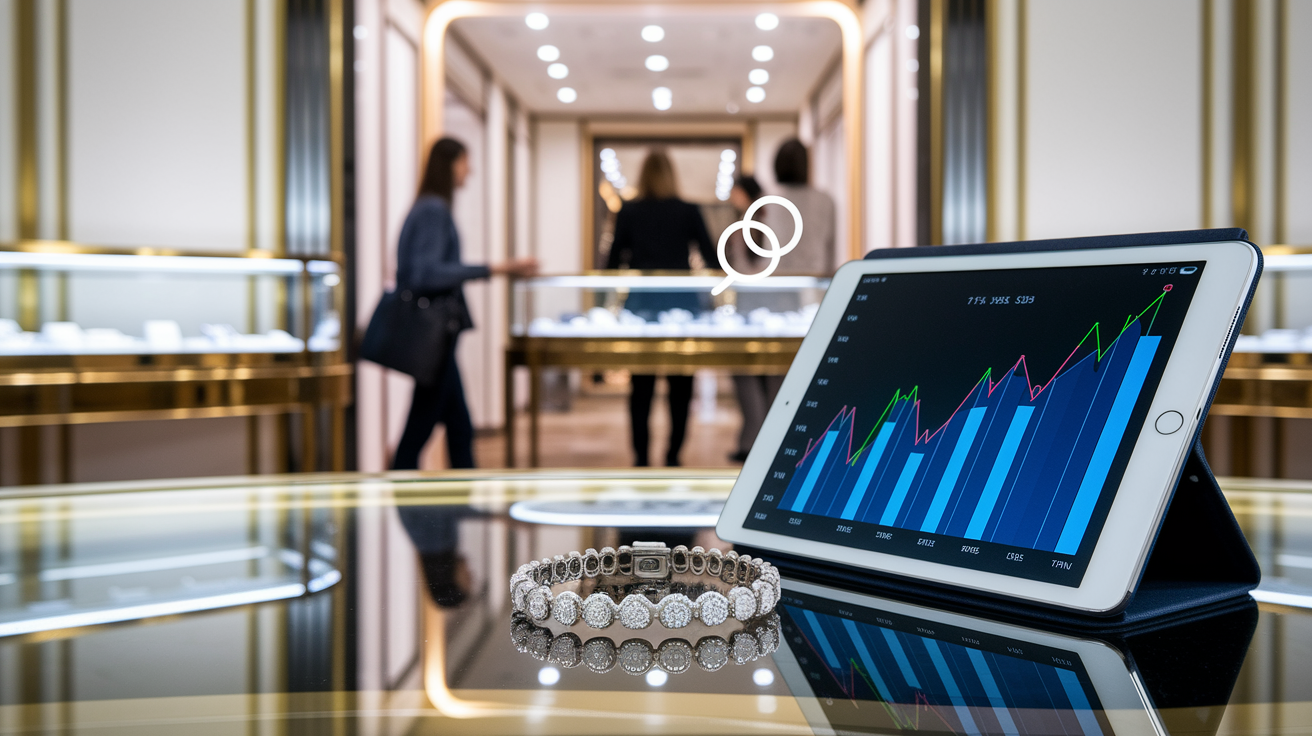
Award show appearances produce immediate, measurable effects. Search volume for featured designers or specific pieces spikes within 24 hours, often peaking Monday morning as viewers research what they watched the night before. Website traffic follows. Session counts climb 50% to 300% for mid-tier and luxury brands. Product pageviews for the exact piece or similar items can jump 200% to 600% in the first 48 to 72 hours. Boutique inquiries (phone calls, emails, in-person visits) often double or triple the week after a major placement.
Sales outcomes vary by price and product type. Accessible jewelry under $5,000 converts fast. Direct sales lift 20% to 80% in the 30 days after an appearance. Pieces between $5,000 and $100,000 convert slower but steadily. Bespoke inquiries increase 100% to 400% and close over one to six months. High jewelry one-offs rarely sell immediately, but qualified leads spike 200% to 1,000%, and those commissions come through over three to twelve months. Resale markets activate too. Vintage or archive pieces similar to red carpet selections pop up on secondary platforms within days, priced at premiums reflecting renewed interest.
Consumer behavior shifts go beyond immediate purchases. Award show visibility creates cultural permission. High-profile placements signal acceptability and desirability, lowering the psychological barrier for mainstream buyers. A male consumer who sees Timothée Chalamet wear three rings and a chunky chain at the Golden Globes might feel validated buying his first ring. Early adopters often move into additional categories, expanding lifetime value per customer and growing the total addressable market for the designer.
| Metric | Observed Effect |
|---|---|
| Search Volume | 100% to 500% spike within 24 to 72 hours for designer name or specific piece |
| Website Traffic | 50% to 300% increase in sessions over the first week |
| Direct Sales (accessible tier) | 20% to 80% lift in the 30 days following placement |
| Bespoke Inquiries (luxury tier) | 100% to 400% increase, converting over one to six months |
Case Studies of Impactful Award-Show Jewelry Moments
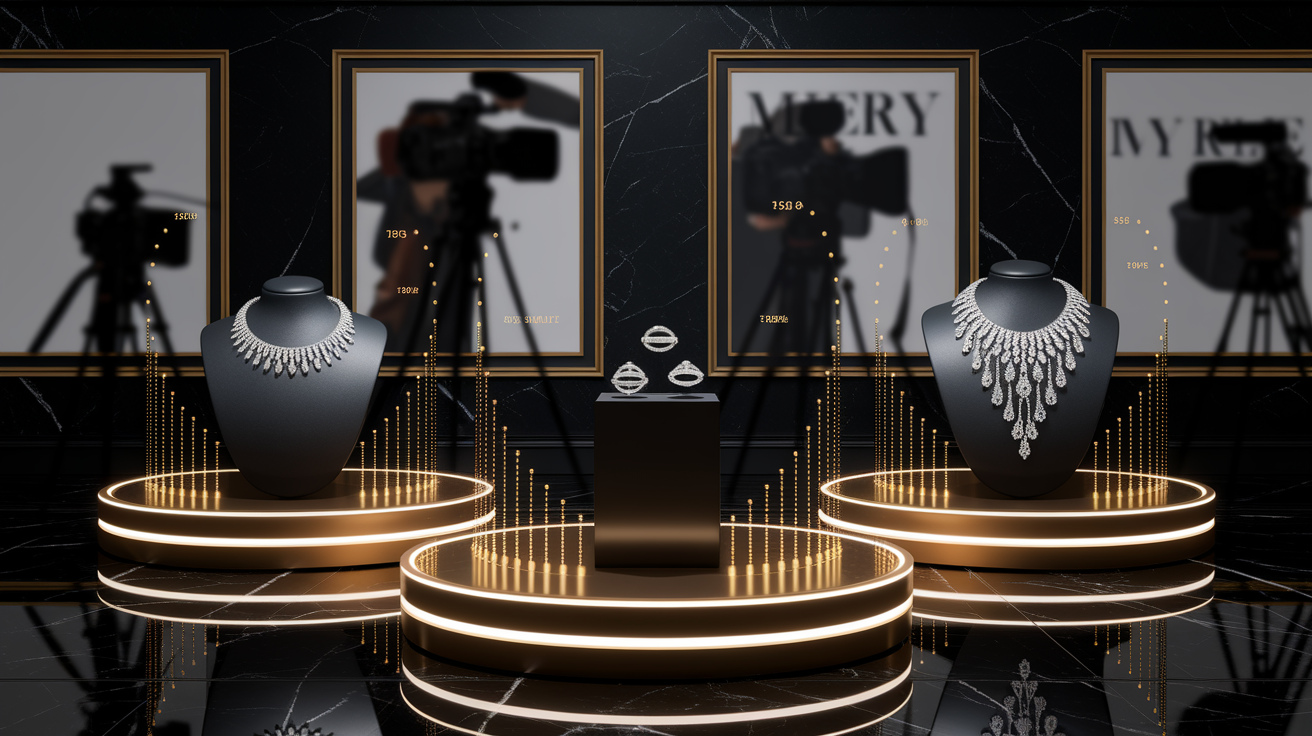
A mid-tier jewelry house loaned a diamond collar necklace valued at $65,000 to an A-list actress for the 2026 Oscars. Within 48 hours, product pageviews for the necklace and similar designs jumped 260%. Month-over-month sales for that SKU climbed 45%. Bespoke inquiries spiked 180%. The house estimated earned media value at $320,000, driven by placements in Vogue, Harper’s Bazaar, and hundreds of digital fashion sites. Total event costs (insurance, transport, PR) hit $18,000. Calculated ROI? Roughly 17:1 based on incremental gross profit.
An emerging independent label with pieces priced between $200 and $3,000 had a different experience. A rising actor tagged the brand in an Instagram post after wearing a layered ring stack to the BAFTAs. The post generated 8 million impressions within 72 hours. The brand’s follower count grew by 32,000. Direct sales spiked 60% for two weeks. Customer acquisition cost for the new cohort fell 30% compared to the brand’s typical paid social campaigns. For smaller labels, organic celebrity visibility is efficient.
A high jewelry maison created a one-off $1.5 million diamond Question Mark necklace for a Best Actress nominee at the 2026 Oscars. The appearance produced 35 million social impressions and generated 540 direct qualified buyer inquiries over the next six months. One six-figure sale closed within nine months, and the sustained brand equity lift contributed to an 8% increase in average retail price year over year. The house viewed the placement as a long-term brand investment, and the results backed that up.
Patterns emerge across these examples. Award show placements deliver disproportionate visibility relative to cost, especially when you pair them with rapid response content and commerce-ready infrastructure. Independent and mid-tier brands benefit from immediate conversion lifts. High jewelry houses prioritize inquiry generation and brand equity compounding. Social amplification (celebrity tags, influencer reposts, media galleries) multiplies reach far beyond the live broadcast audience.
Five repeatable factors drive positive outcomes:
- Lock in crediting agreements and social media tags before the event to ensure attribution
- Prepare commerce-ready landing pages, high-res images, and contact forms within 24 to 72 hours
- Target stylists and celebrities with aligned brand aesthetics to increase placement authenticity
- Monitor search, traffic, and inquiry volume daily during the 30-day post-event window to capture peak intent
- Invest in rapid fulfillment and bespoke inquiry follow-up to convert leads while interest is still high
Final Words
Cameras flash as a necklace catches the light and search bars spike. We ran through the red carpet effect, how placements flip into market moves, the stylist-designer playbook, media amplification, and the sales patterns backed by stats and case studies.
That’s basically why award-show jewelry choices affect designer demand. Visibility becomes currency. Designers and stylists plant moments that turn into buyer behavior — and honestly, watching the next ceremony just got a lot more fun.
FAQ
Q: What is the 2:1:1 rule for jewelry?
A: The 2:1:1 rule for jewelry is a styling guideline: pair two bold pieces with one medium and one subtle item to keep balance, focus, and visual interest without overcrowding the look.
Q: What are the 5 C’s of jewelry?
A: The 5 C’s of jewelry are carat, cut, color, clarity, and certification (or cost). The first four describe diamond quality; the fifth covers authentication or value and purchase confidence.
Q: What is the hottest jewelry trend right now?
A: The hottest jewelry trend right now is chunky gold chains and layered necklaces, often mixed with pearls or colorful gemstones for a polished, wearable red‑carpet‑to‑everyday vibe.
Q: What is the most prestigious jewelry award?
A: The most prestigious jewelry award is widely considered the De Beers Diamond International Award, with Couture Design Awards and JCK honors also held in high industry regard.