
Is couture just over-the-top theater for photos?
Sure, couture looks dramatic, but it’s also handcrafted precision that photographers and stylists trust.
Built in hundreds to thousands of artisan hours, couture uses rare fabrics, hand-embroidery, and made-to-measure engineering so a gown moves, photographs, and fits unlike anything off the rack.
Ready-to-wear wins on speed, price, and trend-chasing, and this piece explains what really makes couture special and when the splurge actually matters.
At-a-Glance Verdict: Couture or Ready-to-Wear Red Carpet Gowns?
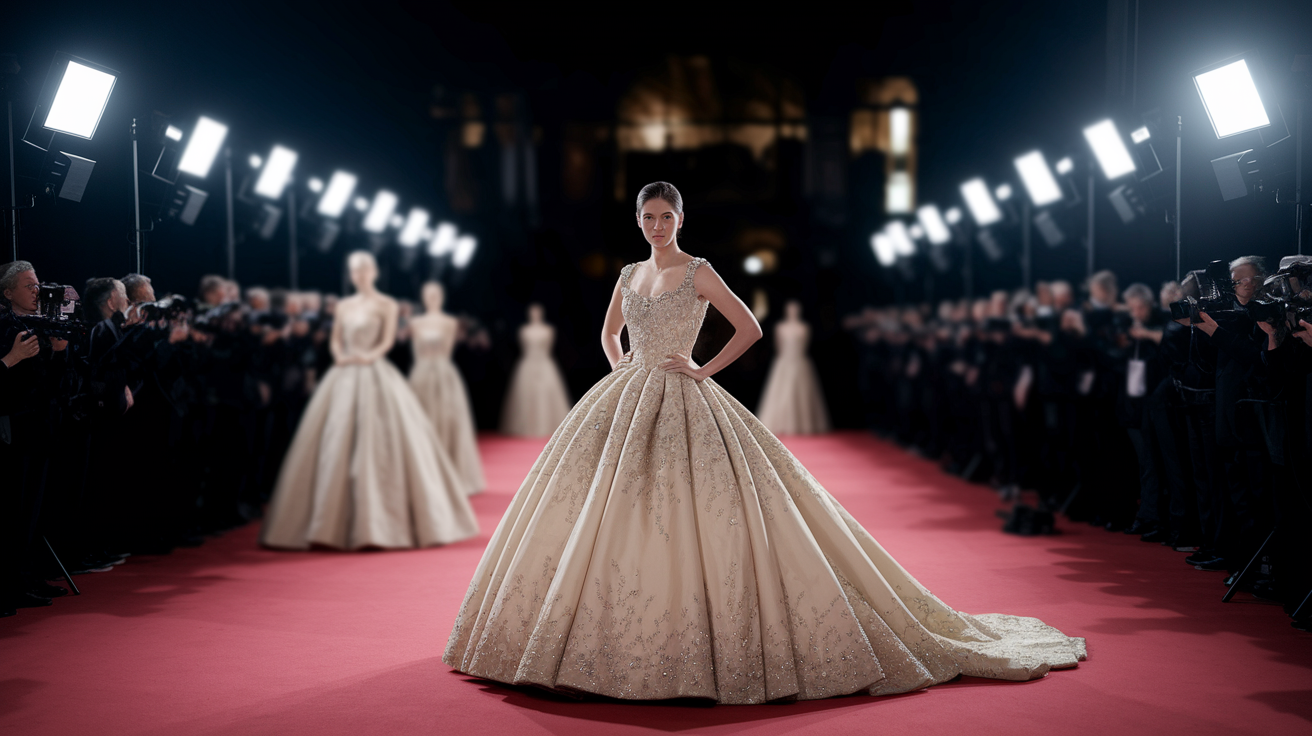
Couture red carpet gowns are bespoke, hand-constructed pieces built over 3 to 6 fittings and hundreds (sometimes thousands) of artisan hours. You’re looking at one-of-a-kind garments priced anywhere from tens of thousands into six or seven figures. Ready-to-wear gowns get produced in standard sizes using machine-based manufacturing, sold in runs from dozens to thousands, and span price points from under $100 to around $20,000+. The core trade-off? Exclusivity and precision versus accessibility and speed.
Couture uses top-tier, often exclusive fabrics and hand-finishing on every seam, hem, and embellishment. RTW relies on commercial fabrics and industrial finishing that might look polished from a distance but reveal machine seams and fit compromises under close inspection. Couture construction includes internal boning, horsehair canvas, and waist-stays that distribute the weight of beading and keep you comfortable during extended wear. RTW uses simplified internal structure and depends on post-purchase alterations rather than ground-up architectural engineering.
Which type works best for specific red carpet needs:
First-time major award nominee: Couture for maximum impact and one-of-a-kind press photos.
Rushed event timeline (under four weeks): Ready-to-wear for immediate availability and faster alterations.
Desire for archival piece or brand legacy: Couture for artisan craftsmanship and collectible value.
Budget under $5,000: Ready-to-wear for accessible luxury and strong designer labels.
Fit challenges with standard sizes: Couture for bespoke measurements, foundation mapping, and perfect silhouette.
Preference for trend experimentation: Ready-to-wear for lower commitment and seasonal versatility.
Couture is considered “special” because it delivers unrepeatable design, labor-intensive hand techniques, and a fit engineered around a single body. It’s the gold standard for visibility, comfort, and red carpet confidence.
Defining Couture vs Ready-to-Wear for Red Carpet Fashion
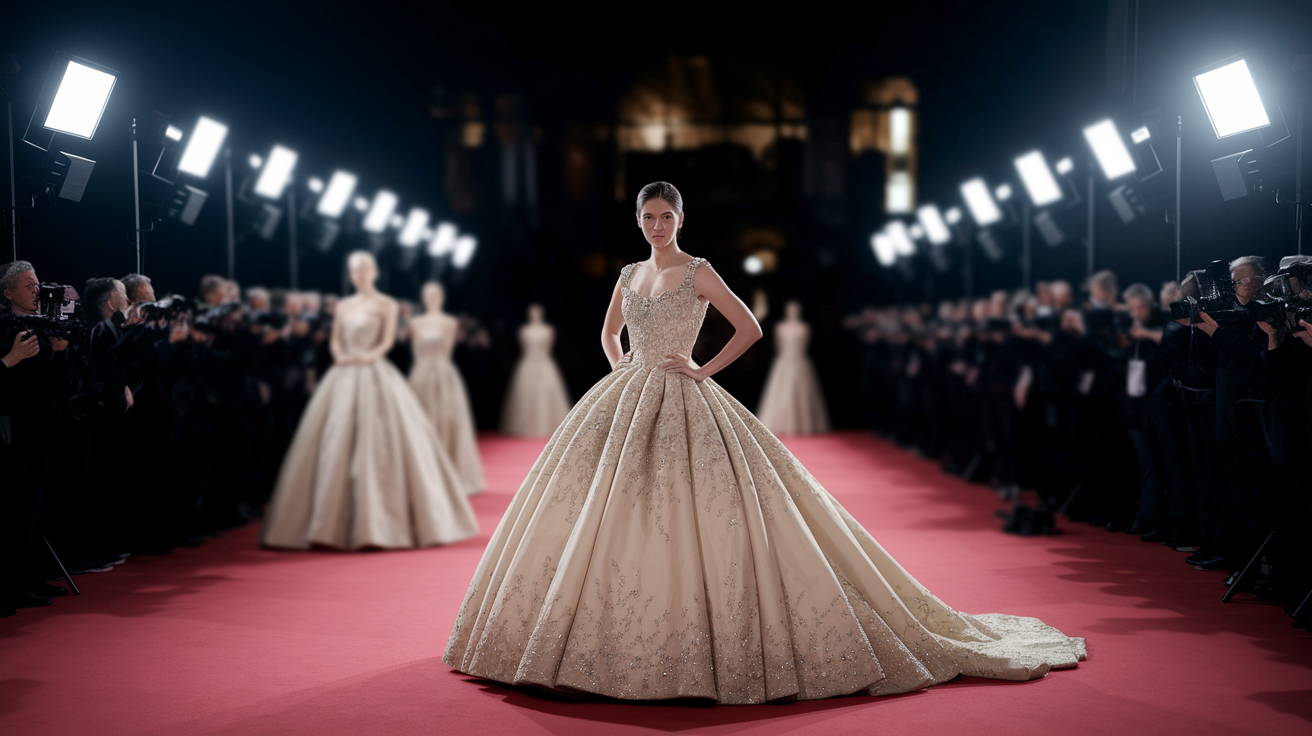
Haute couture is a legally protected category in France, governed by the Chambre Syndicale de la Haute Couture. To qualify as an official couture house, a maison must produce made-to-order garments for private clients, maintain an atelier in Paris with roughly 15 or more full-time employees, and present seasonal collections to the public. Many heritage couture houses employ dozens to several hundred specialized artisans (pattern cutters, tailors, embroiderers, beaders, seamstresses) who work across weeks or months to complete a single gown. Couture garments aren’t sold off the rack. They’re commissioned, measured, constructed, and fitted to a single client.
Ready-to-wear (also called prêt-à-porter) is produced in standardized sizes, manufactured in factories or semi-automated ateliers, and sold globally through boutiques, department stores, and e-commerce. RTW collections are designed around a fit model and graded across size ranges, then produced in quantities that can span dozens to thousands of units per style depending on the brand tier. The garments are finished, packaged, and shipped before meeting the eventual wearer. Any customization happens through post-purchase alterations rather than bespoke patterning.
Key institutional and production distinctions:
Couture houses must maintain year-round in-house ateliers and present collections to the Chambre Syndicale.
Couture garments are made-to-measure for a named client, not produced speculatively.
RTW is designed for commercial sale and relies on graded pattern blocks rather than individual body maps.
RTW production timelines follow seasonal calendars (Spring/Summer, Fall/Winter) with faster turnaround from design to retail floor.
The structural and business differences mean that couture functions as an intimate, artisan-driven luxury statement, while RTW prioritizes scalability, trend responsiveness, and broader accessibility.
Craftsmanship Differences: Why Couture Construction Is Unmatched
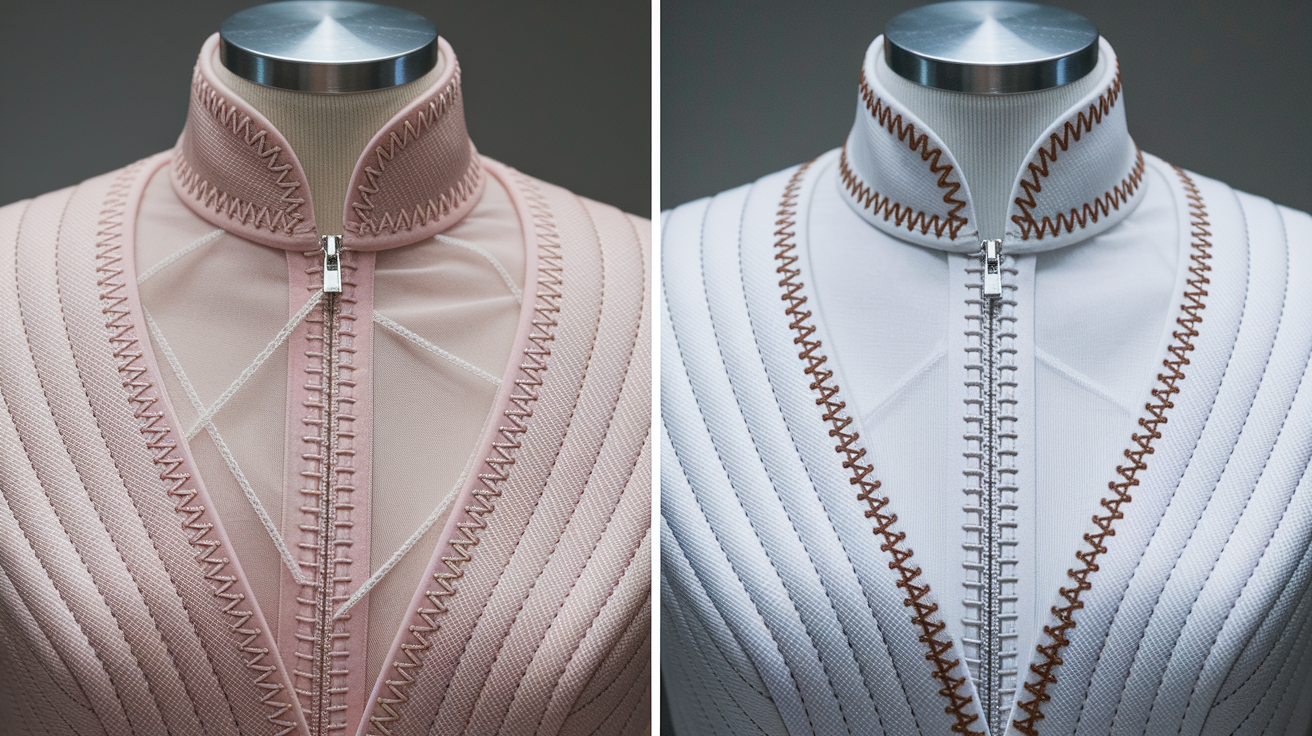
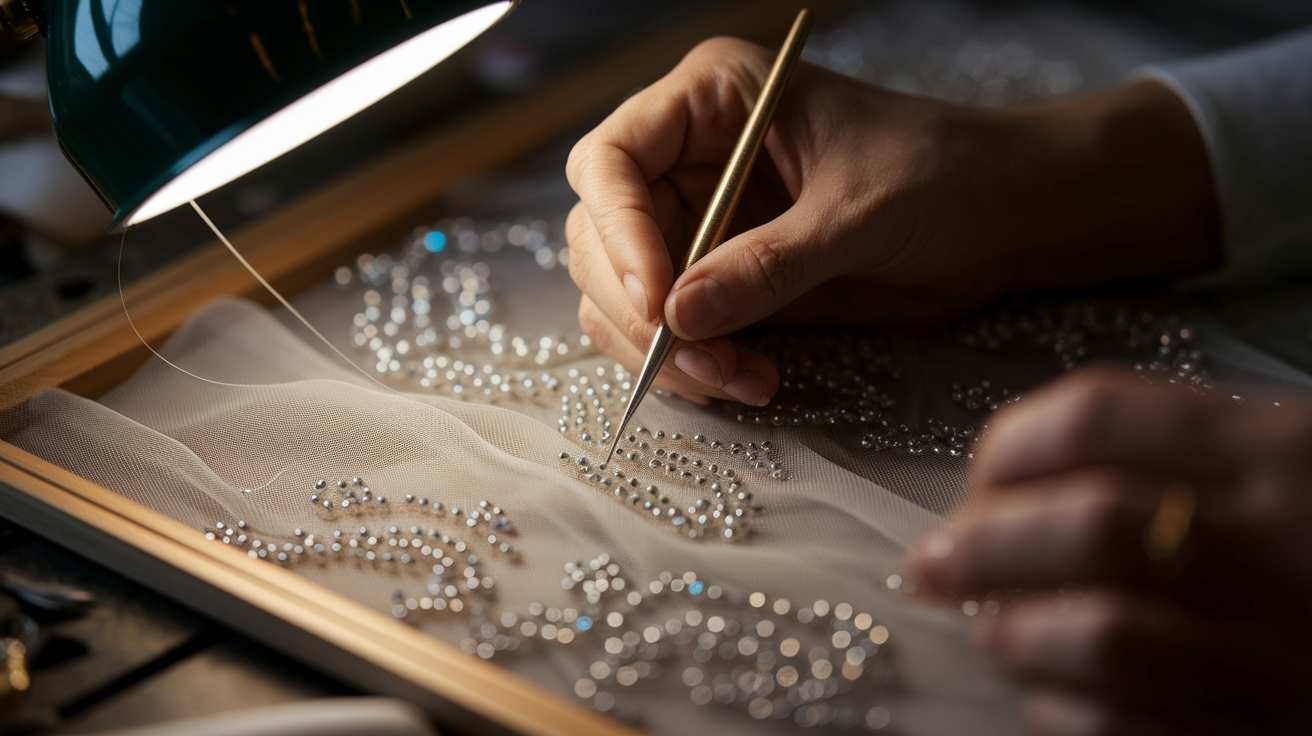
Couture construction is defined by hand-executed techniques at every stage. From the first seam to the final hem stitch. A couture gown commonly requires 100 to 1,000+ hours of artisan labor, depending on complexity, embellishment density, and the number of fittings. Hand-sewn hems, hand-rolled edges, hand-stitched boning channels, hand-embroidery, and tambour beading (a centuries-old technique using a small hooked needle to apply beads and sequins from the reverse side of the fabric) are standard in couture ateliers. Every interior seam is finished by hand to prevent fraying and ensure the garment lies smoothly against the body, even when photographed in motion or under harsh stage lighting.
Ready-to-wear relies on machine sewing, industrial embroidery, and standardized finishes that prioritize speed and consistency across production runs. Individual finishing on an RTW gown is measured in hours rather than hundreds of hours, and quality control focuses on acceptable tolerances rather than perfection. High-end RTW may include selective handwork (hand-applied appliqués or hand-stitched buttons), but the foundational construction, seaming, and internal structure remain machine-driven.
Hand Techniques That Define Couture
Tambour beading allows artisans to apply thousands of glass beads, crystals, or sequins in intricate patterns with uniform tension and spacing, creating dimensional texture that catches light from every camera angle. Hand-embroidery using silk or metallic thread produces raised motifs that can’t be replicated by machine. Hand-rolled hems (where fabric edges are turned and stitched by hand) create nearly invisible finishes on delicate silks and chiffons. Couture seamstresses also hand-stitch internal boning channels, securing each bone with tiny, evenly spaced stitches that prevent shifting and ensure the structure conforms to the wearer’s posture and movement. These techniques require years of training and can’t be accelerated without compromising quality.
Machine-Led vs Artisanal Production in RTW
Ready-to-wear production uses industrial sewing machines, lockstitch and overlock finishes, and automated embroidery heads that can apply beads or sequins at high speed. The result is consistent and durable, but lacks the hand-controlled precision and adjustability of couture work. RTW embellishments are typically glued or machine-tacked, and internal seams are finished with serging rather than hand-felling, which can create bulk or visible lines under clingy fabrics.
| Technique | Couture Method | RTW Method |
|---|---|---|
| Hem finishing | Hand-rolled or hand-stitched with invisible catch-stitching | Machine-stitched or blind-hem foot, visible on reverse side |
| Beading & embroidery | Tambour beading, hand-applied glass beads, hand-embroidered silk thread | Industrial embroidery machines, glued or machine-tacked sequins |
| Seam finishes | Hand-felled, French seams, couture-bound edges | Serged or overlock finish, visible thread edges |
Fabric & Material Choice: Luxury Textiles That Elevate Couture Gowns
Couture houses source premium, often exclusive fabrics that are selected for both aesthetic impact and structural performance. Hand-dyed silks, rare French lace, duchess satin, silk faille, and hand-loomed organza are common choices. Many couture ateliers commission bespoke colorways or weaves that will never appear in ready-to-wear collections. Couture-grade linings and interfacings (silk organza underlays, horsehair braid for hems, fine cotton batiste for internal support) are chosen to maintain the garment’s shape and drape under the weight of embellishments and the stress of long wear. Fabrics are pre-tested for light absorption, camera performance, and recovery from wrinkles or compression.
Ready-to-wear, even in luxury categories, uses commercially available fabrics purchased in bulk from textile mills. The materials may be high-quality (silk charmeuse, Italian wool crepe, polyester-blend satins), but they’re selected for cost efficiency, availability across production runs, and compatibility with machine sewing. RTW linings are typically synthetic or standard silk, and interfacings are fusible or mid-grade wovens that simplify factory construction but lack the hand and drape of couture-grade foundations.
Couture embellishment fabrics carry additional weight and texture. Heavy silk velvets absorb light and create dramatic shadow play under stage lighting, while hand-embroidered tulle overlays add dimension without adding bulk. Horsehair braid sewn into hems creates structure that allows skirts to float and flare without stiffening the entire garment. It’s a technique rarely used in RTW due to labor cost.
Luxury fabrics used in couture and their red carpet advantages:
Hand-dyed silk charmeuse delivers rich, saturated color and fluid drape that moves elegantly on camera.
Duchess satin provides structure and high sheen, ideal for sculptural ball gown silhouettes.
French Alençon lace offers intricate, hand-finished motifs that photograph with crisp detail.
Silk organza creates volume and structure in underskirts and overlays without visible stiffness.
Horsehair braid enables dramatic hem flare and controlled movement, enhancing red carpet walk footage.
These material choices ensure that couture gowns perform under intense lighting, maintain their silhouette through hours of wear, and deliver visual impact in both still photography and video.
Fit Engineering & Silhouette Precision in Couture vs Ready-to-Wear
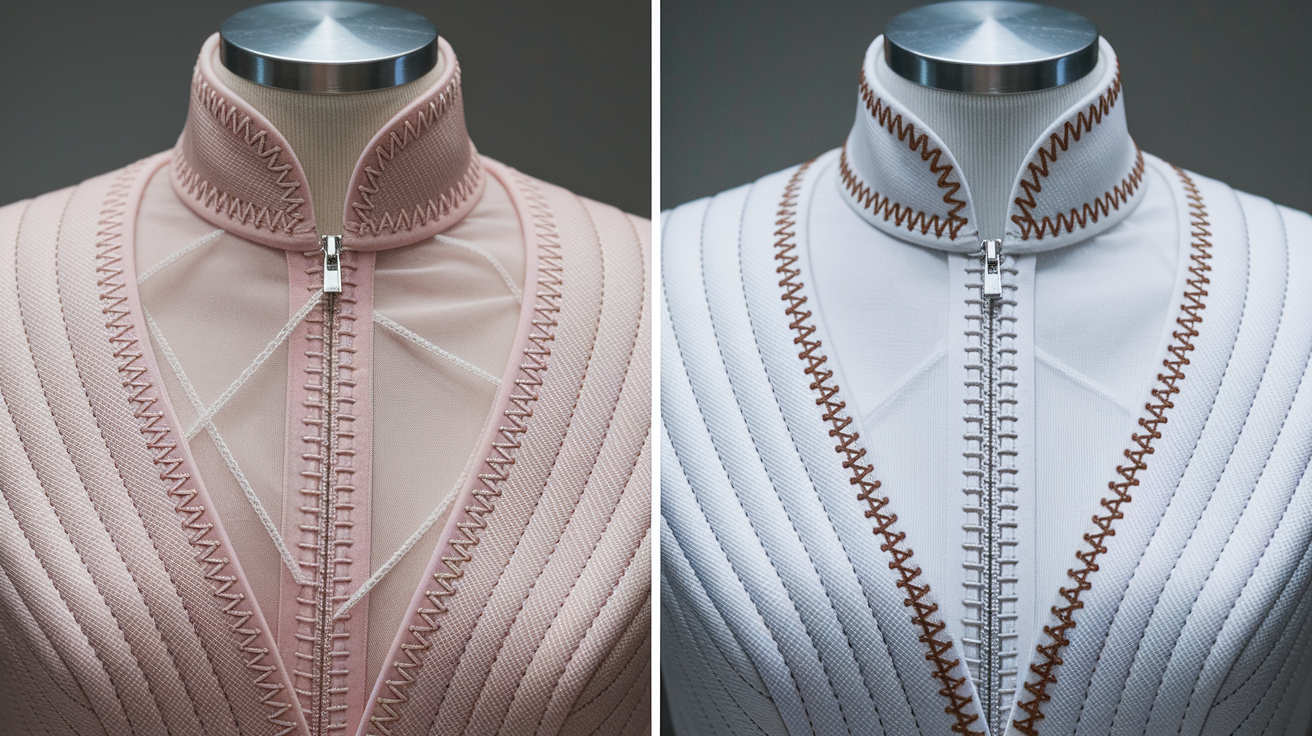
Couture fit is achieved through bespoke internal structure, multiple fittings, and precision adjustments that address posture, shoulder slope, torso balance, and movement preferences. The process begins with detailed foundation mapping (measurements that capture not just circumference and length, but also asymmetries, preferred ease, and the wearer’s natural stance and gait). These measurements guide the creation of a custom pattern that serves as the blueprint for every subsequent layer of construction.
Ready-to-wear relies on graded pattern blocks developed around a fit model’s proportions, then scaled up and down across size ranges using standard increments. The result is a generalized fit that may work well for some wearers and require significant alteration for others. RTW alterations (hemming, taking in side seams, adjusting straps) can improve the fit, but they can’t replicate couture-level internal architecture or rebalance the garment’s structural foundation from the first stitch.
Measurements & Foundation Mapping
Couture measurements include over 20 data points: bust apex placement, high hip vs low hip, back waist length, sleeve pitch, and shoulder-to-waist curve. The atelier records posture tendencies (forward tilt, sway back) and movement preferences (ease for dancing, sitting, raising arms). This data informs the pattern draft and the placement of internal support elements like boning, which must align with the wearer’s natural compression points to distribute weight and prevent discomfort.
Internal Structures
Couture gowns are engineered with hidden corsetry, specialized boning (spiral steel, spring steel, or synthetic rigilene), waist-stays, and hand-stitched interfacings that create a sculpted, secure fit. Boning channels are hand-sewn along seam lines and princess seams, ensuring that each bone sits flat against the body and can’t shift or poke through the fabric. Horsehair canvas is shaped and basted into bodices to provide structure without stiffness, and internal waist-stays distribute the weight of heavily beaded skirts across the torso rather than relying on shoulder straps or the waistband alone. These structures are invisible from the outside but essential for comfort during extended red carpet appearances, photo calls, and seated award ceremonies.
RTW Alterations vs True Customization
Ready-to-wear alterations can shorten hems, tighten waistbands, and adjust strap length, but they can’t reposition boning, reshape a bodice to match a different torso curve, or add hand-stitched internal supports. RTW gowns that require extensive alteration often lose their original design proportions. Shortening a skirt may throw off the placement of embellishments, and taking in side seams can distort seam lines or pull fabric in unintended ways. Couture avoids these compromises by building the garment around the wearer from the start, ensuring that every design element (beading placement, seam lines, hem sweep) is balanced for that specific body.
On the red carpet, fit precision translates to silhouette confidence. A couture gown conforms to the wearer’s body without gaping, pulling, or shifting, and the internal structure ensures that the garment performs as intended through hours of standing, walking, and posing. Ready-to-wear may look strong from a distance, but close-up camera angles often reveal standard sizing compromises: loose necklines, fabric bunching at the waist, or straps that require constant adjustment.
Production Scale & Availability: Why Couture Pieces Are Rare
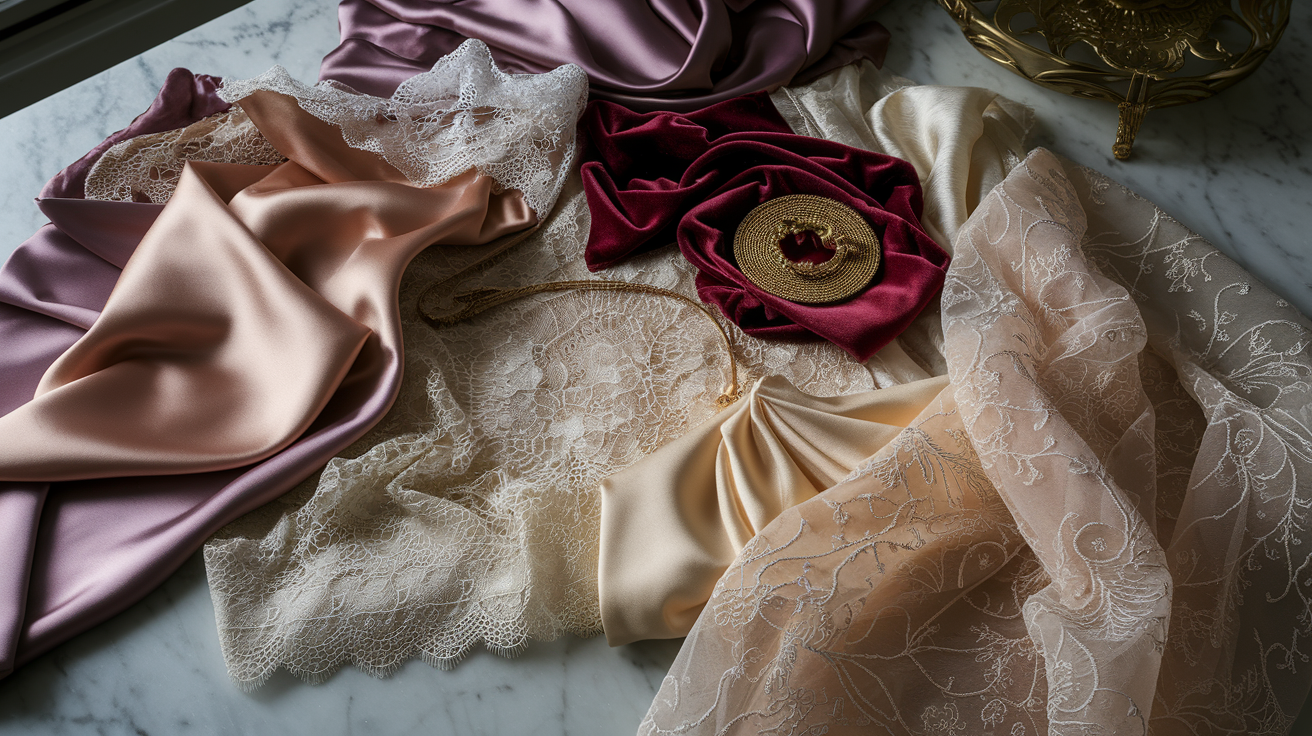
Couture garments are typically produced as one-of-a-kind pieces or in runs of one to five per design. Each piece is made for a specific client or a small group of clients who commission the design during or after a couture presentation. Because every garment is built from scratch using bespoke measurements and hand techniques, couture ateliers can’t scale production without compromising the foundational craftsmanship that defines the category. The artisan teams (pattern cutters, tailors, embroiderers, beaders) work on a single gown for weeks or months, and the workshop’s capacity is limited by the number of skilled hands available and the time required for each technique.
Ready-to-wear is produced in dozens to thousands of units per style, depending on the brand tier and market segment. Mass-market RTW may produce tens of thousands of units globally, while luxury RTW typically produces smaller runs (50 to 500 units per colorway or size range) to maintain exclusivity and reduce overstock risk. The garments are made in factories or semi-automated ateliers using standardized processes, quality-control checkpoints, and mechanized finishing, allowing brands to deliver consistent product at scale and meet retail deadlines.
The exclusivity of couture matters on the red carpet because it guarantees uniqueness. A celebrity wearing a couture gown knows that no one else will appear in the same piece, and the design itself carries the weight of the maison’s heritage, the atelier’s artisan hours, and the designer’s creative vision. Ready-to-wear, even when styled well, carries the risk of duplication (another guest, another event, another editorial) and lacks the narrative of bespoke creation that fuels press coverage and fan engagement.
Pricing & Timelines: Cost Realities of Couture vs Ready-to-Wear
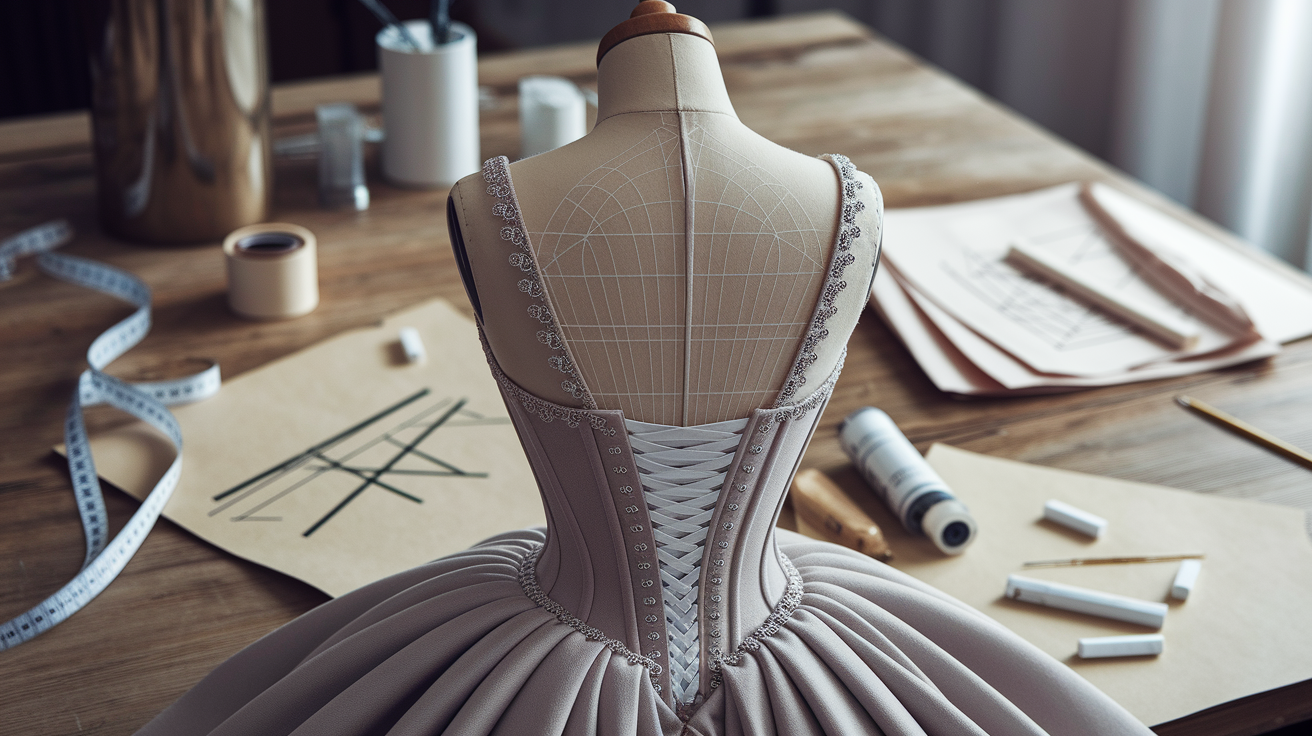
Couture gowns begin in the tens of thousands of dollars and can reach six or seven figures for highly elaborate pieces featuring extensive hand-embroidery, rare materials, or complex structural engineering. The price reflects original design work (custom sketches and draping sessions), hundreds to thousands of artisan hours, premium and often exclusive fabrics, multiple fittings and pattern adjustments, superior internal construction, and the one-of-a-kind or extremely limited nature of the piece. Couture timelines vary from several weeks to many months, depending on complexity, the number of fittings required, and the atelier’s schedule during busy seasons (awards season, fashion week).
Ready-to-wear spans a wide price range: under $100 for mass-market evening gowns, $500 to $5,000 for contemporary designer pieces, and $5,000 to $20,000+ for luxury RTW from established fashion houses. RTW production follows seasonal calendars, with Spring/Summer and Fall/Winter collections designed months in advance, produced in batches, and delivered to retail on fixed schedules. Lead times for custom RTW orders (if offered) are typically weeks rather than months, and the garments are finished before the client’s involvement beyond sizing and minor alterations.
The cost difference is driven by labor intensity. A couture gown requiring 500 hours of hand-beading at skilled artisan wages represents a significant labor cost before accounting for materials, overhead, or profit margin. An RTW gown produced in a factory with machine embroidery and standardized finishing may require a few dozen machine-hours and a fraction of the hand-finishing labor, resulting in a dramatically lower cost structure even when using quality fabrics.
Cost drivers in couture:
Bespoke design and draping sessions with the designer or head of atelier.
Extensive hand labor (beading, embroidery, seam finishing, boning, hemming) totaling hundreds to thousands of hours.
Premium, exclusive, or custom-dyed fabrics and trims sourced from specialty mills or artisan suppliers.
Multiple fittings (typically 3 to 6, sometimes more) with pattern adjustments between each session.
Internal structural engineering (hand-stitched boning, corsetry, waist-stays, custom interfacings) that requires specialized skill and time.
For red carpet clients, the investment delivers not just a garment but a collaborative creative process, a one-of-a-kind archival piece, and the confidence that comes from perfect fit and unmatched craftsmanship under intense media scrutiny.
Red Carpet Impact: Why Couture Performs Better Under Cameras
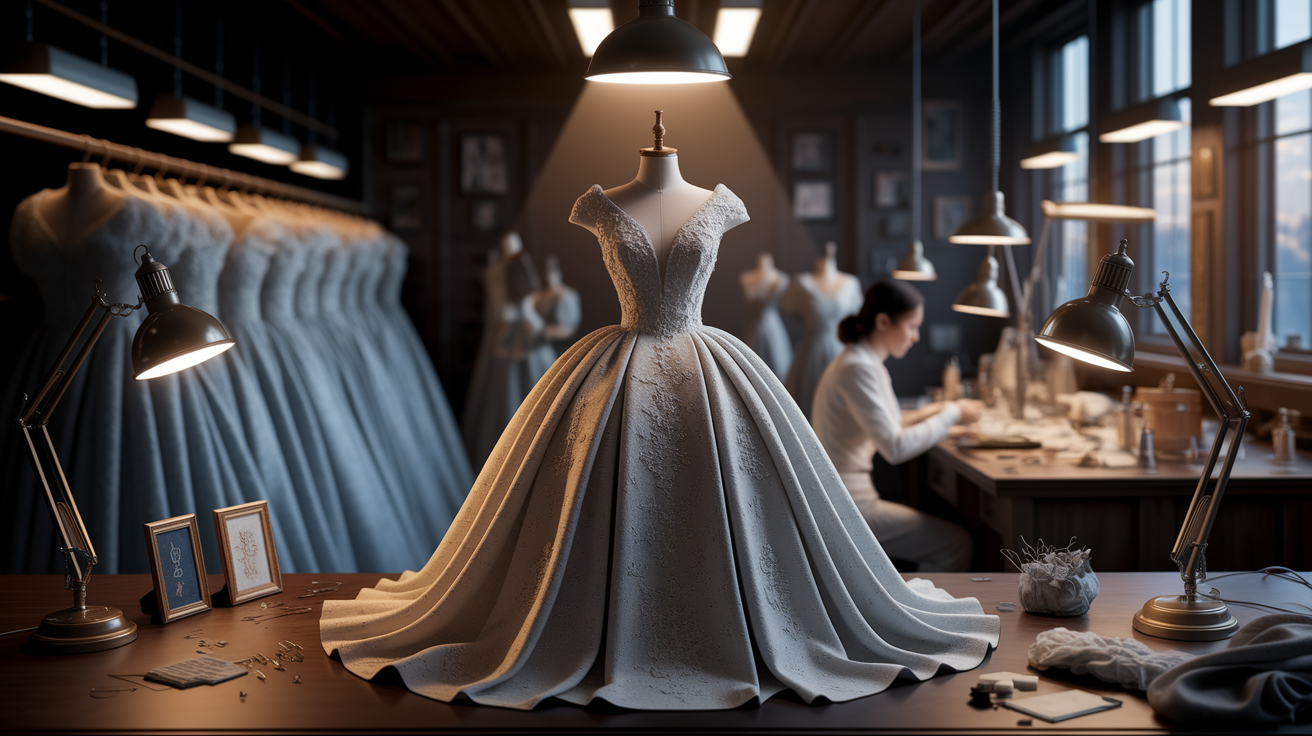
Couture gowns are engineered to perform under the specific conditions of red carpet events: high-intensity lighting, rapid movement, long wear times, and close-up photography from multiple angles. The impeccable drape of couture fabrics ensures that the garment moves fluidly during walking and posing, without bunching, sagging, or losing its silhouette. Hand-embroidery and beading create uniform texture and light play, with each bead or sequin applied at a consistent angle and tension so that the surface reads as cohesive rather than patchy under camera flash and stage lighting.
Fit precision is critical for camera performance. A couture gown conforms to the wearer’s body without gaping at the neckline, pulling at the bust, or wrinkling at the waist, ensuring that every frame (whether a wide shot on the step-and-repeat or a close-up during a candid moment) looks intentional and polished. The internal structure distributes the weight of embellishments and heavy fabrics across the torso and hips, preventing the garment from sagging or shifting during extended wear and allowing the wearer to move, sit, and stand comfortably without constant adjustment.
Ready-to-wear gowns may appear strong from a distance, but close inspection often reveals standard sizing compromises: slight gaping at armholes, visible bra lines due to inadequate internal support, or machine-stitched hems that catch light differently than hand-finished edges. RTW embellishments may show irregular spacing or glued attachments that can lift or shift under movement, and the simplified internal structure can result in fabric bunching or silhouette collapse after hours of wear.
Camera-performance traits that favor couture:
Seamless, body-conforming fit with no gaping, pulling, or bunching at stress points.
Hand-executed embellishments with uniform tension, creating consistent light reflection and dimensional texture.
Flawless seam finishes and hems that remain invisible or intentionally decorative under close-up photography.
Internal weight distribution through corsetry and waist-stays, ensuring comfort and stable silhouette during long events and multiple photo angles.
The cumulative effect is a garment that looks and performs as a cohesive work of art, rather than a purchased item adjusted to fit, delivering the visual confidence and media impact that define iconic red carpet moments.
Celebrity Examples: Couture vs Ready-to-Wear Red Carpet Outcomes
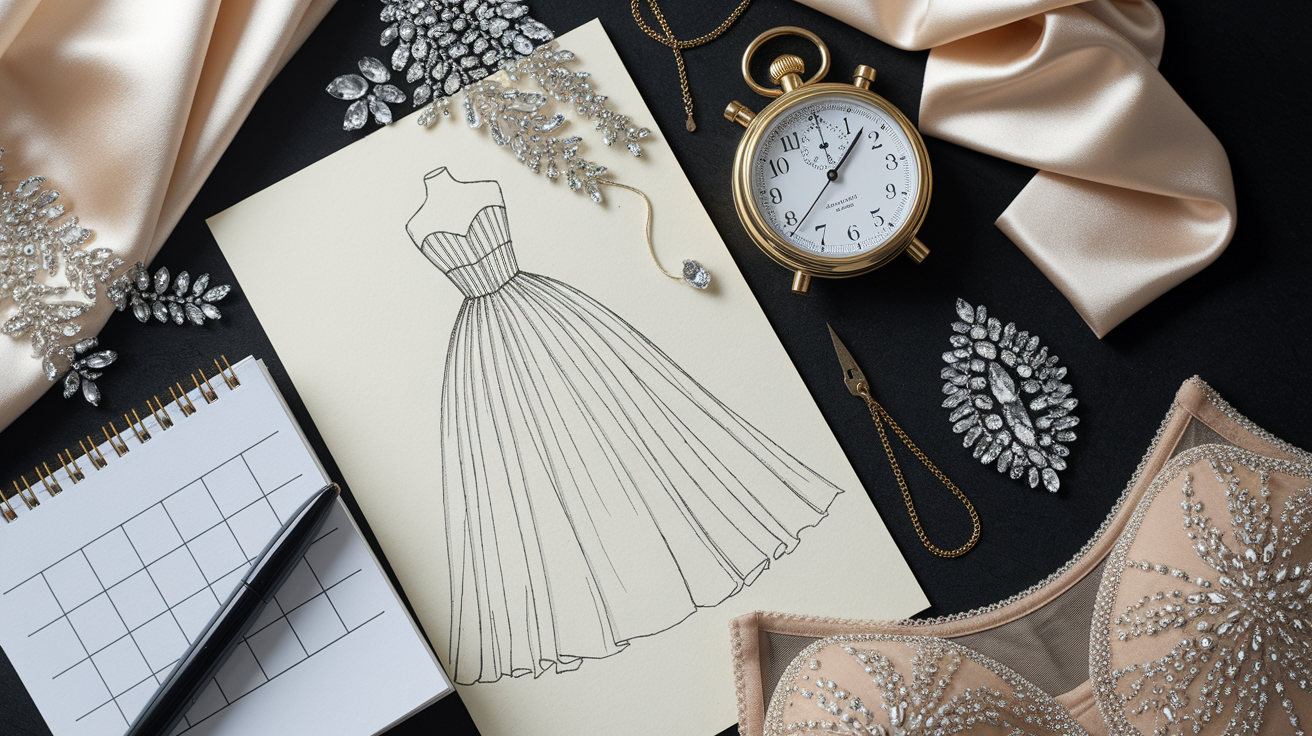
Couture gowns often create defining red carpet moments because they carry the narrative of collaboration between a celebrated designer and a high-profile client, the exclusivity of one-off construction, and the visible evidence of artisan craftsmanship in close-up press photography. A heavily beaded couture gown with hand-embroidered motifs and a sculpted silhouette will generate more editorial coverage and social media engagement than a well-styled but commercially produced RTW piece, because the garment itself functions as a news story: who made it, how long it took, what techniques were used, and why it was chosen for this specific event.
Ready-to-wear gowns, even from luxury brands, often appear polished and elegant but lack the level of detail and narrative depth that fuels extended press cycles. An RTW gown may photograph beautifully in wide shots but reveal machine seams, simplified embellishments, or fit compromises in close-ups, limiting its ability to dominate best-dressed roundups or inspire archival fashion retrospectives.
Typical case-study outcomes:
Couture gown at a major award ceremony: generates multi-angle press coverage, close-up detail shots, designer interviews, and long-term archival value as a “moment” in fashion history.
High-end RTW gown at the same event: receives positive styling mentions and wide-shot photography, but limited close-up editorial interest and shorter media cycle.
Couture gown worn by a first-time nominee: amplifies the wearer’s profile by signaling serious fashion commitment, designer collaboration, and access to exclusive atelier resources, often resulting in increased brand partnerships and future red carpet invitations.
The choice of couture over RTW isn’t just about aesthetics. It’s about constructing a visual and narrative identity that performs across press, social media, and industry perception.
Who Should Choose Couture vs Ready-to-Wear?
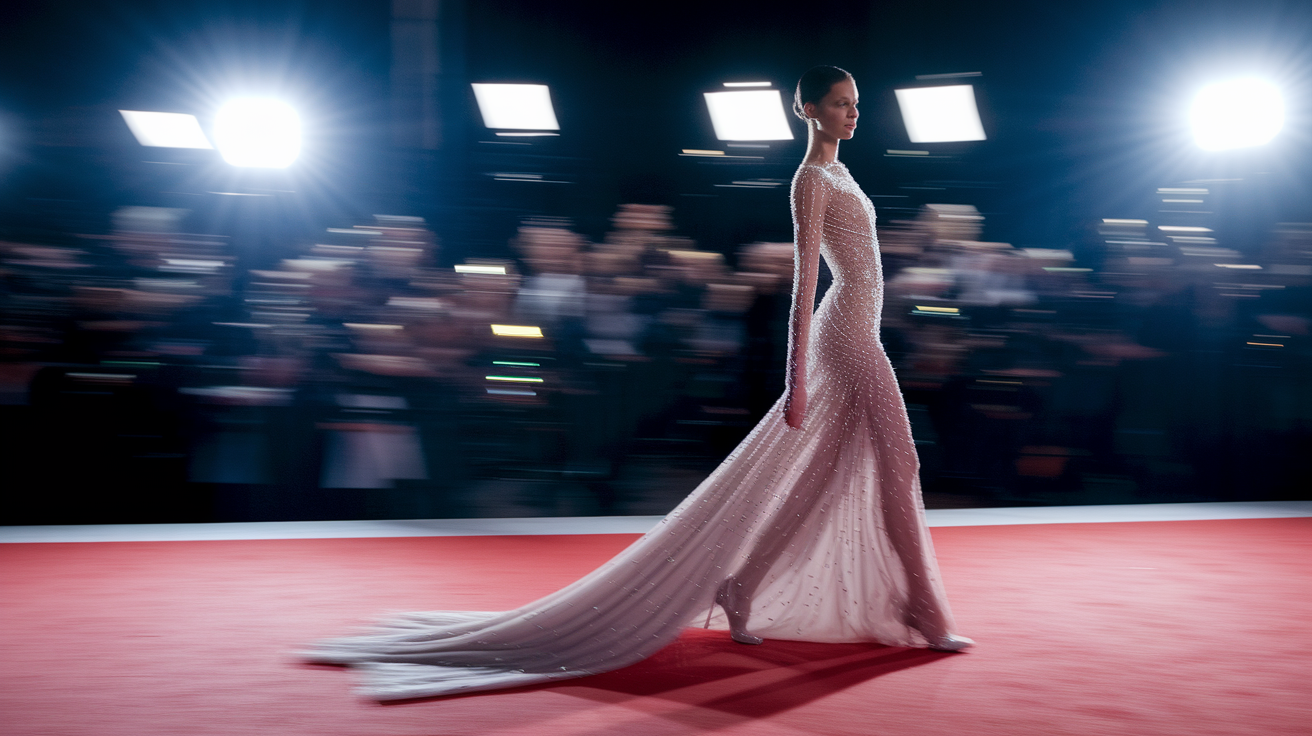
Celebrities and their styling teams choose couture for exclusivity, perfect fit, brand alignment, and the publicity value that comes from wearing a piece of artisan-level craftsmanship at a high-profile event. Couture signals that the wearer values fashion as art, collaborates closely with designers, and has access to the highest tier of atelier resources. The decision to commission a couture gown often reflects the significance of the event: first major award nomination, milestone career moment, or a red carpet appearance with global media coverage, and the desire to create a defining visual statement that will be remembered and archived.
Ready-to-wear is chosen when timelines are tight (under four to six weeks), budgets are constrained, or the wearer prefers simplified logistics and immediate availability. RTW also makes sense when a brand’s standard sizing and fit model already align well with the wearer’s proportions, reducing the need for extensive alterations. For less formal events, trend-testing, or regional appearances with lower media stakes, RTW offers accessibility, variety, and the ability to purchase and style a complete look in a single session.
Stylist-designer collaborations for couture begin months in advance, with design briefings, mood boards, fabric selection, and fitting schedules coordinated around the client’s calendar and the atelier’s production capacity. The process is intimate and iterative, requiring trust, clear communication, and flexibility. RTW styling is more transactional: pieces are pulled from showrooms or purchased from boutiques, fitted quickly, and returned or retained based on the event outcome and publicity value.
Role-based recommendations:
A-list talent attending the Oscars, Met Gala, or Cannes: couture for maximum impact, exclusivity, and archival legacy.
Emerging actors with limited lead time or budget: high-end RTW for strong design and accessibility, with potential for future couture collaborations as profile grows.
Stylists managing multiple clients during awards season: a mix of couture for top-tier clients and RTW for supporting appearances, balancing workload and atelier access.
Private clients attending black-tie galas or weddings: couture if the event is a once-in-a-lifetime milestone and fit or exclusivity is a priority; RTW if speed, convenience, or trend experimentation is preferred.
How to Decide for Your Own Red Carpet Situation
The decision between couture and ready-to-wear depends on event significance, timeline, budget, fit needs, and the value placed on exclusivity and craftsmanship. Couture requires multiple fittings (typically 3 to 6 over several weeks to months), long lead times that often span three to six months or more for complex pieces, high investment (tens of thousands to six or seven figures), and ongoing expert care including professional cleaning, climate-controlled storage, and sometimes insurance for high-value archival pieces. The payoff is a garment built around your exact measurements and movement, constructed with artisan techniques that can’t be replicated in RTW, and carrying the narrative and visual impact of true bespoke luxury.
Ready-to-wear offers speed (purchase and fit within days to weeks), accessibility (available through stores, e-commerce, and showrooms without commission wait times), and simpler logistics (standard care, easier alterations, lower insurance costs). RTW is ideal for event timelines under four weeks, budgets under $20,000, or situations where fit needs are modest and the wearer’s proportions align well with the brand’s sizing model.
Decision-making checklist:
Event significance: Is this a career-defining moment, a once-in-a-lifetime occasion, or a milestone worth documenting with an archival garment?
Lead time: Do you have three to six months (or more) for design, fittings, and construction, or do you need a finished garment within weeks?
Fit history: Have you struggled to find RTW that fits your proportions, posture, or movement preferences, or do standard sizes typically work well with minor alterations?
Budget alignment: Can you invest in the tens of thousands or higher for bespoke craftsmanship, or is your budget better suited to RTW price points?
Desire for exclusivity: Do you want a one-of-a-kind piece that no one else will wear, or are you comfortable with the possibility of duplication?
Value placed on process: Do you want to participate in the creative collaboration, fittings, and artisan process, or do you prefer the simplicity of purchasing a finished garment?
Final Words
On the red carpet, the choice comes down to fit, fabrics, and finish. We ran through what couture does differently: handmade construction, exclusive textiles, multiple fittings and hundreds of artisan hours, and how ready-to-wear swaps some of that for speed, size runs and lower price.
- Best for show-stopping exclusivity and perfect fit: couture.
- Best for fast turnarounds and budget-friendly picks: ready-to-wear.
- Need a middle ground: bespoke alterations or couture-inspired RTW.
couture vs ready-to-wear red carpet gowns what makes couture special is the craft and one-of-a-kind fit that still wins camera moments, so pick what makes you feel unforgettable.
FAQ
Q: What is the difference between ready-to-wear and couture?
A: The difference between ready-to-wear and couture is that couture is made-to-measure, hand-finished, and one-off with hundreds of artisan hours; ready-to-wear is produced in standard sizes, machine-made, and sold in larger runs.
Q: What is the 3-3-3 rule in fashion?
A: The 3-3-3 rule in fashion is a quick styling guideline: build an outfit using three core garments, three coordinating colors or tones, and three accessory or texture points for balanced, photo-ready looks.
Q: Do celebrities buy their red carpet dresses?
A: Celebrities buy their red carpet dresses sometimes, but many dresses are loaned or commissioned by designers; couture gowns are often commissioned or loaned, while ready-to-wear pieces can be purchased outright.
Q: What makes a gown couture?
A: A gown is couture when it’s made-to-measure with multiple fittings, uses exclusive fabrics, features hand-sewn construction and embellishment, and is produced by a recognized couture atelier following bespoke protocols.