
Think TikTok is just for teens? Think again.
A-list makeup artists now mine viral TikTok beauty trends because those short videos show exactly what cameras and celebrity clients need: flawless texture, quick formulas, and universally flattering color stories.
TikTok works like a fast trend lab—creators test looks, MUAs scout the winners, then refine them for 4K lighting, longevity, and diverse skin tones.
This post breaks down the pipeline from viral tutorial to red carpet and why pros turn TikTok hacks into A-list staples.
How TikTok Trends Move Into A‑List Makeup Artistry
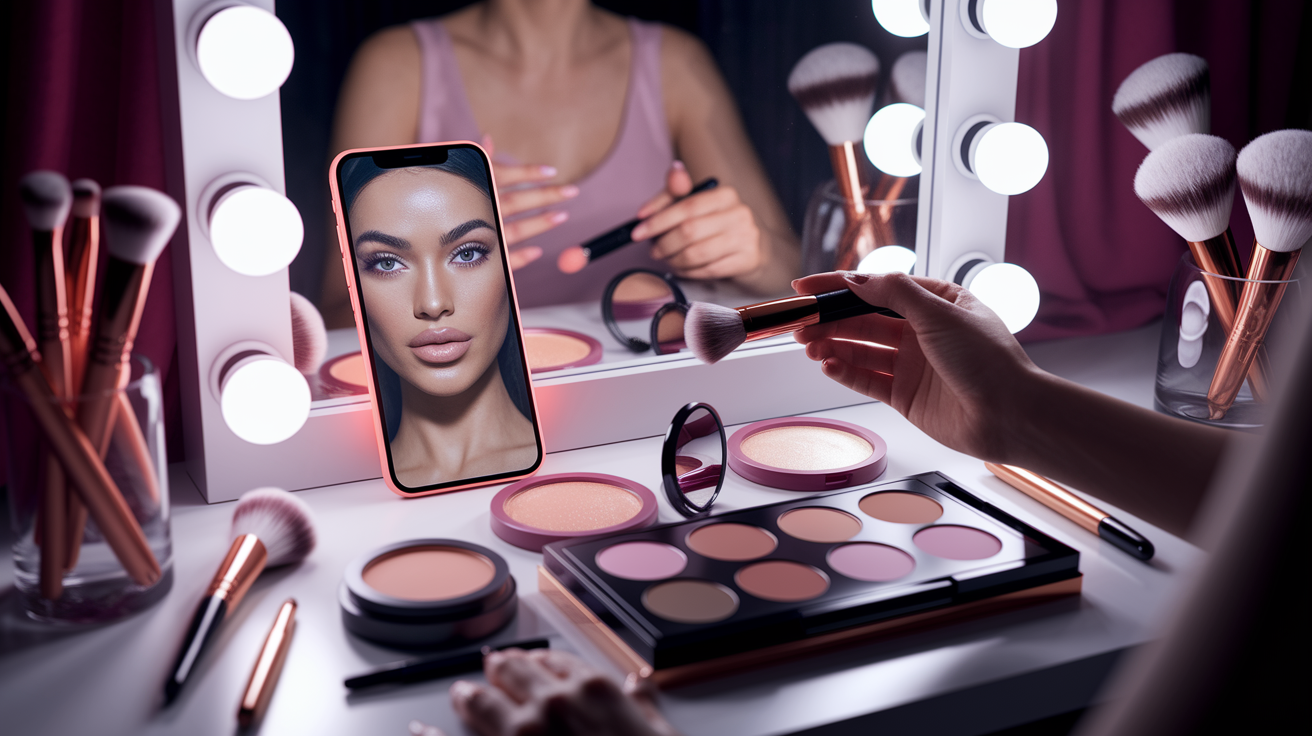
TikTok beauty trends get picked up by A-list makeup artists because viral looks like “glass skin,” “latte makeup,” and “cold girl” deliver exactly what high-resolution cameras and celebrity clients need: flawless texture, natural glow, and fast execution. These trends jump from short videos to red carpets in weeks, sometimes days. When a celebrity asks for “that dewy look from TikTok,” the MUA already knows which primer, cream blush, and light-reflecting particle will recreate the effect under stage lights and 4K lenses.
Professional makeup artists scroll TikTok daily. They’re monitoring viral makeup trends posted by creators like Mikayla Nogueira, Huda Kattan, and Rose Gallagher to spot techniques clients will request next. Celebrity makeup artists influence each other through group chats and backstage conversations, but the initial spark? It often comes from a TikTok tutorial that racks up millions of views in 48 hours. Filters like soft-focus, pastel tones, and glowy-skin effects show MUAs which aesthetics resonate with mass audiences, helping them predict what celebrities will want for their next event or campaign shoot.
The professional adoption timeline runs fast. Viral makeup trends are designed for speed, simplicity, and visual impact. Qualities that translate perfectly to red-carpet prep with tight schedules and intense lighting. A trend that hits critical mass on TikTok one week may appear on an A-list client two to four weeks later, refined for longevity and skin compatibility. The looks that move fastest emphasize natural, buildable textures and universally flattering color stories, making them easy to adapt across skin tones, ages, and event formats.
Viral to red carpet pipeline:
- Creator posts tutorial featuring a new texture, color story, or technique
- Video achieves high engagement (7.52% or higher) and broad follower reach (often 700k+ creator accounts)
- Professional MUAs test the look on models or assistants, adjusting for camera and skin diversity
- Celebrity clients request the trend by name or by showing a saved TikTok
- MUA adapts the look for the event’s lighting, photography format, and desired longevity
A Catalog of TikTok Beauty Trends Frequently Used by Celebrity MUAs
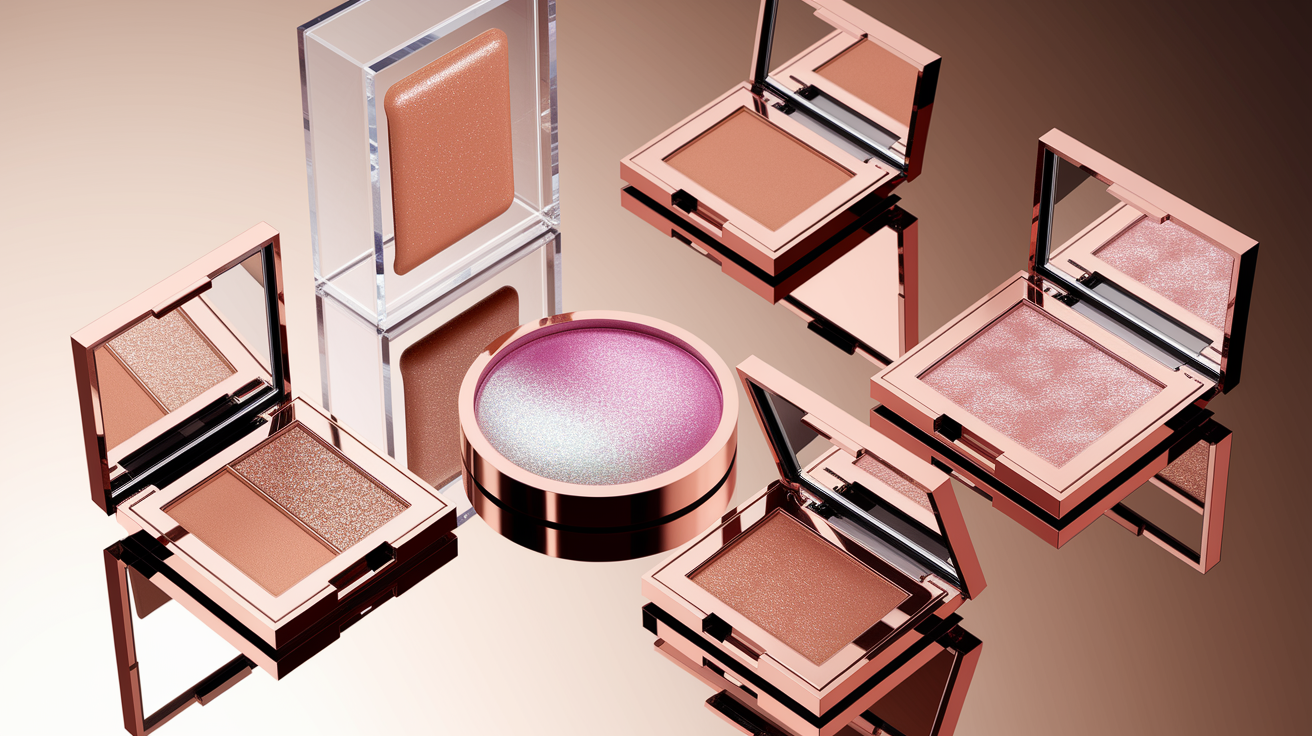
The main TikTok beauty trends adopted by professionals fall into five categories: dewy minimalism (“clean girl,” “glass skin”), warm-toned color stories (“latte makeup”), cool-toned freshness (“cold girl makeup”), maximalist sparkle (Euphoria-inspired iridescent eyes), and bronze/glowy sculpting. Each trend delivers a distinct visual signature that photographs well and can be adjusted for event formality. “Clean girl” emphasizes fresh skin, natural brows, and minimal color. “Glass skin” layers light-reflecting primers and sheer textures for a poreless glow. “Latte makeup” uses warm caramel-brown tones across eyes, cheeks, and lips for a sun-kissed effect. “Cold girl” features pink cheeks, glowing skin, and slightly frosted lips. Euphoria looks lean into iridescent shimmer and bold glitter placement around the eyes.
Creators like Giorgina Juanita (founder of Gigibee Beauty) popularized bronze/glowy tutorials that blend makeup, hair, and outfit styling into a single cohesive aesthetic. Rose Gallagher’s Euphoria-inspired iridescent eye tutorials showed MUAs how to layer glitter without losing definition under stage lights. Short-form video beauty trends thrive when they offer a clear, repeatable formula: “apply this, blend here, set with spray.” That kind of thing translates across skill levels and equipment access. These viral makeup trends gain traction because they solve common client requests: “I want to look like myself but better,” “I need something camera-ready in under 30 minutes,” or “Can you make my skin look like the filter?”
The color stories that define these looks rely on satin eyeshadows, subtle nude tones, cream blushes, and inner-glow skin finishes. Product selection by MUAs now prioritizes lightweight “second skin” foundations with light-reflecting particles, cream contour products instead of powders, and setting sprays with moisturizing effects to prevent dryness. Matte, heavily powdered finishes have fallen out of favor on TikTok and in professional kits alike, replaced by textures that mimic the soft-focus, slightly dewy aesthetic that dominates short-form platforms.
Professional Adaptation Techniques MUAs Use to Translate TikTok Looks for Real Events
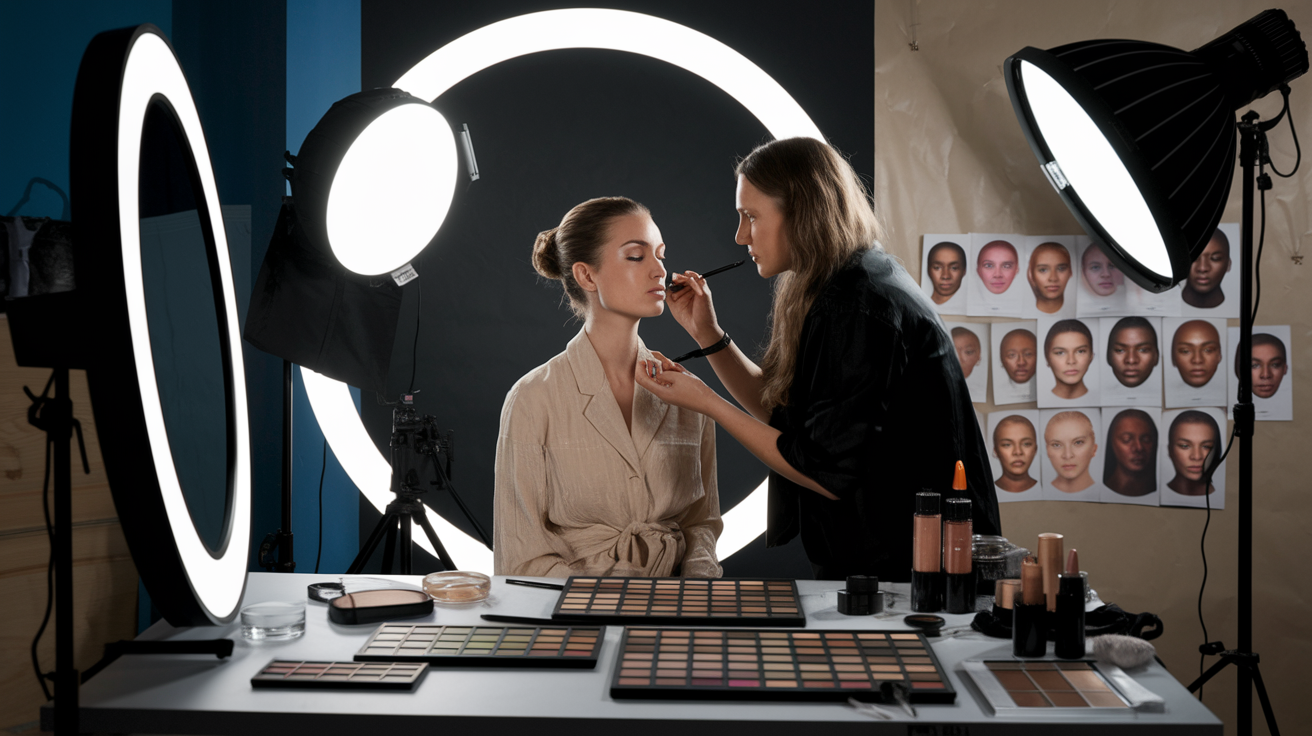
TikTok tutorials are filmed under ring lights, in bathrooms, or with natural window light. Conditions that flatter shimmer and dewiness but don’t replicate red-carpet flashes, stage spots, or 4K camera rigs. A-list makeup artist techniques adjust for those harsher, more revealing environments by thinning out product layers, switching from liquid to cream textures, and using blurring sprays to minimize visible pores without creating a flat, overloaded surface. The same “glass skin” finish that looks perfect in a vertical video can read greasy under event lighting unless the MUA reduces oil-based primers and sets strategic zones with translucent powder.
Translating social looks for high-resolution photography requires layered application, careful color correction, and longevity planning that casual TikTok videos skip. Professional testing of viral hacks like using ribbon to guide contour placement or applying liquid blush directly onto eyelids happens off-camera, where MUAs check for irritation, pigment migration, and photo readiness. Adapting trends for diverse skin tones means swapping out universal “nude” shades for undertone-specific palettes, adjusting shimmer particle size to avoid ashy casts on deeper complexions, and modifying placement so that contour and highlight enhance natural bone structure rather than imposing a one-size formula. Adapting trends for live events adds the need for touch-up-friendly textures, sweat resistance, and products that won’t oxidize or separate under hot lights during multi-hour shoots or award shows.
How MUAs Rework Techniques and Hacks for HD and Skin Diversity
Celebrity MUAs modify viral contour techniques by using softer, more buildable formulas and placing product based on the client’s actual facial structure rather than a generic TikTok map. Shimmer placement shifts from broad swaths across cheekbones to targeted inner-corner and brow-bone highlights that catch light without creating texture in 4K close-ups. Blush location adapts to face shape and age: higher on the apple for a youthful lift, more diffused across the cheek for mature skin that photographs better with softer edges. Undertone matching becomes non-negotiable when a look will be seen under multiple light sources. A shade that looks warm and glowy in a TikTok can read orange or muddy on a red carpet if the undertone clashes with the client’s skin. Safety updates address viral hacks that weren’t designed for sensitive or professional use, like testing any non-eye-safe product (ribbon dye, craft glitter, or non-cosmetic pigments) before applying it near the eye. Modifications for mature skin include switching from matte to satin textures, avoiding heavy powder that settles into fine lines, and using hydrating setting sprays that maintain a fresh finish without emphasizing texture.
Case Studies of Viral TikTok Looks Used on Celebrities
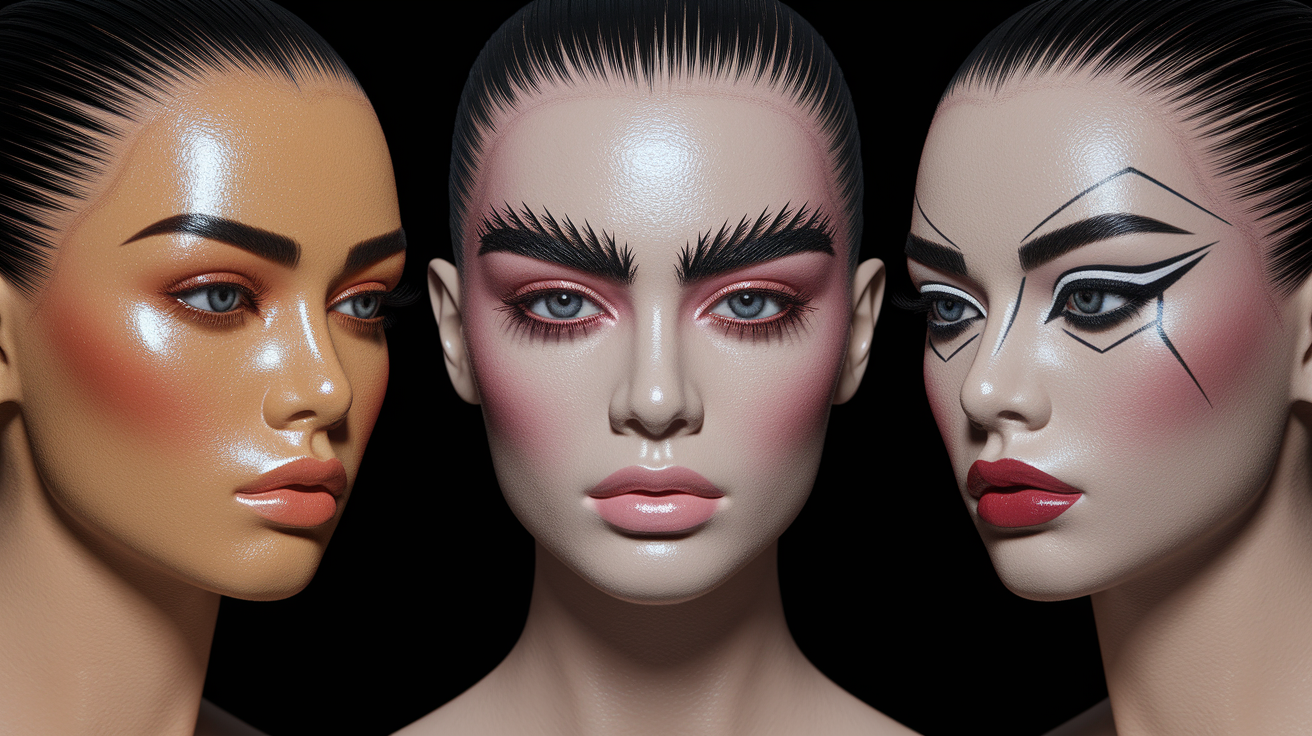
“Glass skin” moved from TikTok video tutorials featuring sheer foundations, light-reflecting primers, and dewy setting sprays to red-carpet execution when celebrities began requesting “that no-makeup glow” for daytime events and magazine covers. Signature celebrity looks inspired by TikTok started appearing at award shows within months of the trend hitting peak engagement, with MUAs layering the same cream products and blurring techniques shown by creators but adjusting application density and setting methods for all-day wear under camera flashes. The case study: glass skin transition to red carpet demonstrates how a viral aesthetic born in bedroom ring-light videos became a go-to for A-list clients who wanted fresh, modern, and instantly recognizable beauty.
“Soap brows,” the TikTok hack of brushing brows upward with a bar of soap or brow gel to create feathery, sculpted arches, transformed into the groomed, laminated-look brows seen on runways and at premieres. The case study: soap brows to groomed arches shows MUAs replacing literal soap (which can flake or irritate) with professional brow-setting gels that deliver the same lifted texture without the DIY risks. Celebrities started asking for “TikTok brows” by name, and MUAs responded by perfecting a version that photographed well from every angle and lasted through multi-hour events without drooping or losing definition.
Graphic liner, bold, angular eyeliner wings, floating lines, and negative-space designs, jumped from short-form beauty experiments to haute couture runways and editorial shoots. The case study: graphic liner brought to haute couture highlights how MUAs took the playful, imperfect energy of TikTok liner tutorials and refined them into precise, repeatable shapes that complemented high-fashion silhouettes. Designers and stylists began requesting graphic liner looks after seeing the massive engagement these videos earned, recognizing that the aesthetic felt current, youthful, and visually arresting in both digital and print formats.
Real creator tutorials from Mikayla Nogueira’s “painting contouring” technique, Rose Gallagher’s iridescent Euphoria eyes, and Giorgina Juanita’s bronze glow serve as reference points MUAs bookmark and revisit when planning looks for celebrity clients. These videos provide a visual shorthand that clients and creative directors understand instantly, speeding up the briefing process and aligning expectations before the first brush touches skin.
Metrics MUAs Use to Evaluate TikTok Trend Viability
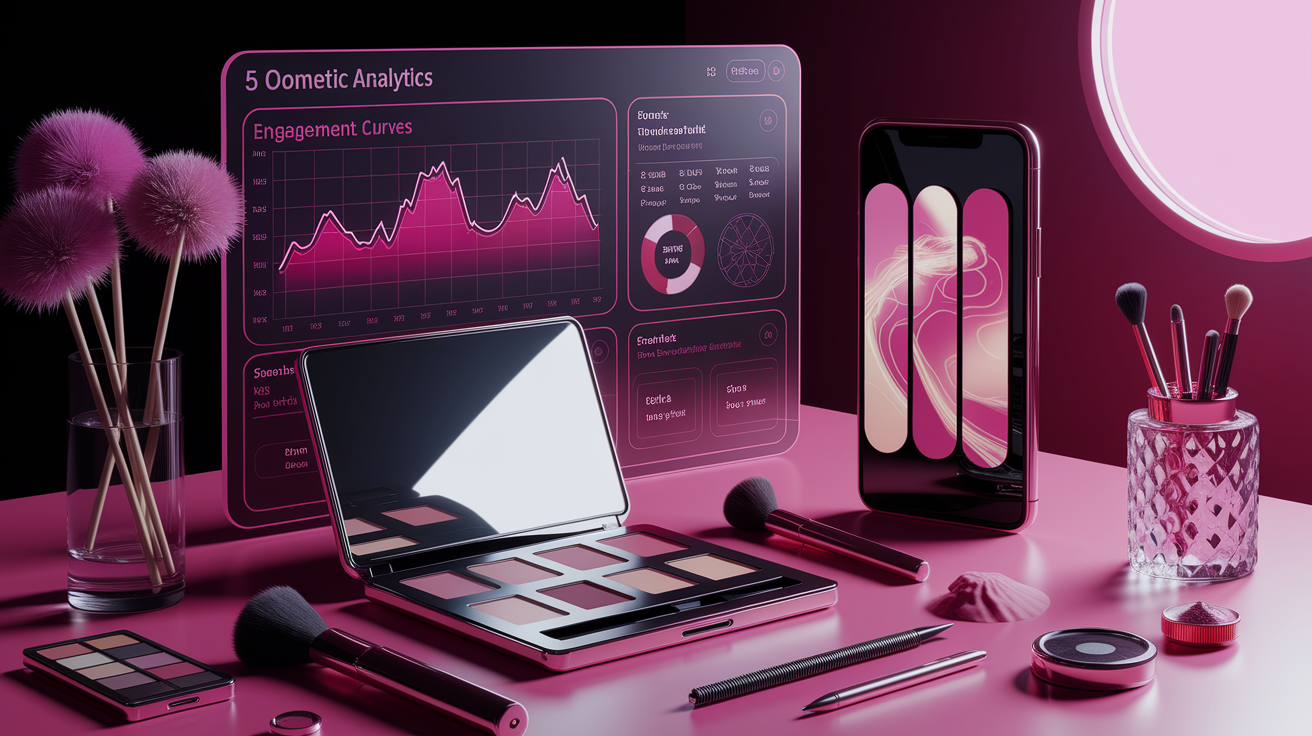
Celebrity makeup artists evaluate trend vetting process markers like engagement rate, follower volume, hashtag velocity, and Google Trends search interest to decide which viral moments are worth adapting for high-profile clients. Beauty TikTok achieves a 7.52% engagement rate, and top creators average over 700,000 followers. Benchmarks that signal a trend has moved beyond niche communities into mass awareness. Metrics MUAs use to evaluate trends include how quickly a hashtag accumulates views (anything hitting 10 million in under a week warrants attention), whether the look appears across multiple creator accounts (indicating organic spread rather than a one-off viral moment), and whether search interest is rising on Google Trends over weeks or months rather than spiking and disappearing overnight.
Client inquiries and direct celebrity requests act as the ultimate adoption signal. When multiple clients text the same TikTok link or ask for “that pink cheek thing,” the MUA knows consumer demand is shaping professional technique and it’s time to test the look in the kit. Hashtag impact on professional uptake accelerates when a trend is easy to name, search, and replicate. “Latte makeup” or “cold girl” offer clear visual identities that clients, stylists, and MUAs can reference in shorthand during fast-paced prep sessions.
| Metric | Why It Matters |
|---|---|
| Engagement rate (7.52% or higher) | Signals broad audience interest and repeatability across demographics |
| Follower volume of originating creator (700k+) | Indicates the trend launched from a trusted, established voice |
| Hashtag view velocity (10M+ in under a week) | Shows rapid, organic spread rather than paid or isolated promotion |
| Client requests and saved TikToks | Confirms the trend has reached celebrity and high-net-worth audiences |
Collaboration Between Influencers and Celebrity MUAs
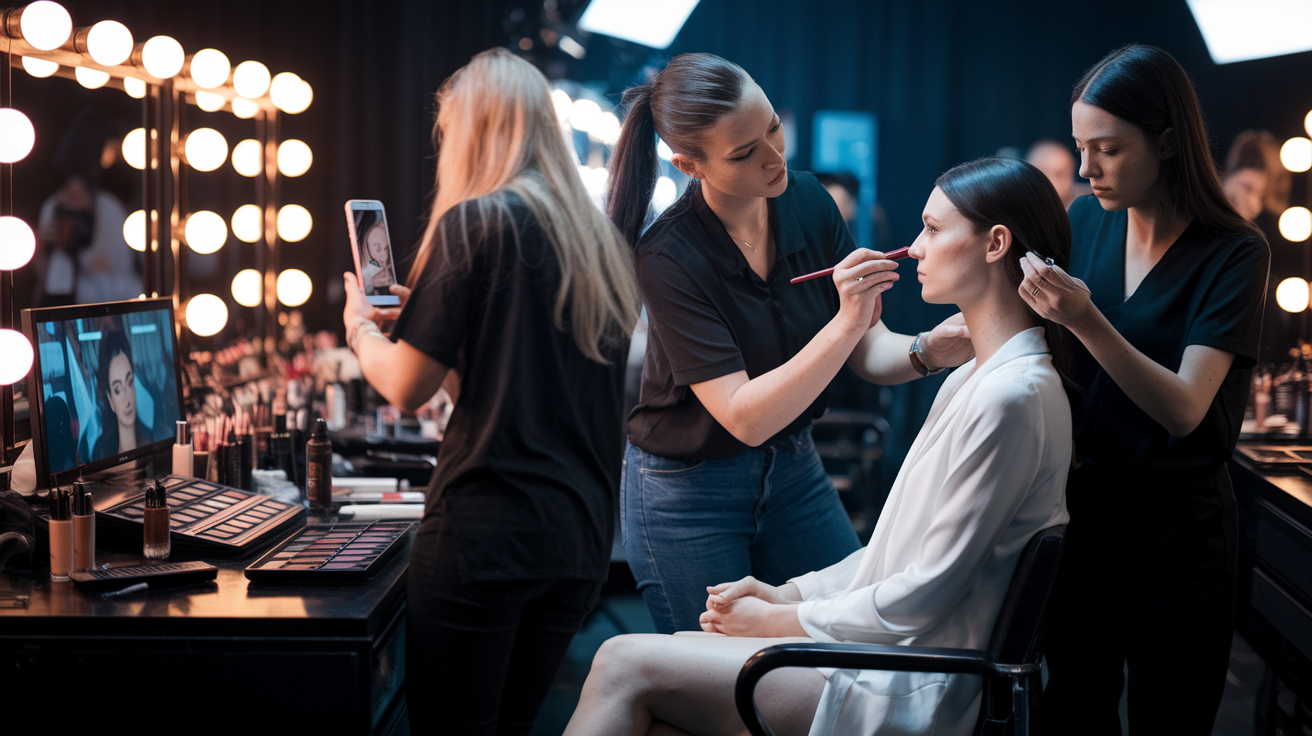
Professional makeup artists study influencer methods because creators like Mikayla Nogueira, Huda Kattan, and James Charles test products, techniques, and color combinations in real time, offering immediate feedback loops that traditional editorial testing can’t match. Collaboration between creators and celebrities happens both formally (brand partnerships, campaign co-creation) and informally (MUAs citing a creator’s tutorial when pitching a look to a stylist or client). Influencer collaborations with pro artists bring credibility to viral hacks and help MUAs explain why a technique works, using the creator’s video as visual proof during client consultations or team briefings.
Co-created looks emerge when a celebrity MUA adapts a TikTok tutorial on set, tags the original creator, and posts the behind-the-scenes process, creating a feedback loop that benefits both parties. Backstage collaboration often involves MUAs showing models or assistants a TikTok video, then workshopping the look together to find the version that suits the client’s skin, the event’s dress code, and the lighting setup. Makeup artist social media strategies now prioritize short-form content creation by MUAs, with professionals posting their own GRWM videos, BTS clips from shoots, and tutorials that remix trending techniques for advanced skill levels.
Celebrity MUAs grow their own TikTok presence by demonstrating how they adapt viral trends for A-list clients, offering followers a behind-the-curtain view of professional refinement. Short-form content creation by MUAs includes time-lapse application videos, product recommendation carousels, and quick explainers on why a trending hack works (or doesn’t) in high-stakes environments. This cross-pollination means influencers gain professional validation when their techniques appear on red carpets, and MUAs gain follower growth and client inquiries by showing they’re fluent in the visual language that dominates beauty culture.
How TikTok Shapes Trend Forecasting for Future A‑List Looks
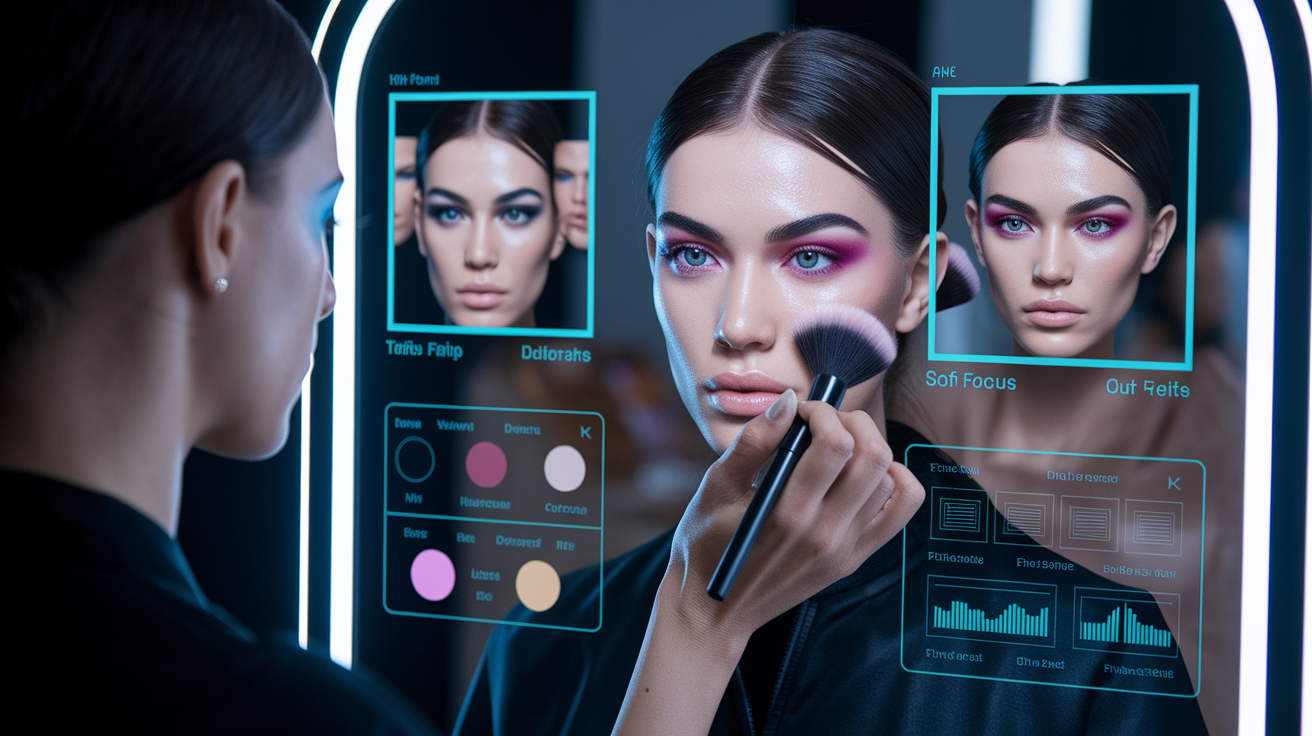
Makeup trend forecasting now relies on monitoring TikTok engagement spikes, filter evolution, and the velocity at which new aesthetics spread across creator communities. Google Trends shows a multi-year increase in searches for “makeup for video,” confirming that the shift toward camera-optimized beauty is sustained rather than seasonal. Future predictions for social-to-pro beauty flow track which filters gain traction (soft-focus and pastel tones have remained consistent, while new AR effects introducing color-shifting pigments or virtual textures hint at next-generation product launches), and which aesthetic movements emerging from short videos begin appearing in editorial mood boards and designer runway briefs.
AR and AI tools allow MUAs to pre-visualize how a TikTok trend will translate under different lighting, on different skin tones, and with different product formulas before committing to a look on a celebrity client. Timeline from viral moment to red carpet continues to compress as these digital tools reduce testing time and increase confidence in trend adaptation. The same technology that powers virtual try-on apps on TikTok feeds into professional workflows, helping MUAs forecast which textures, colors, and techniques will dominate the next awards season, fashion week, or campaign cycle based on real-time engagement data and creator innovation.
Final Words
Glass skin, latte makeup, and cold girl went from TikTok clips to red carpets in weeks, showing how viral moments jump straight into A-list toolkits. We ran through which looks rise, the creators MUAs watch, the pro tweaks for HD cameras, case studies, and the metrics that make a trend stick.
So yes — this piece maps the full pipeline and explains how TikTok beauty trends are adopted by A-list makeup artists, fast, measurable, and totally remixable. The next big look is already being filmed.
FAQ
Q: Who is the most famous TikTok makeup artist?
A: The most famous TikTok makeup artist is Mikayla Nogueira, known for viral tutorials, honest product reviews, and millions of followers who helped turn TikTok trends into mainstream beauty moments.
Q: How has TikTok changed the beauty industry?
A: TikTok has changed the beauty industry by accelerating trends, spotlighting creators like Huda and James Charles, boosting product sales, and giving pro MUAs fast inspiration for red carpet and editorial looks.
Q: What is the 2/3 rule for makeup?
A: The 2/3 rule for makeup means emphasize two of three focal areas, skin, eyes, or lips, so the final look stays balanced, polished, and photo-friendly without competing features.
Q: What makeup is trending on TikTok?
A: The makeup trending on TikTok includes clean girl, cold girl, glass skin, latte makeup, Euphoria-style glitter, and bronzy glows, often inspired by creators like Mikayla, Rose Gallagher, and Giorgina.