
Forget runway shows, celebrities’ sidewalk outfits, not red carpet gowns, are the real trendsetters now.
Celebrity street-style trend mapping watches what stars wear off duty, from paparazzi coffee runs and IG stories to city strolls, then spots pieces that pop up across multiple names in a four-to-twelve week window.
When the same bag, boot, or silhouette shows up on several celebs, search spikes and retailers rush to stock up.
This post explains how the tracking works, the tools pros use, and how brands and shoppers turn those patterns into smart buys and content.
How Celebrity Street‑Style Trend Mapping Works (Core Insight Delivery)
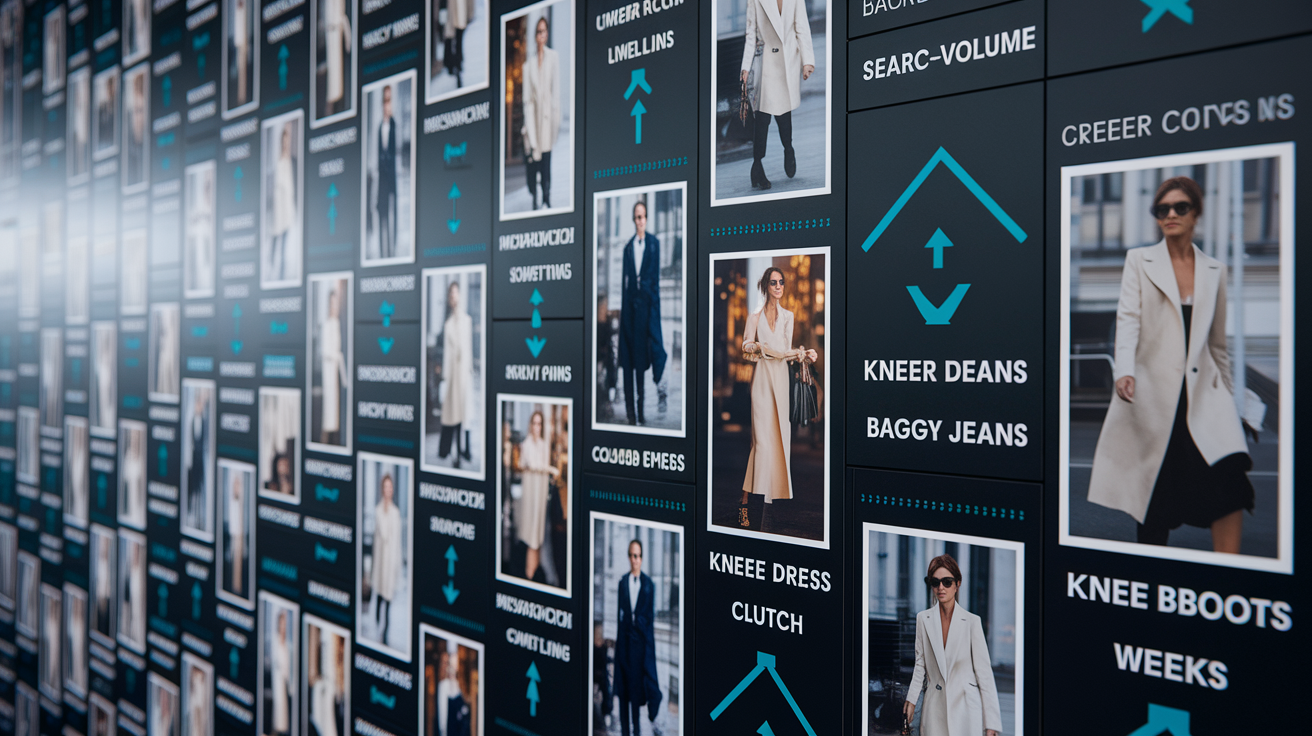
Celebrity street‑style trend mapping is basically tracking what famous people wear when they’re not on a red carpet, then figuring out which pieces are about to blow up. It’s different from runway forecasting because you’re watching real‑world outfits, the kind paparazzi catch outside coffee shops or that pop up on Instagram Stories at 2 p.m. on a Tuesday. The whole point? Spot what’s showing up over and over again across a bunch of celebrities in a four to twelve week stretch, then use that intel to stock stores, plan content, or just know what everyone’s going to be Googling next month.
Celebrities act like early adopters. They wear stuff first, and if enough of them wear the same thing within a short window, that’s when a pattern starts to form. One sheer dress on Zoë Kravitz could just be Zoë being Zoë. But when Dakota Johnson shows up in something similar three weeks later, and then two more celebrities do the same thing, you’ve got a microtrend ready to scale. Social media speeds everything up. Fans screenshot, save, search “how to get Dua Lipa’s clutch,” and suddenly you’ve got measurable spikes in search volume and actual purchases happening within days.
Here’s how the mapping workflow actually breaks down:
- Daily monitoring. Set up hashtag streams for #OOTD, #streetstyle, plus individual celebrity names paired with “outfit” or “style.” Follow street‑style photographers and fan pages that post updates fast.
- Image alerts. Use reverse image search and Google Alerts for “[celebrity name] + outfit” so you catch wire photos and editorial features. Save everything to a visual library and tag it by date and location.
- Tag attributes. Label each outfit by item type (blazer, boots, jeans), color (black, beige, neutral), fabric (leather, denim, sheer), occasion (daytime, evening, casual), and accessories (clutch, sneakers, sunglasses).
- Measure search volumes. Cross‑reference celebrity appearances with Google Trends and Pinterest Trends data for item keywords. Track week over week changes to see if momentum’s building or fading.
- Detect retail impact. Monitor sales velocity, search to buy conversion, and SKU level demand for categories tied to recent celebrity sightings. Note which retailers are stocking relevant items and how often things sell out.
The insights you pull from all this feed into three different forecasting horizons. Immediate trends (zero to three months) drive fast‑fashion capsules and influencer campaigns timed to what’s happening right now. Near‑term forecasts (three to nine months) guide seasonal assortment planning and editorial calendars. Seasonal predictions (nine to eighteen months) help brands decide if baggy jeans or boho dresses will carry into next year or fade out after one season.
Tools and Platforms Powering Celebrity Street‑Style Trend Mapping

No single tool gives you the full picture, so most people build a stack. Social listening platforms like Brandwatch, Meltwater, and Talkwalker track mentions, hashtags, and engagement across Instagram, TikTok, Twitter, and celebrity fan forums. These tools surface volume spikes when a celebrity posts an outfit or when paparazzi photos start circulating, giving you real‑time alerts that a new look is gaining traction. Google Trends and Pinterest Trends add the search layer, showing when people start hunting for “Bermuda shorts outfit ideas” or “sheer dress styling tips” days or weeks after a celebrity appearance. Lyst insights and retail best‑seller lists confirm that online searches are turning into actual purchases.
Image recognition APIs sit at the core of scalable trend mapping. These tools automatically tag garments, detect silhouettes (oversized, fitted, cropped), pull color palettes (neutral tones, bold prints, monochrome), and identify specific items (blazer, clutch, knee‑length boots, bike shorts) from thousands of street‑style photos without you having to label everything manually. Platforms like Heuritech use deep learning trained on runway and retail datasets to classify fabrics (leather, suede, denim, sheer), recognize brand logos, and calculate the percentage of sampled images containing a given attribute. So if twenty percent of celebrity street photos captured in a two week window show knee‑length boots, the system flags boots as an emerging trend candidate and ranks it against historical thresholds.
Search signals, retail velocity, and dedicated forecasting services like WGSN and Stylus close the loop between observation and prediction. SEO tools such as SEMrush and Ahrefs track keyword ranking movements and search volume changes for phrases like “baggy jeans outfit” or “boho dress styling,” showing how quickly consumer interest follows celebrity appearances. Retail analytics platforms measure sell‑through rates, conversion uplift on shoppable posts, and SKU velocity by category, validating whether a trend seen on three celebrities last month is now driving double‑digit growth in online denim sales. Predictive services combine runway to retail timelines, influencer amplification multipliers, and cohort analysis to estimate the probability that a microtrend will reach mainstream adoption within the next quarter or fade before retailers can stock inventory.
Mapping Today’s Celebrity‑Led Street‑Style Trends
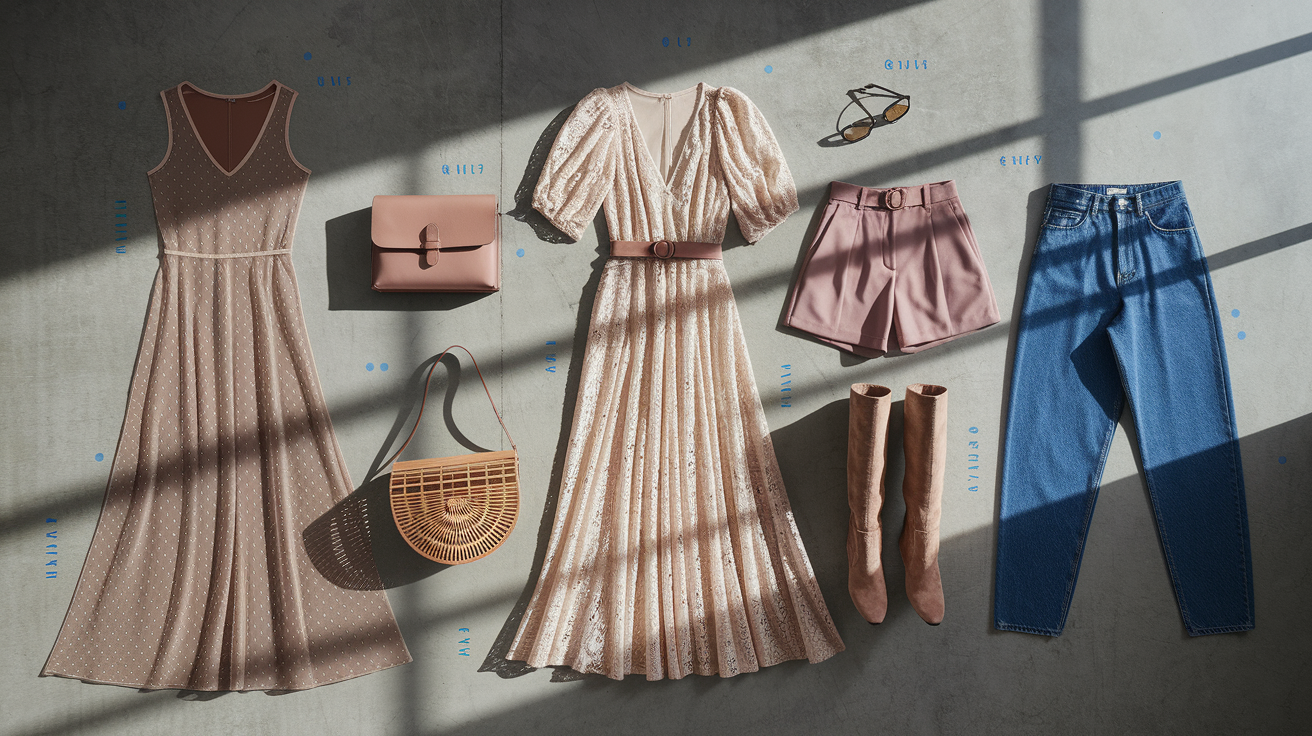
Sheer silhouettes dominated spring and summer 2024 street‑style sightings. Zoë Kravitz and Dakota Johnson pushed the look as something you could wear during the day and still look sophisticated. The trend includes mesh panels, semi‑transparent fabrics, and layered styling where you pair sheer dresses or tops with bodysuits, bralettes, or slip dresses underneath. Chunky boots and strappy sandals show up most often as footwear, balancing the delicate fabric with something grounded and textural. H&M and Zara stocked affordable sheer pieces throughout late spring, making the trend accessible beyond designer price points and stretching its lifespan into early fall layering.
The “it” clutch became the season’s go‑to minimalist leather accessory, replacing oversized totes and crossbody bags in celebrity street photos. Rihanna and Dua Lipa carried neutral‑toned clutches in beige, black, and brown across casual coffee runs and evening events. The styling centers on pairing a sleek, compact clutch with both relaxed denim looks and tailored separates, signaling versatility without trying too hard. ASOS, Mango, and thrift stores offered entry‑price options that mirrored the designer silhouette, driving search interest and sell‑through rates among younger shoppers who wanted the aesthetic without the investment‑level spend.
Boho chic dresses made a comeback through Emily Ratajkowski’s frequent appearances in flowy fabrics, lace details, and crochet panels. The trend leans heavily on thrifted and vintage finds, with oversized cardigans, denim jackets, and ankle boots used to modernize the silhouette for 2024. Woven bags and layered jewelry complete the look, creating a relaxed, festival‑ready vibe that works across spring, summer, and early fall. Thrift stores and resale platforms saw increased searches for vintage boho pieces following Ratajkowski’s posts, showing how a single celebrity’s consistent styling can revive dormant categories and drive secondary‑market demand.
Bermuda shorts got an elevated treatment when Camila Mendes and others styled tailored versions with fitted tops, blazers, and statement belts. The difference from past iterations is the high‑waisted, structured fit that reads as polished instead of gym casual, paired with heeled sandals or loafers instead of sneakers. Uniqlo and Old Navy positioned Bermudas as core warm‑weather staples, and search data showed week over week growth exceeding twenty percent during May and June, confirming the trend had momentum beyond a one‑off celebrity moment.
Knee‑length boots appeared across multiple celebrity wardrobes in leather, suede, and synthetic textures, styled with skirts, dresses, skinny jeans, and even bike shorts. The versatility made it a fall and winter anchor piece, replacing sneakers and sandals as the footwear for elevated casual looks. DSW and Target stocked budget‑friendly synthetic options that mirrored designer styles, broadening adoption and extending the trend’s reach into mid‑market retail. Co‑occurrence analysis showed knee‑length boots frequently paired with oversized blazers and neutral tones, creating a repeatable styling formula easy for people to recreate.
Baggy jeans replaced skinny denim as the relaxed bottom of choice. Jennifer Lawrence and other celebrities wore them for comfort without sacrificing style. High‑waisted cuts balanced the oversized leg, and styling typically involved fitted or cropped tops, tuck‑ins, or structured blazers to maintain proportion. Levi’s and American Eagle became the most cited affordable sources, and social media tutorials on “how to style baggy jeans” spiked alongside celebrity sightings, showing how educational content amplifies trend adoption when timed to visual proof points from trusted style icons.
Data Visualization Techniques for Street‑Style Trend Mapping
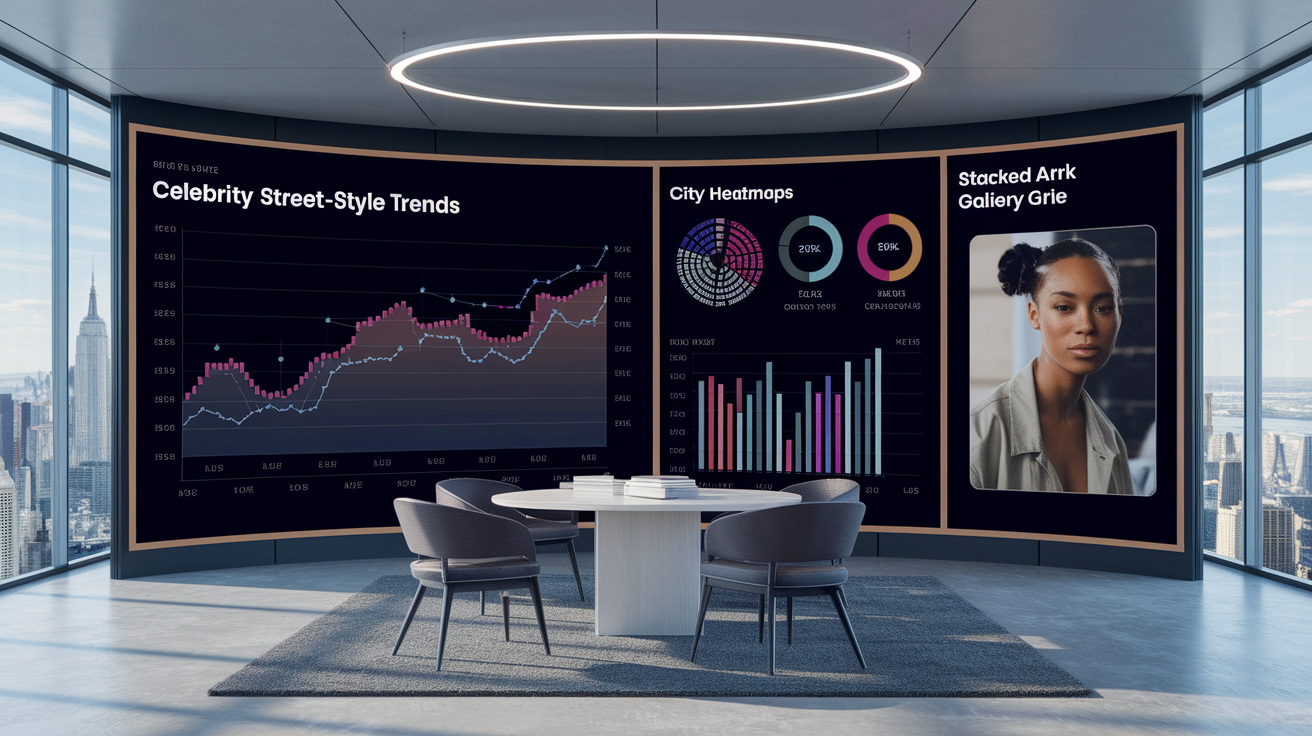
Turning raw celebrity outfit data into something you can actually use requires visual formats that show trajectory, co‑occurrence, and how trends spread geographically or demographically.
Core visualization types:
Time series line charts. Plot weekly or monthly mention volumes, search interest, or image counts for a specific garment (like knee‑length boots) with annotations marking celebrity appearance dates so you can see cause and effect timing.
Heatmaps. Display frequency of item pairings (blazer + sneakers, sheer dress + chunky boots) or geographic prevalence by city, revealing which metro areas show early adoption signals versus late followers.
Co‑occurrence network graphs. Link celebrities to items to brands in a visual web, illustrating influence pathways and showing which celebrity clusters drive overlapping trends (like Hailey Bieber and Kendall Jenner both wearing bike shorts within the same week).
Geographic diffusion maps. Show where street‑style photos are captured (New York, Los Angeles, London, Paris) and how trends spread from high‑fashion capitals to secondary markets over time.
Search interest curves work best when you overlay them with sell‑through rate data, creating a dual axis view that connects consumer curiosity to actual purchase behavior. Item frequency counts displayed as stacked area charts show category share over time, like clutches gaining share versus totes across a six month window. Image galleries tagged with metadata (date, location, celebrity, detected garments) serve as visual proof libraries that editors and merchandisers can filter by attribute, making it easy to pull examples when building trend reports or shoppable edits. Dashboards updated weekly should include filters by celebrity name, region, retailer, and trend status (emerging, peak, declining) so stakeholders can drill into the data that matters most for their planning horizon and target audience.
Seasonal and Lifecycle Mapping of Celebrity Street‑Style Trends
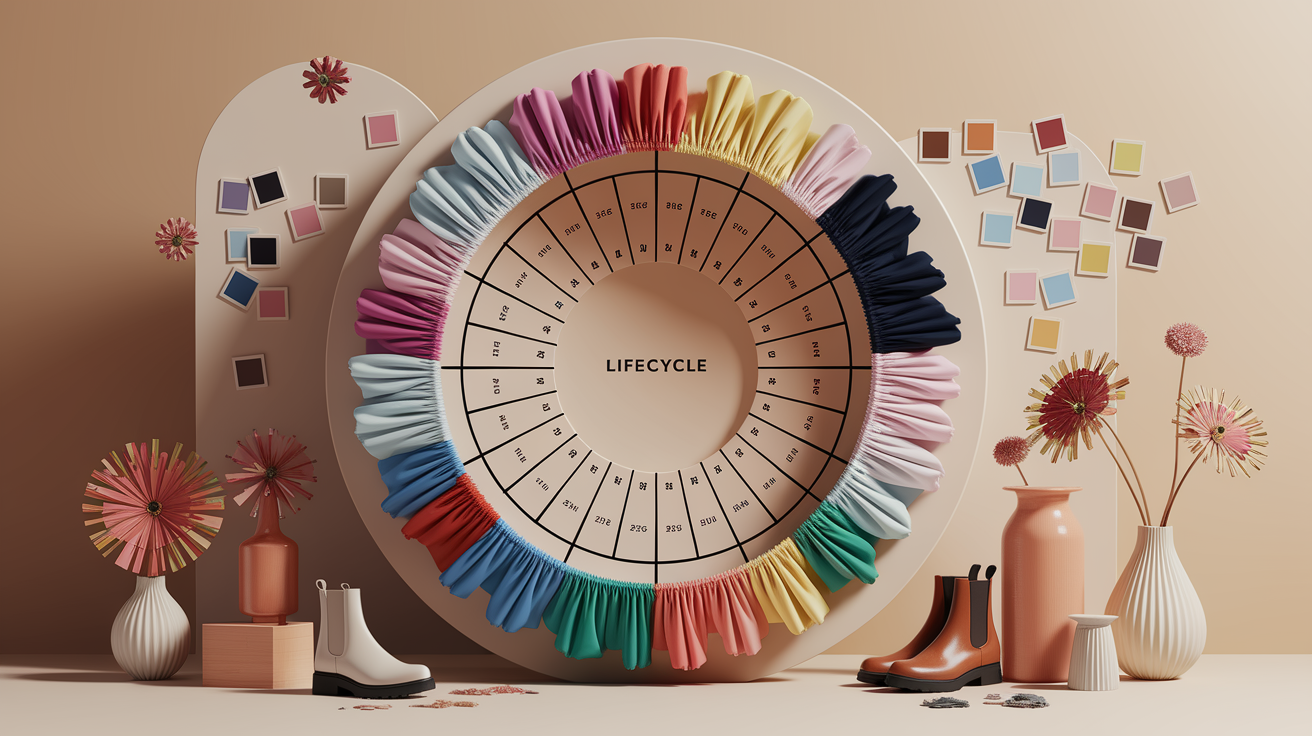
Seasonal patterns in celebrity street style follow the fashion calendar but often signal shifts weeks or months before traditional runway to retail timelines. Quarter over quarter comparisons reveal whether a trend like Bermuda shorts or sheer silhouettes is tied to warm weather months or beginning to appear in fall layering contexts. Year over year month alignment (comparing June 2023 to June 2024) isolates whether growth is cyclical (expected every summer) or represents new behavior. Fabric and color frequency tracking adds detail by measuring the percentage of sampled celebrity images showing denim versus leather, or neutral tones versus bold prints, across rolling four to twelve week windows.
Trend lifecycle phases include early stage emergence, peak adoption, plateau, and carryover or decline. Sheer silhouettes in 2024 entered early stage emergence in late winter when Zoë Kravitz and Dakota Johnson first appeared in layered mesh pieces, reached peak adoption by late spring with broader celebrity clusters adopting the look, and showed signs of plateau by midsummer when search interest stabilized instead of continuing to spike. Baggy jeans have sustained growth signals over multiple quarters, suggesting longer lifecycle potential and lower carryover risk into 2025. Retailers and forecasters use these phases to time inventory buys, with fast‑fashion players moving quickly during early stage signals and premium brands waiting for peak confirmation before committing to larger production runs.
Silhouette, fabric, and color trajectory tracking requires tagging each celebrity appearance with specific attributes and calculating share of voice over time. If oversized blazers appear in fifteen percent of all tagged celebrity street photos in March, twenty two percent in April, and eighteen percent in May, the trajectory suggests sustained interest instead of a one month spike. Tracking leather as a fabric shows whether it remains a fall winter staple or begins creeping into spring summer wardrobes through lighter treatments like perforated leather or vegan alternatives. Color palette trends like the rise of beige, brown, and neutral tones in 2024 clutch and outerwear categories become quantifiable when palette extraction tools measure RGB values and group them into trend relevant buckets, then chart those buckets’ prevalence month by month.
Tracking Celebrity Looks Through Automated Tagging and Metadata
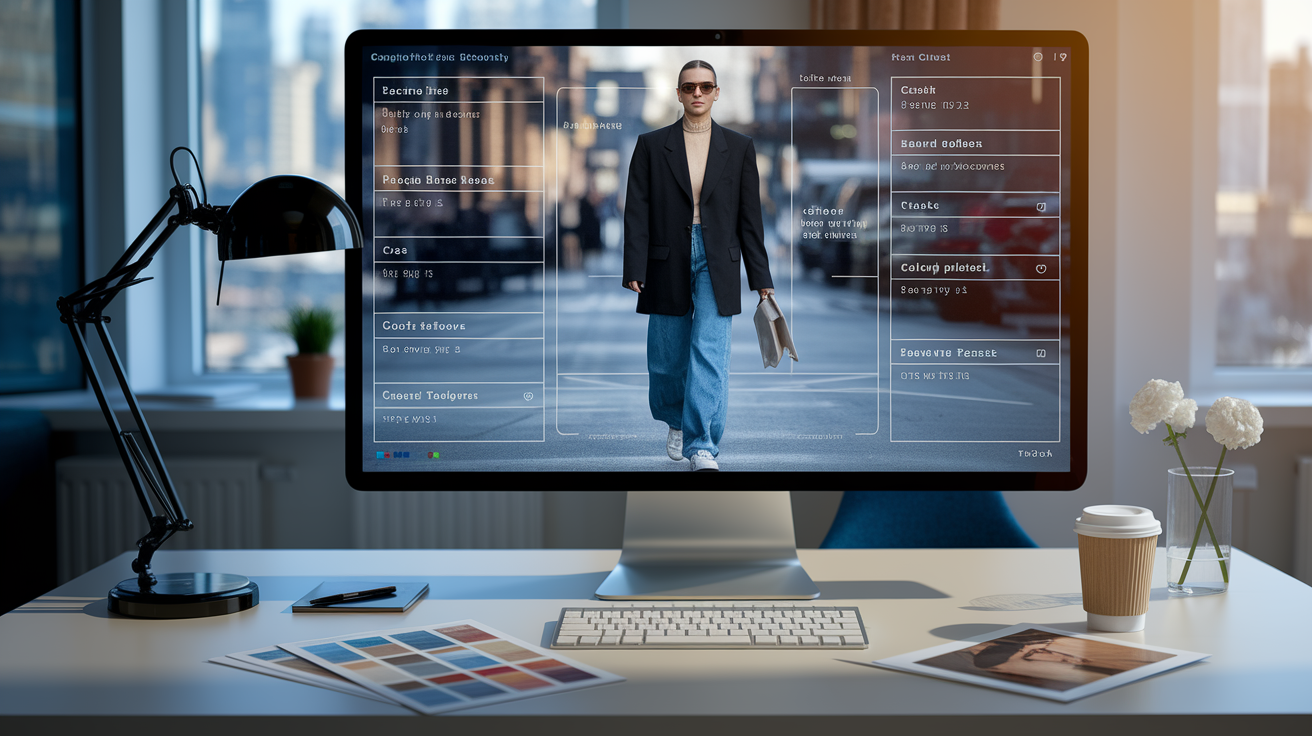
Automated tagging systems use image recognition models to classify garments, detect silhouettes, identify fabric textures, and extract color palettes from street‑style photos at scale. Instead of manually reviewing hundreds of images per week, you feed celebrity appearance photos into APIs that return structured data: blazer (oversized, black), jeans (baggy, high‑waisted, blue denim), sneakers (white, chunky sole), accessories (clutch, neutral leather). These attributes become searchable fields in a trend database, so you can query “show me all appearances with blazers and sneakers in the past thirty days” and instantly surface relevant examples. Natural language processing applied to Instagram captions, TikTok descriptions, and editorial photo credits extracts context keywords like “off‑duty,” “date night,” “airport style,” or brand mentions, adding behavioral and occasion layers to the raw visual data.
Repeated motifs emerge when automated systems flag items appearing across multiple celebrities within a tight time window. If the system detects leather outerwear in twelve celebrity posts over two weeks, bike shorts in eight posts, and white sneakers in fifteen posts, those items get higher trend scores than one‑off appearances. Co‑occurrence logic identifies pairings that show up together frequently (blazer plus white sneakers, sheer dress plus chunky boots) and ranks them by frequency, giving merchandisers and stylists ready‑made outfit formulas validated by real celebrity behavior instead of editorial guesswork.
Essential metadata fields:
Celebrity name and social handle. Links the appearance to influence metrics (follower count, engagement rate, audience demographics).
Date, time, and geo location. Enables seasonal analysis, time lag measurement, and geographic diffusion tracking.
Garment attributes. Silhouette, fabric, color, brand (if detectable), item category, occasion context.
Linked retailer options. Affordable alternatives or exact product matches when available, supporting shoppable content creation and conversion tracking.
Best practice includes maintaining an image hash or unique identifier for each photo to prevent duplicate counting when the same outfit circulates across multiple platforms or gets reposted by fan accounts. Tagging accuracy improves when human reviewers spot check a sample of automated outputs weekly, correcting mislabeled items (like a trench coat misclassified as a blazer) and feeding corrections back into the model to refine future detection.
Using Celebrity Case Studies in Street‑Style Trend Mapping
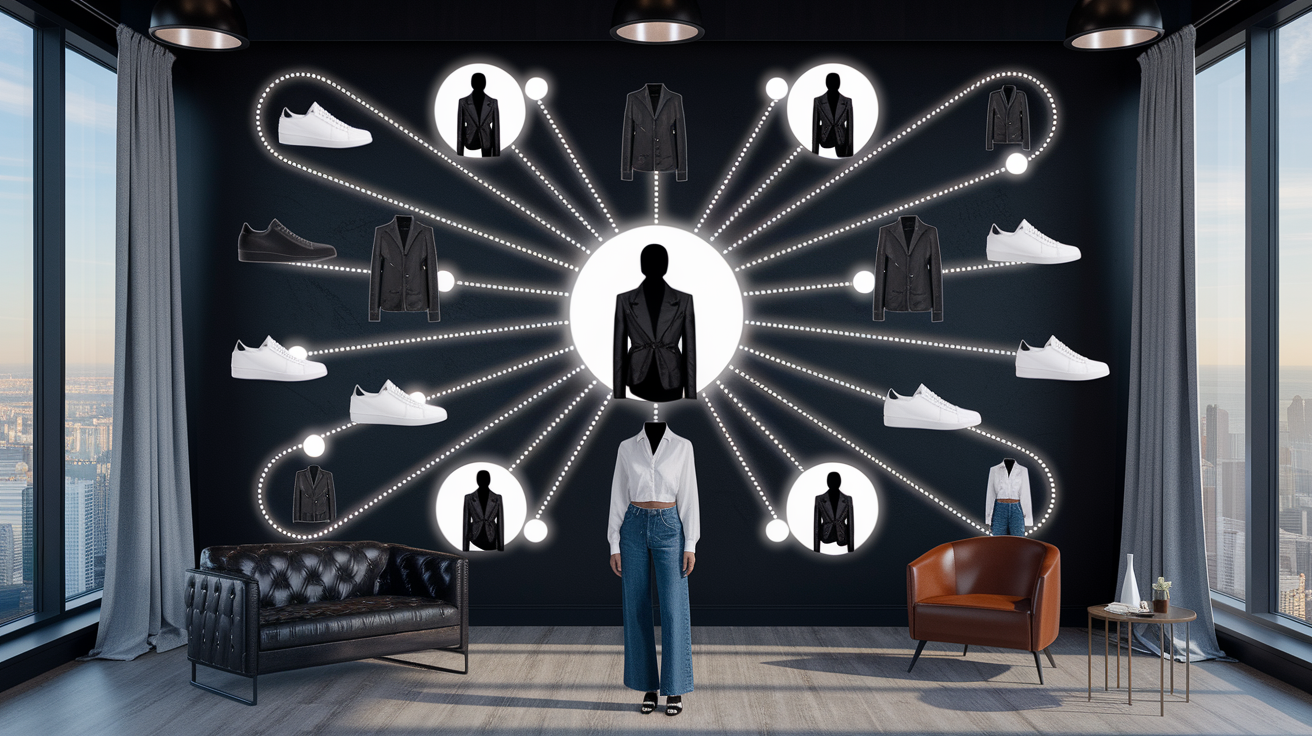
Mapping outfit recurrence across a small group of celebrities shows how influence networks amplify specific items and styling choices. Kendall Jenner, Hailey Bieber, and Emily Ratajkowski provide a compact case study with six documented looks showing recurring motifs: leather outerwear appears twice, oversized blazers twice, bike shorts twice, white sneakers three times, cropped tops or jumpers three times, and heels twice. Network diagrams linking these three celebrities to their shared items reveal pathways where one celebrity’s early adoption (Kendall wearing leather on leather) influences another’s styling choice weeks later (Hailey pairing a leather trench with high neck top and denim), creating a feedback loop that search algorithms and retail buyers can quantify.
Example Mapping Flow
When Kendall Jenner posts a daytime look featuring an oversized black blazer, white cropped top, high‑waisted baggy jeans, and white heels, the image typically generates immediate engagement spikes on Instagram and TikTok. Within twenty four to forty eight hours, fashion blogs and street‑style aggregators share the outfit, and Google search interest for “oversized blazer outfit” starts to climb. Trend mappers capture the original post, tag the four core items, note the date and platform, and track downstream metrics: follower saves, shares, and comments mentioning specific pieces. If Hailey Bieber appears in a similar blazer and jeans combination two weeks later, the system flags it as a co‑occurrence event, elevating the trend score for that pairing. Brand co‑occurrence follows when image recognition detects logos or editorial credits identify the blazer as Zara or the jeans as Levi’s, linking the celebrity appearance to accessible retail channels and driving search to buy conversion on those specific SKUs.
Influence network mapping also identifies when a celebrity cluster (Kendall, Hailey, Em Rata) collectively drives a trend versus when a single celebrity creates a one‑off moment. If all three wear bike shorts within a four week window, the trend gets higher confidence scoring and longer predicted lifespan than if only one celebrity wore them once. Retailers use this clustering insight to decide whether to stock a full bike shorts capsule with multiple colorways and price points or to limit inventory to a test run. Content creators schedule editorial coverage and video styling tutorials to coincide with peak cluster activity, capturing organic search traffic and social engagement when consumer interest is already primed by repeated celebrity sightings.
Converting Celebrity Street‑Style Trends Into Retail and Content Strategy
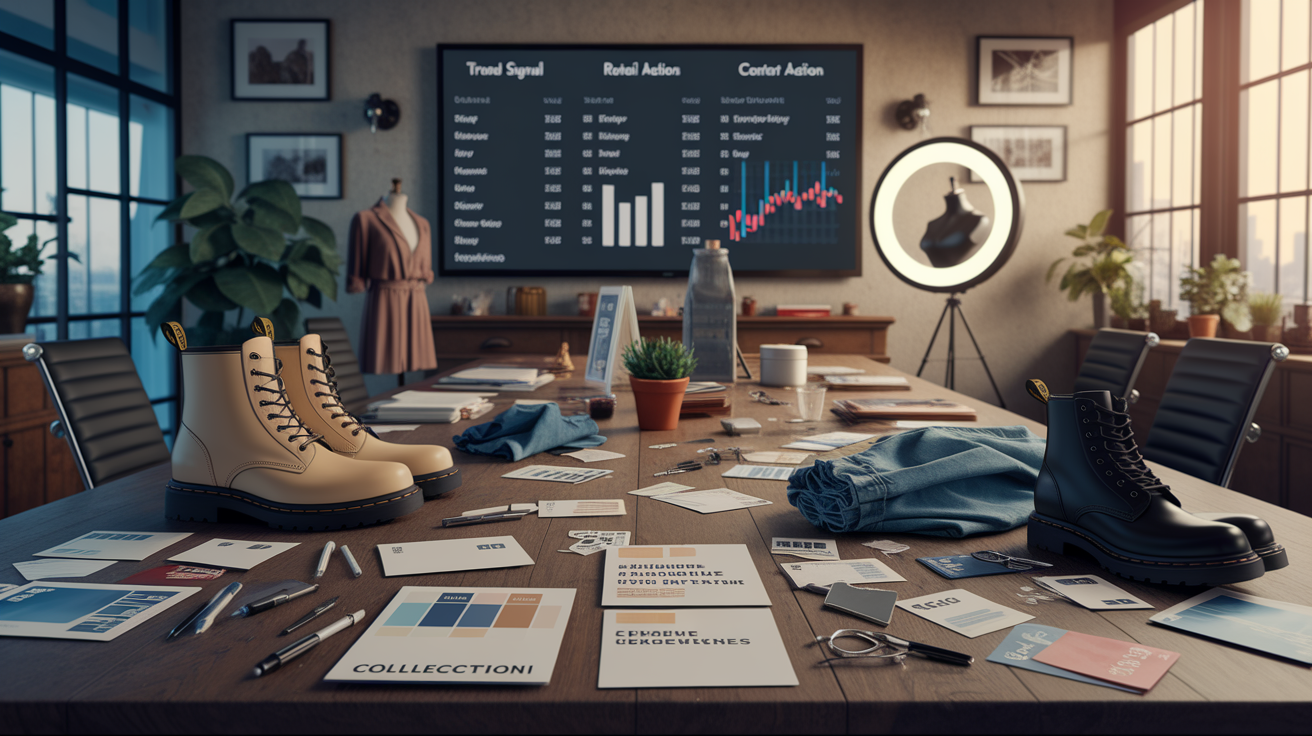
Retail assortment planning starts the moment a trend passes the cluster threshold (multiple celebrities wearing the same item type within a rolling four to eight week window with measurable search volume growth). Fast‑fashion retailers launch capsule collections featuring entry‑price SKUs inspired by the celebrity looks, using automated tagging data to prioritize the most worn silhouettes, fabrics, and color palettes. If knee‑length boots appear in neutral leather across six celebrity sightings in September, a fast follow capsule might include three boot styles (black leather, tan suede, synthetic brown) at tiered price points (budget synthetic, mid‑tier leather, premium designer collaboration). Premium brands take a slower approach, waiting for sustained growth signals over eight to twelve weeks and using the trend data to inform next season design briefs instead of immediate production.
| Trend Signal | Retail Action | Content Action |
|---|---|---|
| Three celebrities wear sheer dresses in two weeks | Stock sheer tops and dresses; create layering bundles with bodysuits | Publish “How to Style Sheer” guide; shoot video styling three ways |
| Search interest for “baggy jeans” up 28% week over week | Increase denim SKU depth; add high‑waisted baggy fits in core washes | Write SEO article targeting “baggy jeans outfit ideas”; tag celebrity examples |
| Bike shorts co‑occur with cropped tops in five celebrity posts | Launch matching sets; seed influencers with free product for UGC | Create shoppable Instagram carousel; link directly to SKUs in caption |
| Knee‑length boots show sustained YoY growth into fall | Plan carryover inventory for next year; expand colorways and materials | Schedule seasonal refresh article in Q3; update with new celebrity examples |
Content strategy aligns editorial calendars and social posting schedules to celebrity trend windows. When Zoë Kravitz and Dakota Johnson both appear in sheer silhouettes within ten days, editors immediately commission a “Celebrity Sheer Styling Guide” and schedule publication within seventy two hours to capture peak search traffic. Video teams shoot quick styling reels showing three ways to wear sheer pieces, tagging affordable retailer options (H&M, Zara) and linking to shoppable product pages. SEO teams build keyword clusters around “sheer dress outfit,” “how to layer sheer tops,” and “celebrity sheer style,” making sure the content ranks for high intent search queries as people hunt for recreation tips. Weekly KPI dashboards track page views, time on page, click through rates to retailer links, and affiliate conversion, validating which celebrity driven topics generate the most engagement and revenue.
Merchandising teams use trend maps to time influencer seeding and paid partnerships. If automated tagging shows an emerging cluster around oversized blazers and the retail team has inventory arriving in three weeks, they seed micro‑influencers with early product samples two weeks before the official launch, creating organic user generated content that coincides with continued celebrity sightings. A/B testing compares conversion rates on product pages with and without celebrity‑inspired styling imagery, quantifying the lift that street‑style association provides. Forecasting horizons guide inventory commitments, with immediate trends (zero to three months) receiving lighter, test level buys and near term trends (three to nine months) justifying deeper SKU assortments and broader size and color matrices to meet anticipated demand surges.
Final Words
In the action, you learned how to spot and tag celebrity cues, set a daily capture routine, and turn those signals into visual stories and timelines. The post walked through tools, image-tagging best practices, and the five-step workflow that makes trend tracking repeatable.
Use the 0–3, 3–9, and 9–18 month windows to decide when to merch and when to wait. Keep refining the cadence, and your celebrity street-style trend mapping will keep you ahead of the next big look.
FAQ
Q: What is celebrity street-style trend mapping?
A: Celebrity street-style trend mapping is the process of tracking celebrities’ street looks to spot emerging fashion signals early, using images, hashtags, tagging, and analytics to inform forecasting, merchandising, and content planning.
Q: How do celebrities drive mainstream fashion adoption?
A: Celebrities drive mainstream fashion adoption by showing looks on social and press, creating search spikes and retailer demand that accelerate mass-market availability and solidify trend momentum.
Q: What practical workflow should I follow to map street-style trends?
A: A practical workflow is daily capture, hashtag monitoring, tagging outfit attributes, measuring search and sales signals weekly, and analyzing 4–12 week windows with quarterly seasonality checks.
Q: Which tools and platforms power celebrity street-style mapping?
A: Tools include social listening (Brandwatch, Talkwalker), trend services (WGSN, Lyst), Google and Pinterest Trends, plus visual intelligence platforms for garment classification, color extraction, and silhouette tagging.
Q: How do image recognition and NLP improve trend detection?
A: Image recognition and NLP improve trend detection by auto-tagging garments, extracting colors and silhouettes, and parsing captions for contextual keywords, enabling scalable co‑occurrence and timing analyses.
Q: What celebrity-led trends are worth tracking in 2024?
A: Current 2024 trends to track are sheer silhouettes, “it” clutches, boho dresses, Bermuda shorts, knee-length boots, and baggy jeans—each tied to celebrity exemplars and seasonal relevance.
Q: What visualizations and metrics should I use to present trend data?
A: Use time-series charts, stacked area charts, co‑occurrence heatmaps, and geographic diffusion maps; focus on search interest curves, sell-through rates, and item-frequency counts for storytelling.
Q: How do seasonal windows and lifecycle phases affect forecasting?
A: Seasonal windows and lifecycle phases affect forecasting by using 0–3 months for immediate spikes, 3–9 months for adoption and merchandising, and 9–18 months for strategic planning and maturation.
Q: What metadata and tagging best practices scale trend datasets?
A: Best practices are tagging celebrity name, date/location, garment attributes, and linked retailer options to support network mapping, search-lift analysis, and retailer impact tracking.
Q: How can brands and creators turn mapped trends into retail and content strategy?
A: Brands and creators convert mapped trends by launching fast-follow entry-price SKUs, timing inventory to celebrity clusters, producing shoppable content, and optimizing SEO around rising trend keywords.