
Think velvet is just for formal galas? Think again.
For holiday parties, velvet is a cheat code, warm, luxe, and instantly festive.
This guide walks you through the best velvet dress styles, including mini, midi and floor-length, and the exact colors, sleeves and silhouettes that actually flatter.
Plus you’ll learn which fit filters to set first, like size, occasion and fabric weight, so you don’t waste time scrolling.
By the end you’ll know what to buy for a rooftop cocktail, office holiday party or black-tie night out.
Your Complete Guide to Finding the Right Velvet Dress (Meets All Shopping Needs)
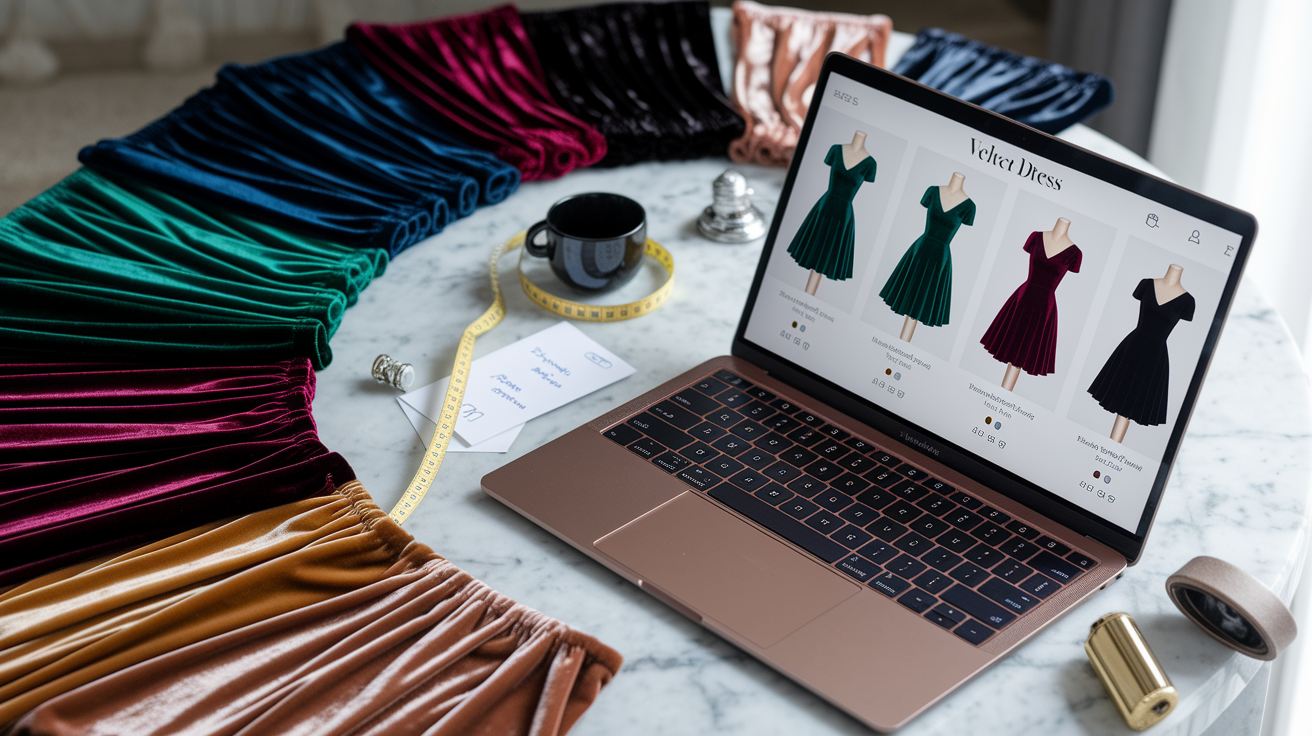
When you’re shopping for a velvet dress, most collections show between 29 and 37 styles, with prices running from €118 to €398. You’ll see mini cocktail dresses for drinks with friends, midi styles that work for semi-formal weddings, and floor-length gowns built for black-tie events. Filters let you narrow by size (XS to XL, plus Regular, Petite, and Plus fit categories), color families like Black, Ivory, Green, Blue, Pink, Red, Brown, and Gold, and things like ready-to-ship status if you’re working against a deadline. Some brands layer in sustainability filters like Deadstock fabric and carbon savings if that’s part of your shopping criteria.
The real trick? Knowing what filters to use first. If you’re petite or plus-size, start there. Fit makes the biggest difference in how velvet drapes. Then move to occasion filters (cocktail, wedding guest, black-tie) to narrow silhouette choices. Price sorting helps when you’re working within a budget, and color filters let you zero in on jewel tones for fall and winter parties. Emerald green, burgundy, navy, and sapphire blue dominate seasonal palettes. Lighter pastels and ivory work year-round for daytime events or destination weddings.
Most velvet dress collections lean into cold-weather wear because the plush texture is naturally warming and pairs well with statement coats and closed-toe heels. But lightweight velvet blends, often mixed with cotton or rayon, stretch across spring and summer evening events too. Keep an eye on fabric tags and product descriptions that specify weight and blend, especially if you’re shopping for a garden wedding in May or an air-conditioned ballroom in August.
Key filtering tools to use when browsing velvet dress collections:
- Size range: XS, S, M, L, XL, plus dedicated Regular, Petite, and Plus categories with fit-specific design adjustments
- Dress length: Mini (above knee), Midi (knee to mid-calf), Maxi (floor-length), plus Tea-Length options
- Sleeve style: Sleeveless, Cap, Flutter, Off-the-Shoulder, 3/4 & Long, One Shoulder
- Color palette: Black, jewel tones (emerald, burgundy, navy), pastels, metallics (gold, silver), and seasonal shades
- Sustainability & availability: Deadstock fabric filter, carbon-savings sorting, ready-to-ship exclusion of preorder and waitlist items
- Price bands: Under €150 for casual cocktail styles, €150–€300 for versatile evening wear, €300–€400 for statement gowns and designer collaborations
Exploring Velvet Dress Styles and Silhouettes for Every Occasion
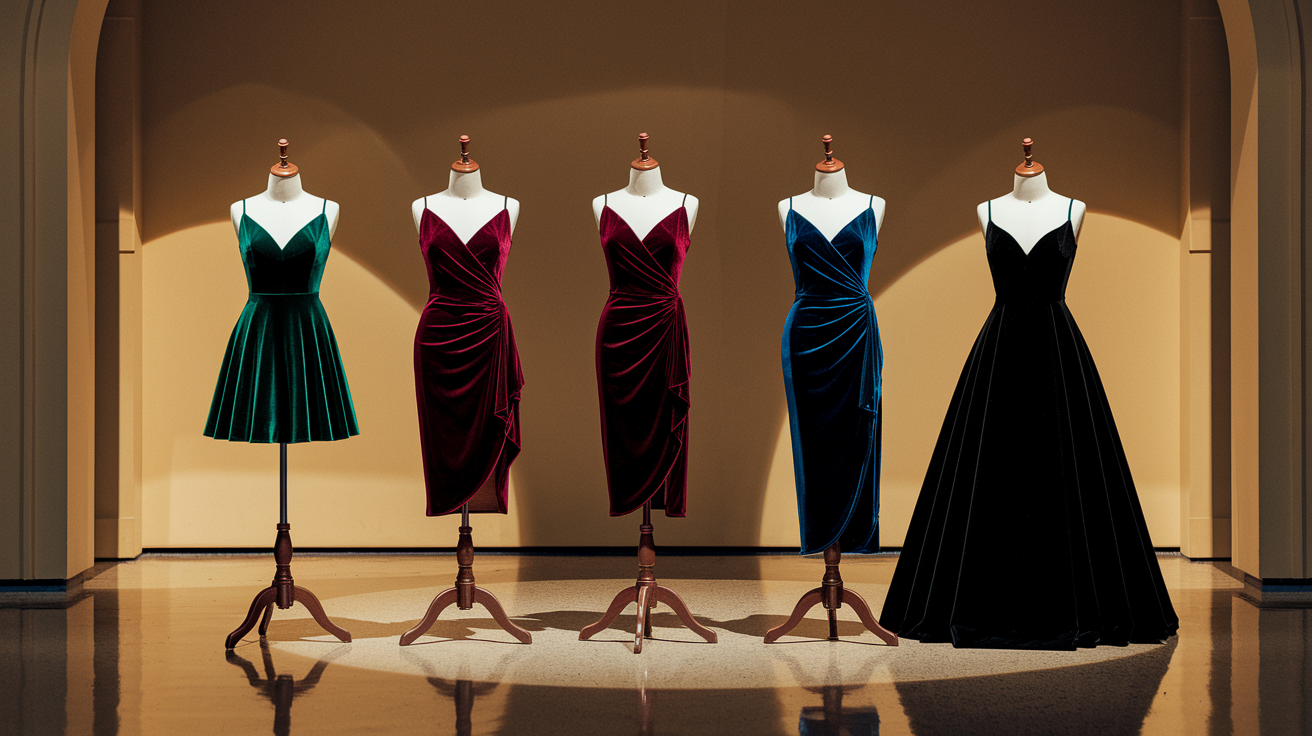
Velvet dresses come in enough silhouette variety to cover everything from a Friday-night rooftop party to your best friend’s winter wedding. The fabric itself adds structure and visual weight, which means designers lean into clean lines and statement shapes rather than relying on extra embellishment. You’ll find wrap styles that flatter curves, bias-cut slip dresses that move like liquid, body-skimming sheaths with ruched side panels, and voluminous A-line skirts that photograph beautifully under string lights. Each silhouette serves a different occasion and body type, so it helps to know what you’re shopping for before you start clicking.
Mini Velvet Dress Options
Mini velvet dresses hit above the knee and work best for cocktail parties, holiday gatherings, and nights out where you want to look polished without the formality of a gown. The plush fabric gives these shorter styles built-in structure. No need for a stiff lining or heavy boning. Look for fitted bodices with a slight flare at the hem, long sleeves to balance the short hemline, or off-the-shoulder necklines that add a touch of elegance. Mini styles in jewel tones like emerald or burgundy read festive without feeling costume-y, and black velvet minis paired with sheer tights and ankle boots create an effortlessly chic cold-weather look.
Midi Velvet Dress Styles
Midi-length velvet dresses fall somewhere between the knee and mid-calf. They’re the most versatile option in the category. They work for semi-formal weddings, rehearsal dinners, work holiday parties, and even elevated brunch events. The longer hemline means you can wear them with block heels, strappy sandals, or knee-high boots depending on the season and vibe. Wrap midi styles in velvet are particularly flattering because they define the waist and move gracefully without clinging. Slip midi dresses in bias-cut velvet offer a relaxed, vintage-inspired silhouette that looks expensive even in simpler constructions. If you’re shopping for one velvet dress to cover multiple occasions, a midi in a deep jewel tone or classic black is your safest bet.
Floor-Length & Evening Velvet Gowns
Floor-length velvet gowns are built for black-tie weddings, galas, opera nights, and any event where “formal attire” is printed on the invitation. These styles often feature long sleeves, high necklines, or dramatic low backs to balance the richness of the fabric. You’ll see price points ranging from around €298 to €398 for evening gowns, with designer names like Franceska Velvet Dress (€318, available in 2 colors), Camille Velvet Dress (€398), Emmalee Velvet Dress (€398), Briony Velvet Dress (€398), and Romy Velvet Dress (€398). Some collections include Deadstock velvet in floor-length styles, which means the fabric was repurposed from overstock or previous seasons. A sustainable choice that doesn’t sacrifice luxury. These gowns photograph beautifully, hold their shape all night, and pair well with minimal jewelry since the fabric itself is the statement.
Wrap, Bias-Cut & Slip Silhouettes
Wrap velvet dresses create a flattering V-neckline and cinch at the waist, making them ideal for pear and hourglass body types. The adjustable tie lets you control how fitted the bodice feels, and the overlapping front panel adds visual interest without extra hardware. Bias-cut velvet dresses are cut on the diagonal grain of the fabric, which creates a fluid drape that skims rather than clings. These styles move beautifully and suit taller frames or anyone who wants a vintage-inspired, Old Hollywood silhouette. Slip dresses in velvet are deceptively simple. Thin straps, a straight or slightly A-line skirt, and a body-skimming fit that relies entirely on the fabric’s natural sheen and weight for impact. Layer a slip dress with a tailored blazer or cropped cardigan for daytime events, or wear it solo with statement earrings for evening.
Statement Details: Ruching, Sleeves & Necklines
Ruching is a technique where fabric is gathered and sewn in place to create texture and shape. In velvet dresses, ruching usually appears along the side seams, across the bodice, or at the waist to create a slimming effect and add dimension to the silhouette. Statement sleeves (puff, bishop, balloon, or poet styles) are common in velvet cocktail dresses and give a romantic, editorial feel. These sleeves balance out simpler skirts and make the dress feel special without requiring heavy jewelry. Neckline variety matters too. High mock necks read modern and sleek, cowl necklines add soft draping, square necklines feel retro and structured, and sweetheart necklines bring classic elegance. Pay attention to how neckline and sleeve work together. If the sleeves are voluminous, a simpler neckline keeps the look balanced.
Celebrity Velvet Dress Moments and Trend Cues
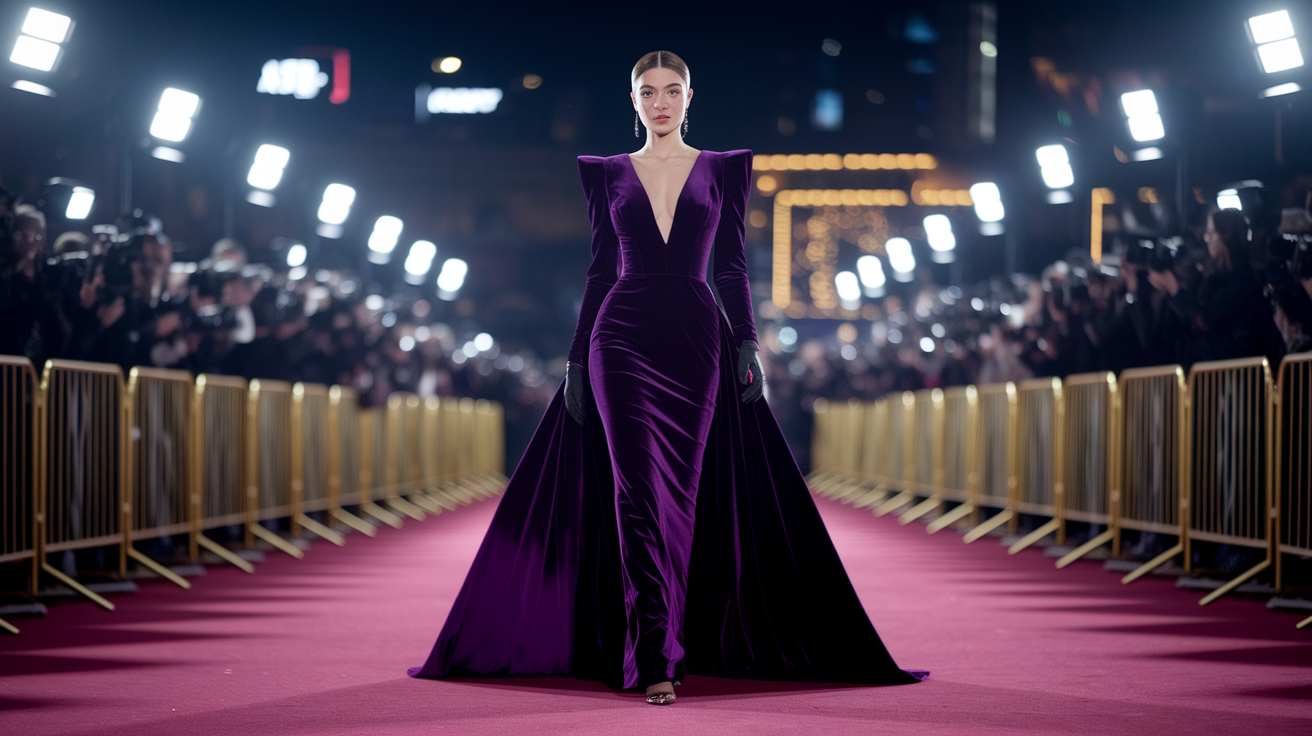
Velvet dresses show up every awards season, and the silhouettes celebrities choose often influence what retailers stock the following fall. You’ll see long-sleeve column gowns on red carpets during winter months, slip-style velvet dresses in jewel tones at film premieres, and draped velvet cocktail looks at after-parties. These moments matter because they signal what’s trending, whether it’s a specific shade like chocolate brown or a silhouette like the bias-cut slip gown. Designers use velvet for its ability to photograph well under harsh lighting, hold structure without heavy undergarments, and create a sense of old-school glamour that feels intentional and expensive.
The runway trends for velvet shift slightly each season, but a few constants remain. Deep jewel tones dominate fall and winter collections, with emerald green, sapphire blue, ruby red, and amethyst purple leading the palette. Metallics like gold and silver velvet appear in party collections, while black and navy remain the workhorses for formal events. Texture mixing is also trending. Velvet paired with sheer mesh panels, satin trim, or lace inserts adds modern contrast without losing the luxe feel. Midi and maxi lengths are more common than minis on runways, and sustainable fabric options like Deadstock velvet are increasingly highlighted in designer collections as brands respond to consumer interest in ethical sourcing.
Seasonal velvet runway trends to watch:
- Jewel-tone dominance: Emerald, sapphire, burgundy, and amethyst remain top colors for fall and winter collections, often styled with metallic accessories
- Slip gown revival: Bias-cut, spaghetti-strap velvet dresses inspired by ’90s minimalism, frequently seen on red carpets and editorial shoots
- Statement sleeves: Puff, bishop, and poet sleeves in velvet cocktail dresses add drama and balance shorter hemlines or simpler silhouettes
- Texture contrast: Designers pair velvet with sheer mesh, satin piping, or lace inserts to create visual interest without relying on embellishment
Velvet Dress Styling Essentials: Shoes, Jewelry, Layers & More
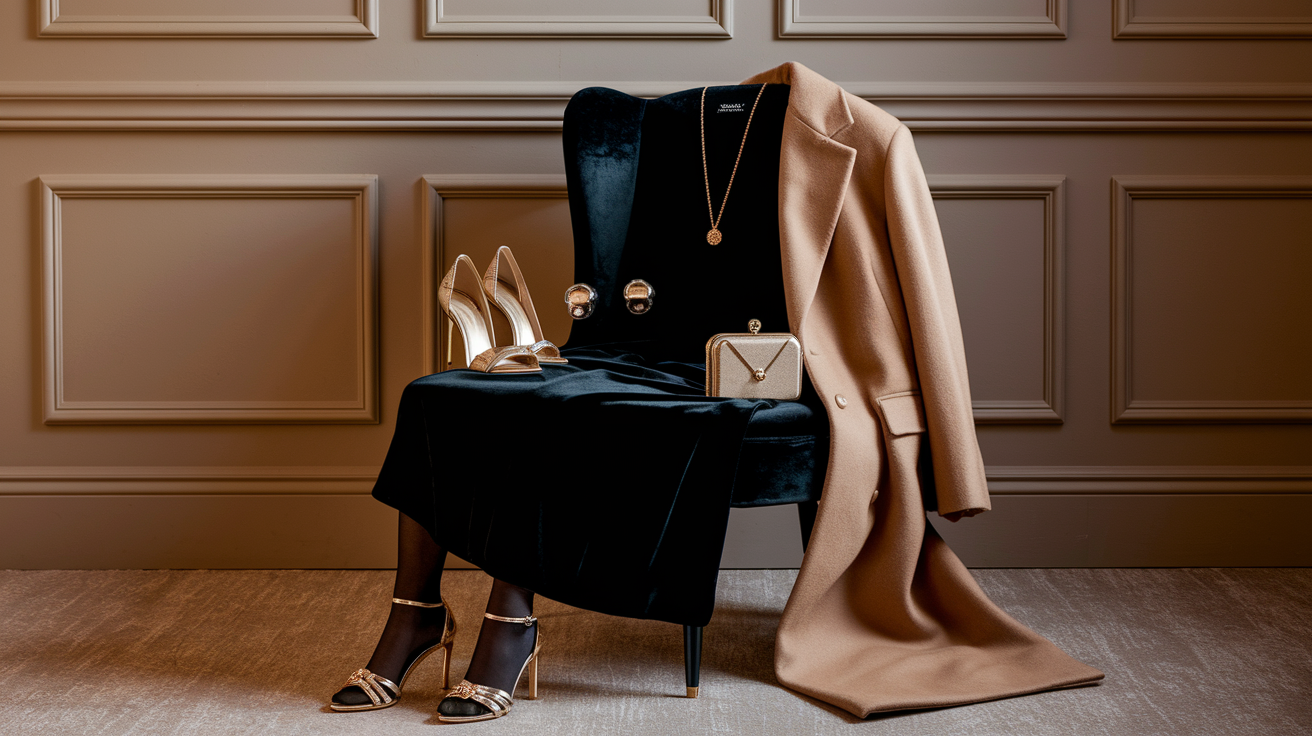
The right accessories make or break a velvet dress. Because the fabric is already rich and textured, you want shoes, jewelry, and outerwear that complement without competing. Start with shoes. Velvet pairs beautifully with metallic heels in gold or silver, especially for evening events where the sheen of the shoe reflects light and balances the plush texture of the dress. Strappy sandals work for spring and summer velvet styles, while ankle boots or knee-high boots are the go-to for fall and winter. Block heels offer stability if you’re wearing a midi or maxi length, and pointed-toe pumps elongate the leg under shorter hemlines. Avoid matching the shoe exactly to the dress color unless you’re going for a monochrome look. Contrast usually reads more polished.
Jewelry placement depends on the neckline and sleeve situation. If your velvet dress has statement sleeves or a high neckline, skip the necklace and go for bold earrings instead. Drop earrings, chandelier styles, or sculptural studs draw the eye upward and keep the focus balanced. If the dress has a low, sweetheart, or V-neckline, a delicate pendant or layered chain necklace fills the space without overwhelming. Keep rings and bracelets minimal. Velvet has enough texture that too much wrist hardware can look cluttered. For formal black-tie events, one standout piece (either earrings or a necklace, not both) is the safest move.
Outerwear is where practicality meets style. A tailored blazer in a contrasting fabric, like wool or tweed, turns a slip-style velvet dress into a work-appropriate or daytime look. For evening events in cold weather, a long wool coat in a neutral shade like camel, black, or grey layers over a maxi velvet gown without hiding the dress entirely. Faux-fur stoles and wraps add old-Hollywood glamour and work particularly well with jewel-tone velvet. If you’re heading to a cocktail party, a cropped leather jacket or structured cardigan keeps the look modern and prevents the velvet from reading too formal. Always bring a clutch or small structured bag. Velvet dresses are often statement pieces, so your bag should stay streamlined and let the dress lead.
Five practical styling rules for velvet dresses:
- Match your shoe metallic to your jewelry metal. Gold shoes with gold earrings, silver heels with silver necklace. It creates a cohesive, polished look.
- Balance bold sleeves with minimal jewelry. If your dress has puff or bishop sleeves, skip the necklace and go for statement earrings only.
- Choose outerwear that contrasts in texture. Pair velvet with wool, tweed, or leather rather than another plush fabric like faux fur on top and bottom.
- Layer sheer tights under velvet in winter. Opaque black tights work, but sheer black or nude tights with a slight sheen keep the look elegant rather than casual.
- Keep your bag small and structured. Velvet dresses have enough visual weight, so opt for a sleek clutch or chain-strap mini bag rather than an oversized tote.
Velvet Fabric Construction, Texture Types & Special Finishes
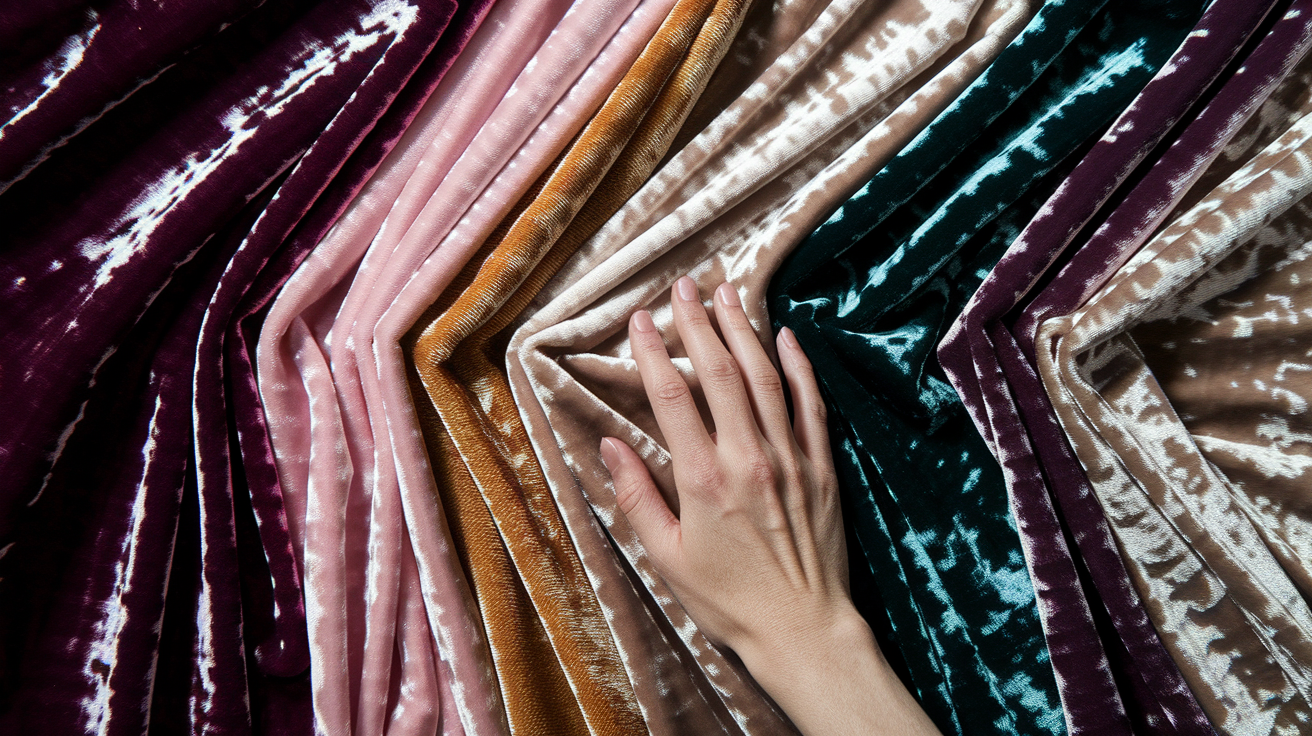
Velvet isn’t a single fabric. It’s a weaving technique that creates a short, dense pile on one side of the cloth. The pile is made by lifting loops of thread and cutting them to create a soft, plush surface. Depending on the fiber used (silk, cotton, rayon, polyester, or a blend) and the finishing process, velvet can look shiny and smooth or matte and textured. Most velvet dresses on the market today use rayon or a rayon-polyester blend because it’s affordable, holds color well, and drapes beautifully. Cotton velvet is heavier and more casual, often used in separates like skirts and blazers. Silk velvet is the most luxurious and expensive, with a natural sheen and softness that photographs gorgeously but requires dry cleaning and careful handling.
Pile direction is the reason velvet changes color when you brush your hand across it. The fibers lie in one direction, and when light hits them from different angles, the surface looks lighter or darker. This is why velvet dresses often appear to shift in tone under different lighting. It’s not your imagination, it’s the physics of the fabric. When shopping online, look for product photos taken from multiple angles to see how the color reads in different light. In person, run your hand gently over the fabric to check pile direction and make sure there are no bald spots or uneven areas where the pile has been crushed or worn away.
Special finishes add variety to the velvet category. Crushed velvet is intentionally pressed or twisted during manufacturing to create an irregular, textured surface with a more casual, bohemian feel. Burnout velvet uses a chemical process to dissolve parts of the pile, leaving a sheer or semi-sheer pattern on top of a solid base. This technique is common in evening wear and adds visual interest without embroidery or beading. Stretch velvet contains a small percentage of spandex or elastane, which makes the fabric more forgiving and comfortable for body-skimming silhouettes. Stretch blends are ideal for wrap dresses, fitted sheaths, and any style that needs to move with you rather than hold a rigid shape.
| Finish Type | Key Features | Best For |
|---|---|---|
| Crushed Velvet | Irregular, textured surface with a matte sheen; pile is intentionally pressed or twisted for a dimensional look | Casual cocktail dresses, bohemian evening looks, styles where movement and texture are prioritized over formality |
| Burnout Velvet | Sheer or semi-sheer pattern created by dissolving parts of the pile; combines opacity and transparency in one fabric | Evening gowns, statement cocktail dresses, styles that need visual interest without heavy embellishment |
| Stretch Velvet | Contains spandex or elastane for flexibility and recovery; drapes smoothly over curves and moves with the body | Body-skimming sheaths, wrap dresses, fitted midi and mini styles where comfort and ease of movement are essential |
| Classic Pile Velvet | Dense, short pile with a consistent sheen; holds structure and photographs beautifully under formal lighting | Black-tie gowns, high-neckline cocktail dresses, any style where traditional elegance and light-reflective sheen are desired |
Fit, Size Guides & Tailoring Tips for Velvet Dresses
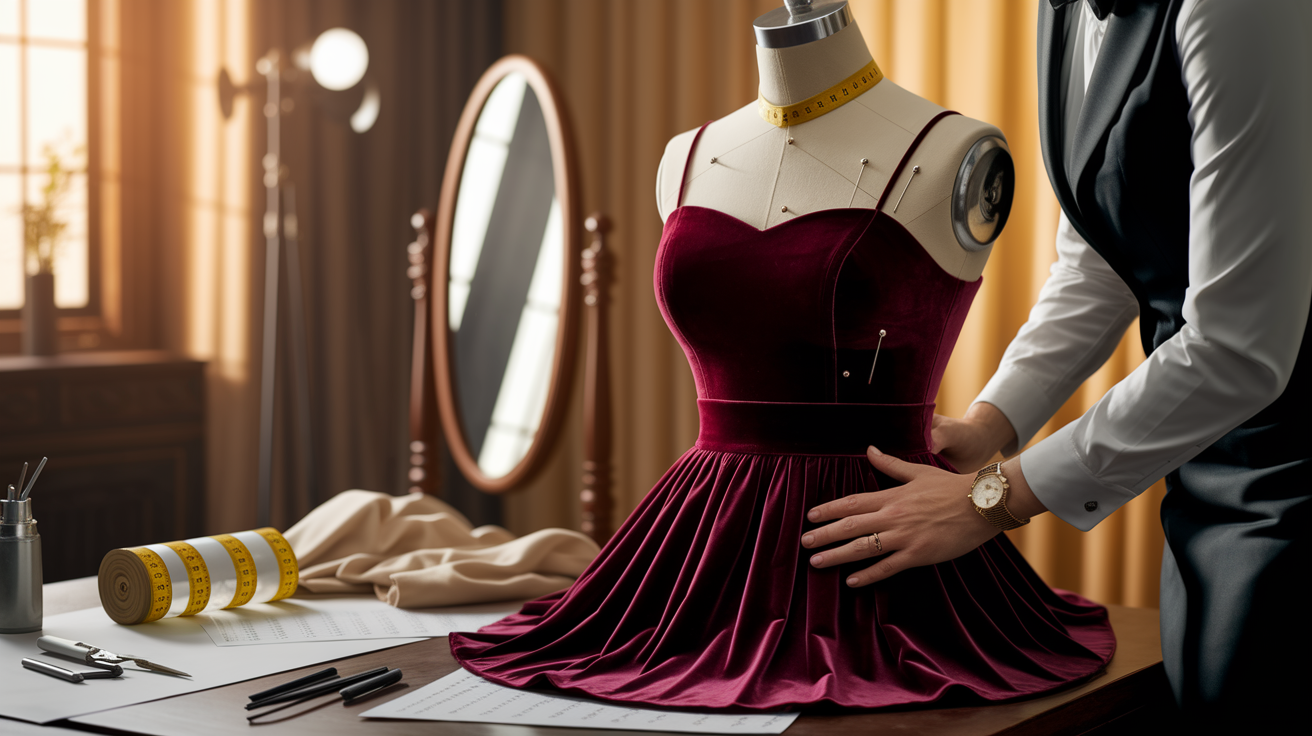
Velvet doesn’t stretch like jersey or crepe, so fit is less forgiving. If you’re between sizes, most stylists recommend sizing up, especially if the dress has a fitted bodice or long sleeves. You can always tailor in the waist or hem, but letting out a too-small velvet dress is difficult because the seams leave visible marks in the pile. Check the product size guide before ordering, and look for specific measurements (bust, waist, hip, length) rather than relying on letter sizes alone. If the brand offers petite or plus-size categories, those versions are usually adjusted in more than just length. Armholes, shoulder width, and waist placement are also modified to fit proportionally.
Common tailoring needs for velvet dresses include hemming (especially if you’re petite or buying a maxi style), taking in the waist or side seams for a closer fit, and adjusting strap length on slip-style dresses. Hemming a velvet dress costs more than hemming a cotton dress because the tailor has to use a blind hem or hand-stitch to avoid crushing the pile. Expect to pay between €20 and €50 for a simple hem, depending on your location and whether the dress is lined. Taking in the waist or side seams runs €30 to €70, and any alteration that involves the bodice or neckline will cost more because of the precision required to maintain the drape and structure of the fabric.
Five fit and tailoring strategies for velvet dresses:
- Petite shoppers: Look for petite-specific styles that adjust shoulder seams and waist placement, not just length. Standard hemming still leaves proportions off.
- Plus-size shoppers: Prioritize wrap styles, stretch velvet blends, and dresses with princess seams or side ruching that naturally accommodate curves without alterations.
- Boutique versus mass-market fit: Boutique brands often use silk or rayon-silk blends and cut for a closer, more tailored fit; mass-market brands use stretch blends and cut generously to fit a wider range of bodies.
- Alteration cost planning: Budget an extra €20–€70 for tailoring if you’re buying online, especially for hemming or waist adjustments. Velvet requires specialized handling.
- Return-policy check: Confirm the return window (commonly 30 days) and whether the dress can be returned after trying it on at home. Many brands allow exchanges if tags are intact.
Caring for a Velvet Dress: Cleaning, Steaming, Storage & Travel
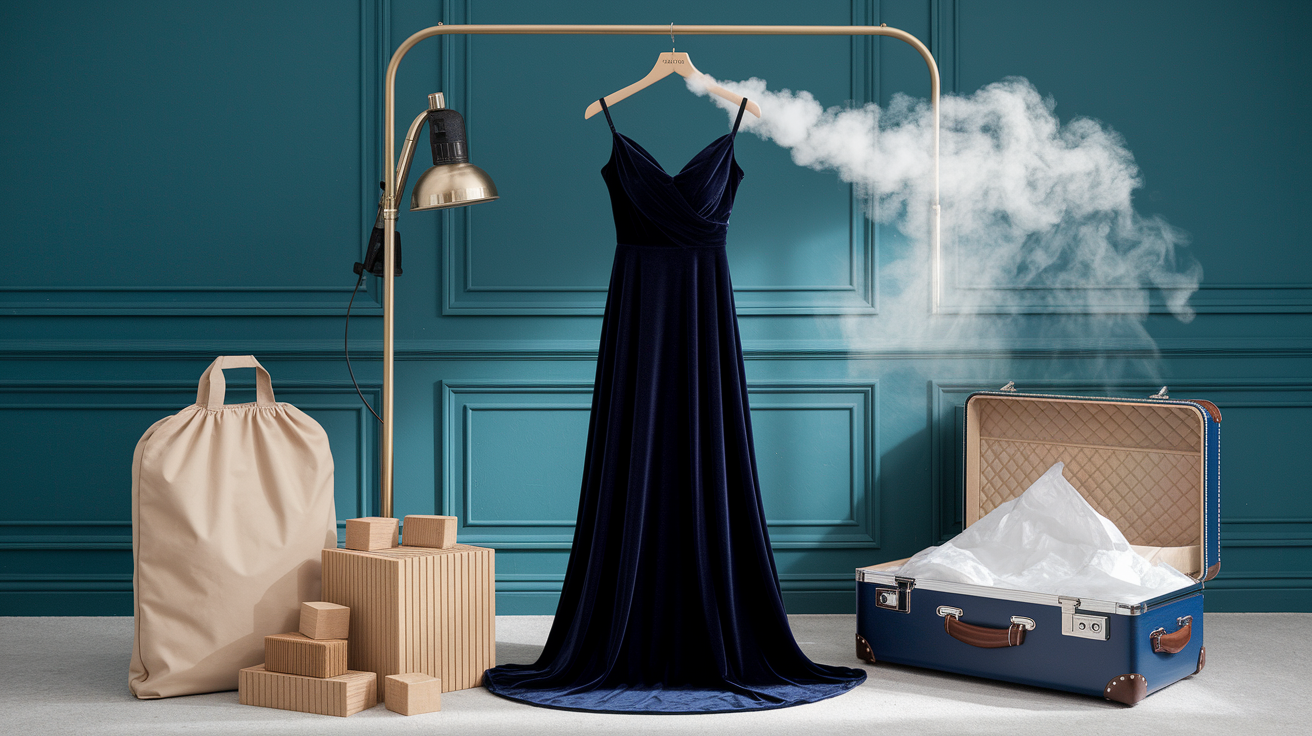
Velvet requires more maintenance than cotton or polyester, but the care routine is straightforward once you know the rules. The pile is delicate and can be permanently crushed by heat, pressure, or rough handling, so you’ll need to approach cleaning, steaming, and storage with more intention than you would for a jersey dress. Most velvet dresses come with a care label that recommends dry cleaning, especially if the dress is lined, has embellishments, or is made from silk velvet. If the label says “dry clean only,” don’t risk hand washing. Dry cleaners have specialized equipment to clean and restore the pile without damaging it.
Cleaning & Stain Removal
If your velvet dress is made from a washable blend (usually rayon-polyester with a care label that says “hand wash” or “gentle cycle”), you can clean it at home with cold water and a mild detergent. Turn the dress inside out, submerge it gently, and avoid wringing or twisting the fabric. Lay it flat on a clean towel to air dry, reshaping the garment as needed. Never put velvet in the dryer. The heat will crush the pile and ruin the texture. For spot cleaning, blot (don’t rub) the stain with a damp cloth and a tiny amount of gentle detergent, working from the outside of the stain inward. Test any cleaning solution on an inside seam first to make sure it doesn’t discolor the fabric. If the stain is oil-based or set-in, take it to a dry cleaner rather than attempting DIY removal.
Steaming, De-Wrinkling & Nap Care
Never iron velvet directly. The heat and pressure flatten the pile and leave shiny marks that are nearly impossible to reverse. Instead, use a garment steamer held a few inches away from the fabric. Steam the dress while it’s hanging, and let the steam gently relax wrinkles without touching the pile. If you don’t have a steamer, hang the dress in the bathroom while you take a hot shower. The steam will naturally release light wrinkles. For stubborn creases, place a clean towel over the wrong side of the fabric and press lightly with a low-heat iron, but this should be a last resort. Always test a hidden seam first. To restore flattened pile, hold the fabric over steam and gently brush the pile in the direction it naturally lies using a soft-bristle brush or clean toothbrush.
Storage, Moth Prevention & Safe Travel Packing
Store velvet dresses on padded or wide wooden hangers to prevent shoulder dents and maintain the shape of the bodice. Avoid wire hangers, which create pressure points that flatten the pile. If you’re storing the dress long-term, use a breathable garment bag. Never plastic, which traps moisture and can cause mildew. Velvet made from natural fibers like silk or cotton is vulnerable to moths, so add cedar blocks or lavender sachets to your closet and inspect the dress periodically for signs of damage. Keep velvet away from direct sunlight and heat sources, which can fade the color and dry out the fibers.
When packing a velvet dress for travel, fold it carefully to minimize creases and protect the pile. Follow these four steps: First, turn the dress inside out to protect the pile from friction. Second, lay the dress flat and fold it along natural seam lines (shoulders, waist) rather than creating new creases. Third, place tissue paper or a clean cotton cloth between each fold to cushion the fabric. Fourth, pack the dress on top of other items in your suitcase so it doesn’t get compressed. When you arrive, hang the dress immediately and steam out any wrinkles before wearing it. Don’t wait until the last minute, as velvet takes longer to relax than other fabrics.
Sustainable and Vegan Velvet Dress Options
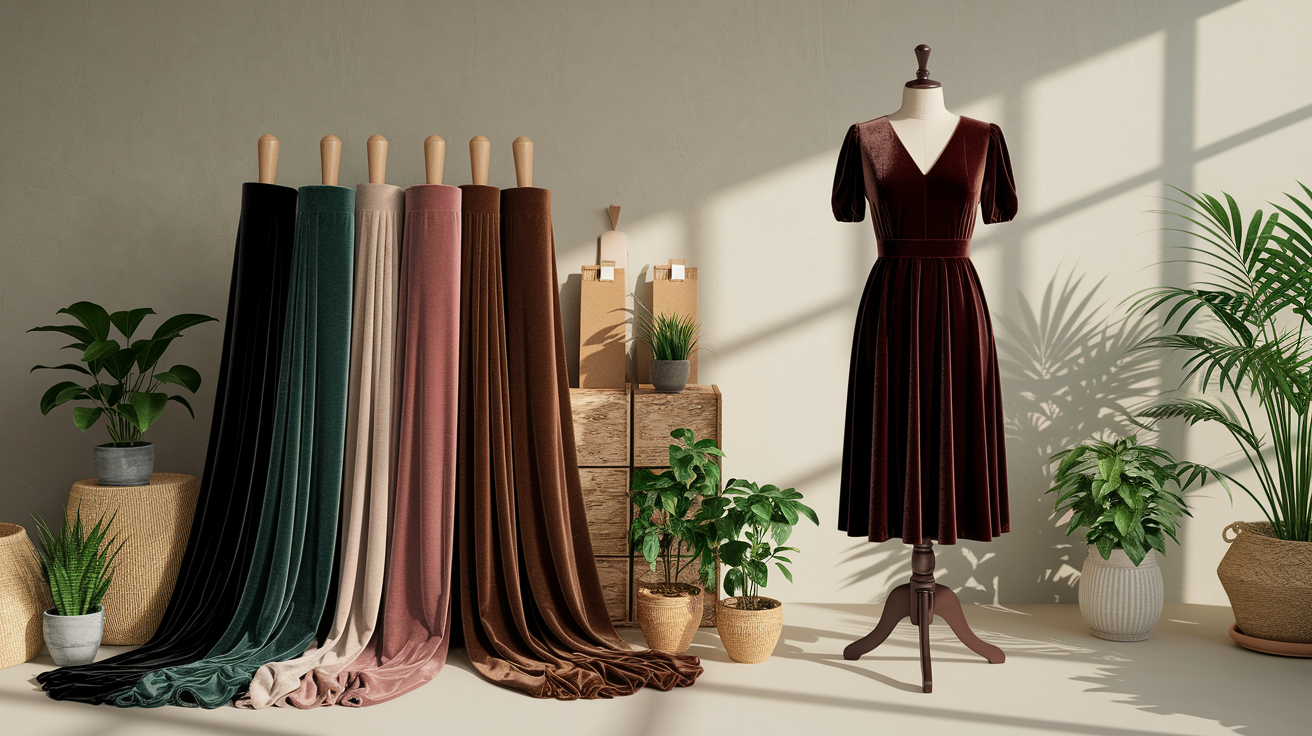
Sustainable velvet options are becoming more common as brands respond to consumer demand for ethical sourcing and lower environmental impact. Deadstock velvet (fabric left over from previous seasons or overstock orders) is one of the most straightforward sustainable choices. Buying a dress made from Deadstock means no new resources were used to produce the fabric, and it keeps usable material out of landfills. Many collections now include a Deadstock filter or sustainability tag so you can shop with that priority in mind. Some brands also publish annual sustainability reports (one example: a 2025 Sustainability Report reference found in product pages) that outline carbon reduction goals, supply chain transparency, and fabric sourcing standards.
Vegan velvet is another growing category. Traditional velvet can be made from silk, which is an animal product, so vegan alternatives use plant-based or synthetic fibers like cotton, rayon, or polyester. Cotton velvet has a matte finish and heavier weight, making it ideal for casual or daytime styles. Rayon velvet (often marketed as “viscose velvet”) is derived from wood pulp and offers a softer drape and subtle sheen that mimics silk without using animal fibers. Polyester velvet is fully synthetic, durable, and affordable, though it doesn’t breathe as well as natural fibers. When shopping for vegan velvet, check the fabric composition on the product page. If it lists cotton, rayon, viscose, polyester, or a blend of those, it’s vegan-friendly.
Price Ranges, Shopping Tips & Brand Recommendations for Velvet Dresses
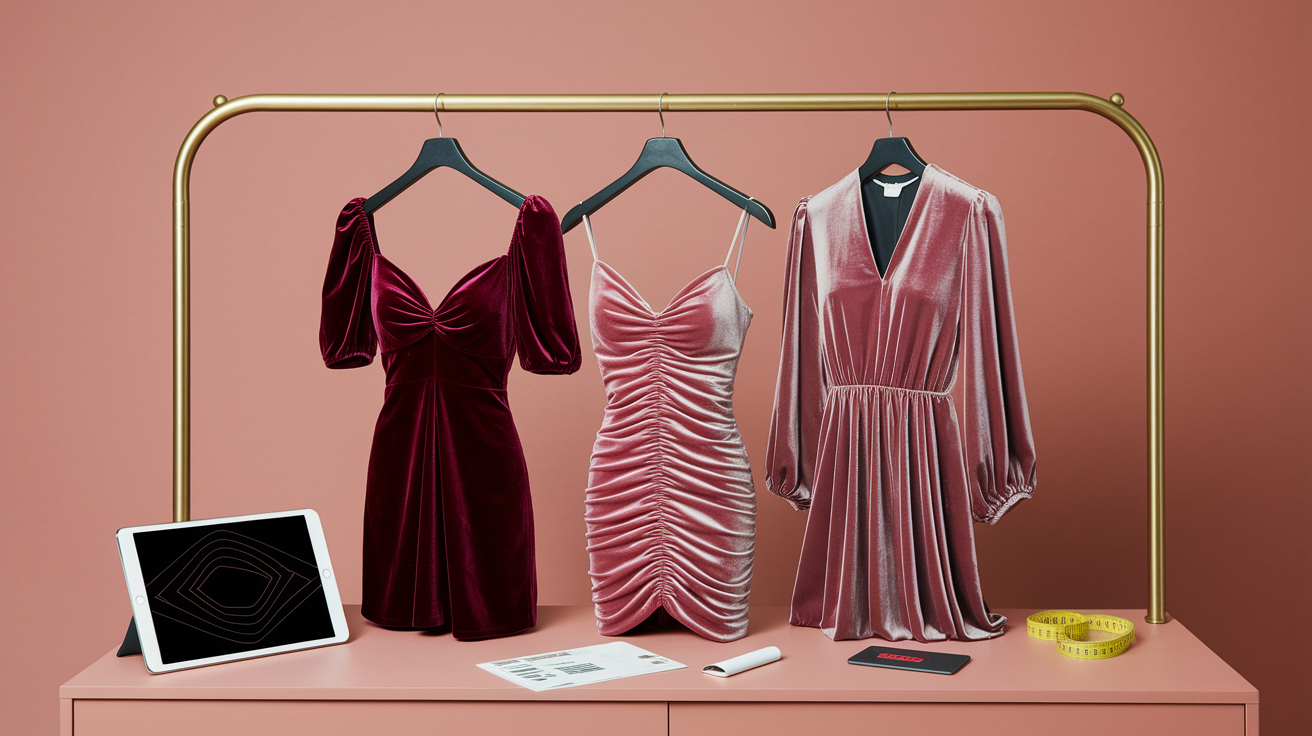
Velvet dress pricing varies widely depending on fabric quality, brand positioning, and construction details. Budget-friendly styles start around €118 and typically use polyester or rayon-polyester blends with simpler silhouettes and minimal lining. Mid-range dresses fall between €150 and €300 and often feature better fabric (rayon or cotton velvet), more tailored fits, and design details like ruching, statement sleeves, or interesting necklines. High-end velvet gowns range from €300 to €400 and up, with silk or silk-blend velvet, hand-finished seams, full linings, and designer-level construction. If you’re shopping online, many sites offer multi-tier discounts (like 25% off when you buy two or more styles) and first-order incentives that can bring prices down by 10% or €20.
When shopping online, always check the size guide and read customer reviews if they’re available. Look for comments about fit (does it run small or large?), fabric quality (does it look like the photo?), and comfort (is the lining scratchy? does it stretch?). Pay attention to the return policy before you buy. Most brands allow returns within 30 days, but some charge restocking fees or require you to cover return shipping. If you’re ordering a dress for a specific event, give yourself at least two weeks of buffer time in case the dress doesn’t fit and you need to return or exchange it. Check whether the dress is marked “ready to ship” or “preorder.” Ready-to-ship styles exclude preorder and waitlist items, so you’ll get the dress faster.
Price filters are your friend when you’re working within a budget. Use the “Under €150” or “Under €200” filters to narrow your options, or sort by “Priced low to high” to see the most affordable styles first. If sustainability is a priority, look for brands that offer a “carbon savings” sort option or a Deadstock filter. Some sites also highlight online exclusives or final-sale items, which are discounted but non-returnable. Only buy final sale if you’re confident in the size and style. Payment options like Shop Pay or installment plans can make higher-priced dresses more accessible if you prefer to split the cost over time.
Five return-policy points to check before buying a velvet dress online:
- Return window: Confirm the number of days allowed for returns (commonly 30 days from delivery date) and whether that window shortens during holiday seasons.
- Condition requirements: Most brands require tags to be attached, no wear or alterations, and the dress to be in original packaging. Try it on at home, but don’t wear it to an event before deciding.
- Shipping costs: Check who pays for return shipping. Some brands offer free returns, others deduct the cost from your refund, and a few provide prepaid return labels only for exchanges.
- Refund processing time: Ask how long it takes to receive your refund after the return is received (typically 5 to 10 business days) and whether you’ll be notified when the return is processed.
- Restocking fees and final-sale exclusions: Some brands charge a restocking fee (usually 10% to 15%) or mark certain sale items as final sale, meaning they cannot be returned or exchanged.
Final Words
You’ve got the full velvet dress playbook: where to shop (price range €118–€398), the size spread (XS–XL, Regular/Petite/Plus), and mini, midi and maxi options for every occasion.
We also covered silhouettes, celeb inspiration, styling and layering tips, fabric finishes, fit and tailoring notes, care and travel advice, plus sustainable choices to consider.
Whether you want a jewel-tone velvet dress for awards season or a cozy winter date-night look, you can shop smarter and feel great about your pick. Happy hunting!
FAQ
Q: Where can I browse velvet dresses and what should I expect in product grids?
A: To browse velvet dresses, expect product grids with about 29–37 items, filters for size, color, dress type, sustainability, and sorting by best of, price, or carbon savings, plus price tags and shipping info.
Q: What price range should I expect for velvet dresses?
A: The price range for velvet dresses typically runs from €118 to €398, with occasional higher designer pieces and seasonal discounts or first‑order offers lowering prices further.
Q: What sizes and fit options are usually available for velvet dresses?
A: Velvet dresses usually come in XS–XL and often include Regular, Petite, and Plus ranges; size filters and detailed measurements help choose the closest fit before ordering or altering.
Q: What lengths and silhouettes do velvet dresses come in?
A: Velvet dresses come in mini, midi, and maxi lengths, plus wrap, bias-cut slip, fitted ruched styles, long-sleeve cocktails, and full evening gowns for varied occasions and formality levels.
Q: Which colors and jewel tones work best for winter and formal events?
A: Jewel tones like emerald, burgundy, and navy are ideal for winter and formal events; classic black, deep red, and metallic accents also read luxe on velvet under evening lights.
Q: How do wrap, bias-cut, and slip silhouettes perform in velvet?
A: Wrap, bias-cut, and slip silhouettes in velvet offer fluid drape, body-skimming movement, and comfortable stretch where blended—great for flattering curves and adding subtle evening glamour.
Q: What statement details should I look for on velvet dresses?
A: Look for ruching, dramatic sleeves, asymmetric necklines, structured seams, and luxe trims—these details add shape, visual interest, and make velvet feel modern and red-carpet ready.
Q: How should I style shoes, jewelry, and outerwear with a velvet dress?
A: Pair velvet with heels, strappy sandals, or ankle boots; balance bold sleeves with minimal bracelets; match jewel-tone dresses to metallic jewelry and layer with blazers, long coats, or faux-fur stoles.
Q: How do velvet finishes differ and which finish is best for each occasion?
A: Velvet finishes vary by sheen and texture: crushed is textured partywear, burnout adds pattern, stretch gives comfort, and classic pile offers rich shine—each suits different formality and movement needs.
Q: How should I care for, steam, store, and pack a velvet dress?
A: Velvet care favors steaming over ironing, dry cleaning for evening gowns, nap-friendly steaming, garment bags for storage, and careful folding to avoid pressure marks when packing for travel.
Q: Are there sustainable or vegan velvet dress options?
A: Sustainable and vegan velvet options exist, including Deadstock fabrics and blends like rayon or cotton; brands increasingly publish sourcing commitments and clearer material choices for eco-conscious shoppers.
Q: What tailoring and alteration costs should I expect for velvet dresses?
A: Tailoring Velvet often needs hem, waist, or sleeve adjustments; expect moderate alteration costs depending on complexity, with boutique fits needing finer adjustments than mass-market pieces.
Q: What return-policy points should I check before buying a velvet dress online?
A: Check return timing (usually 30 days), item condition rules, who pays shipping, refund timeline, and any restocking fees to avoid surprises when exchanging or returning a velvet dress.