
Think one tweet can end a career? It can, sometimes.
A cancel culture crisis is a fast-moving public backlash that explodes across Twitter and TikTok in 24 to 72 hours, pulls in fans, media, and sponsors, and can cost a role, a brand deal, or a show overnight.
Algorithms and parasocial rage make rumor louder than context.
This piece breaks down what these crises look like, shows why they spread so fast, and maps the main celebrity responses, apology, silence, or defiance, so you know who survives and how.
Understanding a Celebrity Cancel Culture Crisis

A cancel culture crisis is a fast-moving public backlash that hits when a celebrity says something offensive, faces serious allegations, or clashes with what their audience expects from them. It’s not just a bad review or a few angry comments. We’re talking about something that spreads across platforms in 24 to 72 hours, hits trending, and pulls in media outlets, brand partners, and millions of people who might not have even followed the celebrity before. The goal? Public ostracism. Fans unfollow, sponsors bail, projects get shelved, and the celebrity’s reputation takes real damage in real time.
Twitter and TikTok pour gasoline on the fire. A single screenshot or leaked clip can blow up before the celebrity even checks their phone. Algorithms love polarizing stuff, so outrage moves faster than context ever could. A tweet can go from zero to trending in under 48 hours, racking up tens of thousands of mentions and forcing the celebrity into damage control with barely any time to check facts, talk to lawyers, or think through a real response. The constant stream of takes and reactions creates an echo chamber where backlash feeds on itself and misinformation spreads like wildfire.
The fallout is concrete and usually immediate. Celebrities lose brand deals, watch follower counts drop, see projects canceled, and sometimes face legal trouble or mental health crises. Roseanne Barr’s sitcom got canceled on May 29, 2018—same day she posted an offensive tweet, even after she apologized. Nicki Minaj caught heat after sharing wrong information about the Covid vaccine and later apologized, mentioning concerns about her newborn and wanting to wait for better clarity. A social media creator posted a video disrespecting a sacred text, apologized fast, but still got dragged for days. Responses vary. Some celebrities apologize right away, others go quiet, and some double down or take legal action against false claims.
Six Common Triggers of Celebrity Cancel Culture Crises:
- Offensive or insensitive social posts (racist, transphobic, culturally disrespectful stuff).
- Allegations of abuse, harassment, or bad workplace behavior.
- Old behavior coming back (past tweets, interviews, or photos that don’t match current values).
- Spreading misinformation or conspiracy theories (especially about health, politics, or public safety).
- Leaked private messages or recordings showing hypocrisy or harmful views.
- Anonymous or unverified accusations pushed by coordinated accounts or bots.
Systemic Forces That Drive Celebrity Cancel Culture Crises

Cancel culture crises don’t just happen. They’re powered by how platforms actually work, systems that reward speed, emotion, and polarization over anything nuanced. Algorithms on Twitter, TikTok, and Instagram boost content that gets engagement—likes, shares, comments—so posts sparking outrage climb faster than anything offering context or correction. One accusation or resurfaced clip gets amplified by influencers, commentary accounts, and news aggregators in hours, creating a loop where the story becomes the story before anyone checks if it’s even true.
Parasocial relationships crank up the stakes. Fans feel personally betrayed when a celebrity does something that clashes with the values they’ve projected onto that person. And because audiences interact with stars daily through social media, the sense of intimacy (and the demand for accountability) is stronger than it’s ever been. Misinformation ecosystems make defense harder. Anonymous TikTok accounts have gone after creators with totally made-up allegations that spread before the accused can gather evidence or say anything. Even when the lies get debunked, the damage sticks. The creator economy rewards controversy. Drama drives views, and commentary channels profit from picking apart scandals, so every crisis becomes content for dozens of other accounts.
Five Systemic Forces Behind Cancel Culture Crises:
- Algorithms prioritizing polarizing, high-engagement content over accuracy or context.
- Parasocial dynamics blurring boundaries between fan relationships and personal accountability demands.
- Misinformation ecosystems, including anonymous accounts, coordinated harassment, and false allegations.
- Creator economy incentives that reward controversy, reaction videos, and scandal coverage.
- Limited defense windows—celebrities often get less than 72 hours to respond before the narrative hardens.
Celebrity Apologies as a Primary Cancel Culture Response
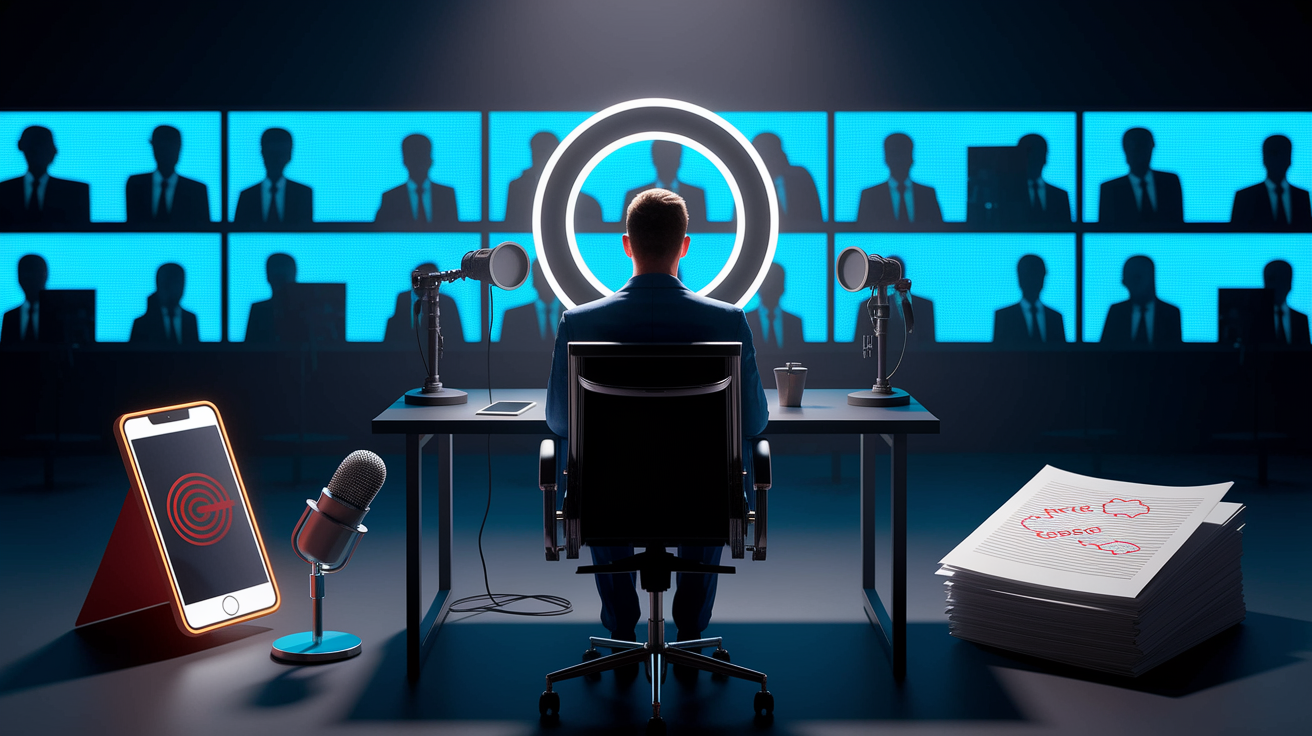
Apologies are usually the first move when a celebrity faces backlash. A good apology can stop the bleeding, signal accountability, and give fans a reason to forgive. But apologies are risky. Say too little and you look defensive. Say too much and you sound fake or over-rehearsed. The pressure to respond in 24 to 72 hours means a lot of celebrities post statements before they’ve fully grasped what went wrong, which leads to apologies that feel rushed, vague, or tone deaf.
Immediate Statements
Immediate statements—posted to Instagram Stories, Twitter, or a Notes app screenshot—are short, direct, and meant to acknowledge the crisis fast. The best ones run 100 to 300 words, name the specific harm, don’t deflect, and promise follow-up action. You’re trying to show you’re listening and taking responsibility, not arguing every detail. A creator who posted a disrespectful video involving a sacred text issued an immediate apology but kept catching heat because the apology didn’t touch the cultural context or offer concrete steps to fix things. Timing matters. The longer you wait, the harder the narrative sets.
Long-Form Interviews
Long-form interviews—on podcasts, YouTube, or traditional media—give celebrities room to explain their side, share context, and remind people they’re human after a crisis. These work best when the immediate apology already happened and the audience is ready to hear more. The risk? Long explanations can sound like excuses, especially if the celebrity spends more time defending their intent than owning the impact. Interviews also need media training. One wrong phrase can blow the whole thing up again.
Video Apologies
Video apologies on YouTube or TikTok are the most personal format, showing facial expressions, tone, body language. They can feel more sincere than text, but they’re also the easiest to mock if they come off as performative. Fans pick apart everything—lighting, tears, pauses, whether you’re reading from a script. A video apology works when it’s short (under five minutes), specific about what went wrong, and includes a clear plan for what happens next.
| Apology Type | Typical Outcome |
|---|---|
| Immediate social media statement | Slows backlash if posted within 24–72 hours; risks feeling rushed or insincere |
| Long-form interview | Provides context and humanization; can backfire if seen as defensive or over-explaining |
| Video apology | Feels personal and sincere when done well; vulnerable to mockery if perceived as performative |
| Written essay or blog post | Allows detailed reflection; often read only by core fans, less viral than social posts |
Strategic Silence in Cancel Culture Crises

Silence can actually be smart when allegations are unverified, pushed by misinformation, or being amplified by anonymous accounts with zero credible sourcing. Staying quiet gives the celebrity and their team time to investigate, gather facts, and avoid saying something that could be used against them later. A TikTok creator targeted by an anonymous account spreading lies chose to report the account and defend himself privately before making a public statement. But even then, the damage stuck because the silence let the false narrative spread unchecked.
The risk? Silence past 72 hours usually reads as guilt, indifference, or dodging. Fans and media fill the gap with speculation, and commentary accounts make videos framing the silence as proof of wrongdoing. Silence works best when it’s paired with private action (legal steps, fact checking, behind-the-scenes corrections) and when the celebrity has a solid track record that gives fans a reason to wait for the full story. If the crisis involves serious stuff like abuse or harassment, silence can look like a cover-up, even if the celebrity’s working with lawyers or investigators.
Five Pros and Cons of Strategic Silence:
- Pro: Prevents rushed statements that could backfire or contradict later facts.
- Con: Lets misinformation and speculation fill the narrative void.
- Pro: Buys time for legal review, fact checking, or coordinating with a PR team.
- Con: Fans and media may read silence as guilt or lack of accountability.
- Pro: Works well when allegations are weak, unverified, or pushed by bad-faith actors.
Defiance and Double-Down Responses in Cancel Culture
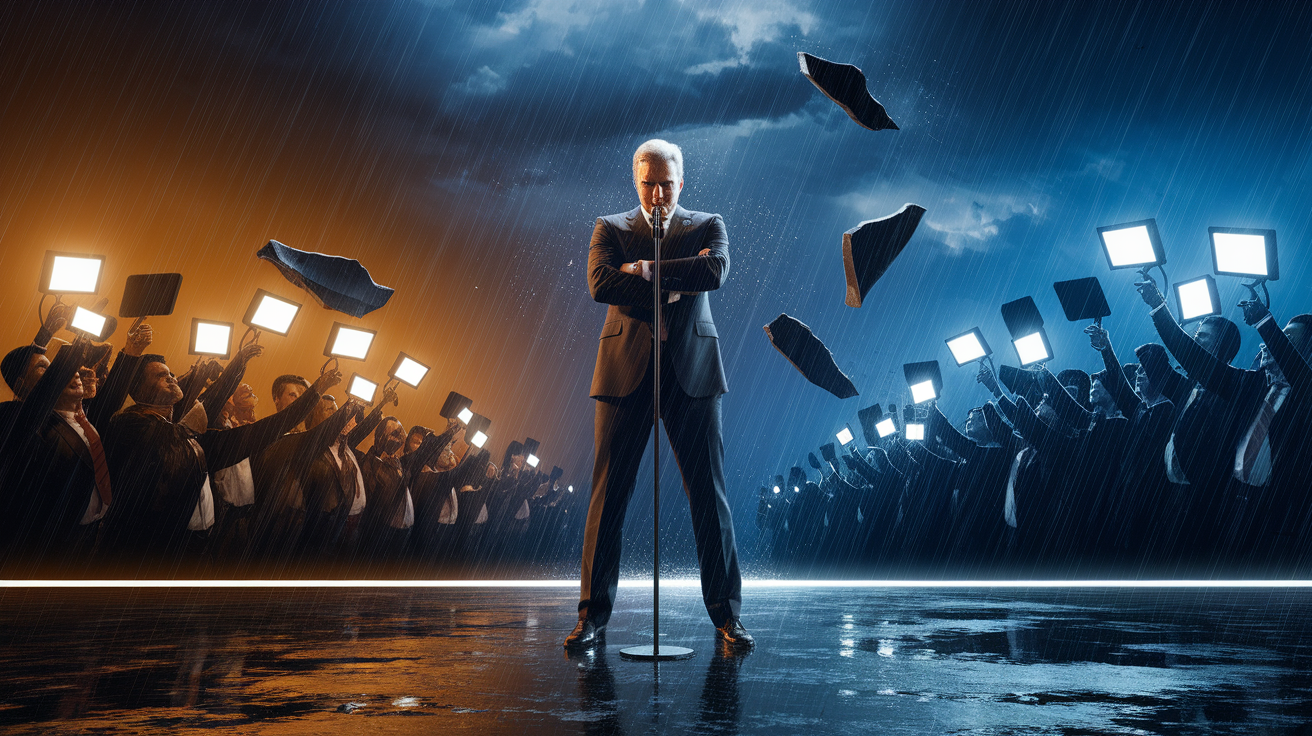
Doubling down (standing firm, refusing to apologize, publicly rejecting the backlash) can fire up a core fan base and position the celebrity as anti-establishment or authentically unbothered. Some public figures bet their supporters will rally if they frame the crisis as a free speech issue or an overreaction by a loud minority. J.K. Rowling faced accusations of transphobia and didn’t apologize. Her book sales reportedly went up afterward, showing that for very big celebrities, cancel culture can be survivable or even profitable if their audience shares their views.
But defiance usually drags the crisis out. Mainstream sponsors, streaming platforms, and brand partners tend to back off when a celebrity refuses accountability, because staying neutral looks like complicity to critics. Doubling down also hardens the opposition. Fans who might’ve forgiven a sincere apology dig in, and the controversy stays in the news longer. The strategy works best for celebrities with an established ideological brand (authors, commentators, personalities whose audience expects controversial positions), but it’s high-risk for actors, musicians, or influencers who depend on broad appeal and corporate partnerships.
The outcome often depends on scale. A megastar with decades of cultural capital and diversified income can weather backlash that would end a smaller creator’s career. A mid-tier influencer who doubles down might keep their core audience but lose brand deals, platform partnerships, and mainstream media access, basically capping their growth and forcing them into a niche that supports their stance.
Corrective and Restorative Actions After a Cancel Crisis
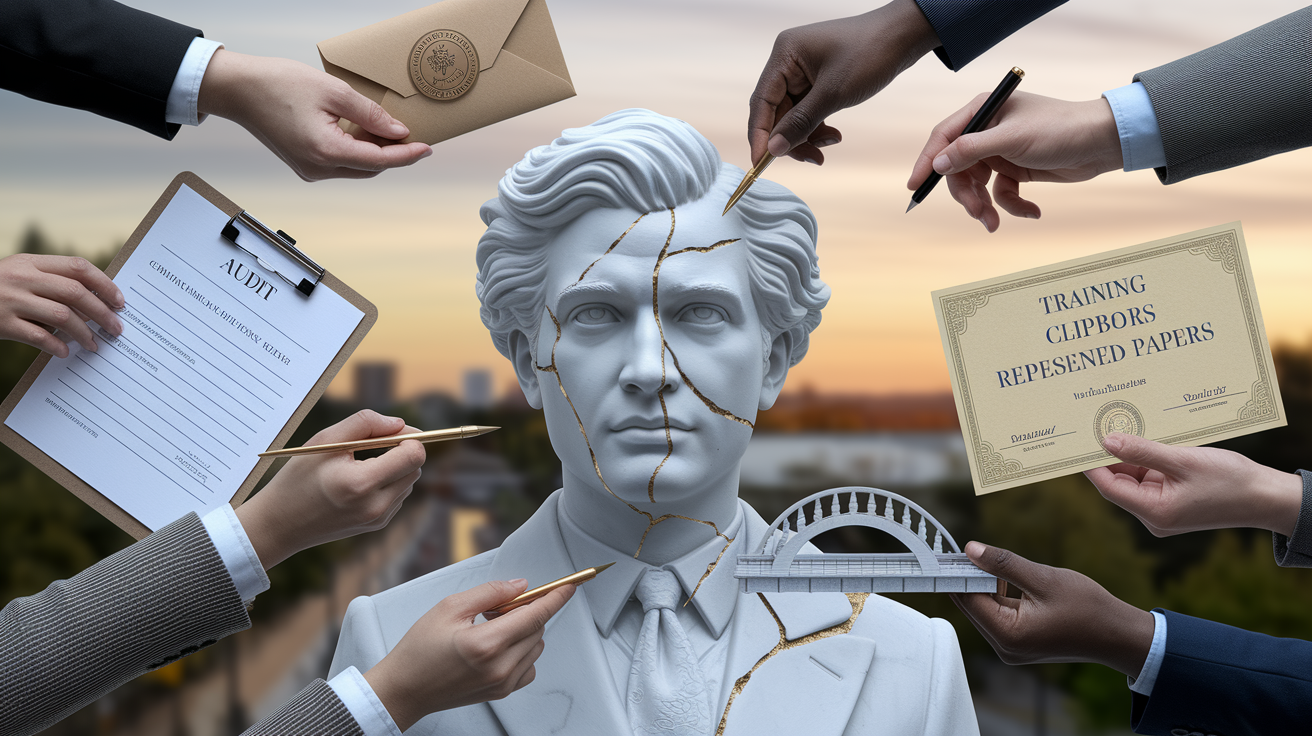
Corrective actions signal the celebrity understands what went wrong and will do the work to fix it. These go beyond words. We’re talking measurable steps like policy changes, donations, independent audits, or public education. Spotify faced backlash over its exclusive deal with The Joe Rogan Experience after artists pulled their music in protest of COVID misinformation. The company added content advisories to flagged episodes and pledged $100 million to promote creators from marginalized groups as a goodwill move. The pledge didn’t end the controversy, but it showed willingness to take action beyond just defending the deal.
Restorative approaches shift focus from punishment to accountability and growth. Instead of canceling a celebrity outright, restorative tactics call out the behavior, give the person time and space to learn, and create opportunities for dialogue with affected communities. This can mean cultural sensitivity training, public conversations with experts or activists, or removing and correcting problematic content. A creator who posted offensive material might delete the video, issue a detailed apology explaining what they learned, and partner with an organization working on the issue to show real commitment to change.
Examples of Corrective Actions
Concrete steps beat vague promises every time. Fans and critics want timelines, dollar amounts, and third-party validation. A celebrity might announce a donation to a relevant nonprofit within 7 days, complete a training program within 30 days, or commission an independent review of their workplace culture within 90 days. Specificity is key. “I’m committed to doing better” doesn’t rebuild trust. “I’ve donated $50,000 to X organization and enrolled in a 12-week cultural competency course starting next month” does.
- Launch an independent audit or hire a third-party mediator to review workplace practices.
- Make public donations to organizations aligned with the harm caused, with receipts and timelines.
- Participate in cultural sensitivity or bias training and share proof of completion.
- Remove or correct problematic content and explain the reasoning publicly.
Legal and PR-Firm Guided Responses in Cancel Culture

When a crisis involves false accusations, legal exposure, or potential financial damage, celebrities often bring in lawyers and PR firms to manage the response. Legal strategies include sending cease-and-desist letters to accounts spreading false information, filing police reports, or preparing defamation suits if misinformation is verifiable and damaging. A TikTok creator targeted by anonymous lies reported the account and defended himself, but the reputational damage stuck even after the false claims got flagged. Legal steps can stop misinformation from spreading, but they don’t automatically repair public perception.
PR teams coordinate messaging, monitor sentiment in real time, and manage the rollout of statements across platforms. The standard playbook? A holding statement within 2 hours (something short acknowledging awareness of the situation without making commitments), followed by a fuller statement within 24 to 72 hours addressing the core issue, expressing accountability, and outlining next steps. PR firms also track metrics: volume of mentions, sentiment shifts, trending hashtags, top amplifiers, and follower changes. If the crisis crosses certain thresholds (more than 10,000 negative mentions in 24 hours, pickup by a top-10 national outlet, or credible legal threats), the team escalates to legal counsel and crisis specialists.
Professional crisis management also includes spokesperson training, media briefings, and platform strategy. Celebrities get coached on what to say, what to avoid, and how to stay consistent across interviews. Owned channels (official Instagram, Twitter, or YouTube) get prioritized for initial statements, while paid media placements are considered only after the organic narrative stabilizes. The goal is to control the story before it controls you, using data and discipline instead of reacting emotionally in real time.
| Response Type | When It’s Used |
|---|---|
| Cease-and-desist letter | False accusations, libel, or defamation that can be legally challenged |
| Holding statement (2 hours) | Immediate acknowledgment of awareness while facts are being reviewed |
| Fuller public statement (24–72 hours) | Core response addressing the issue, expressing accountability, outlining next steps |
| Independent third-party audit | Serious allegations requiring external validation and transparency |
| Spokesperson or PR team briefing | Coordinating messaging across platforms, managing media inquiries, monitoring sentiment |
Celebrity Case Studies of Cancel Culture Crises

Real examples show how different response strategies play out over time. Some celebrities recover fast, others rebuild slowly, and some never get back to where they were. The outcomes depend on how bad the triggering behavior was, how fast and sincere the response was, and how much cultural capital the celebrity had going in.
Successful Recoveries
Successful recoveries mix prompt acknowledgment, measurable corrective action, and sustained follow-through. Nike’s 2018 “Dream Crazy” campaign featuring Colin Kaepernick triggered a #NikeBoycott and a 2% sales dip. But the company stuck to its values, reinforced the partnership, and ended up with record engagement and stock performance (closing at $83.47). The backlash was real. But the long-term brand gains beat the short-term pain because Nike’s response was authentic and lined up with what they’d already said they stood for.
Partial Recoveries
Partial recoveries happen when the celebrity keeps a core audience but loses mainstream appeal or commercial partnerships. J.K. Rowling faced ongoing criticism over statements on transgender issues, yet her book sales reportedly went up and she kept publishing. The controversy shrank her cultural reach in some circles but reinforced loyalty among fans who shared or defended her views. Spotify kept its exclusive deal with The Joe Rogan Experience despite artist protests, added content advisories, and pledged $100 million to marginalized creators. The platform survived but took reputational hits and saw high-profile content withdrawals.
Failed Attempts
Failed attempts usually involve delayed or insincere apologies, refusal to take corrective action, or legal consequences that override public relations efforts. Roseanne Barr’s show got canceled on May 29, 2018, the same day she posted an offensive tweet, even after she apologized. The network decided the apology wasn’t enough and the reputational risk was too high. Harvey Weinstein’s October 2017 allegations triggered industry-wide investigations, company collapses, and executive removals within days to weeks. No PR strategy could reverse the legal and cultural fallout. Kevin Spacey faced similar allegations in October and November 2017, leading to removal from film and TV projects, reshoots, and recasting. Both cases show that when the behavior is severe and the evidence is credible, apologies and corrective steps can’t undo the damage.
Four Lessons from Case Studies:
- Speed matters, but only when paired with sincerity and specifics.
- Authenticity and value alignment can turn short-term backlash into long-term brand strength.
- Very large celebrities with diversified income and loyal audiences can sometimes survive crises that would end smaller careers.
- Serious legal or ethical violations often make recovery impossible, no matter what the response strategy is.
Preventing Future Cancel Culture Crises for Celebrities
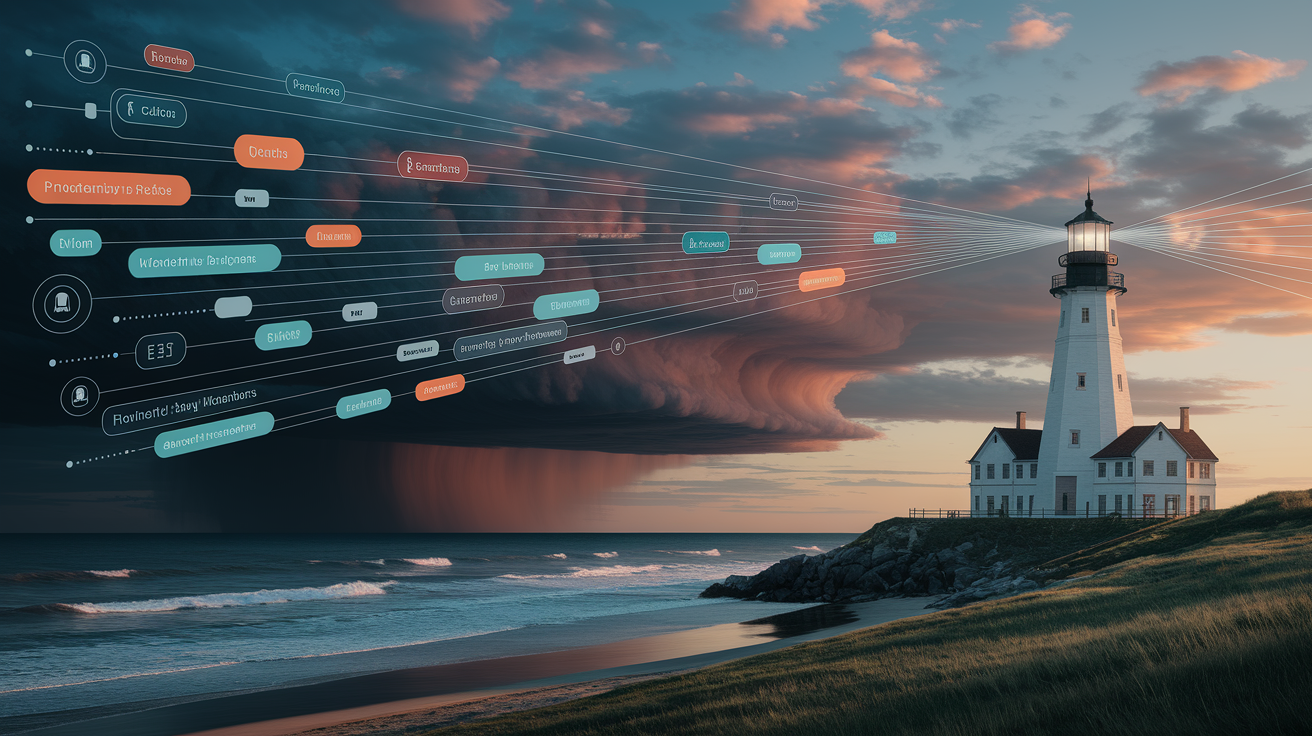
The best crisis response? Prevention. Celebrities and their teams can cut the odds of future crises by investing in ongoing monitoring, media training, and value alignment. Social listening tools track mentions, sentiment, and emerging conversations in real time, flagging potential issues before they explode. A spike in negative mentions or a sudden hashtag can alert teams to trouble hours before it trends, giving the celebrity a head start on addressing the problem or prepping a statement.
Preventive strategies also include vetting partnerships for risk misalignments. Before signing a deal, celebrities and brands should research each other’s public histories, controversial statements, and audience expectations. Nike’s Kaepernick partnership was risky but strategically aligned. Spotify’s Joe Rogan deal produced backlash because the platform’s policies and values messaging didn’t prepare audiences for the controversy that followed. Pre-approved holding statements (templates that can be customized quickly) help teams respond within 2 hours instead of scrambling to write from scratch. Spokesperson training cuts the risk of off-the-cuff remarks that trigger new crises, and regular audits of past content (old tweets, interviews, videos) help identify and address potential problems before someone else digs them up.
Six Preventive Strategies:
- Implement 24/7 social listening and sentiment monitoring to catch issues early.
- Vet all partnerships, collaborations, and brand deals for value alignment and reputational risk.
- Maintain a library of pre-approved holding statements and crisis templates.
- Conduct regular media and spokesperson training to reduce the risk of damaging remarks.
- Audit past public content (social media, interviews, videos) and address or remove problematic material proactively.
- Align public actions with stated values to build trust and credibility before a crisis hits.
When Celebrities Should Seek Professional Crisis Help
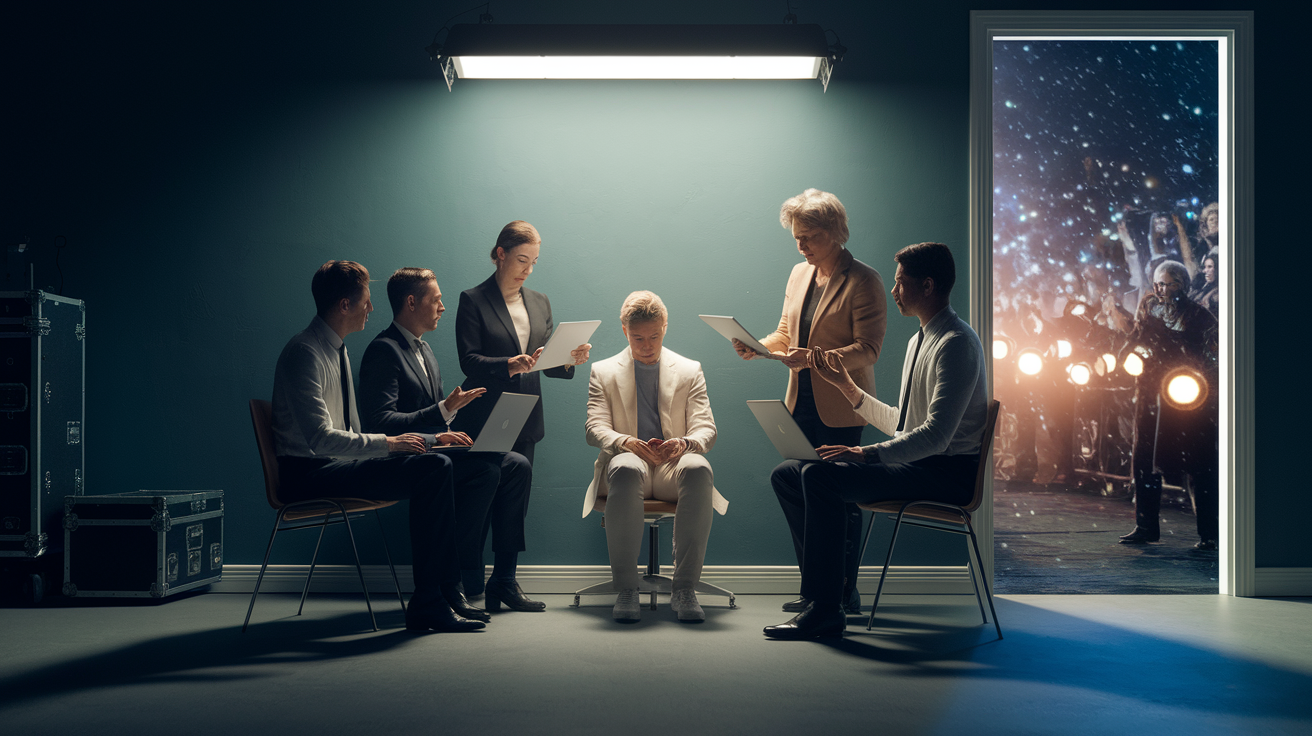
Not every backlash needs outside help, but high-risk situations demand professional support. If a celebrity faces credible legal exposure (criminal charges, civil suits, or allegations that could lead to prosecution), lawyers and crisis consultants become essential. When misinformation spikes and false claims spread faster than the celebrity can correct them, PR firms with rapid response capabilities and media relationships can help control the narrative. Pickup by a top-10 national outlet or more than 10,000 negative mentions in 24 hours signals the crisis has reached a scale beyond what a personal assistant or manager can handle alone.
Mental health professionals are also critical. Past cases show canceled individuals often face severe psychological impacts, including anxiety, depression, self-harm, and hospitalization. One creator later disclosed struggles with borderline personality disorder, depression, anxiety, self-harm, and admission to a psychiatric ward after being targeted online. The pressure to apologize, defend, or stay silent while backlash builds can be overwhelming. Celebrities need mental health support to handle the emotional toll alongside the reputational damage.
When to Seek Professional Help:
- Legal exposure or credible allegations that could lead to criminal or civil proceedings.
- Misinformation spreading faster than you can correct it, especially anonymous or coordinated campaigns.
- Pickup by top-10 national outlets or more than 10,000 negative mentions in 24 hours.
- Psychological distress, anxiety, depression, or self-harm risks related to the backlash.
Final Words
Facing a viral backlash, this post defines a cancel culture crisis and shows how platforms fuel it.
It outlines celebrity playbooks, including apologies, strategic silence, defiance, corrective actions, legal/PR moves, and prevention.
We used case studies and quick how-tos so teams know when to call in pros.
For anyone still asking what is a cancel culture crisis and how celebrities respond, the short answer is that it’s fast, messy, and often manageable with honest timing and concrete actions.
Bottom line: smart steps can rebuild trust.
FAQ
Q: What is the cancel culture of celebrities?
A: The cancel culture of celebrities is a rapid, coordinated public backlash—often within 24–72 hours—triggered by offensive posts, past behavior, or allegations, frequently causing reputational damage, lost deals, or project cancellations.
Q: What did Matt Damon and Denzel Washington say about cancel culture?
A: Matt Damon and Denzel Washington said cancel culture can rush judgment and stifle honest conversation, arguing for more context, nuance, and measured responses instead of instant online punishment.
Q: What are some examples of cancel culture?
A: Some examples of cancel culture include Roseanne’s show being canceled after a racist tweet, Harvey Weinstein’s industry exile, Nicki Minaj’s vaccine backlash, and artists pulling music from streaming platforms during controversies.