
Can a PR team really save a celebrity’s career in 72 hours?
In our fast, loud internet era one hashtag or a leaked text can cost deals, roles, and years of good will.
Crisis PR firms are the reputation firefighters who jump in first.
They lock down evidence, align lawyers and managers, shape the story through influencers and friendly outlets, and fight algorithm-driven rumors.
This piece shows how those firms work, the tactics they use, the legal and digital moves that steer headlines, and why smart crisis work can be the difference between a comeback and a career collapse.
Defining How Crisis PR Firms Shape Celebrity Controversies

Crisis firms for celebrities are basically rapid-response fixers who juggle messaging, media connections, legal strategy, and nonstop digital tracking the second a star’s reputation catches fire. When Blake Lively dropped that lawsuit claiming Justin Baldoni’s crisis team “weaponized a digital army,” the filing ripped open a whole world most fans don’t even know exists. Timed press releases. Influencer seeding. Social-listening war rooms. Crisis PR is a thing because virality’s shrunk reaction time from days to hours, and one trending hashtag can tank endorsement deals, movie roles, or years of brand equity.
TikTok, YouTube commentary channels, Reddit rabbit holes, anonymous gossip accounts like Deuxmoi. All of it’s changed the speed and scale of celebrity blowups. One crisis practitioner said business “skyrocketed” once cancel culture hit full swing, because traditional PR can’t control the conversation anymore. A tabloid editor used to hold the keys to the narrative. Now a creator with half a million followers can dissect court docs live, and AI summaries pull from dozens of sketchy sources. Crisis firms step in to manage that mess.
What crisis PR firms actually do:
- Damage control. Write statements, wrangle breaking stories, coordinate messaging across everyone involved.
- Narrative shaping. Plant talking points through reporters, influencers, and those classic “sources close to” quotes in tabloids and gossip sites.
- Legal coordination. Time court filings, subpoenas, document drops to match PR goals. Use fair report privilege to spread claims.
- Digital monitoring. Run round-the-clock social tools to catch sentiment shifts, bot swarms, and threats across platforms.
- Reputation repair. Execute long game image rehab. Apology tours, counter-narratives, sustained positive press.
Celebrities lean on these firms because the stakes are existential. Sean “Diddy” Combs had crisis pros sitting in the courtroom during his trial, coordinating daily transcript handouts to content creators to control real-time coverage. When Johnny Depp’s trial churned out millions of tweets that disinformation researchers later analyzed, about 50 percent traced back to bot networks. Modern scandal management isn’t just press releases anymore. It’s algorithmic warfare and influence at scale.
How Crisis PR Firms Operate During Celebrity Scandals

The first hour after something breaks? It’s not about panic. It’s evidence capture. Crisis teams screenshot posts, save URLs, archive comments, preserve search results, document AI answers before anything gets deleted or changed. This forensic step protects the client from selective leaks, deepfakes, narrative drift. One crisis playbook flat-out says: “Focus on preservation, not response,” because rushed statements without legal clearance usually backfire.
Inside 24 hours, the firm pulls everyone together. Attorney, manager, publicist, agent, social lead, crisis lead. All of them aligned on a single game plan. The goal’s simple: stop siloed moves that create conflicting messages. The team decides whether to put out a holding statement, stay quiet, or prep a full-blown response. All random posting stops. Social accounts lock down. The crisis lead asks: What’s the legal risk? What’s the reputational risk? What do search and AI visibility look like right now? Answers determine the next 72 hours.
By day three, the team’s executing a staged response map. They decide what’s removable, what’s correctable, what can be suppressed, what needs rebalancing, what just gets monitored. Say a false claim’s blowing up on TikTok. The team might seed corrections to influencers, push structured rebuttals that AI can crawl, deploy targeted digital PR to boost trusted sources. If court docs are in play, timing of the release gets choreographed to blunt the other side’s story or hijack the news cycle. The Lively–Baldoni thing showed this perfectly. Both sides dumped massive text-message batches timed to overwhelm the cycle and confuse the public about what actually went down.
Crisis workflow stages:
- Capture the moment. Lock down all evidence and the current digital footprint.
- Control the first voice. Get stakeholders on the same page. Stop uncoordinated messaging.
- Isolate the issue. Separate rumor from fact, legal risk from reputation concern.
- Monitor and adapt. Track social speed, search drift, AI answer shifts every day.
| Timeline | Primary Actions |
|---|---|
| First Hour | Screenshot posts, URLs, search results, AI answers; save evidence without reacting publicly. |
| First 24 Hours | Pull together attorney, manager, publicist, agent, social lead, crisis lead; decide holding statement vs. silence; freeze random posting. |
| First 72 Hours | Build and run the 72-hour plan; figure out what’s removable, correctable, suppressible, or just monitorable; seed corrections and lift trusted sources. |
The process loops. A crisis doesn’t wrap up in one statement. Teams watch how the story drifts across Google, TikTok, Reddit, YouTube reaction vids, podcasts, fan corners, AI summaries. When sentiment spikes or fresh accusations drop, the plan shifts. The target isn’t noise. It’s clarity, privacy protection, trust rebuild. Measured by real conversations and partnerships holding steady, not vanity metrics like impressions or trending tags.
Core Crisis PR Tactics Used to Manage Celebrity Controversies

Narrative seeding’s the backbone of modern crisis PR. Firms plant anonymous quotes in tabloids using “sources close to” phrasing, feed preferred angles to friendly journalists, hand out curated documents to influencers who’ll push the client’s side. During Diddy’s trial, his crisis crew gave daily court transcripts to TikTok creators with big followings, making sure sympathetic or neutral clips spread before hostile takes could lock in. This works because most people consume scandal coverage through secondary sources, not actual court filings or full-length articles.
Social-listening tools run nonstop to spot when chatter spikes on platforms where “there’s nobody to call” for a correction. Firms like Sitrick and Company hired ex-NYPD social media leads to run digital operations, mixing old-school PR instincts with algorithmic know-how. When a bogus claim gains traction, the team can fire off quick corrections to legacy outlets, seed counter-threads on Reddit, or pay influencers to drop clarifying context. Influencer fees reportedly range from $5,000 to $100,000 depending on reach and how urgent it is. The Lively complaint cited a $175,000 plan for “social manipulation” that included account takedowns and theory-thread planting. A glimpse into how aggressive digital tactics get when budgets are limitless.
Legal filings turn into PR weapons. Lawsuits and court docs get published online to shape public perception using fair report privilege, which lets media report on public records without liability. Countersuits, subpoenas, text-message floods get released strategically to reframe or swamp the narrative. Justin Baldoni countersued Blake Lively right after her lawsuit went public, flooding the cycle with his version and making it tougher for casual readers to track who said what. This “litigation as PR” move turns the justice system into a messaging platform.
Six key digital tactics:
- Seed anonymous “sources close to” quotes in tabloids and gossip sites.
- Hand curated court transcripts or legal docs to influencers and creators.
- Pay influencers to amplify corrections, context, or counter-stories.
- Use social-listening dashboards to track sentiment spikes and fire off quick corrections.
- Publish lawsuits and filings online to control framing through fair report privilege.
- Coordinate media drops (statements, interviews, apology tours) timed to cultural moments or news cycles.
| Tactic Type | Example Method |
|---|---|
| Traditional Media | Anonymous sourcing, press releases, friendly journalist reach, scheduled interviews (think Oprah-style redemption sit-downs). |
| Digital/Social | Influencer seeding, paid amplification, social-listening tools, TikTok/YouTube creator briefings, Reddit thread corrections, bot spotting and counter-ops. |
| Legal-Related | Timed court filings, transcript dumps, subpoena announcements, countersuits, text releases, fair-report privilege plays. |
Some firms admit the dirtiest work gets outsourced to offshore vendors in India, Malaysia, Eastern Europe for bots, astroturfing, engineered engagement. These services rarely get advertised openly, but investigators have dug up pricing. TrollToll, a gray-market vendor, charged $55 for one troll post and $2,250 for a 30-day campaign including social trolling and placements in blogs, articles, videos. The operator claimed over 20 monthly-retainer clients and a 2,200-person “troll” email list. A small but telling slice of the shadow economy around celebrity scandal management.
Types of Crisis PR Firms and Specializations in Celebrity Scandals

Boutique Firms
Boutique crisis agencies like Hiltzik Strategies and Sitrick and Company are known for high-profile celebrity clients and deep media connections. Matthew Hiltzik’s repped Brad Pitt and Johnny Depp. Michael Sitrick’s firm managed the Michael Jackson estate and added ex-NYPD social media lead Yael Bartur to run its digital arm. These firms mix traditional press-office discipline with modern digital ops, offering coordinated message control across legacy media, social platforms, legal filings. They trade on reputation, access, decades of crisis experience.
Boutique firms typically work on retainer or scoped deals tied to urgency and legal sensitivity. They don’t publish cookie-cutter pricing. Serious private-client work gets scoped after confidential intake under NDA. Their value’s in senior-led strategy, direct lines to top-tier journalists, and the ability to coordinate messy stakeholder groups (managers, agents, attorneys, brand partners, family offices) under one roof.
Digital-First Firms
Digital-first agencies like BCC Communications put influencer outreach, social-listening analytics, and algorithmic tactics front and center. These firms hire former reporters, social media managers, digital strategists who get how content spreads on TikTok, YouTube, Reddit, and whatever platform’s next. They run real-time monitoring dashboards, seed corrections to creators with big followings, manage paid amplification campaigns. Their clients often need help managing fan communities, moderating comment sections, responding to viral accusations that traditional media won’t touch.
Digital-first firms also handle search visibility and AI-facing content. They make sure crawlable, structured, authoritative sources get indexed so AI overviews and Google snippets show accurate context. This needs SEO/GEO expertise, entity clarity (author profiles, verified accounts), and digital PR moves like securing backlinks from trusted outlets. Because AI systems pull from multiple sources, weak or one-sided material leads to weak AI summaries. A risk digital-first firms are built to handle.
Shadow/Gray-Market Vendors
Shadow vendors work outside mainstream PR ethics, offering bot networks, troll armies, astroturfing services. TrollToll’s one documented example. $55 per troll post, $2,250 for a 30-day full-service campaign. The operator claimed he got paid $120 to amplify some small emoji-related narrative in the Lively–Baldoni mess. Some traditional PRs say they’d refuse such requests, but others admit when budgets are unlimited and legal exposure’s high, clients sometimes turn to offshore firms that promise aggressive digital manipulation.
What each type brings:
- Boutique firms. Senior-led strategy, deep media connections, legal-PR sync, coordinated stakeholder management, crisis history and reputation cred.
- Digital-first firms. Real-time social listening, influencer seeding, algorithmic moves, search/AI visibility tuning, platform-specific crisis response.
- Shadow/gray-market vendors. Bot networks, troll campaigns, astroturfing, offshore manipulation services, engineered engagement at scale.
Case Studies Demonstrating Crisis PR’s Role in Celebrity Controversies

Ultraviolet’s “Lean Screen” sunscreen got marketed as SPF 50+ but independently tested at SPF 4. Massive safety and trust fail. The brand went defensive, attacked critics, refused to recall the product for two months. This move compounded reputation damage, turned a product error into a credibility crisis, and triggered consumer backlash that could’ve been contained with instant transparency and a fast recall. The takeaway? Defensiveness delays accountability and cranks up the damage.
Blake Lively’s lawsuit against Justin Baldoni claimed his crisis team ran a $175,000 “social manipulation” plan, including account takedowns and theory-thread planting to wreck her credibility. Baldoni countersued, dumped massive text batches that confused the public and made it hard to parse who was telling the truth. The feud racked up millions of reads and turned a film-release mess into a long-running legal and media circus. This case shows how litigation as PR can swamp narratives but also create “metastories” that bury the actual facts.
Kanye West’s repeated controversial moves (posting “betrayal lists,” making inflammatory public statements) chipped away at brand deals and public trust over time. Repeated crises shrink the power of crisis management because audiences stop buying apologies or explanations. The lesson? One-off scandals can be managed. Pattern behavior makes recovery way harder.
Kristen Bell posted an ill-timed anniversary joke during Domestic Violence Awareness Month and wouldn’t retract or apologize. The refusal to acknowledge harm lit up audiences who saw the timing as tone-deaf. The lesson? Tone and timing matter, especially when content crosses paths with social-issue observances. Strategic silence’s different from stubbornness.
Matilda Djerf of Djerf Avenue faced former-employee allegations of toxic workplace culture. She responded with an Instagram “Notes app” apology that dodged specifics and felt fake. The lesson? Influencers tied to stated values (empowerment, kindness, sustainability) get hit with authenticity audits, and casual apology formats wreck credibility.
For deeper dives on these and other celebrity PR messes, including the American Eagle “Bad Genes” campaign, Tesla Autopilot terminology issues, Dallas Mavericks trade backlash, and “Wellness Maddie” AI-doctor controversy, check out 10 Major Celebrity PR Crises and What They Teach Us About Reputation Management.
| Case | Issue | PR Response | Outcome |
|---|---|---|---|
| Ultraviolet “Lean Screen” | SPF 50+ marketed; tested at SPF 4 | Went defensive, attacked critics, delayed recall 2 months | Major trust loss, consumer backlash, reputation damage compounded |
| Blake Lively vs. Justin Baldoni | Alleged “weaponized digital army”; $175k manipulation plan | Lawsuit, countersuit, massive text dumps, narrative confusion | Millions of reads, drawn-out media circus, public confusion over facts |
| Kanye West “Betrayal List” | Repeated inflammatory public statements | Multiple apology cycles, brand deals cut | Pattern behavior killed recovery power, long-term trust loss |
| Kristen Bell Anniversary Post | Ill-timed joke during DV Awareness Month | Refused to retract or apologize | Audience outrage, seen as insensitive, reputation friction |
| Djerf Avenue Toxic Culture Allegations | Former employees alleged workplace toxicity | Instagram Notes-app apology, dodged specifics | Seen as fake; credibility damage for values-driven brand |
These cases show recurring patterns. Vetting partnerships stops brand misalignment. Transparency cuts damage faster than defensiveness. Timing and tone shape audience reaction. Authenticity audits hit hardest for personal brands built on stated values. Measurable outcomes ranged from regulatory probes (Tesla’s NHTSA investigation) to fan backlash (Dallas Mavericks) to sales increases despite outrage (American Eagle refused to apologize yet gained followers). Proof that not all negative attention damages equally and strategic response has to fit cultural context.
Ethical Boundaries and Risks in Celebrity Crisis PR
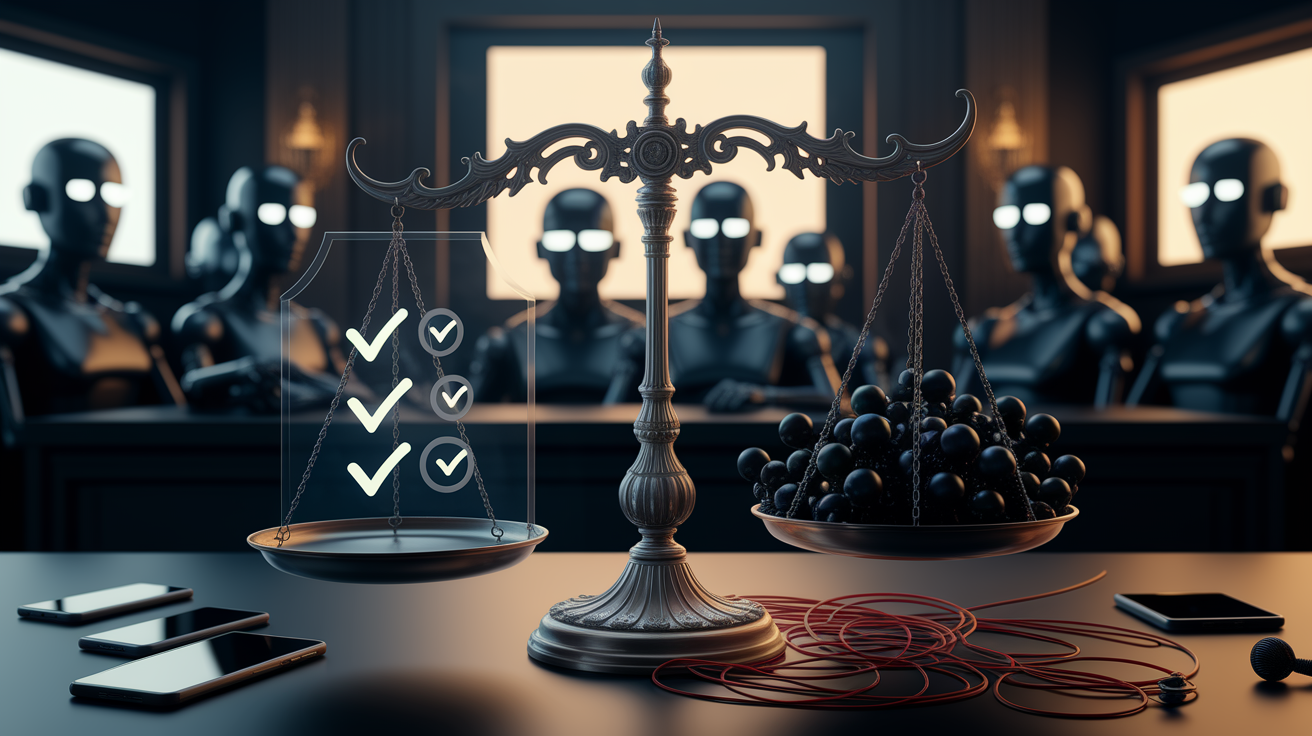
The crisis PR industry admits there’s an “ethical spectrum.” Plenty of top firms publicly say they’d never touch the “dark arts” of astroturfing, bot networks, troll armies. They’d refuse unethical requests. But investigations into high-profile cases like Lively–Baldoni and Depp–Heard show some clients do deploy aggressive digital tactics, either through boutique shops willing to push boundaries or offshore gray-market vendors who operate outside mainstream oversight. The result’s a two-tier system. Wealthy clients can afford sophisticated narrative manipulation. Regular people accused of similar stuff have zero recourse.
Risks of over-aggressive crisis PR? Legal exposure, reputation backfire, long-term public trust erosion. When Blake Lively’s lawsuit alleged a “weaponized digital army,” the allegation itself became a metastory that overshadowed the actual dispute. The public stopped debating the facts and started debating the ethics of crisis PR. Justin Baldoni’s countersuit and text dumps created even more confusion, showing how litigation as PR can spiral into noise that hurts everyone.
Ethical firms stress their role’s to clarify, contextualize, rebalance narratives. Not create false realities. No crisis team can promise complete removal of unwanted search results or guarantee AI systems will ignore negative coverage. The goal’s to lift trusted sources, correct misinformation where possible, provide context so audiences can make informed calls. But when firms outsource to troll networks or deploy bot armies, they cross from advocacy into manipulation, risking legal blowback and permanent reputation damage if exposed.
Four big ethical risks in celebrity crisis PR:
- Legal exposure. Aggressive tactics like defamation, harassment, coordinated attacks can trigger lawsuits and regulatory scrutiny.
- Reputation backfire. When manipulation gets exposed, the metastory about the PR tactics can swallow the original issue and wreck credibility permanently.
- Public trust erosion. Audiences increasingly spot astroturfing, bot activity, coordinated campaigns, making them skeptical of all crisis messaging.
- Structural inequity. Sophisticated crisis PR’s expensive. Only wealthy clients can afford it, creating imbalance in public discourse and justice.
Long-Term Reputation Recovery and Image Rehabilitation

Long-term reputation repair starts after the immediate crisis gets contained. Apology tours, strategic media spots, lifestyle PR, sustained positive coverage all get choreographed to rebuild public trust over weeks or months. Harvey Weinstein’s crisis team, led by Juda Engelmayer, worked to shift media narratives after his 2018 conviction. A recent retrial ended in a mistrial on one count after jury deadlock, which Engelmayer partly linked to changing media landscapes and alternative narratives seeded over time. The lesson? Recovery’s a marathon, not a sprint.
Kevin Hart withdrew as Oscars host in 2018 after old tweets resurfaced. His team ran a mix of controlled apologies, sympathetic interviews, return to comedy specials that reframed the controversy as a growth moment rather than career-ender. The timeline was months, not weeks. KPIs shifted from vanity metrics (impressions, clicks) to real conversations, stabilized partnerships, recovery of branded search signals. Success got measured by whether he could land new film roles and brand deals, not by trending hashtags.
Techniques include syncing with cultural currents (reframing the client as a “cancel culture” victim when it fits) and staging deliberate comebacks through sympathetic outlets. Lifestyle PR floods social feeds with positive images. PDA photos, charity work, family moments. Digital PR secures backlinks from trusted sources to boost search and AI visibility. Legal teams coordinate gag orders or settlements that limit ongoing media attention. The process is methodical, data-driven, deeply collaborative.
Five long-term rehab strategies:
- Staged apologies or nuanced admissions that acknowledge harm without over-apologizing.
- Sustained positive placements in trusted outlets, lifestyle content, charity/community work.
- Sync with sympathetic cultural narratives or reframe as a victim of unfair treatment.
- Coordinated digital PR and SEO/GEO to boost search visibility and AI-facing content.
- Legal settlements or gag orders to limit ongoing media coverage and close the story arc.
| Strategy | Purpose | Timeline |
|---|---|---|
| Apology Tour & Controlled Interviews | Rebuild trust through accountability and sympathetic framing | Weeks to months, staged across multiple outlets |
| Sustained Positive Placements & Lifestyle PR | Shift public perception with charity work, PDA photos, family moments | Months; continuous low-volume positive coverage |
| Digital PR & SEO/GEO Optimization | Boost search and AI visibility with trusted, crawlable content | Weeks for initial indexing; months for sustained search-signal recovery |
Recovery timelines vary. Some attention spikes fade in days, especially if the controversy’s low-stakes or performative outrage. Durable search and reputation repair often takes weeks or months and needs sustained, credible content and third-party authority. Legal resolution, social speed, existing digital footprint all affect timelines. The goal’s not to erase history but to contextualize it, rebalance search results, show growth or accountability over time.
Applying This Understanding: How Celebrities and Teams Use Crisis PR Effectively

Effective crisis PR starts with crisis prep. Celebrities and their teams run pre-emptive audits. Old content gets reviewed for future liability, partnerships get vetted for alignment, messaging playbooks get drafted before controversies pop. Kevin Hart’s 2018 Oscars withdrawal showed the cost of not screening old social posts. Crisis teams now routinely scrub archives, lock accounts, rehearse response protocols with managers, agents, legal counsel.
When a crisis breaks, first action’s evidence preservation. Screenshots, URLs, search results, AI answers, social comments all get captured before anything’s deleted or edited. This forensic step protects against selective leaks and narrative manipulation. Second action’s convening all stakeholders under one roof. Attorneys, managers, publicists, agents, social leads, crisis PR leads align on unified messaging and timeline. The team decides what’s removable, correctable, suppressible, or just monitorable, and builds a 72-hour action plan.
Ongoing monitoring and adaptation are critical. Crisis teams track social speed, search drift, AI-answer shifts, media pickup daily. When sentiment spikes or fresh allegations surface, the plan adjusts. The goal’s to dodge moves that worsen crises. Panic posting before facts are confirmed. Deleting content without preserving evidence. Letting multiple stakeholders speak independently. Repeatedly clicking negative articles (feeds algorithms). Buying fake support or bot comments. Promising complete removal of unwanted results. Confusing silence with strategy.
For a detailed framework on crisis prep and response workflows, see Digital Crisis PR for Celebrities: Who to Call, What to Do, and How to Protect the Story.
Five steps for effective crisis PR:
- Run pre-emptive audits of old content, partnerships, messaging before controversies hit.
- Preserve evidence immediately. Screenshot posts, URLs, search results, AI answers, social comments before deletion or editing.
- Pull all stakeholders (attorney, manager, publicist, agent, social lead, crisis lead) under one roof to stop conflicting messages.
- Build and run a 72-hour action plan that determines what’s removable, correctable, suppressible, rebalancable, or monitorable.
- Track social speed, search drift, AI-answer shifts daily. Adjust the plan when sentiment spikes or new allegations drop.
Final Words
in the action we laid out what these teams actually do: rapid response, message control, legal sync, and long game rehab.
You saw the timeline playbook, real case wins and missteps, ethical risks, and hands-on steps celebrities can use to prepare. Quick takeaways: damage control, narrative shaping, legal coordination, digital monitoring, reputation repair.
At heart, the role of crisis PR firms in celebrity controversies is to buy time, manage the story, and help rebuild trust. Used well, they can turn a crisis into a comeback.
FAQ
Q: What is the role of PR in a crisis situation?
A: The role of PR in a crisis situation is to control the narrative, craft clear media statements, coordinate with legal teams, manage media and social channels, and protect the celebrity’s reputation and partnerships.
Q: What PR firms do celebrities use?
A: The PR firms celebrities use are boutique reputation shops, digital-first agencies, hybrid PR-law teams, and sometimes former journalists or specialized crisis units — plus occasional gray-market operators for covert tactics.
Q: What are the 5 C’s of crisis management?
A: The 5 C’s of crisis management are control, communicate, coordinate, contain, and correct — meaning take charge, deliver clear messages, align teams, limit damage, and fix root problems.
Q: What does a crisis PR firm do?
A: A crisis PR firm does rapid-response messaging, crafts statements, steers narratives, monitors social listening, coordinates legal messaging, conducts media outreach, and plans long-term reputation repair.