
Think PR runs on charm and press releases? That’s old-school and risky.
Enter MIS-PR: when management information systems meet day-to-day public relations.
In Puerto Rico, groups like Miss Progress Puerto Rico use CRM, bilingual CMS, analytics, social listening, and impact tracking to turn scattered emails and spreadsheets into one living dashboard.
The result: faster responses, consistent Spanish/English messaging, and clear proof of impact for sponsors and communities.
This piece shows how integrating those tech pieces actually powers modern PR, and how you can get the same gains.
Defining MIS‑PR and How It Works in Puerto Rico

MIS‑PR is what happens when Management Information Systems meet the everyday grind of Public Relations work. In Puerto Rico, you’ll find it running behind the scenes at nonprofits, pageant organizations, and community groups that need to juggle contact lists, push out content in two languages, keep tabs on social media chatter, and actually prove their work matters. It’s basically connecting your contact database, website, analytics, and social accounts so you can see who’s paying attention, what they’re saying, and whether anyone cares about your message.
Miss Progress Puerto Rico (MPPR) shows what this looks like in practice. MPPR’s core values (Inclusión, Liderazgo, Compromiso, Innovación) and focus areas (Sostenibilidad Ambiental, Derechos Humanos, Cultura) create tons of data points: applications from participants, back-and-forth with sponsors, event sign-ups, social buzz around each titleholder’s community work. Without MIS, all that lives scattered across email threads and random spreadsheets. With MIS, it flows into a CRM, populates dashboards, and feeds content systems serving Puerto Rican audiences in Spanish and English. MPPR runs programs in 2023 and 2025, keeps an office in Caguas (Suite 250, PO BOX 4960, Caguas, PR 00726-4960), and connects to Women For Progress and Miss Progress International over in Italy. Each relationship and timeline generates structured data that MIS organizes and PR folks put to work.
Organizations across Puerto Rico get real value from MIS‑PR because it turns scattered info into something they can actually use. Five building blocks make it happen:
CRM systems pull together participants, sponsors, volunteers, and donors into one searchable place with full histories and automated follow-ups.
CMS platforms handle bilingual publishing, letting teams put out consistent Spanish and English content while managing photos, videos, and press materials in one spot.
Analytics tools tie together website traffic, email stats, and social numbers into dashboards that show what’s working and what’s not.
Social listening and media monitoring software catches mentions, tracks sentiment, and flags trending topics in real time so PR managers can spot trouble early or jump into conversations.
Project tracking and impact measurement systems log who you’ve helped, what you’ve done, and what changed (trees planted, kids mentored, cultural events held), which nonprofits need when they’re reporting back to sponsors or applying for grants.
When these five pieces talk to each other through APIs and shared databases, Puerto Rican PR teams can move faster, show clearer results, and grow their programs without drowning in busywork.
MIS‑PR Integration Strategies for Puerto Rico Organizations
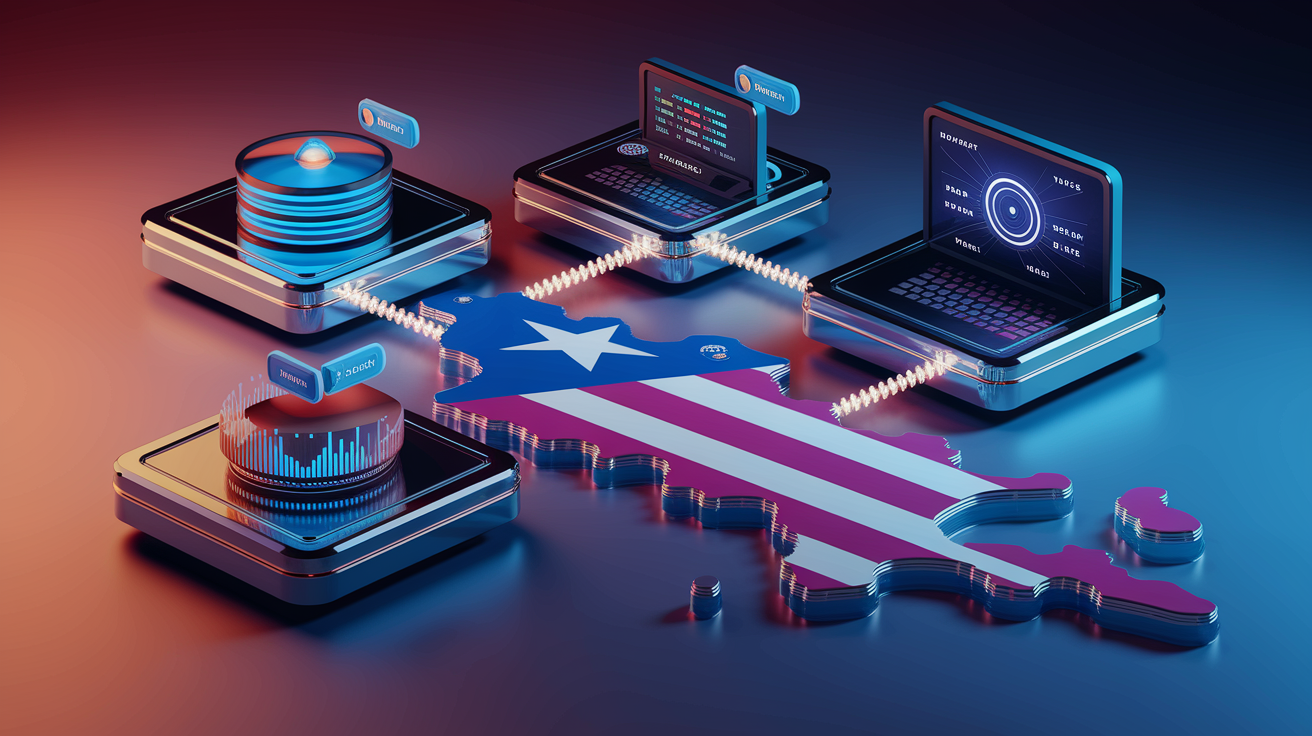
Puerto Rico PR teams win when they actually integrate their MIS tools instead of letting them sit in separate corners. Integration means your CRM feeds contact lists to your email platform, your social listening triggers alerts in your project dashboard, and your analytics auto-fill sponsor reports. You get less double entry, faster responses, and the same story across every channel.
MPPR and similar groups can use four proven integration moves. Each delivers visible improvements in 30 to 90 days.
Data Centralization
Build one central database that pulls contact lists, event records, social mentions, and impact numbers from all your tools. Run daily or real-time data jobs for high-volume stuff like social feeds and weekly batches for slower stuff like sponsor contracts. Centralized data means you run one search to see total reach across email, web, and social instead of logging into three platforms and adding by hand. MPPR can follow participants from first application through proyecto de impacto completion in one view, cutting duplicate contacts by over 80 percent and slashing time spent cleaning lists before mailings.
Automation & PR Workflows
Hook your monitoring tools to your task system so every brand mention above a certain threshold creates a task automatically. If someone tags MPPR on Instagram asking about inclusión programs, the post lands in a shared inbox, assigns to the digital manager, and sets a 60-minute response window. Automated workflows cut manual monitoring by 40 to 60 percent and keep response times under two hours, which counts when you’re fielding sponsor questions or dealing with touchy comments around human rights work.
Bilingual CMS & Digital Asset Management
Puerto Rican audiences want content in Spanish first, with English ready for international partners and visitors. Set up a bilingual CMS (WordPress multisite or headless CMS with language routing) linked to your asset library so editors publish once and Spanish and English versions route to the right URLs, tags, and social previews. Connect the CMS to your CRM so new blog posts about cultura projects auto-trigger segmented emails to arts sponsors and past event attendees. Consistent messaging in both languages supports MPPR’s leadership and innovation pillars and makes sure international partners (like Miss Progress International in Italy) get the same talking points without waiting on manual translations.
Social Listening + Sentiment Dashboards
Plug social listening APIs (Hootsuite, Brandwatch, or free options like Google Alerts and RSS feeds) into a dashboard that calculates daily sentiment scores and flags spikes in volume or negative tone. For groups promoting inclusión and liderazgo, catching misunderstandings or backlash early means you can respond fast with values-aligned messaging. Track sentiment by campaign (sustainability week, human rights panel, cultural heritage month) and compare before/after scores to measure how perception shifts. MPPR can set a baseline sentiment score in month one and shoot for a 10 to 15 percent bump in positive mentions by the end of each program cycle.
| Strategy | Primary Benefit | Measurable Outcome | Typical Timeline |
|---|---|---|---|
| Data Centralization | Single source of truth for all contacts and metrics | >80% reduction in contact duplication; one-query reporting | 4–8 weeks setup |
| Automation & Workflows | Faster triage and lower manual workload | 40–60% less manual monitoring; <2-hour response time | 2–4 weeks for first workflows |
| Bilingual CMS + DAM | Consistent Spanish/English messaging and brand assets | Same-day multilingual publishing; reduced translation lag | 2–6 weeks depending on content volume |
| Social Listening + Sentiment | Early warning and perception tracking | 10–15% sentiment improvement per campaign cycle | 30 days to baseline; ongoing monitoring |
These four strategies work together. Centralized data feeds the dashboards, automation speeds response, bilingual CMS keeps messaging on brand, and sentiment monitoring tells you if it’s landing.
MIS‑PR Tools and Technical Stack Commonly Used in Puerto Rico

Puerto Rican PR teams usually build a mis-pr stack from six tool types. Most start with free or cheap tiers and scale as headcount and projects grow.
CRM systems are the foundation. Salesforce Nonprofit Cloud and HubSpot CRM (free tier exists) top the list because they offer contact segmentation, email hooks, and workflow automation right away. Setup takes four to eight weeks for basic imports and first automated sequences. CMS platforms handle web and content publishing. WordPress with a bilingual plugin or a headless CMS (Strapi, Contentful) paired with a static generator gives you fast, mobile-friendly pages in Spanish and English. Costs run from zero (self-hosted WordPress) to $20–$100+ monthly for managed hosting with CDN and backups. Analytics and BI tools turn raw numbers into reports. Google Analytics 4 is free and tracks traffic, UTM campaigns, and conversions. Pair GA4 with Microsoft Power BI (Desktop free; Pro roughly $9.99 per user monthly) or Tableau for custom dashboards mixing social, email, and CRM data. Social listening and media monitoring needs tools like Meltwater, Cision, Brandwatch, Hootsuite, or Buffer. Plans range from free (Buffer basic, Hootsuite free for three profiles) to $99+ monthly for enterprise monitoring with sentiment and competitive tracking. Mobile data collection matters for field projects (tree plantings, community health fairs, cultural mapping). KoboToolbox (free, built for nonprofits) or Google Forms with offline sync capture beneficiary counts, GPS spots, and photo proof without solid internet. GIS and mapping software visualizes community impact. QGIS is free desktop software for project-site maps; ArcGIS Online offers cloud mapping starting around $100 per user yearly.
Integration stuff for Puerto Rican audiences includes bilingual interfaces (set default language in CRM and CMS admin), connectivity limits (design dashboards that load fast on mobile networks and cache data locally), and local data-privacy norms (set up role-based access, document how long you keep records, and use bilingual consent forms for contact collection). Groups working with international partners (like MPPR’s link to Miss Progress International in Italy) should also configure time zones and currency formatting in CRM and analytics to avoid confusion during cross-border work.
MIS‑PR Applications Using Miss Progress Puerto Rico as a Case Example
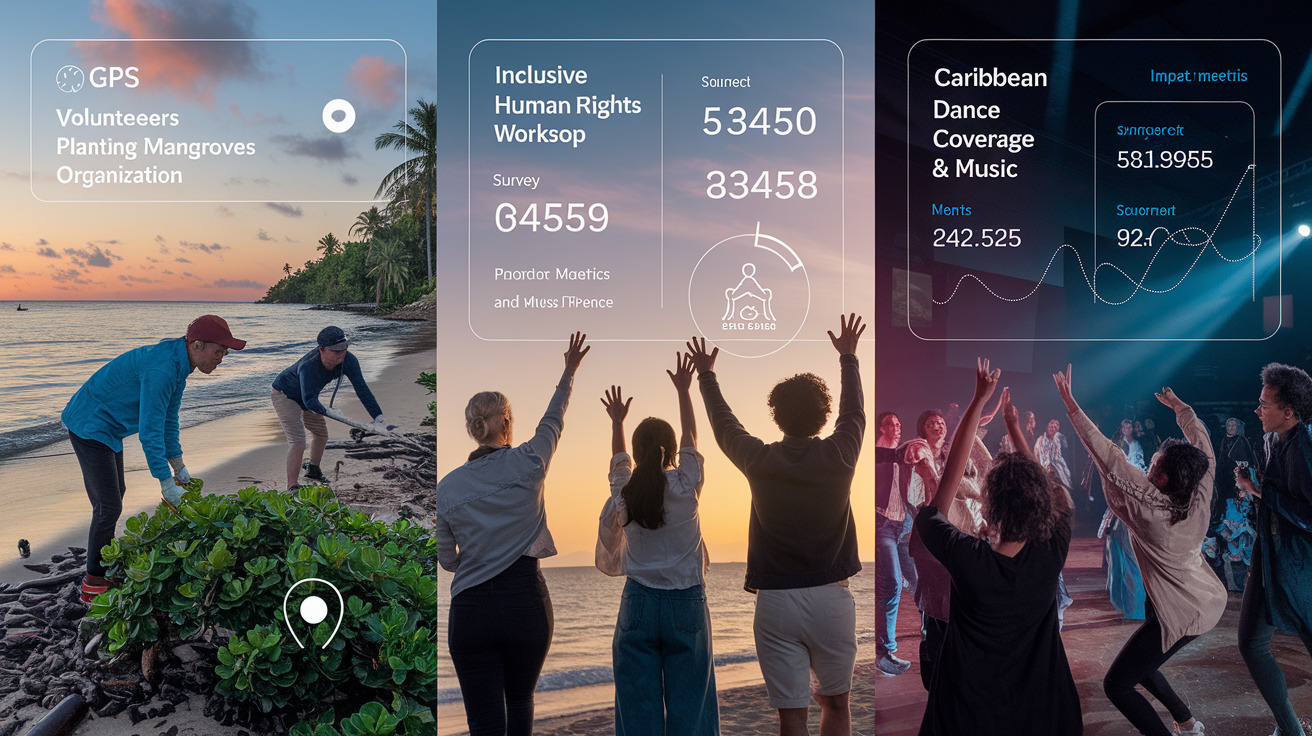
Miss Progress Puerto Rico shows how mis-pr integration powers mission-driven PR across three impact areas: Sostenibilidad Ambiental, Derechos Humanos, and Cultura. MPPR’s programs in 2023 and 2025 create repeating data cycles around participant recruiting, titleholder activities (current titleholder Valerie Green Almonte, Miss Progress Puerto Rico 2025), sponsor engagement, and measurable community results. MIS systems turn those cycles into dashboards that prove impact and guide next moves.
MPPR’s stated values (Inclusión, Liderazgo, Compromiso, Innovación) become trackable when MIS captures and organizes the proof. Each impact area creates unique MIS needs and metrics PR teams can monitor and report.
Sostenibilidad Ambiental
Environmental sustainability projects (reforestation, beach cleanups, waste-reduction pushes) produce hard numbers perfect for MIS tracking. Use mobile collection tools (KoboToolbox or Google Forms) during field events to log trees planted, pounds of trash removed, volunteer hours, and GPS coordinates of sites. Push that field data into a central database nightly. Build a GIS layer in QGIS or ArcGIS Online mapping every MPPR environmental project across Puerto Rico, color-coded by type and size. Publish an interactive map embed on the MPPR site so sponsors and community members see geographic impact instantly. Connect the GIS database to a Power BI dashboard showing cumulative environmental metrics (total trees planted to date, total coastline meters cleaned, carbon offset estimates) that updates automatically after each project wraps.
Three key metrics for Sostenibilidad Ambiental:
Cumulative environmental units (trees planted, pounds diverted, square meters restored) tracked monthly and shown year over year.
Volunteer and beneficiary headcount per project, broken out by municipality, showing community reach and engagement depth.
Social engagement and media impressions per environmental campaign, measured via UTM-tagged posts and media-monitoring APIs, proving sustainability messaging drives online conversation.
Derechos Humanos
Human rights projects (inclusión workshops, anti-discrimination panels, leadership training for underrepresented groups) generate participant lists, event feedback, and follow-up engagement. Store all participant details and consent records in the CRM with a “Derechos Humanos” tag. After each event, send a post-event survey (via CRM email automation) asking attendees to rate session quality, report confidence gains, and flag interest in follow-up mentorship. Aggregate survey responses in a BI dashboard tracking average satisfaction score, percentage who report higher leadership confidence, and conversion rate from workshop attendee to ongoing MPPR volunteer or ambassador. Monitor social sentiment around inclusión and liderazgo messaging using social listening, and flag any negative or confused commentary for fast response.
Three key metrics for Derechos Humanos:
Participant satisfaction and confidence scores (average rating per event, pre/post self-assessment changes) captured via automated surveys and shown in dashboards.
Repeat engagement rate (percentage of first-timers who return for a second event or volunteer gig within 90 days), calculated by CRM contact-history queries.
Sentiment and share of voice for inclusión messaging, measured weekly via social-listening APIs and compared against baseline to catch perception shifts or emerging problems.
Cultura
Cultural preservation and promotion (heritage education, arts showcases, traditional music and dance events) create visual content, beneficiary stories, and media coverage. Tag all cultural content in the CMS with “Cultura” metadata and link to matching CRM sponsor records (arts patrons, cultural foundations, municipal arts councils). Use the CMS to publish bilingual event recaps with embedded photo galleries and video highlights, then track page views, time on page, and social shares in Google Analytics 4. Hook GA4 to the CRM so high-engagement contacts (users viewing three or more cultura pages) auto-populate a “cultural sponsor prospect” list for outreach. Build a media-monitoring query capturing all press mentions of MPPR cultural events and calculate earned media value (EMV) using standard PR formulas (ad-rate equivalency or multiplier methods). Report EMV alongside direct engagement metrics to show total communication value delivered to cultural sponsors.
Three key metrics for Cultura:
Event attendance and repeat visitor rate, logged via registration forms in the CRM and cross-checked with past attendee records to measure loyalty.
Content engagement (page views, video plays, social shares) per cultural campaign, split by language (Spanish vs. English) to understand audience mix and content preferences.
Earned media value and press-mention volume, rolled up monthly from media-monitoring tools and shown in sponsor reports to quantify publicity ROI.
Mapping MIS tools and metrics to each impact pillar lets MPPR and similar Puerto Rico groups turn mission statements into measurable outcomes that attract sponsors, justify grant funding, and show accountability to the communities they serve. Regional media like Miss Universe Puerto Rico also benefit from structured data sharing when MPPR and other pageant or nonprofit groups publish consistent, data-backed impact stories that journalists and bloggers can cite and amplify.
MIS‑PR Roles, Skills, and Career Paths in Puerto Rico

Puerto Rican organizations building mis-pr need people who get both tech and communication. Four core roles support MIS‑PR integration, each with specific skills and typical career tracks.
MIS/IT Lead for PR handles the technical stack, manages integrations, and keeps data quality high. This can start part-time (10–20 hours weekly) in smaller groups and go full-time as system complexity grows. You need basic SQL for database queries, API fundamentals for connecting tools, cloud-platform know-how (AWS, Azure, Google Cloud), and CRM and CMS admin experience. Cert paths include vendor-specific credentials (Salesforce Admin, HubSpot Platform, Microsoft Power Platform) and general IT certs (CompTIA, AWS Certified Cloud Practitioner). Career moves typically go from IT support generalist to MIS Analyst to IT Manager or Chief Technology Officer in larger nonprofits or corporate PR shops.
Digital Communications Manager bridges PR strategy and MIS execution. This person decides what to measure, reads dashboard results, and translates data insights into messaging tweaks. Core skills include analytics platform fluency (Google Analytics, social-listening dashboards), content-calendar management, bilingual writing and editing (Spanish and English), and stakeholder reporting. Useful certs include Google Analytics Individual Qualification, HubSpot Content Marketing, and Hootsuite Social Marketing. Digital Communications Managers often move up to Director of Communications, VP of Marketing, or Chief Communications Officer.
Data Analyst or BI Specialist builds dashboards, writes reports, and calculates KPIs. This can be contractor-based early on and shift to permanent staff as data volume and reporting frequency climb. Skills include intermediate SQL, Power BI or Tableau dashboard design, Excel advanced functions (pivot tables, VLOOKUP, conditional formulas), and basic Python or R for custom analysis. Relevant certs include Microsoft Certified: Data Analyst Associate, Tableau Desktop Specialist, and Google Data Analytics Certificate. Paths lead to Senior Data Analyst, Analytics Manager, or Chief Data Officer.
Student Interns and Volunteer Pools provide entry support for data entry, content updates, event documentation, and field data collection. Universities across Puerto Rico (University of Puerto Rico campuses in Río Piedras and Mayagüez, Inter American University, Ana G. Méndez University system) produce grads in information systems, communications, business admin, and environmental studies who need practicum hours. Structured internships offer mutual benefit: students gain real MIS-PR experience for portfolios and resumes, while organizations staff routine tasks and build talent pipelines.
The local job market for PR-tech talent in Puerto Rico blends nonprofit foundations, municipal government comms offices, corporate marketing departments, tourism boards, and international groups with island operations. Bilingual skills (Spanish fluency plus professional English) and cultural fluency (understanding Puerto Rican media cycles, community norms, and regulatory context) make candidates more competitive across all four roles.
MIS‑PR Education and Training Programs in Puerto Rico

Puerto Rico offers degree programs, certificates, and professional development paths prepping students and working pros for MIS‑PR roles. Three program types serve different entry points and career stages.
Management Information Systems and IT degrees teach database design, systems analysis, programming, and enterprise software. The University of Puerto Rico’s Río Piedras and Mayagüez campuses offer undergrad and grad programs in computer science, information systems, and business information technology. Inter American University of Puerto Rico and Ana G. Méndez University system campuses provide similar tracks with flexible evening and online options for working adults. Grads from these programs enter as MIS Analysts, Systems Integrators, or IT Leads, with strong tech foundations but often needing on-the-job PR context.
Communications and Public Relations degrees cover media relations, strategic communication, crisis management, content creation, and campaign planning. UPR Río Piedras, Inter American University, and other institutions offer undergrad and grad programs in communication, journalism, and advertising. These programs increasingly add digital-analytics modules and social-media measurement units, but grads typically need short courses or certs in CRM platforms, BI tools, and data interpretation to confidently manage MIS-PR integration projects.
Hybrid Tech-PR programs and professional certificates blend communication strategy with data and tech skills. Some institutions offer grad certificates in digital marketing, social-media analytics, or nonprofit management mixing both domains. Professional groups (Public Relations Society of America chapters, local tech and marketing crews) run short workshops on Google Analytics, HubSpot, Hootsuite, and Power BI. Bootcamps and online platforms (Coursera, LinkedIn Learning, Udemy) provide targeted skill-building in 4–12 week formats. These hybrid paths suit mid-career folks pivoting from traditional PR into data-driven roles or IT pros moving into comms-focused positions.
| Program Type | Core Skills Taught | Typical Career Entry Point |
|---|---|---|
| MIS / IT Degree | SQL, database design, API integration, cloud platforms, systems administration | MIS Analyst, IT Lead, Systems Integrator |
| Communications / PR Degree | Media relations, content strategy, crisis response, bilingual writing, campaign planning | Digital Communications Manager, PR Specialist, Content Coordinator |
| Hybrid Tech-PR Certificate | Analytics dashboards, CRM workflows, social listening, KPI design, data storytelling | PR Data Strategist, Analytics Manager, Marketing Technology Specialist |
Students and early-career folks in Puerto Rico should look for internship and practicum chances combining MIS setup tasks with real PR campaigns. Groups like MPPR, local pageant systems, environmental nonprofits, cultural foundations, and municipal comms offices regularly partner with universities for student projects and provide hands-on experience building contact databases, publishing bilingual content, running social-listening queries, and putting together impact dashboards.
MIS‑PR Implementation Timeline, KPIs, and Recovery Planning
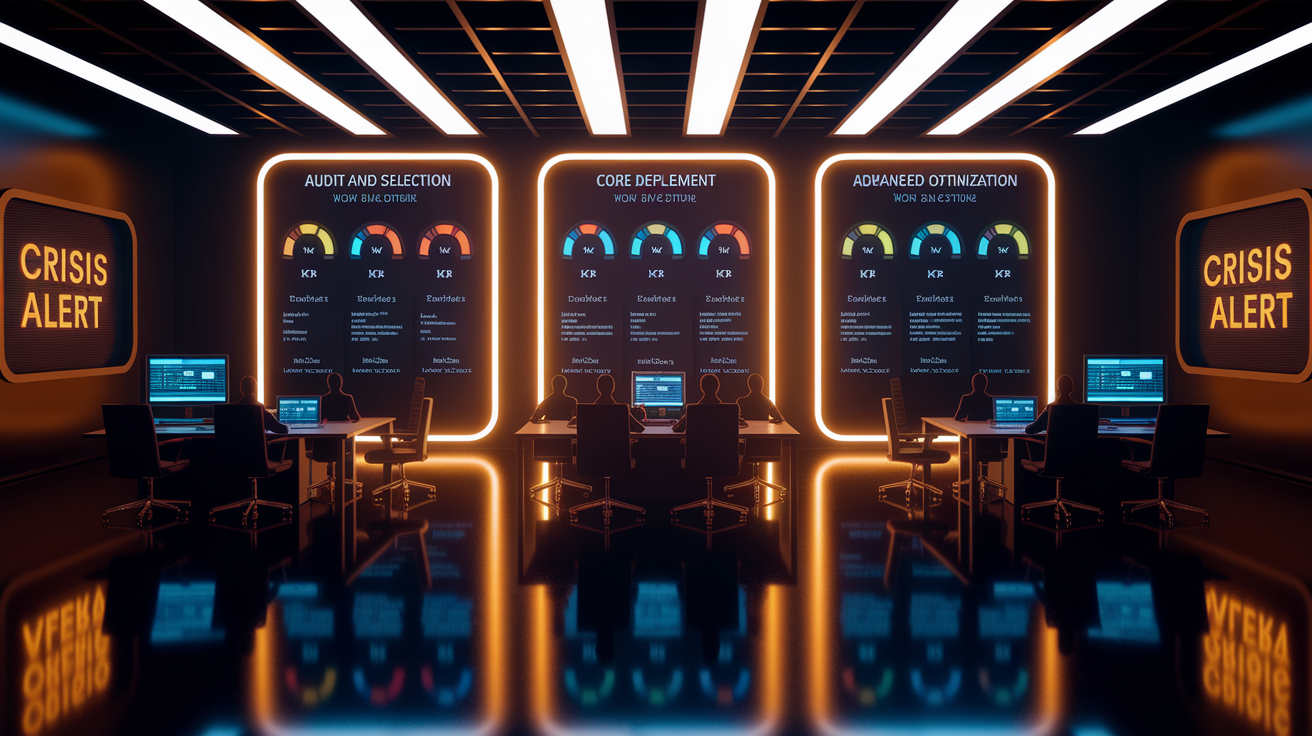
Rolling out a full mis-pr system in a Puerto Rico organization follows a phased timeline with clear milestones and measurable KPIs at each stage. A typical rollout spans 180 days split into three phases.
Phase 1 (Days 0–30): Audit and Selection. Inventory all current tools (email platforms, spreadsheets, social accounts, website CMS, donor databases). Document where contact lists, project records, and media-coverage notes live today. Interview PR staff and program leads to pinpoint pain points (duplicate data entry, slow response times, missing metrics). Pick your core MIS stack: choose one CRM (Salesforce, HubSpot, or Zoho), one BI tool (Power BI or Tableau), one social-listening platform (Hootsuite or a free aggregator), and confirm your CMS approach (WordPress bilingual or headless). Define roles and assign one MIS lead and one data champion from the PR team. At day 30, you should have a written system map, a signed tool budget, and a go-live target date.
Phase 2 (Days 30–90): Deploy Core Systems. Move contact lists into the CRM, clean duplicates, and set up basic tags (participants, sponsors, volunteers, media contacts). Configure CRM email workflows for welcome sequences and event follow-ups. Launch bilingual CMS updates or migrate to the new CMS, making sure Spanish and English content routes correctly and all images, press kits, and videos upload to a central asset library. Connect Google Analytics 4 to the website and set up UTM tracking templates for social posts and email campaigns. Build your first three dashboards in Power BI or Tableau: one exec summary (total contacts, total reach, top three campaigns), one engagement dashboard (email open rates, social engagement by platform, website traffic sources), and one project-impact dashboard (beneficiaries served, events held, key metrics per impact pillar). Train PR staff on CRM contact updates, CMS publishing workflows, and how to read dashboards. By day 90, daily ops should run through the new systems, and monthly reports should auto-generate from dashboards.
Phase 3 (Days 90–180): Advanced Integration and Optimization. Hook social-listening APIs into the BI dashboard so sentiment scores and mention volumes update daily. Add GIS mapping for community projects, linking project records in the CRM to map pins with photos and impact summaries. Hire or assign a data analyst (or bring in student interns) to produce deeper analysis: cohort trends, sponsor ROI calculations, campaign A/B test results, and forecast models for event attendance. Set up automated alerts for high-priority mentions (crisis keywords, exec names, sponsor brands) that trigger email or Slack pings to the PR manager within minutes. Run a 90-day retrospective comparing pre- and post-MIS metrics: measure drop in contact-duplication errors, improvement in average response time, increase in measurable PR-driven website conversions, and staff time saved on manual reporting. Set targets for the next 180 days and tweak workflows based on lessons learned.
Six recommended KPIs guide MIS-PR performance tracking and continuous improvement:
Sentiment score: Roll up positive, neutral, and negative mentions from social-listening tools into a weighted average updated daily or weekly; track trends and flag sudden drops signaling emerging issues.
Response time to high-priority mentions: Measure elapsed minutes from first detection (via automated monitoring) to first reply or internal acknowledgment; shoot for under 60–120 minutes for crisis-related mentions and under 24 hours for general inquiries.
Engagement rate: Calculate total engagements (likes, shares, comments, clicks) divided by total reach, measured per channel and per campaign; benchmark against industry averages and push for incremental monthly gains.
Earned media value (EMV): Use standardized formulas (ad-rate equivalency or PR-specific multipliers) to assign dollar value to press mentions and media coverage; report EMV alongside paid-media spend to show total communication investment.
PR-driven website conversions: Track users arriving via UTM-tagged PR links (email campaigns, social posts, press releases) who complete defined actions (event registration, donation, volunteer signup, contact-form submission); measure conversion rate and tie revenue or participation gains to specific PR efforts.
Stakeholder database health: Monitor contact-record completeness (percentage of records with email, phone, engagement history, and consent status), duplication rate, and engagement recency (percentage of contacts interacted with in the past 90 days); healthy databases enable sharp segmentation and lower email bounce rates.
Crisis and recovery planning also benefit from MIS integration. Rapid-response protocols built into MIS systems (automated alerts, pre-drafted holding statements stored in the CMS, real-time sentiment dashboards) cut reaction time by 30 to 50 percent compared to manual monitoring. When reputational stuff happens, MIS provides the data to measure recovery: track sentiment-score rebound, monitor shifts in search-result rankings for brand terms, and measure return of positive engagement rates as trust rebuilds.
Key Things to Keep in Mind About MIS‑PR Integration
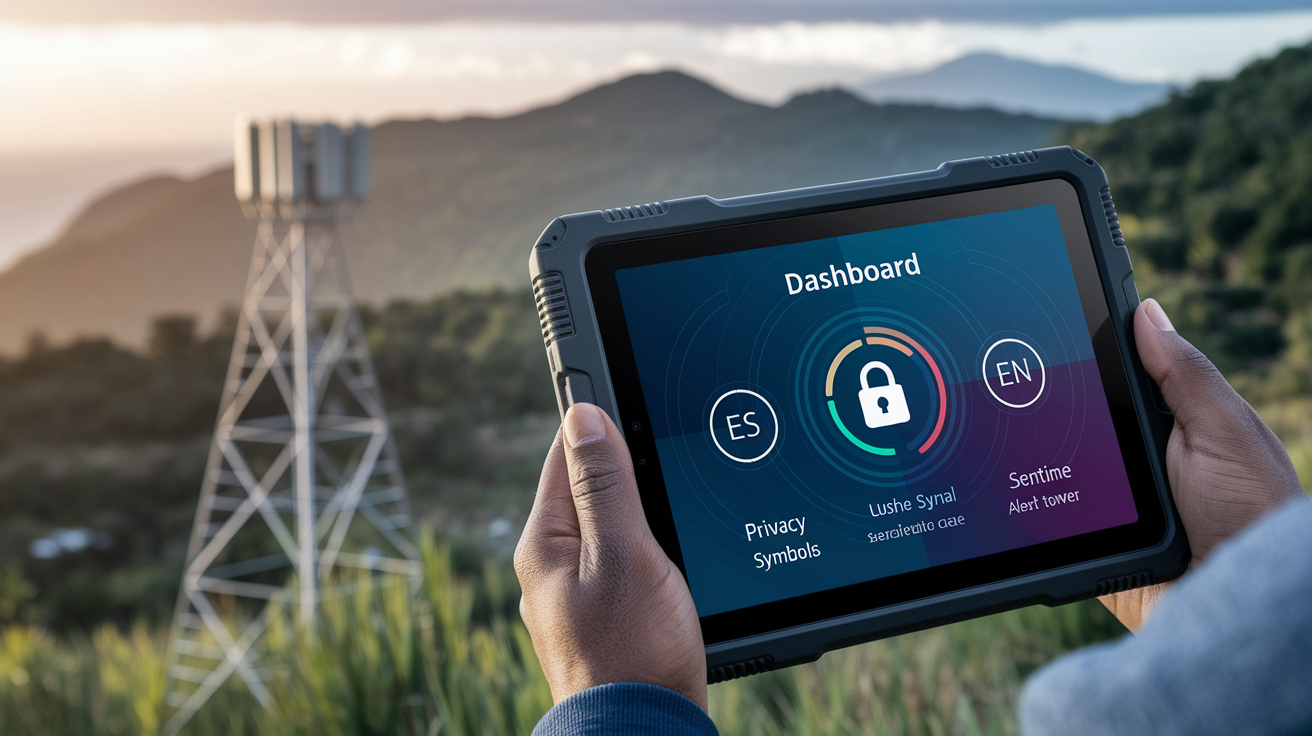
Four practical reminders help Puerto Rico organizations dodge common MIS-PR mistakes and keep long-term value.
Bilingual communication isn’t optional. Puerto Rican audiences expect Spanish as the primary language and appreciate English for diaspora and international partners. Every CMS template, CRM email, survey form, and dashboard label should support both languages with clean toggle or auto-detect. Test all bilingual workflows before launch to catch translation errors, broken links, and formatting stuff that damages credibility.
Stable dashboards for recurring events beat one-time reports. Pageants, annual community projects, and cyclical campaigns (like MPPR programs in 2023 and 2025) generate predictable data patterns. Build dashboards that refresh automatically each cycle instead of recreating reports from scratch. Consistent KPI definitions and visualization formats let stakeholders compare year-over-year performance and spot trends without relearning the interface.
Set up role-based access controls so only authorized staff view sensitive contact details, financial data, or pre-release campaign plans; review permissions every 90 days and pull access for former staff and inactive volunteers promptly.
Document data-retention policies specifying how long contact records, survey responses, and project logs stay in the system and when to archive or delete outdated info, aligning with local privacy expectations and donor transparency norms.
Hook social-listening alerts to internal escalation procedures so unexpected spikes in negative sentiment, mentions of sensitive topics (human rights, environmental harm, leadership controversies), or coordinated criticism trigger immediate review by the PR director and MIS lead, enabling values-aligned responses within the MPPR framework of Inclusión, Liderazgo, Compromiso, and Innovación.
Plan for connectivity limits by designing dashboards that load core metrics quickly on mobile networks, cache recent data locally, and provide offline modes for field staff collecting project data in areas with spotty internet.
Final Words
Puerto Rican teams are already using MIS‑PR to track stakeholders, run bilingual content, and measure impact in real time. This piece defined MIS‑PR, laid out integration strategies, listed common tools, and mapped a practical timeline for deployment.
We also used MPPR as a real example, covered roles and training paths, and flagged the KPIs and recovery plans you’ll need. Short, local-friendly steps make adoption faster.
mis-pr can really boost outreach and protect reputation. There’s momentum—now it’s your move.
FAQ
Q: What does MIS‑PR mean and how does it work in Puerto Rico?
A: MIS‑PR means using management information systems to power public relations in Puerto Rico, helping orgs centralize contacts, manage bilingual content, track campaign impact, and run dashboards for faster decisions.
Q: What are the core MIS components PR teams in Puerto Rico use?
A: The core MIS components PR teams use are CRM for contacts, CMS for content, analytics dashboards, social‑listening tools, and project‑tracking or task management systems for campaign coordination.
Q: What integration strategies help Puerto Rico organizations adopt MIS‑PR?
A: Integration strategies include centralizing data to cut duplication, automating PR workflows for faster follow‑ups, deploying bilingual CMS/DAM, and adding social‑listening with sentiment dashboards for rapid response.
Q: What tools and technical stack are commonly used for MIS‑PR in Puerto Rico?
A: Common tools include Salesforce Nonprofit Cloud or HubSpot CRM, WordPress bilingual CMS, Google Analytics 4, Power BI or Tableau, Hootsuite/Brandwatch, and QGIS/ArcGIS for mapping.
Q: How has Miss Progress Puerto Rico used MIS‑PR and what results were seen?
A: Miss Progress Puerto Rico used MIS dashboards for beneficiary counts, environmental metrics, cultural outreach mapping, consistent messaging tied to their pillars, and improved sponsor visibility across 2023 and 2025 programs.
Q: What roles and skills are needed for MIS‑PR careers in Puerto Rico?
A: MIS‑PR roles include MIS/IT lead, digital communications manager, data analyst, and interns; key skills are SQL, dashboarding, analytics reporting, media metric interpretation, and bilingual communication.
Q: What education and training options support MIS‑PR talent in Puerto Rico?
A: Puerto Rican options include UPR campuses, Inter American University, and Ana G. Méndez University offering MIS, communications, and hybrid tech‑PR programs, plus internship pipelines into local orgs.
Q: What is a realistic implementation timeline and which KPIs matter for MIS‑PR?
A: A realistic timeline is 0–30 days for audit and selection, 30–90 days for CRM/CMS/analytics, 90–180 days for full dashboards; KPIs include sentiment, response time, engagement rate, EMV, conversions, and stakeholder reach.
Q: What key precautions should Puerto Rico organizations consider when integrating MIS‑PR?
A: Key precautions are building bilingual UX and workflows, following local privacy expectations, designing stable dashboards for recurring events, and integrating social‑listening for early reputation alerts.