
Controversial take: the Met Gala 2026 felt more like a museum show than a party.
On May 4, 2026, the Met’s Costume Institute dared celebrities to prove that “Fashion Is Art” with the Costume Art theme.
Designers answered with sculptural gowns, anatomical beading, and literal museum references.
This post walks through the night’s most memorable outfits, the jaw-dropping craftsmanship behind them, and the theme interpretations that sparked conversation, from Grecian marble vibes to wearable anatomy.
Read on if you want to know who turned the red carpet into a gallery.
Complete Breakdown of the Met Gala 2026’s Most Talked‑About Looks and the “Costume Art” Theme
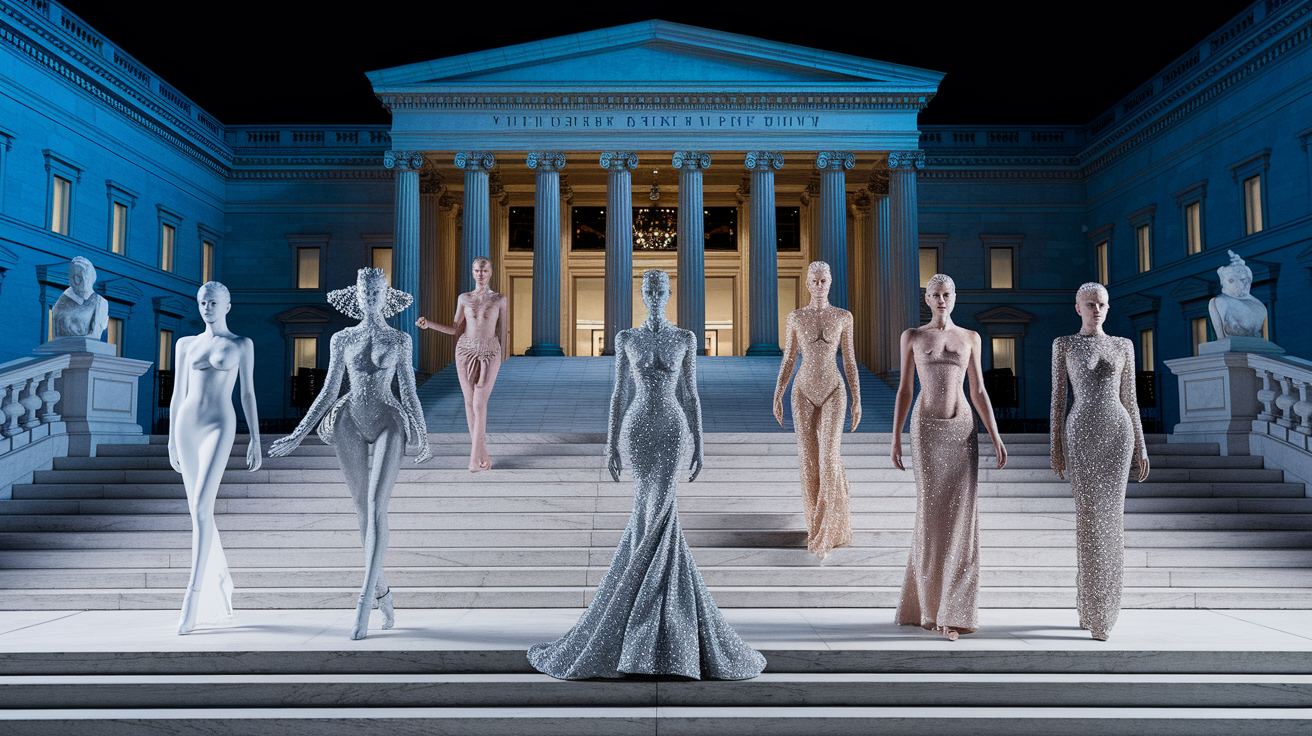
On May 4, 2026, fashion’s biggest night came back to the Metropolitan Museum of Art with a dress code that basically dared everyone to answer one question: What does “Fashion Is Art” actually look like when you’re climbing those stairs in front of a thousand cameras? The official theme tied into the Costume Institute’s new exhibition, Costume Art, which breaks down the dressed body through six subthemes: Naked Body, Classical Body, Pregnant Body, Aging Body, Anatomical Body, and Mortal Body. The goal was to pair historic garments with museum artworks and explore how clothing shapes, conceals, and reinterprets what we see when we look at a human form. In practice, it gave celebrities, designers, and stylists permission to go full conceptual, sculptural, and weirdly personal with what they wore.
The result? One of the most labor-intensive, technically ambitious carpets in recent Met Gala memory. Designers went all in on couture craftsmanship. Some looks took thousands of hours, millions of hand-placed sequins, and materials sourced from vintage dealers, tech-waste suppliers, and yeah, even eBay. Silhouettes ranged from molded bodices that looked carved from marble to gowns that mimicked anatomical diagrams, layered with beads representing veins and organs. The theme was flexible enough to reward both literal and abstract takes, so long as the garment told a story about the body as art.
Stars showed up in looks that split the difference between museum-worthy sculpture and wearable fashion. A few pushed so far into avant-garde territory that their outfits sparked debates about where art ends and costume begins. Co-chairs Anna Wintour, Beyoncé, Nicole Kidman, and Venus Williams set the tone early, arriving in looks that nodded to classical aesthetics, contemporary couture innovation, and bold color choices. The carpet became a live runway showcasing fall 2026 collections that had debuted just months earlier, alongside archival revivals and one-of-a-kind commissioned pieces.
Six universally acknowledged standout looks with key numbers:
Kylie Jenner in Schiaparelli — Couture embroidery required 11,000 hours and included 10,000 baroque pearls and 7,000 hand-painted pearlescent fish scales.
Chase Infiniti in Thom Browne — Venus de Milo–inspired trompe l’oeil dress constructed with 1.5 million stacked sequins and tiered silk fringes in more than 600 colors.
Nicole Kidman in Chanel — Ruby-hued sequined-and-feathered gown took 800 hours of hand beading.
KUN in Thom Browne — “Vital Body” interpretation with one half featuring over 400,000 sequins and beads representing the circulatory system.
Hailey Bieber in Saint Laurent — Molded bodice made entirely of 24‑karat gold.
Rihanna in Maison Margiela — Sculptural gown inspired by medieval architecture in Flounders, Belgium, paired with layered custom jewelry and a showstopping headpiece.
Theme Interpretation Trends Shaping the Met Gala 2026 Red Carpet
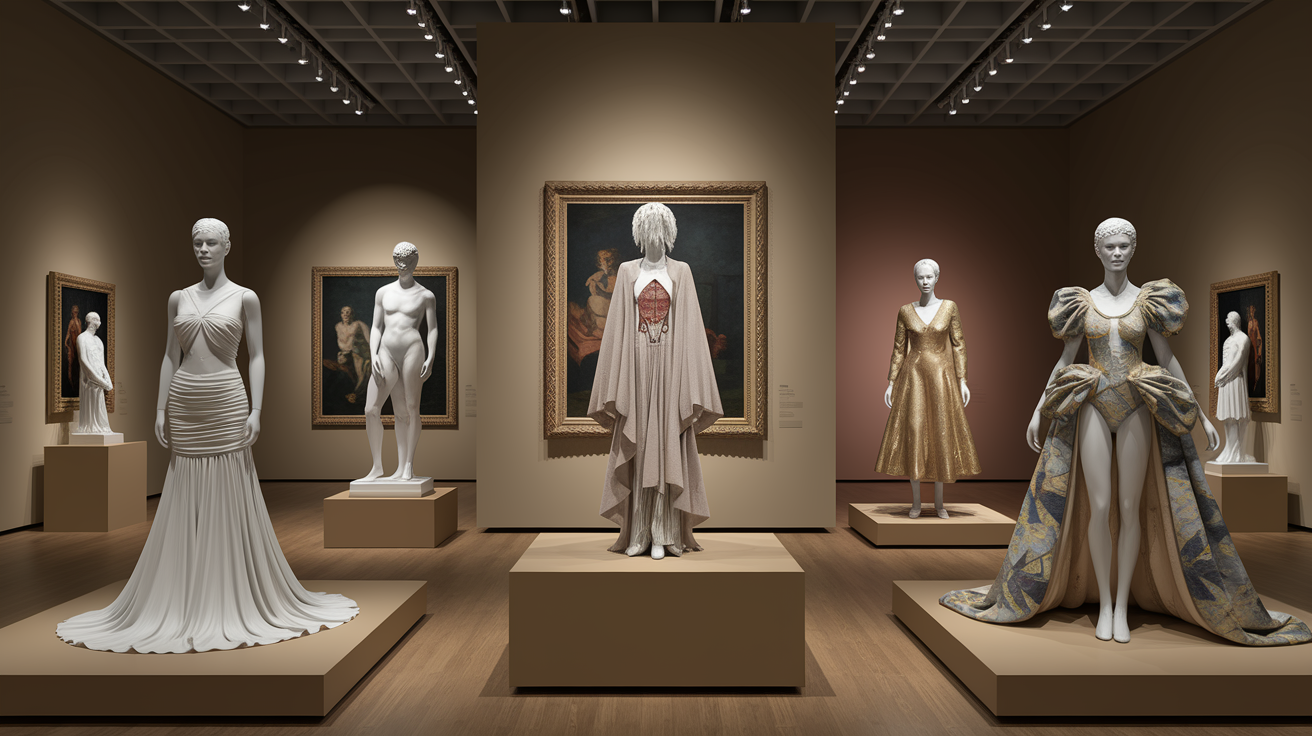
The “Fashion Is Art” dress code created a pretty wide lane for interpretation. Attendees responded by pulling from classical art history, literal museum objects, and contemporary runway movements that treated the body as both subject and canvas. Grecian draping appeared everywhere. Designers like Saint Laurent, Robert Wun, and Chanel revisited toga-inspired silhouettes, statuesque pleating, and wet-look finishes that mimicked marble sculpture caught mid-pour.
Trompe l’oeil techniques dominated, with garments engineered to look like carved stone, exposed anatomy, or layered paint. Several stars explicitly referenced the exhibition’s subsections. Adut Akech wore a high-fashion maternity look that centered the “Pregnant Body,” while KUN’s anatomical beading tied directly to the “Vital Body” category. Others went conceptual, using wearable sculpture, molded breastplates, and archival prints to suggest the interplay between art object and human form.
Archival revivals and artist citations were another major through-line. Angela Bassett’s Prabal Gurung gown drew inspiration from Laura Wheeler Waring’s Girl in Pink Dress, a painting from the museum’s own collection. Ben Platt wore a Tanner Fletcher suit inspired by Georges Seurat’s A Sunday Afternoon. Hunter Schafer’s Prada look referenced Gustav Klimt’s gilded motifs, complete with posy-pink cheeks and gold-leaf detailing.
Designers like Daniel Roseberry at Schiaparelli and Matthieu Blazy at Chanel presented garments that sketched or sculpted female forms directly onto fabric. Bodices that looked like hand-drawn nudes, dresses that appeared to be mid-construction, pieces that turned the wearer into a walking gallery wall. The carpet felt less like a costume party and more like a curated group show, with each look functioning as its own thesis on how fashion interprets the body.
Craftsmanship Metrics Behind the Most Complex Couture of Met Gala 2026
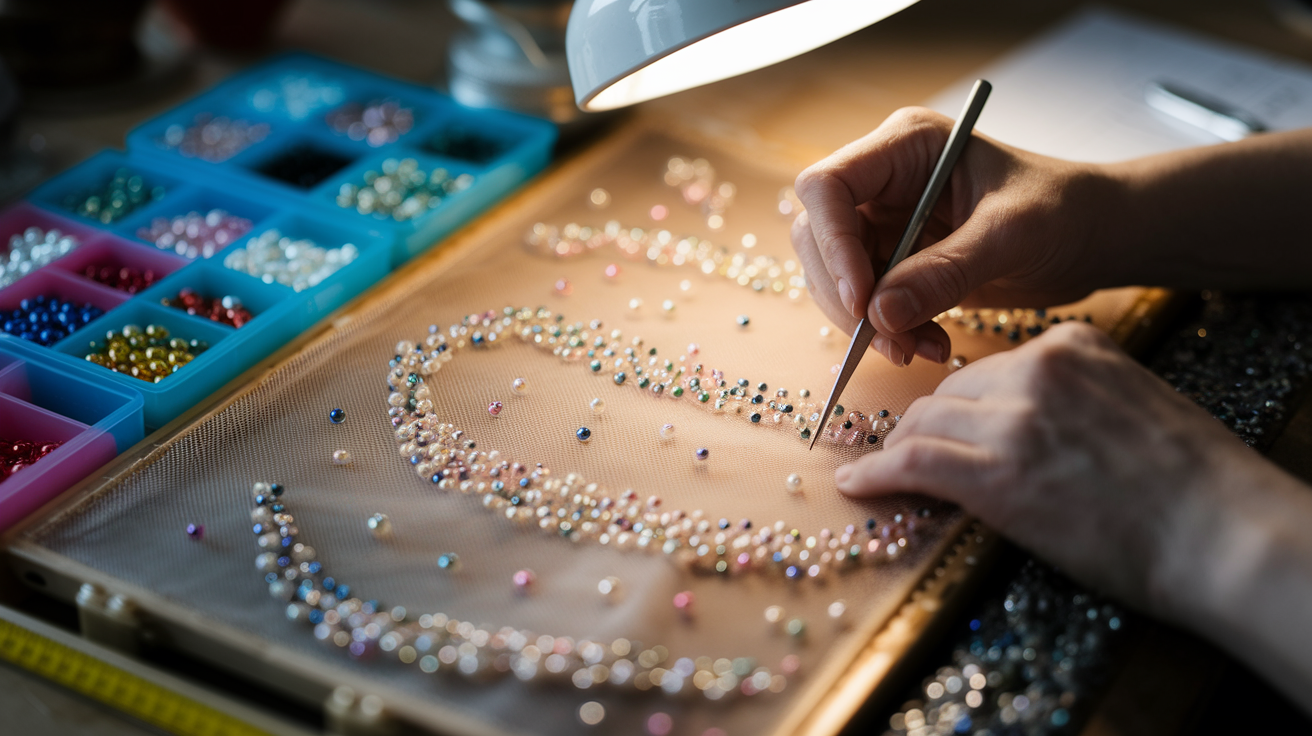
If there was one unifying thread across the carpet, it was the sheer volume of human labor required to bring these looks to life. Couture ateliers worked around the clock in the months leading up to May 4. Some pieces required small armies of embroiderers, beaders, and pattern-cutters to execute a single garment. The emphasis on hand-sewn embellishment, stacked sequins, and bespoke construction meant that many of the night’s most photographed looks represented thousands of hours of off-camera craft.
| Technique | Example Look | Quantitative Metric |
|---|---|---|
| Hand embroidery and embellishment | Kylie Jenner (Schiaparelli) | 11,000 hours, 10,000 baroque pearls, 7,000 painted scales |
| Stacked sequin construction | Chase Infiniti (Thom Browne) | 1.5 million sequins, 600+ color tiers |
| Anatomical beading | KUN (Thom Browne) | 400,000+ sequins and beads on one half |
| Glass-bead sculpture | Yseult (Harris Reed) | 400+ hours, sculpted bodice including detailed belly-button work |
| Multicolor crystal and chain embroidery | Gracie Abrams (Chanel) | 294+ hours, 5,150 embroidery elements |
| Hand beading on tulle and feathers | Nicole Kidman (Chanel) | 800 hours |
These numbers became part of the post-event conversation as quickly as the looks themselves. Social media threads dissected the logistics of placing 1.5 million sequins by hand or embedding 10,000 pearls onto a single skirt panel. Fashion commentators pointed out that the labor behind these garments often exceeded the actual time celebrities spent wearing them on the carpet.
That tension between ephemeral red-carpet moments and the painstaking permanence of couture craft shaped how the night was remembered. It elevated looks that could prove their artistic value not just visually, but through documented hours and materials. The craftsmanship became the story, turning what could have been pure spectacle into a conversation about who makes fashion and how much invisible work goes into a single viral image.
Makeup, Hair, and Accessory Statements Defining the 2026 Met Gala Aesthetic
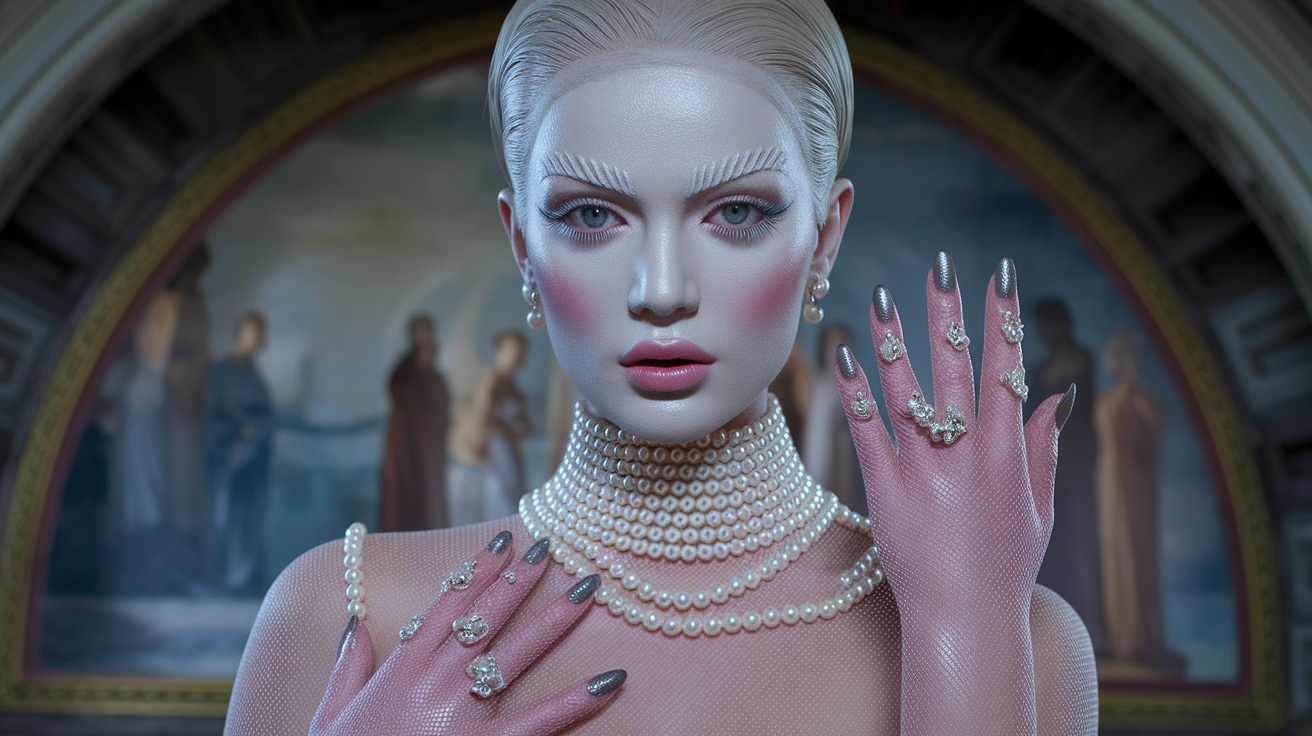
Beauty choices leaned into the theme just as hard as the garments. Statue-inspired makeup dominated, with several attendees opting for pale, matte skin, sculptural contouring, and posy-pink cheeks that mimicked painted porcelain or classical frescoes. Bleached brows made multiple appearances, most notably paired with high-glam couture gowns to create a futuristic, almost alien silhouette.
Dramatic veiling was another standout trend. Madonna arrived in layered sheer veils that obscured and revealed her face in equal measure, while other stars used tulle, lace, and beaded headpieces to frame their looks like living portraits. Hair ranged from slicked-back, sculpture-like updos to romantic, Pre-Raphaelite waves, depending on whether the attendee was channeling classical restraint or Baroque drama.
Jewelry played a narrative role rather than just an accessory one. Tiffany & Co., Chopard, De Beers, and Bulgari all appeared across the carpet, but the most talked-about pieces were custom or conceptual. Emily Blunt wore a Mikimoto pearl body necklace that draped across her torso like anatomical detailing. Venus Williams arrived in a custom Swarovski look that integrated crystals directly into the garment construction. Several stars wore sculptural finger pieces, oversized cuffs, and symbolic motifs. Venus Williams’s custom neckplate included symbolic engravings tied to the theme.
The result was a night where beauty and accessories functioned as extensions of the garment’s concept, not separate styling decisions. That integration helped cement the most memorable looks as complete artistic statements rather than just pretty dresses.
Best‑Dressed Leaders and Style Highlights from the 2026 Carpet
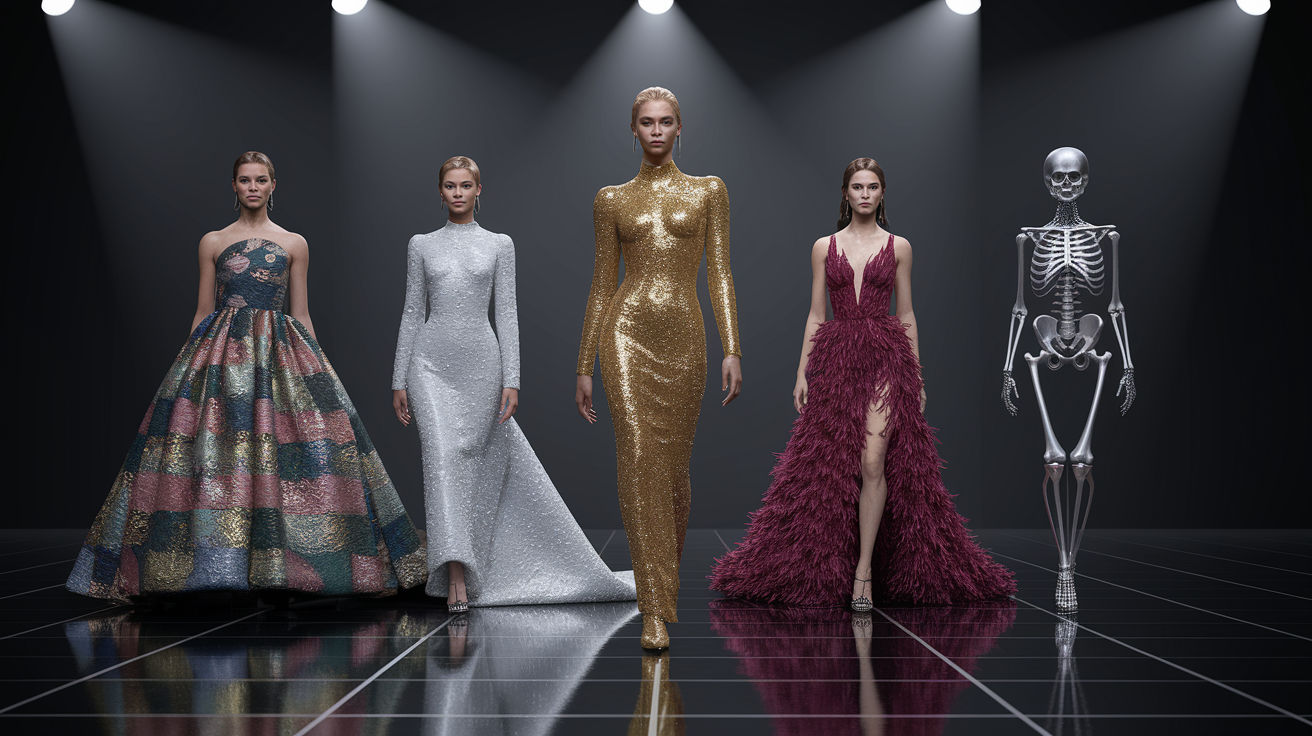
Judging the best-dressed at an event this conceptual requires balancing originality, thematic fidelity, silhouette innovation, visible craftsmanship, and cultural resonance. The standouts weren’t just the most expensive or labor-intensive looks. They were the ones that used the theme as a creative springboard rather than a box to check.
Five best-dressed talking points and criteria:
Originality — SZA’s Bode look, constructed entirely from eBay-sourced vintage fabrics, tapestries, curtains, and beaded appliqués, felt both sustainable and conceptually sharp.
Theme fidelity — Chase Infiniti’s 1.5 million-sequin Thom Browne Venus de Milo interpretation hit the Classical Body subtheme without feeling literal or costume-y.
Silhouette innovation — Hailey Bieber’s 24‑karat molded gold bodice redefined how the body can be framed, sculpted, and elevated through material choice.
Craftsmanship — Kylie Jenner’s 11,000-hour Schiaparelli gown and Nicole Kidman’s 800-hour Chanel piece showcased couture at its most labor-intensive and technically flawless.
Cultural impact — Beyoncé’s Olivier Rousteing silvery skeleton look and Rihanna’s Maison Margiela architectural gown both generated immediate viral moments and will likely define how this Met Gala is remembered visually.
Other standouts included Zoë Kravitz in a sheer, corseted Saint Laurent piece that balanced skin and structure, and Gracie Abrams in Chanel, whose look required 294 hours and over 5,000 embroidery elements but still read as youthful and modern. Janelle Monáe’s tech-upcycled Christian Siriano gown (incorporating electric cables, moss, succulents, and circuit-board fragments) stood out for its conceptual bravery and environmental subtext.
The carpet rewarded risk-takers who committed fully to an idea, whether that was anatomical beading, archival reinterpretation, or wearable sculpture. The best-dressed list reflected that bias toward bold, articulate fashion storytelling.
Viral, Controversial, and Talked‑About 2026 Met Gala Fashion Moments
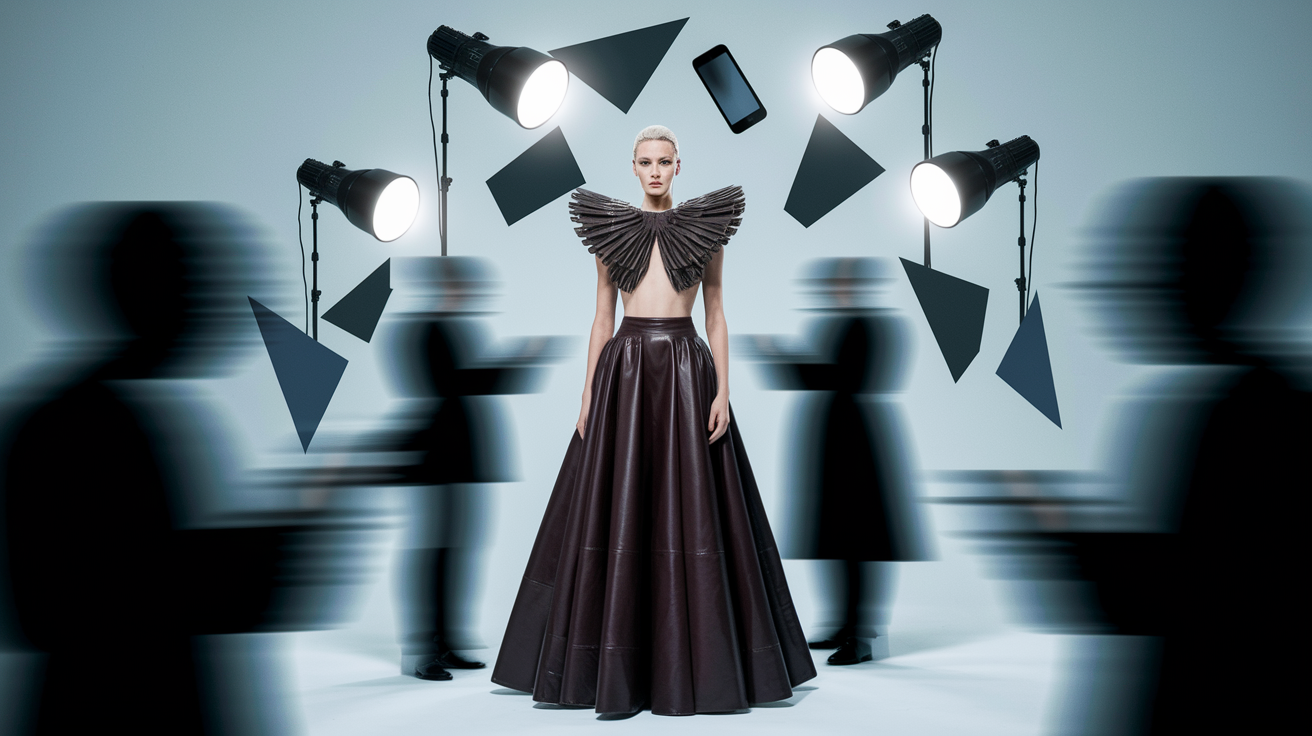
Not every conversation-starter was universally praised. Kim Kardashian’s molded breastplate and leather skirt (a collaboration between corsetry house Whitaker Malem and artist Allen Jones) sparked immediate debate about whether the look crossed from fashion into fetish object, and whether that crossing was intentional commentary or just provocation for its own sake. The piece was technically a wearable sculpture, but its roots in Allen Jones’s controversial 1970s furniture-as-women artworks brought a complicated subtext that divided critics. Some called it a sharp thesis on objectification and art history. Others called it tone-deaf.
Madonna’s dramatic veiling became another flashpoint, not for the garment itself but for the way it obscured her face and sparked speculation about age, visibility, and the “Aging Body” subtheme. Extreme beauty choices (bleached brows on otherwise classic couture gowns, statue-white makeup, and sculptural accessories that obscured natural features) prompted online arguments about whether the night celebrated or erased individuality.
The appearance of real royalty, including Maharaja Sawai Padmanabh Singh and Princess Gauravi Kumari of Jaipur, added a layer of old-world glamour but also raised questions about accessibility and elitism at an event meant to celebrate art for everyone. Janelle Monáe’s tech-upcycled look drew praise for sustainability but also skepticism about whether recycled circuit boards and moss could really be called couture. The controversies weren’t scandals. They were productive tensions that kept the night from feeling too safe or predictable.
Behind-the-Scenes: How 2026’s Most Ambitious Looks Were Built
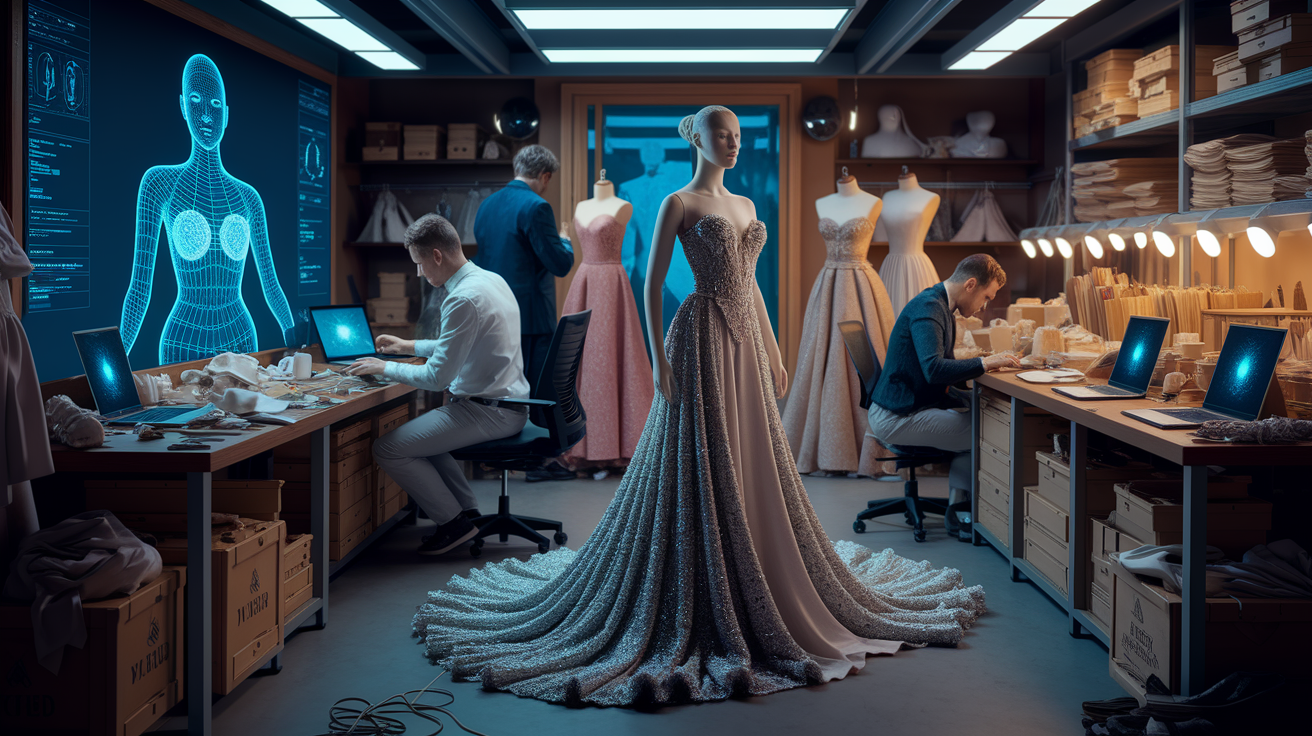
The logistical gymnastics required to produce these garments in time for the first Monday in May involved international atelier coordination, celebrity fittings squeezed between tour dates and film shoots, and last-minute technical problem-solving when a sculpted bodice didn’t fit or a beaded train was too heavy to walk in. Stylists like Ty Hunter, Jason Bolden, Karla Welch, and Mimi Cuttrell became as important to the final product as the designers themselves, navigating client preferences, theme interpretation, and practical concerns like whether a dress would survive the stairs.
3D Scanning & Body Molding
Several of the night’s most sculptural looks relied on 3D body scanning to create garments that fit like second skins or extended the body into new forms. Lisa’s Robert Wun look used scans of her arms and hands to create a veiled arrangement inspired by traditional Thai dance positions, turning her limbs into part of the garment’s architecture. Sinéad Burke and Aariana Rose Philip also worked with designers who used scanning technology to build custom appendage-inspired pieces that honored their bodies rather than requiring them to conform to standard sizing.
The process allowed for precision that hand-draping couldn’t match, especially when creating molded breastplates, anatomical corsets, or garments meant to look like living sculpture.
Stylists and Atelier Collaboration
Behind every viral look was a stylist who translated the theme into a wearable, walkable garment and then coordinated with couture houses to execute it on deadline. Jason Bolden worked with multiple clients to source archival pieces and commission custom work that balanced bold concept with red-carpet practicality. Karla Welch pushed several attendees toward unexpected designers, pairing them with houses they’d never worn before to avoid predictable choices.
The atelier teams themselves (embroiderers in Paris, beaders in India, corset-makers in London) often worked on pieces without knowing which celebrity would wear them, trusting the stylist and designer to pull the final look together days before the event.
The collaboration between Jeremy Pope’s team and specialist corsetmaker Mr. Pearl resulted in a circa fall 1996 Vivienne Westwood corseted jacket that required bespoke structural engineering to support the wearer’s frame. That level of craft can’t be rushed, which is why many of the night’s standout looks were in progress for months, with final fittings happening just hours before the red carpet opened. The behind-the-scenes reality made the on-camera ease of these looks even more impressive. Every effortless pose was the result of invisible labor, technical expertise, and cross-continental teamwork.
Menswear Innovations and Gender‑Fluid Style at the 2026 Met Gala
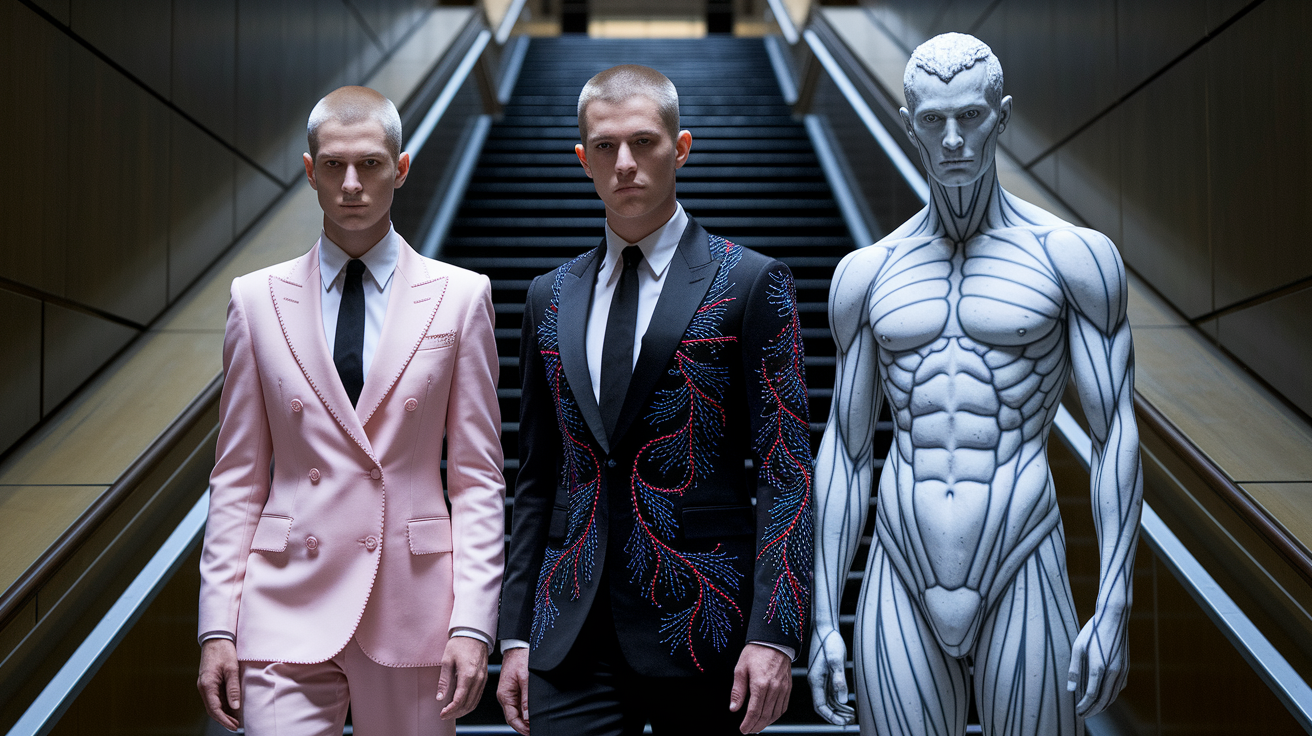
Menswear and gender-fluid dressing proved just as conceptually ambitious as the gowns. A$AP Rocky arrived in Chanel pink tailoring from the Matthieu Blazy era, a move that signaled the house’s willingness to dress male clients in soft color palettes and couture-level construction traditionally reserved for womenswear. The look was playful but precise, with hand-stitched detailing and a silhouette that balanced classic suiting with contemporary proportion play.
KUN’s Thom Browne “Vital Body” piece (half covered in 400,000 sequins and beads arranged to represent the circulatory system) pushed menswear into full anatomical illustration, turning the suit into a teaching diagram as much as a garment.
Thom Browne’s body-illusion tailoring appeared on multiple attendees, using trompe l’oeil techniques to suggest exposed muscle, skeletal structure, or classical sculpture beneath contemporary suiting. Chase Infiniti’s Venus de Milo gown blurred gender lines entirely, with a silhouette that referenced both classical menswear tailoring and couture eveningwear construction.
The night made it clear that “Fashion Is Art” worked just as well for men and gender-fluid dressers as it did for traditional red-carpet gowns. The most successful menswear looks were the ones that leaned into concept and craft rather than playing it safe in a tuxedo.
How the 2026 Met Gala Will Influence Upcoming Fashion Seasons
The trends that dominated the carpet are already showing up in designer mood boards, editorial shoots, and early fall 2027 runway teasers. Sculpture-inspired silhouettes (molded bodices, exaggerated shoulders, garments that look carved rather than sewn) are being adapted for ready-to-wear by brands that want to capture the Met’s high-concept energy without requiring 11,000 hours of hand embroidery.
Yves Klein Blue, which appeared on Hailey Bieber and Tessa Thompson, is being called the color of the year by multiple fashion forecasters, with paint companies and beauty brands already rolling out Klein-inspired palettes.
Grecian draping and wet-look finishes are crossing over into bridal, eveningwear, and even denim, as designers look for ways to reference classical art without going full toga. Archival sourcing and vintage upcycling, championed by SZA’s eBay-built Bode look, are gaining traction as both a sustainability move and a way to inject historical texture into contemporary silhouettes. The tech-upcycled aesthetic pioneered by Janelle Monáe’s Siriano gown is being picked up by emerging designers who see waste materials as a legitimate couture medium.
Molded anatomy and trompe l’oeil techniques are harder to translate into mass fashion, but editorial teams are already experimenting with body-conscious prints, optical-illusion knits, and garments that suggest the body beneath without literal sculpting. The Met Gala’s emphasis on labor and craft has also sparked renewed interest in slow fashion, with consumers asking more questions about who made their clothes and how long it took.
The event won’t just influence what clothes look like in the next few seasons. It’s shifting the conversation about what fashion should value, how much work should be visible, and whether art and accessibility can coexist on the same runway.
Final Words
In the action, the Met Gala served pure spectacle. Sculptural gowns, molded bodices, giant bead counts, and body-themed ideas commandeered the carpet.
We ran the theme, the craftsmanship numbers, the beauty moments, and the backstage tech that made each look viral.
Met Gala 2026 standout looks and fashion themes proved fashion can be museum-worthy and totally shareable. Expect sculpture silhouettes, archive revivals, and upcycled tech to ripple into everyday style. It feels bold, joyful, and ready to inspire.
FAQ
Q: What was the Met Gala theme in 2026?
A: The Met Gala theme in 2026 was “Costume Art” with the dress code “Fashion Is Art”, exploring six bodily subthemes (Naked, Classical, Pregnant, Aging, Anatomical, Mortal). It took place May 4, 2026.
Q: What to wear to the Met Gala 2026?
A: To attend the Met Gala 2026, wear wearable art that nods to “Costume Art”. Think Grecian drape, molded anatomical bodices, wet-look finishes, trompe l’oeil sculpture, heavy beading, or archive revivals.
Q: Who looked most beautiful in Met Gala 2026 and who won the best dressed 2026 Met Gala?
A: The most beautiful Met Gala 2026 looks included Rihanna (Maison Margiela), Beyoncé (Olivier Rousteing), Kylie Jenner’s 11,000-hour Schiaparelli, Hailey Bieber’s 24k molded bodice, Nicole Kidman’s beading, and SZA’s vintage mashup, widely named best dressed.