
Think one viral post won’t matter? It can derail deals, fans, and careers in hours.
When a controversy hits—on social, in tabloids, or via a leaked clip—celebrity PR teams go from zero to crisis mode fast, tracking mentions, calling lawyers, and drafting holding statements in minutes.
This piece pulls back the curtain on that backstage playbook: how crises get detected, who does what, and why every second and every word can make or break a star’s image and income.
Defining Celebrity PR Crises and What Happens in the First Moments of a Scandal

A celebrity PR crisis is any public event, accusation, or controversy that threatens reputation, fan trust, or brand deals. And it can spiral fast if you don’t act. Unlike corporate scandals that take weeks to unfold, celebrity controversies move at internet speed. One screenshot, video clip, or tweet can rack up millions of shares in hours. In fact, 69% of brand executives say they’ve dealt with a PR crisis in the last five years, and for high-profile talent, the stakes are even higher because their personal identity is the product. The second a controversy starts trending on social media or hits mainstream outlets, the window to contain it starts closing.
Detection happens through real-time monitoring of multiple signals. PR teams watch for sudden spikes in negative mentions, rapid follower drops, trending hashtags tied to the celebrity’s name, and unexpected press inquiries. Many crises announce themselves through a single viral post or news story that spreads before the celebrity or their team even knows about it. That’s why professional crisis teams keep around-the-clock social listening running and set automated alerts for sentiment changes, platform trends, and keyword spikes tied to their client’s image.
Early indicators that signal a crisis is starting:
- Sharp increases in direct mentions, often paired with negative hashtags
- Sudden engagement drops or follower losses across social platforms
- Journalists reaching out for comment on allegations the team hasn’t confirmed yet
- Content being shared by high-reach influencers, journalists, or verified accounts
- Rapid escalation of comments, tags, or retweets within the first hour
- A shift in sentiment analysis from neutral or positive to mostly negative in a short time frame
The purpose of celebrity crisis management is straightforward. Protect the client’s reputation, deliver safety-first messaging when necessary, and stabilize the narrative before it becomes the dominant story shaping public perception.
The Mechanism Behind Celebrity PR Crisis Response and How the System Works Internally

Celebrity crisis plans aren’t improvised in the moment. They’re structured documents that outline roles, decision trees, approval workflows, pre-drafted message templates, and stakeholder notification protocols. These plans make sure that when a controversy erupts, the team can move quickly and cohesively instead of scrambling to agree on messaging under pressure. The roadmap typically follows a clear sequence: track mentions and sentiment, classify the severity of the crisis, assemble the crisis response team, create an initial statement, publish across channels, monitor reactions, take corrective action, and follow up with documented outcomes.
Severity classification determines how fast and how aggressively the team responds. Triggers for immediate action include negative coverage in major outlets, public callouts by journalists or influential accounts, incidents involving safety or legal issues, behavior that contradicts the celebrity’s stated values, or allegations that could affect active endorsement deals. For serious incidents, teams often assemble the full crisis response unit within 30 to 60 minutes of detection, and in high-stakes cases, they provide hourly internal updates during the first day to keep everyone coordinated and on message.
| Step | Purpose |
|---|---|
| Track mentions and sentiment | Detect escalation early through social listening, media monitoring, and real-time alerts |
| Classify crisis severity | Determine urgency, resource allocation, and whether legal or partner coordination is required |
| Assemble response team | Bring together publicists, legal counsel, social media managers, and crisis leads within 30–60 minutes |
| Create initial statement | Draft holding or full statement, obtain legal sign-off, and prepare for multi-channel publication |
| Publish and amplify | Release messaging across owned channels, brief partners, and control the narrative before it spreads unchecked |
| Monitor reaction and adjust | Track sentiment shifts, influencer amplification, and media coverage to refine messaging if needed |
| Take corrective action | Implement tangible steps such as apologies, content removal, compensation, or policy changes |
| Follow up and document | Publish progress updates, conduct internal reviews, and update crisis plans for future preparedness |
This systematic approach makes sure every crisis follows a predictable pattern, reducing the risk of missed steps, contradictory messages, or delayed responses that can deepen reputational damage.
Types of Celebrity PR Crises and How Management Differs Across Categories
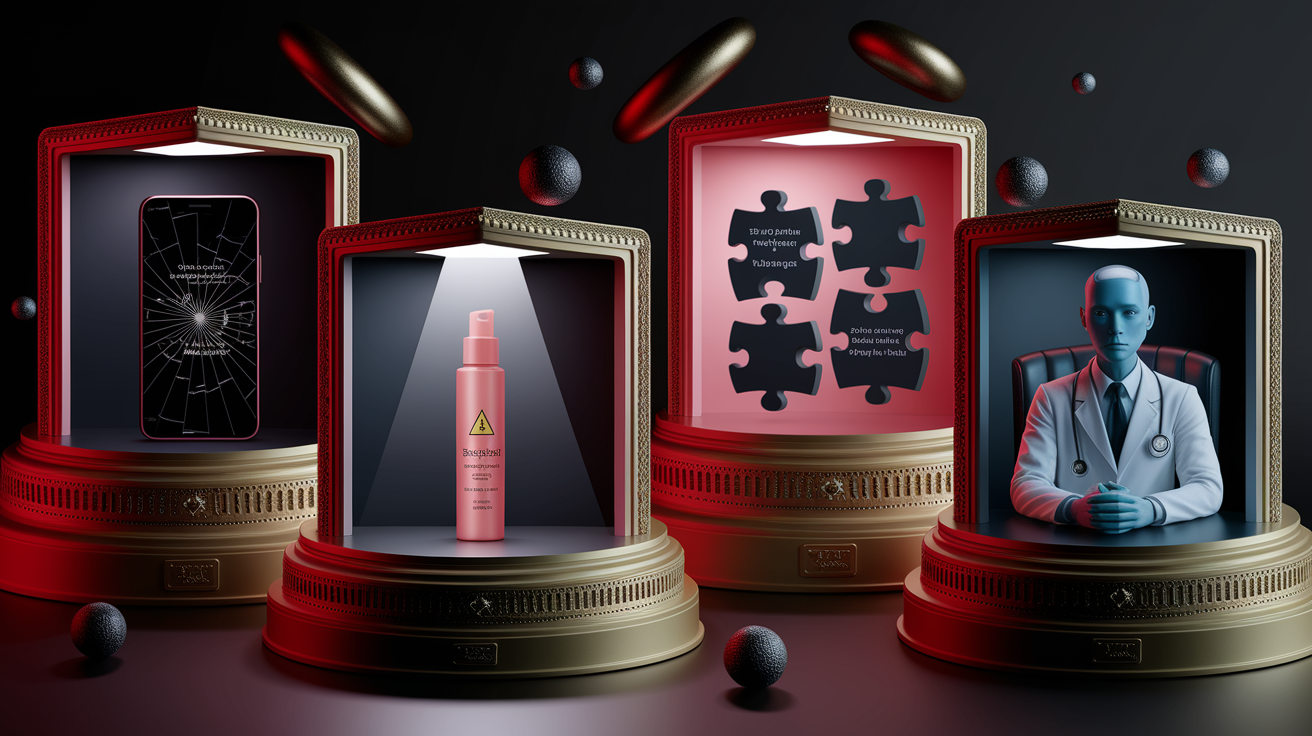
Not all celebrity crises are the same, and the management approach shifts depending on what happened. Personal behavior scandals (insensitive social media posts, allegations of misconduct, public feuds) require immediate acknowledgment, clear accountability, and often a direct apology that addresses the harm caused. These crises are highly emotional and can trigger rapid fan backlash, brand partner withdrawals, and long-term reputation erosion if handled defensively or slowly.
Product or campaign failures represent a different category entirely. When a celebrity endorses a product that turns out to be defective, misleading, or harmful (like sunscreen marketed as SPF 50+ that actually provides SPF 4 protection), the crisis involves not just reputation but legal liability, consumer safety, and regulatory scrutiny. In these cases, transparency, swift corrective action such as recalls, and coordination with legal counsel become non-negotiable. Partnership mismatches, where a celebrity aligns with a brand or individual whose values clash with their own or their audience’s expectations, can also trigger backlash and require termination of the relationship and public clarification of values.
Legal disputes and public feuds, such as defamation cases or highly visible conflicts with collaborators, add another layer of complexity. Public back and forth can overshadow the celebrity’s work, alienate fans, and create a perception of chaos or pettiness. In these situations, the crisis team must balance legal strategy with public relations objectives, often limiting public statements to avoid jeopardizing legal positions while still addressing audience concerns.
Ethical and AI misuse cases are an emerging crisis category. Influencers using AI-generated avatars to impersonate medical professionals or experts to promote products, for example, raise regulatory, ethical, and trust issues that can lead to lasting reputational harm even if short-term sales continue. Each crisis type demands tailored messaging, different stakeholder engagement, and specialized corrective actions aligned with the root cause of the controversy.
Inside the Crisis PR Team: Roles, Responsibilities, and Who Does What

A celebrity crisis response is never managed by one person. It requires a coordinated team with clearly defined roles, fast decision-making authority, and the ability to operate under intense pressure. The crisis lead or crisis coordinator oversees the entire strategy, runs the “war room” where decisions are made, and makes sure all team members are aligned on messaging, timelines, and next steps. This person acts as the central hub, receiving updates from every function and making rapid calls on statement approval, media engagement, and escalation.
The publicist or talent PR lead is the primary public-facing voice and message architect. They draft statements, manage media outreach, coordinate with aligned journalists, and control the narrative across owned channels. Legal counsel reviews every external communication for litigation risk, advises on what can and can’t be said publicly, and manages any filings, cease and desist letters, or regulatory coordination required by the crisis. The social media manager monitors real-time sentiment, handles direct messages and comments, executes content takedowns or apologies, and tracks influencer amplification of the controversy.
The talent manager or agent serves as the liaison to brand partners, endorsement deals, and booking agents, managing contractual obligations and protecting commercial relationships during the crisis. A media trainer prepares the celebrity for interviews, rehearses answers to hard questions, and coaches on tone, body language, and message discipline. The data or sentiment analyst tracks metrics such as mention volume, sentiment shifts, share of voice, and media tone, providing the team with real-time intelligence on whether the crisis is escalating or stabilizing. In some cases, external agencies or independent investigators are brought in to conduct audits, issue third-party statements, or validate corrective actions.
Core roles and what each one handles:
- Crisis lead: oversees strategy, coordinates updates, makes final decisions on messaging and escalation
- Publicist or talent PR lead: drafts statements, manages media relationships, controls the public narrative
- Legal counsel: reviews all communications for legal risk, manages filings and regulatory coordination
- Social media manager: monitors platforms in real time, handles DMs, executes content changes and responses
- Talent manager or agent: protects commercial partnerships, manages contract obligations and sponsor communication
- Media trainer: prepares the celebrity for interviews, rehearses Q&A, coaches message discipline
- Data or sentiment analyst: tracks metrics, monitors influencer amplification, and provides intelligence on crisis trajectory
- External investigators or auditors: conduct independent reviews, issue third-party statements, validate corrective actions
The First 24 Hours: Immediate Response Steps After a Celebrity Scandal

The first 24 hours of a celebrity crisis are the most critical. This is when public perception crystallizes, media narratives solidify, and the tone for the entire recovery is set. During this window, crisis teams move through a rapid sequence of actions designed to contain damage, establish control, and demonstrate accountability. Speed matters, but so does accuracy. Rushing out a statement without legal sign-off or factual clarity can create new problems that compound the original crisis.
The immediate rhythm begins with detection and assembly. Within 30 to 60 minutes of identifying a serious incident, the full crisis team convenes, either in person or via video conference. In high-stakes situations, internal updates occur hourly during the first day to keep everyone aligned on facts, messaging, and next steps. At the same time, the social media manager begins monitoring brand and name mentions, tracking sentiment shifts, and flagging influencer or journalist amplification. Direct messages on platforms are kept open to capture real-time feedback and identify emerging narratives.
The team then drafts a holding statement: a brief, legally vetted acknowledgment that the celebrity or their team is aware of the situation, is gathering facts, and will provide an update as soon as possible. This buys time without appearing dismissive or evasive. Legal counsel reviews the statement to make sure it doesn’t admit liability, contradict potential defenses, or violate confidentiality obligations. Once approved, the statement is published across all relevant channels simultaneously to maintain consistency and avoid the appearance of mixed messaging. Throughout the first day, the team also begins outreach to partners, sponsors, and agents, briefing them on the situation and the response plan to prevent surprise or misalignment.
Immediate action steps during the first 24 hours:
- Assemble the crisis response team within 30 to 60 minutes of detection
- Monitor brand, name, and product mentions across social media, news outlets, and fan forums
- Draft a holding statement acknowledging awareness and commitment to gathering facts
- Obtain legal sign-off on all external communications before publication
- Publish the statement simultaneously across all owned channels (Instagram, Twitter, official website)
- Brief partners, sponsors, and agents on the situation and response plan
- Provide hourly internal updates if the crisis is serious or rapidly escalating
The goal in the first 24 hours isn’t to solve the crisis but to demonstrate awareness, control, and a commitment to transparency and accountability. Silence during this window is often interpreted as guilt, indifference, or panic, so even a brief holding statement can prevent narrative loss.
Crafting Statements, Apologies, and Messaging That Won’t Backfire
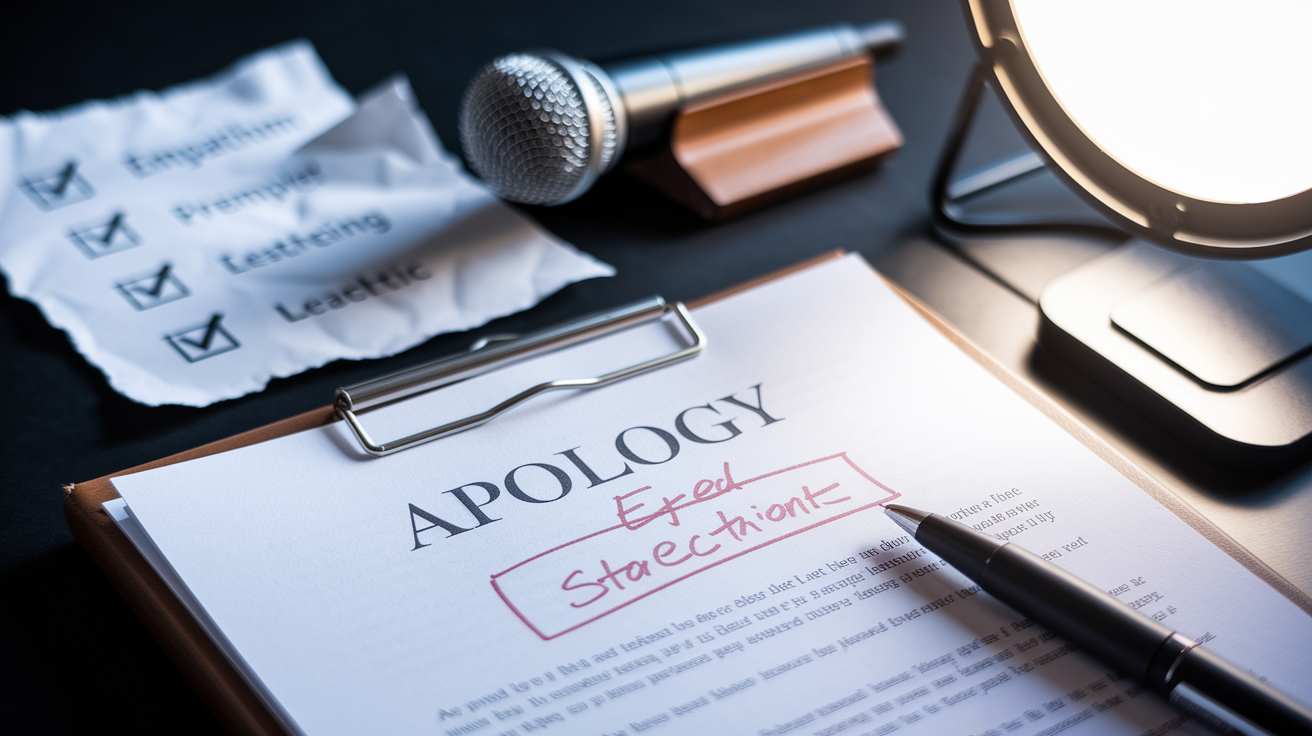
The architecture of a crisis statement determines whether it stabilizes the situation or deepens the backlash. Best practice apology formulas follow a clear structure: acknowledge the specific harm or mistake, express sincere remorse without hedging or deflection, state concrete corrective actions with timelines, and commit to public follow-up on progress. Statements that skip any of these components often fail because they feel incomplete, defensive, or performative. For example, apologies that lack specificity, such as “I’m sorry if anyone was offended,” tend to inflame rather than calm because they shift responsibility to the audience rather than owning the behavior.
Timing is equally critical. In scraped case examples, delays of weeks or even months significantly worsened reputational damage. A two-month delay in addressing a defective product claim, for instance, allowed consumer anger and media coverage to escalate unchecked, eroding trust that could have been preserved with faster action. On the flip side, statements issued too quickly (before facts are confirmed or legal review is complete) can create liability or force embarrassing retractions. The sweet spot is typically within the first 24 to 72 hours, once the team has enough information to speak accurately and credibly.
The tone of the statement must match the severity of the incident. Crises involving safety, harm, or deeply offensive behavior require solemnity, empathy, and victim-centered language. Lighter controversies may allow for a more conversational or reflective tone, but sarcasm, jokes, or defensiveness are almost always counterproductive. The statement should also anticipate and address the most likely criticisms or questions before they become the dominant narrative. This is where message discipline and talking points come in. Every spokesperson, social media response, and interview must reinforce the same core messages to avoid creating confusion or contradiction.
| Component | Why It Matters | Example Insight |
|---|---|---|
| Acknowledge the specific mistake or harm | Shows ownership and prevents perception of evasion | Say “I posted content that was insensitive and hurtful” instead of “I’m sorry if anyone was offended” |
| Express sincere remorse | Demonstrates empathy and accountability | Avoid phrases like “mistakes were made” or “I regret that this happened”; use “I regret my actions and the pain they caused” |
| State concrete corrective actions with timelines | Proves commitment to change and gives audience measurable proof | Include specifics like “I will complete sensitivity training by [date]” or “We are recalling all units by [date]” |
| Commit to public follow-up on progress | Maintains transparency and prevents perception of empty promises | Promise and deliver updates such as “I will share an update on our progress in 30 days” |
| Obtain legal sign-off before publication | Prevents admissions of liability or contractual violations | Legal counsel reviews to ensure no language creates new legal risk or contradicts potential defenses |
Statements that follow this architecture tend to stabilize sentiment faster, preserve more commercial relationships, and create a foundation for long-term reputation repair. Those that deviate often require follow-up apologies or retractions, which only deepen the damage.
Media Training, Interview Handling, and Narrative Control During Backlash

When a celebrity is thrust into the spotlight during a crisis, every word, facial expression, and body language cue is scrutinized. Media training is the process of preparing talent to handle hostile interviews, stay on message under pressure, and avoid soundbites that can be taken out of context or weaponized. Best practices include rehearsing answers to the hardest possible questions, practicing bridging techniques to redirect unwelcome questions back to core messages, and setting red-line topics that won’t be discussed publicly due to legal or strategic concerns.
Crisis simulations and mock interviews are conducted at least twice yearly for high-profile clients, creating muscle memory for high-pressure scenarios. During these sessions, media trainers role-play aggressive interviewers, ask ambush questions, and pressure the celebrity to go off-script. The goal is to build confidence, identify verbal tics or defensive reactions that undermine credibility, and rehearse clean, quotable responses that reinforce the desired narrative. For example, a trained spokesperson learns to say “Here’s what I can tell you” instead of “No comment,” which often reads as evasive or guilty.
Message hierarchy is central to interview control. The team establishes a priority order: safety and facts come first, accountability and next steps second, commitments and timelines third, and evidence of remediation fourth. Every answer in an interview should ladder back to one of these four tiers, creating consistency across platforms and preventing contradictory messages. One spokesperson is designated as the primary voice to avoid confusion, and all other team members defer to that person for official statements.
Media training techniques for celebrities during crises:
- Rehearse answers to the hardest, most uncomfortable questions likely to be asked
- Practice bridging techniques to redirect unwelcome questions back to core messages
- Set red-line topics that won’t be discussed publicly and prepare stock language for those deflections
- Conduct mock interviews with aggressive, ambush-style questioning to build confidence under pressure
- Identify and eliminate verbal tics, defensive body language, or evasive phrasing that undermine credibility
The ability to control narrative during backlash often comes down to how well the celebrity can stay calm, stay on message, and project sincerity and accountability without veering into defensiveness or oversharing.
Communication Channels and Tools Used in Celebrity Crisis Management
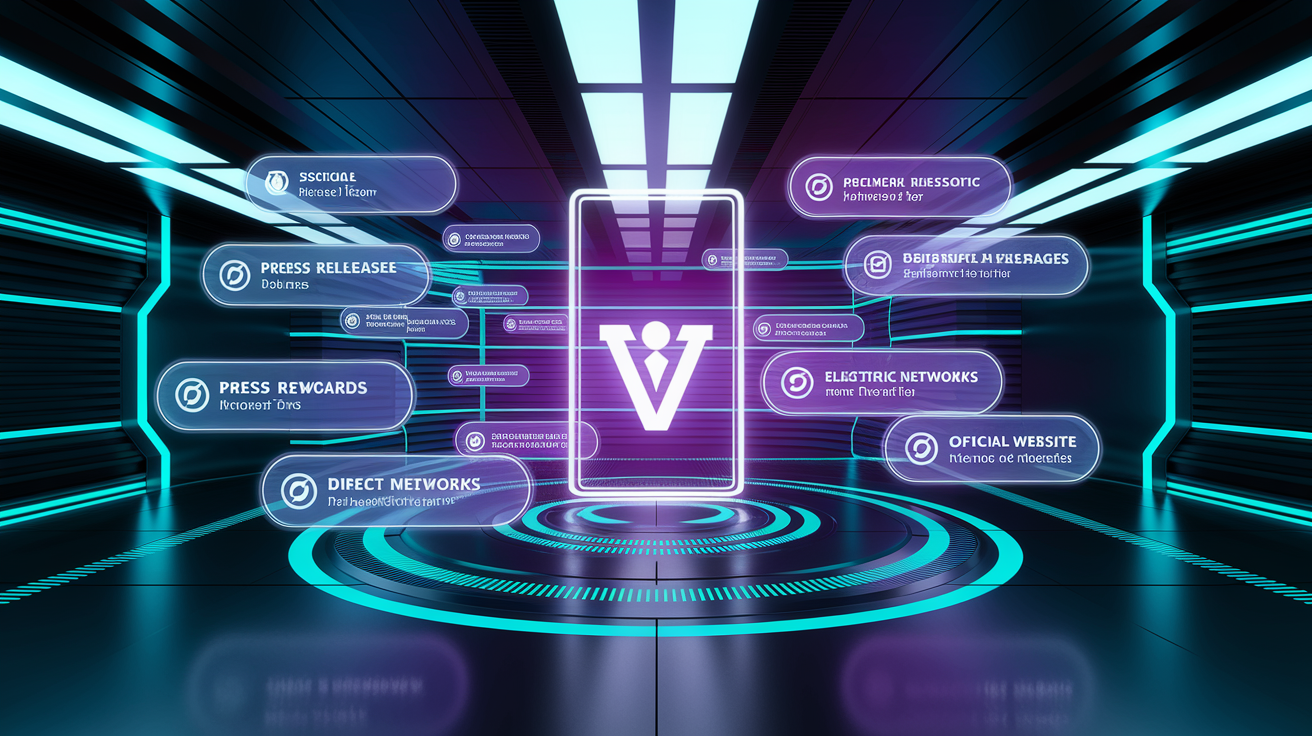
Celebrity crisis management is inherently multi-channel. Teams must coordinate messaging across owned platforms such as Instagram, X (formerly Twitter), TikTok, YouTube, and official websites, while also managing earned media through select interviews, press releases, and journalist outreach. Paid amplification is used sparingly but strategically, often to correct misinformation or make sure an apology or corrective statement reaches audiences who may have missed the organic posts. Every channel serves a different purpose and audience, and consistency across all of them is non-negotiable.
Real-time monitoring tools are the backbone of crisis communication. Sentiment analysis dashboards track mention volume, tone (positive, neutral, or negative), influencer amplification, and share of voice (the percentage of total conversation in a category that mentions the celebrity). These tools flag when a crisis is escalating, when it’s stabilizing, and when a new wave of backlash is beginning. Google Alerts, Brandwatch, Hootsuite, Sprout Social, and specialized PR monitoring software provide the data streams that inform decision-making throughout the crisis.
Direct messages on social platforms are kept open during crises to capture real-time feedback from fans, journalists, and partners. Customer service or fan relations teams triage incoming inquiries, identify recurring concerns, and escalate urgent issues to the crisis lead. A centralized “war room” (either a physical space or a shared digital workspace) serves as the command center where all communications, updates, and decisions are coordinated. This prevents siloed messaging and makes sure every team member is working from the same playbook.
Key communication tools and tactics used during celebrity crises:
- Owned channels: Instagram, X/Twitter, TikTok, YouTube, and official websites for direct audience communication
- Earned media: select interviews, press releases, and journalist outreach to shape coverage
- Paid amplification: strategic ad spend to correct misinformation or ensure reach of apologies and corrective statements
- Sentiment analysis dashboards: track volume, tone, influencer amplification, and share of voice in real time
- Direct message management: keep DMs open, triage inquiries, and capture feedback during backlash
- Centralized war room: physical or digital command center for coordinated decision-making and messaging
The goal is to make sure that no matter where an audience member encounters information about the crisis, they receive the same facts, the same tone, and the same commitment to accountability and change.
Damage Control, Partner Management, and Reputation Repair Tactics

Damage control is the phase where words turn into actions. Apologies and statements are important, but they’re not enough on their own. Audiences and partners want to see concrete, verifiable steps that demonstrate a commitment to change and accountability. This can include content removal, product recalls, compensation, policy changes, third-party audits, or termination of problematic partnerships. For example, in one scraped airline case, the company offered $30,000 compensation to each passenger involved in an accident without requiring them to waive legal rights, a move that preserved trust and loyalty during a moment of intense scrutiny.
Partner and sponsor management is often the silent crisis within the crisis. Brand partners, endorsement deals, and licensing agreements all have morality clauses or conduct provisions that allow termination if the celebrity’s behavior damages the brand’s reputation. The crisis team must brief partners immediately, provide transparent updates, and in some cases offer to step back from active campaigns until the situation is resolved. Failing to manage these relationships proactively can result in public partner withdrawals, which amplify the perception of reputational collapse and create a cascading effect that’s difficult to reverse.
One of the most critical tactical decisions is determining when to stand firm versus when to apologize. Misidentifying performative outrage (short-lived social media backlash without evidence of sustained harm) can lead to unnecessary apologies that embolden critics or confuse audiences. On the other hand, dismissing substantive harm as “cancel culture” can deepen damage and alienate core supporters. Teams evaluate evidence, measure sentiment duration, track commercial impact, and consult with partners before deciding whether to issue a full apology, a clarification, or no further comment.
Transparent remediation timelines are powerful reputation repair tools. When a crisis involves complex issues such as workplace culture, safety protocols, or ethical practices, publishing a detailed timeline of corrective actions (what will be done, by whom, and by when) builds credibility and gives stakeholders measurable proof of progress. This approach was used successfully in a corporate airline case and can be adapted to celebrity contexts by documenting training, donations, policy changes, or public commitments to advocacy work.
Short-Term vs. Long-Term Celebrity Reputation Rehabilitation

Reputation recovery isn’t a single event; it’s a sequence of milestones that unfold over months or years. Short-term recovery focuses on stabilization: stopping the bleeding, containing the narrative, and restoring a baseline level of trust with core audiences and partners. This phase typically spans the first 0 to 24 hours for immediate containment, the first 1 to 7 days for full statements and corrective actions, and the first 4 to 12 weeks for measurable sentiment improvement. During this period, the celebrity and their team are focused on consistent messaging, frequent updates, and visible evidence of accountability.
Long-term rehabilitation is about sustained behavior change and strategic repositioning. This phase can last 6 to 18 months or longer, depending on the severity of the crisis and whether the behavior was a one-time mistake or part of a repeated pattern. Repeated behavior erodes recovery prospects dramatically; in scraped examples, celebrities with patterns of controversial conduct experienced long-term partner losses and audience alienation that crisis PR alone couldn’t repair. Long-term strategies include selective partnerships with organizations or brands that align with the celebrity’s stated values, philanthropic work or advocacy that demonstrates genuine commitment to the issues raised by the crisis, and rebranding efforts that introduce new narratives, visual identities, or professional focuses.
Documentation of progress is essential. This can take the form of public updates on corrective actions, third-party audits or reports, media appearances that showcase growth or reflection, or storytelling campaigns that reintroduce the celebrity to audiences in a different light. The goal is to shift the dominant narrative from “the crisis” to “the recovery” and eventually to “the comeback.” Consistency matters more than speed; audiences forgive mistakes, but they’re unforgiving of hypocrisy or empty promises.
Long-term reputation rebuilding pillars:
- Sustained behavior change: demonstrate consistent actions aligned with stated values over months or years
- Selective partnerships: align only with brands, causes, or collaborators that reinforce the desired new narrative
- Philanthropy or advocacy: engage in public service, donations, or advocacy work related to the crisis issue
- Rebranding: introduce new visual identities, professional focuses, or narrative arcs that create distance from the crisis
- Documentation of progress: publish updates, third-party audits, or testimonials that verify corrective actions
- Strategic storytelling: use media appearances, interviews, or content series to reintroduce the celebrity in a new light
Recovery timelines vary widely, but the pattern is consistent: immediate containment, short-term accountability, and long-term proof of change.
Real Celebrity Crisis Case Studies and What They Teach Us
Real-world crises offer the clearest lessons in what works and what fails. In one product failure case, a sunscreen marketed as “SPF 50+” was revealed to provide only SPF 4 protection. The company refused to issue a recall and responded defensively for two months, allowing consumer anger and media coverage to escalate unchecked. The lesson is clear: transparency and swift corrective actions such as recalls protect trust, while denial and delay deepen damage.
A beauty brand partnered with a comedian who had recently faced backlash over domestic violence jokes, creating a mismatch between brand values and talent. The partnership alienated customers and demonstrated the importance of vetting partnerships against core values before signing contracts. In another case, a fashion brand’s “Bad Genes” campaign drew accusations of racist undertones. The brand refused to apologize, yet experienced increased sales and follower growth. This case illustrates the critical distinction between performative outrage and sustained reputational harm; outcomes can vary widely depending on audience dynamics and commercial context.
A public legal feud between two high-profile collaborators turned a film release into a spectacle, overshadowing the business objectives of the project. The lesson: public back and forth and legal disputes can consume the narrative, and limiting public escalation is often a strategic necessity. An influencer issued an apology via a Notes app Instagram post after employee allegations of toxic culture, but the response lacked specificity on fatphobia claims. The lesson: influencer brand apologies must be direct, specific, and aligned with stated values to carry credibility.
In a case of repeated controversial behavior, a high-profile artist publicly posted a “betrayal list” that included his daughter, contributing to long-term partner losses and audience alienation. The lesson: repeated behavior erodes recovery prospects, and crisis PR can’t substitute for sustained behavioral change. A celebrity posted a joke about her husband “killing” her during Domestic Violence Awareness Month and refused to remove the post or apologize, inflaming backlash. The lesson: contextual sensitivity matters; timing and subject matter determine risk.
A car manufacturer used the term “Autopilot” for a driver assistance system, contributing to confusion and accidents that triggered liability claims and a federal investigation. The lesson: clear, accurate product communication and safety-first messaging are essential, especially when consumer safety is at stake. A sports team responded defensively to fan backlash over a trade, worsening sentiment. The lesson: organizational figures must manage stakeholder emotions as part of reputation strategy.
An influencer used AI-generated avatars impersonating doctors to promote supplements; sales continued despite controversy, raising ethical and regulatory questions. The lesson: AI misuse and deceptive practices can boost short-term sales but create lasting ethical and reputational liability. A full breakdown of these ten crises and the operational lessons from each can be found in this analysis of major celebrity PR crises and reputation management lessons.
Key takeaways from these case studies:
- Transparency and swift recalls protect trust; denial and delay deepen damage
- Always vet partnerships against core values to avoid alienating customers or audiences
- Differentiate performative outrage from sustained reputational harm; outcomes vary widely
- Limit public legal escalation to avoid overshadowing business objectives
- Apologies must be direct, specific, and aligned with stated values
- Repeated behavior erodes recovery prospects; crisis PR can’t substitute for sustained change
- Contextual sensitivity matters; timing and subject matter determine risk
- Clear, accurate product communication and safety-first messaging are essential
- Manage stakeholder emotions (fans, customers, partners) as part of reputation strategy
- AI misuse and deceptive practices create lasting ethical and reputational liability
Measurement, KPIs, and How Teams Track Celebrity Reputation Recovery
Reputation recovery isn’t subjective; it’s measured through a set of quantifiable indicators that track progress over time. Sentiment score is the primary metric, calculated by analyzing the tone of mentions across social media, news outlets, and forums. Scores typically range from negative 100 to positive 100, and recovery is demonstrated by a sustained upward trend over weeks or months. Share of voice measures what percentage of total conversation in a category mentions the celebrity, helping teams understand whether the crisis is dominating coverage or fading into the background.
Media tone tracks the balance of positive, neutral, and negative coverage in news articles, blog posts, and broadcast segments. A successful recovery shifts the tone distribution from predominantly negative to neutral or positive over time. Partner retention and sponsor continuity are business-focused KPIs; losing endorsement deals or having contracts terminated is a clear signal of reputational damage, while maintaining or adding partnerships signals recovery. Mention volume alone isn’t always useful (spikes can indicate both crises and successful comebacks), but when paired with sentiment, it provides a complete picture of audience engagement and perception.
Teams track these metrics weekly during the acute phase of a crisis and monthly during long-term recovery. Dashboards display trends visually, making it easy to identify whether interventions are working or whether new strategies are needed. For example, if sentiment improves but share of voice remains high, it suggests the crisis is still top of mind but the narrative is shifting in a positive direction. If both sentiment and share of voice decline, it indicates the crisis is fading and attention is moving elsewhere.
| Metric | What It Tracks | Why It Matters |
|---|---|---|
| Sentiment score | Tone of mentions (positive, neutral, or negative) across social media, news, and forums | Demonstrates whether public perception is improving or worsening over time |
| Share of voice | Percentage of total conversation in a category that mentions the celebrity | Shows whether the crisis is dominating coverage or fading into the background |
| Media tone distribution | Balance of positive, neutral, and negative coverage in articles and broadcasts | Reveals whether earned media is shifting toward favorable framing |
| Partner retention rate | Number of sponsors, endorsements, and partnerships maintained vs. lost | Provides a business-focused measure of reputational damage and recovery |
Measurement turns reputation repair from an abstract goal into a trackable process with clear milestones, accountability, and evidence of progress.
How Readers Can Apply Celebrity Crisis Principles to Everyday Reputation Moments
The principles of celebrity crisis management aren’t exclusive to famous people. Anyone with a public presence (professionals, small business owners, influencers, or community leaders) can apply these strategies to protect and repair their reputation during moments of controversy or scrutiny. The foundation is the same: monitor your online presence, respond quickly and transparently, take concrete corrective actions, and demonstrate consistent behavior change over time.
Prevention is always easier than recovery. Scenario planning (thinking through likely reputation risks and preparing response frameworks in advance) dramatically reduces reaction time during an actual crisis. Maintaining a crisis kit with pre-drafted statement templates, contact lists for rapid assembly of advisors, and monitoring tools for early detection makes sure you’re never starting from zero. Running tabletop exercises twice a year, where you simulate a controversy and practice your response, builds muscle memory and reveals gaps in your preparedness.
Consistency across channels is critical. Whether you’re posting on LinkedIn, Instagram, or a personal blog, your message, tone, and facts must align. Mixed messaging creates confusion and undermines credibility. Monitoring third-party channels and forums (such as Reddit, niche communities, or review sites) helps you detect emerging narratives before they reach mainstream platforms. And finally, maintaining honesty and accountability is non-negotiable. Audiences forgive mistakes, but they don’t forgive dishonesty or evasion.
Practical takeaways for applying celebrity crisis principles to everyday reputation:
- Conduct scenario planning to identify likely reputation risks and prepare response frameworks
- Maintain a crisis kit with pre-drafted templates, contact lists, and monitoring tools
- Run tabletop exercises twice a year to simulate controversies and practice responses
- Ensure message consistency across all platforms and channels
- Monitor third-party channels and forums for early detection of emerging narratives
Final Words
Right away the first 24 hours usually set the whole outcome. Spikes in mentions force fast detection, team assembly, and a holding statement while legal signs off.
From there the internal system kicks in, with defined roles, templates, coordinated channels, hourly updates, and measurement dashboards. We covered crisis types, real case lessons, and short versus long term repair steps so you can spot tactical moves versus strategic fixes.
Bottom line, this is a clear roadmap for how celebrity PR crisis management works. With speed, honesty, and steady follow through, reputations can recover and even get stronger.
FAQ
Q: What counts as a celebrity PR crisis and why does virality matter?
A: A celebrity PR crisis is any event that threatens reputation or stakeholder trust, and virality matters because fast, wide sharing amplifies harm and narrows the window to control the story.
Q: What early signals show a crisis is beginning?
A: Early signs of a crisis are sudden spikes in negative mentions, rapid social sharing, unexpected press inquiries, influencer amplification, trending hashtags, and abnormal sentiment shifts on monitoring dashboards.
Q: What happens in the first 24 hours and why does that period shape the outcome?
A: The first 24 hours set the narrative: teams monitor mentions, assemble a response group, issue a holding statement, get legal sign-off, and provide hourly updates to prevent escalation.
Q: How does the internal crisis response system work and how quickly do teams assemble?
A: A crisis response system uses documented roles, decision trees, approval workflows, and templates; for serious incidents teams typically assemble within 30–60 minutes to coordinate next steps.
Q: What immediate response steps should publicists take after a scandal?
A: Immediate steps include monitoring mentions, classifying severity, assembling the team, drafting a holding statement, securing legal sign-off, coordinating multi-channel posting, and managing direct messages and press inquiries.
Q: Who’s on a crisis PR team and what are their main responsibilities?
A: A crisis PR team usually includes a crisis lead, publicist, legal counsel, social manager, sentiment analyst, media trainer, partnership manager, and talent agent—each handling strategy, approval, monitoring, messaging, and partner outreach.
Q: How should statements and apologies be crafted to avoid making things worse?
A: Statements and apologies should acknowledge harm, show remorse, explain corrective actions and timelines, be specific, and arrive promptly to maintain credibility and reduce further reputational damage.
Q: How does media training help a celebrity during backlash?
A: Media training prepares celebrities with rehearsed answers, red-line questions to avoid, bridging techniques, and mock interviews so they stay on message and handle hostile questions calmly and consistently.
Q: What channels and tools do teams use to manage a crisis?
A: Teams use owned channels (Instagram, X, websites), select earned interviews, paid amplification, social listening tools, sentiment dashboards, and influencer tracking to coordinate messaging and measure impact in real time.
Q: How do teams measure reputation recovery and which KPIs matter?
A: Teams measure recovery using sentiment score, share of voice, mention volume, media tone, partner retention, and recovery timelines, tracking progress weekly and monthly to guide next steps.
Q: How do crisis types differ and when is legal coordination necessary?
A: Crisis types range from misconduct and insensitive posts to product failures and AI misuse; legal coordination is required when allegations, contracts, or potential liability intersect with PR messaging.
Q: How can everyday people apply celebrity crisis principles to personal reputation issues?
A: Anyone can apply these principles by doing scenario planning, keeping a crisis kit, running simulations twice yearly, monitoring channels, and keeping messages consistent and timely across platforms.