
Did the red carpet really change, or did cameras and culture just make us notice different things?
From the curve-hugging, stylist-driven gowns of the 2000s to the sheer, Instagram-ready constructions of the 2010s and the sustainability and gender-fluid remixes of the 2020s, silhouettes have been reborn every decade.
This piece traces that arc, showing how photography, social platforms, and climate-conscious choices reshaped proportions, shifted where the eye lands, and why what stars wear now signals more than glam — it signals values.
Defining the Evolution of Red Carpet Silhouettes Across the 2000s, 2010s, and 2020s
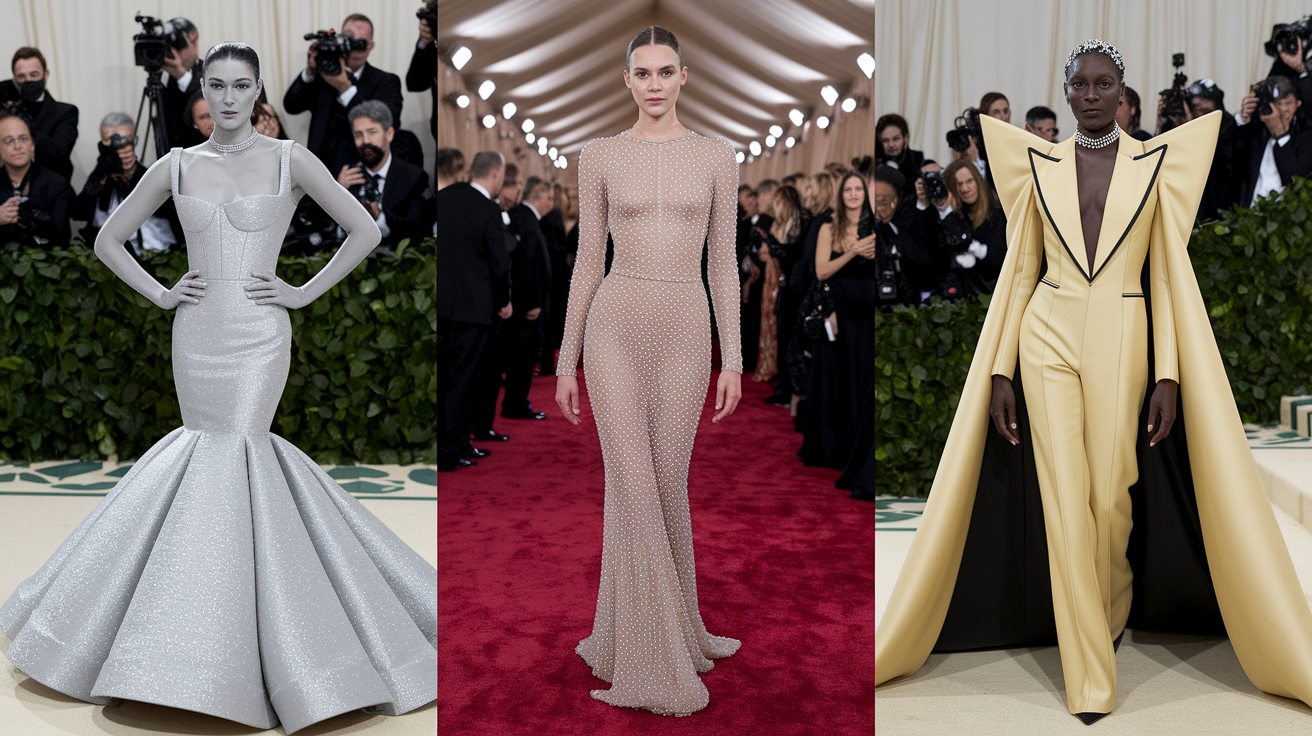
Red carpet silhouettes have moved through three wildly different decades, each shaped by its own priorities and visual codes. The 2000s brought us the stylist era, where precision glamour and body-hugging shapes ruled every major awards show. The 2010s pivoted toward Instagram-ready designs, with sheer illusion panels and architectural tailoring built to pop on phone screens. The 2020s? It’s a sustainability-driven remix decade, blending gender-fluid tailoring, re-wear moments, and maximal beading with revived shapes pulled from across the timeline.
The differences between these decades are clear. In the 2000s, photographers captured low-rise, curve-hugging mermaid gowns and bias-cut slips engineered to look flawless under paparazzi flash. By the 2010s, crystal-mesh naked dresses and sharply tailored columns became the visual shorthand for modernity, designed to stand out in square social-media crops. The 2020s introduced capes, cutouts, and sculptural shoulders alongside a fresh acceptance of re-worn gowns and even champagne-colored carpets, signaling a shift in how the industry values tradition and spectacle.
Understanding these shifts means tracking five key silhouette transformations:
Body-conscious fits from the 2000s (think mermaid, corseted shapes) gave way to minimalist columns and sheer overlays in the 2010s. Bias-cut slips were swapped for structural tailoring and illusion fabrics. Gender-fluid silhouettes and hybrid tuxedo-gowns became normalized in the 2020s after Billy Porter’s 2019 Oscars moment. Sustainability re-wear and reworked vintage gowns turned into status symbols rather than budget moves. Maximal embellishment came roaring back in the 2020s, but paired with sculptural cutouts and capes instead of traditional ball-gown volume.
Photography, cultural messaging, and digital platforms reshaped proportions and design choices across all three decades. The 2000s relied on full-length paparazzi shots that rewarded head-to-toe polish. The 2010s prioritized instant shareability, pushing designers to add eye-catching details at the neckline and bodice so they’d read in thumbnails. The 2020s balanced those demands with sustainability storytelling, where a gown’s origin narrative became just as important as its silhouette.
How 2000s Red Carpet Silhouettes Established the “Stylist Era” Look
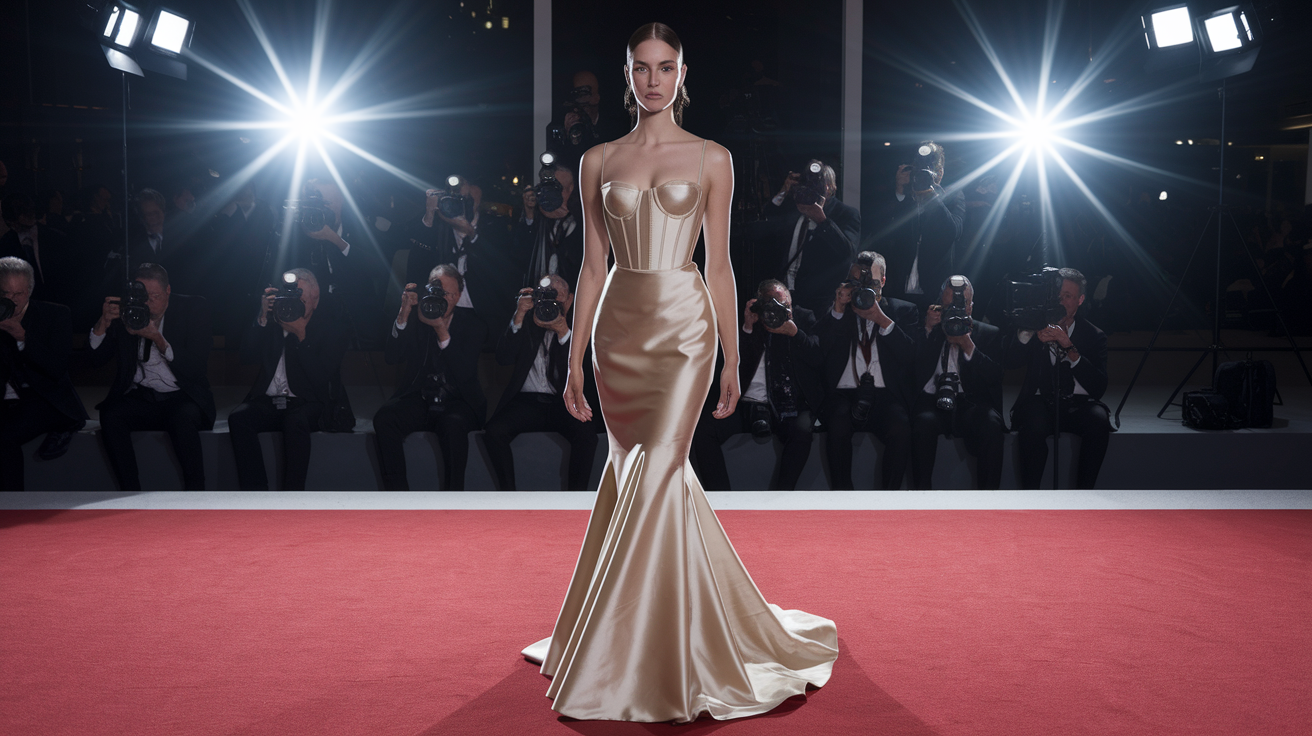
The 2000s brought professional celebrity stylists into the spotlight, turning red carpet dressing into a precision-curated head-to-toe moment. Rachel Zoe and her peers transformed awards-show arrivals into polished glam statements, where every accessory, hemline, and silhouette choice told one cohesive story. Body-conscious shapes took over, rooted in late-1990s minimalism but amped up with glossier fabrics and tighter tailoring built to photograph perfectly under paparazzi flash.
This decade leaned hard on silhouettes that emphasized curves and structure. Mermaid gowns, corseted bodices, and bias-cut slips became the default vocabulary. Designers and stylists prioritized fit over volume. The goal was simple: deliver a look that read as both glamorous and controlled, a visual language reflecting the decade’s obsession with celebrity perfection and aspirational polish.
Low-Rise and Body-Conscious Silhouettes
Low-rise waistlines and body-hugging cuts defined early-2000s red carpet fashion. Gowns sat lower on the hips, elongating the torso and creating a sleek, modern silhouette that stood in sharp contrast to the fuller skirts of earlier decades. This silhouette worked especially well with stretch fabrics and bias construction, letting stars move comfortably while maintaining a sculpted shape on camera.
Bias-Cut and Slip Revival
Bias-cut gowns and slip dresses, first popularized in the 1930s by Madeleine Vionnet, had a major revival in the 2000s. These fluid, column-like shapes skimmed the body without clinging, offering a more understated glamour compared to heavily structured ball gowns. The slip dress became shorthand for effortless elegance, especially in satin and silk charmeuse. Often styled with minimal jewelry to let the drape speak for itself.
Mermaid and Corseted Fits
Mermaid silhouettes and corseted bodices delivered drama and structure, creating an exaggerated hourglass shape that photographed beautifully from every angle. These fits hugged the body from shoulder to knee before flaring into a dramatic skirt, emphasizing curves and creating a red-carpet moment that demanded precise tailoring. Corseted construction, often visible as an external design element, reinforced the decade’s focus on polish and control.
| Silhouette | Defining Features |
|---|---|
| Low-Rise Body-Conscious | Hip-level waistline; stretch fabrics; elongated torso; sleek, modern fit |
| Bias-Cut Slip | Diagonal fabric grain; fluid drape; minimal embellishment; column shape |
| Mermaid/Corseted | Fitted bodice and hips; flared skirt at knee; visible boning; hourglass emphasis |
How 2010s Red Carpet Silhouettes Shifted Toward Sheer, Architectural, and Social-Media-Ready Designs
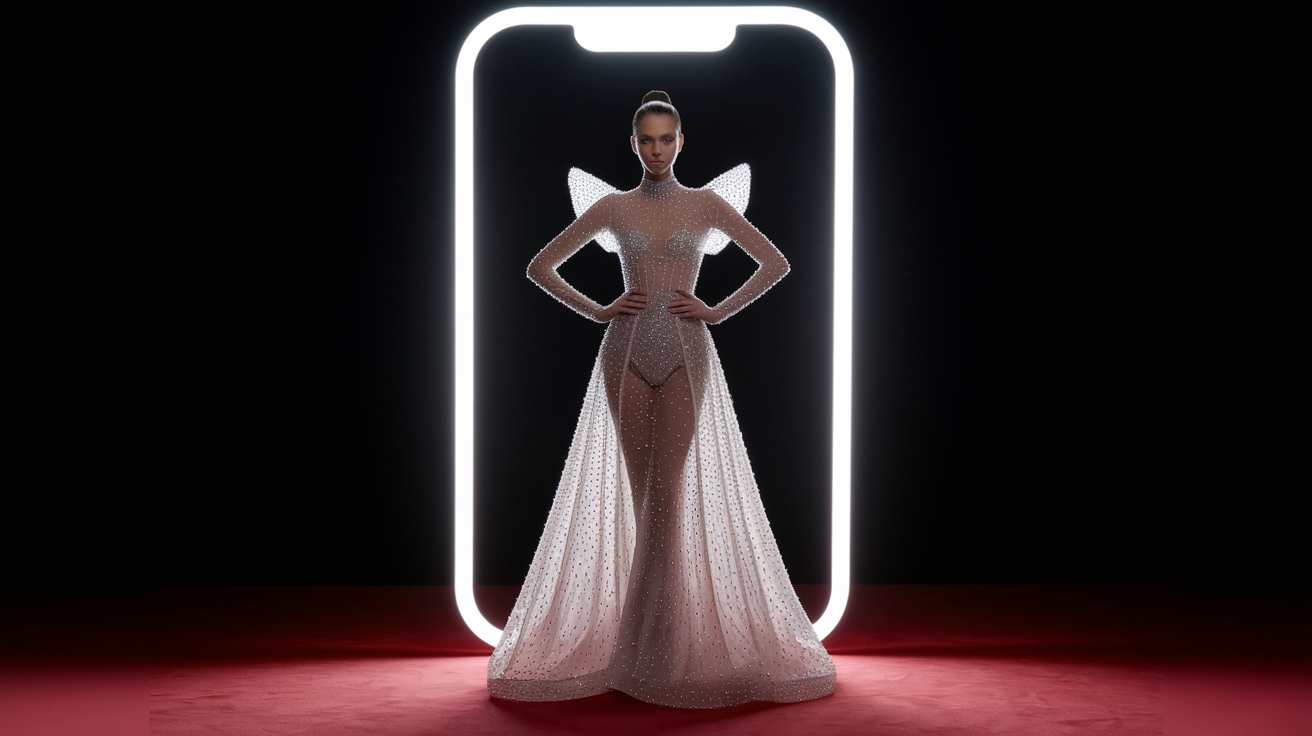
The 2010s redefined red carpet silhouettes around one central question: how will this gown look on a phone screen? Instagram launched in 2010, and by mid-decade, square-crop thumbnails and instant shareability had completely reshaped design priorities. Sheer illusion fabrics, crystal mesh, and strategically placed cutouts became the decade’s signature, delivering maximum visual punch in a 1:1 image format. Designers leaned into transparency, creating “naked” dresses that traced their roots back to Marilyn Monroe’s 1962 rhinestoned illusion gown and Cher’s beaded sheer looks from the 1970s and 1980s.
Architectural tailoring and minimalist columns also surged, offering a cleaner counterpoint to the decade’s maximal embellishment trend. Sharp shoulders, asymmetric necklines, and sculptural construction let celebrities stand out without relying on volume or traditional ball-gown shapes. The Met Gala became a testing ground for theatrical silhouettes, pushing boundaries with avant-garde cuts and conceptual designs that prioritized spectacle over wearability.
By the late 2010s, silhouette choices split into two camps: ultra-minimal columns with clean lines and strategically embellished sheer gowns designed to dominate social feeds. Early-2010s looks favored soft draping and romantic details, while late-2010s silhouettes embraced harder edges, power shoulders, and gender-neutral tailoring that set the stage for the fluid silhouettes of the 2020s.
Early 2010s brought soft columns, romantic draping, pastel embellishment, classic ball gowns. Late 2010s introduced sheer illusion panels, crystal mesh, visible boning, architectural shoulders. Early 2010s favored fitted but modest necklines and covered backs. Late 2010s gave us plunging V-necks, exposed midriffs, thigh-high slits. Early 2010s stuck with full-length hems and traditional train construction. Late 2010s delivered asymmetric hems, detachable trains, cape overlays.
The Rise of Illusion and Sheer Gowns
Illusion gowns became the defining silhouette of the 2010s, combining nudity with couture craftsmanship. Crystal-encrusted mesh, strategically placed panels, and sheer overlays created the impression of bare skin while maintaining red-carpet formality. These gowns required meticulous construction. Each rhinestone, bead, and thread had to be positioned to flatter the body and photograph cleanly under flash. The “naked dress” wasn’t new, but the 2010s made it everywhere, turning transparency into a power move rather than a scandal.
Phone screens and social-media thumbnails drove proportion changes across all silhouettes. Designers concentrated embellishment and visual interest at the neckline, shoulders, and bodice, making sure even a tightly cropped image would deliver impact. Full-length shots still mattered for archival coverage, but the most shared images were waist-up or three-quarter crops, rewarding gowns with strong upper-body details and clear, readable lines.
How 2020s Red Carpet Styles Embrace Sustainability, Gender Fluidity, and Sculptural Remixes
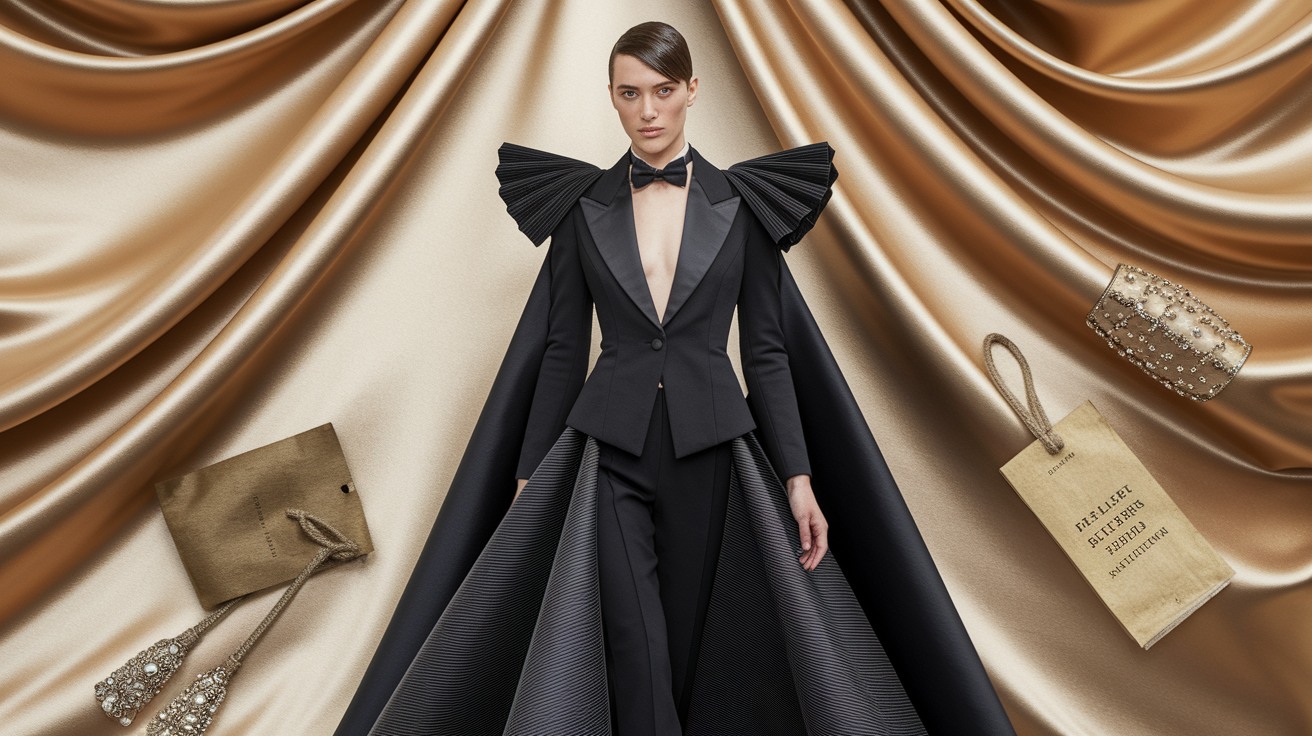
The 2020s redefined what red carpet fashion could mean, prioritizing re-wear, reworking, and transparency over newness for its own sake. Cate Blanchett became a sustainability icon by re-wearing archival gowns, and the 2023 Oscars swapped the traditional red carpet for a champagne-colored runway, signaling a willingness to rethink even the most locked-in traditions. Billy Porter’s 2019 tuxedo-gown at the Oscars set the tone for a decade where gender-fluid tailoring and hybrid silhouettes became celebrated rather than controversial.
Silhouettes in the 2020s are a deliberate remix of the past nine decades. Sculptural shoulders echo 1940s wartime tailoring and 1980s power dressing but rendered in lighter, more flexible construction. Bias-cut slips and fluid jersey came back, but now paired with maximal beading, cutouts, and capes. Ball gowns coexist with sharp tuxedo trousers, and sheer illusion panels from the 2010s get combined with sustainable fabrics and vintage reworking. The result is an eclectic visual language that refuses to commit to a single aesthetic, instead celebrating range and remix culture.
Sustainable and Recycled Silhouettes
Re-wearing and reworking gowns became a status symbol in the 2020s, not a cost-saving measure. Celebrities now openly discuss wearing archival pieces, vintage finds, and redesigned looks from previous red carpets. This shift changed how silhouettes are valued. Timeless cuts like columns, A-lines, and classic ball gowns gained fresh prestige because they could be styled multiple ways across multiple events. Sustainability also pushed designers to prioritize construction quality and fabric longevity, favoring silhouettes that could be altered, repaired, and re-worn rather than single-use statement pieces.
Gender-Fluid Tailoring
Gender-fluid silhouettes expanded the formal vocabulary beyond traditional gowns. Tuxedo-gown hybrids, tailored trouser suits with dramatic trains, and androgynous column dresses became red-carpet staples. Billy Porter’s 2019 Christian Siriano tuxedo-gown opened the door for a wave of hybrid silhouettes that combined structured tailoring with flowing skirts, capes, and trains. This shift allowed for broader self-expression and challenged the assumption that red-carpet formalwear must follow gendered silhouette rules.
| Silhouette Type | 2020s Interpretation |
|---|---|
| Sculptural Shoulders | Lighter construction; exaggerated but flexible; paired with slips or cutouts |
| Bias-Cut Slip | Maximal beading; layered with capes; sustainable fabric choices |
| Tuxedo-Gown Hybrid | Tailored bodice; flowing skirt; gender-neutral fit; statement trains |
| Cutouts and Peekaboo Detailing | Strategic placement; asymmetric panels; mixed with vintage silhouettes |
Celebrity and Designer Influence on Red Carpet Silhouettes from the 2000s to the 2020s
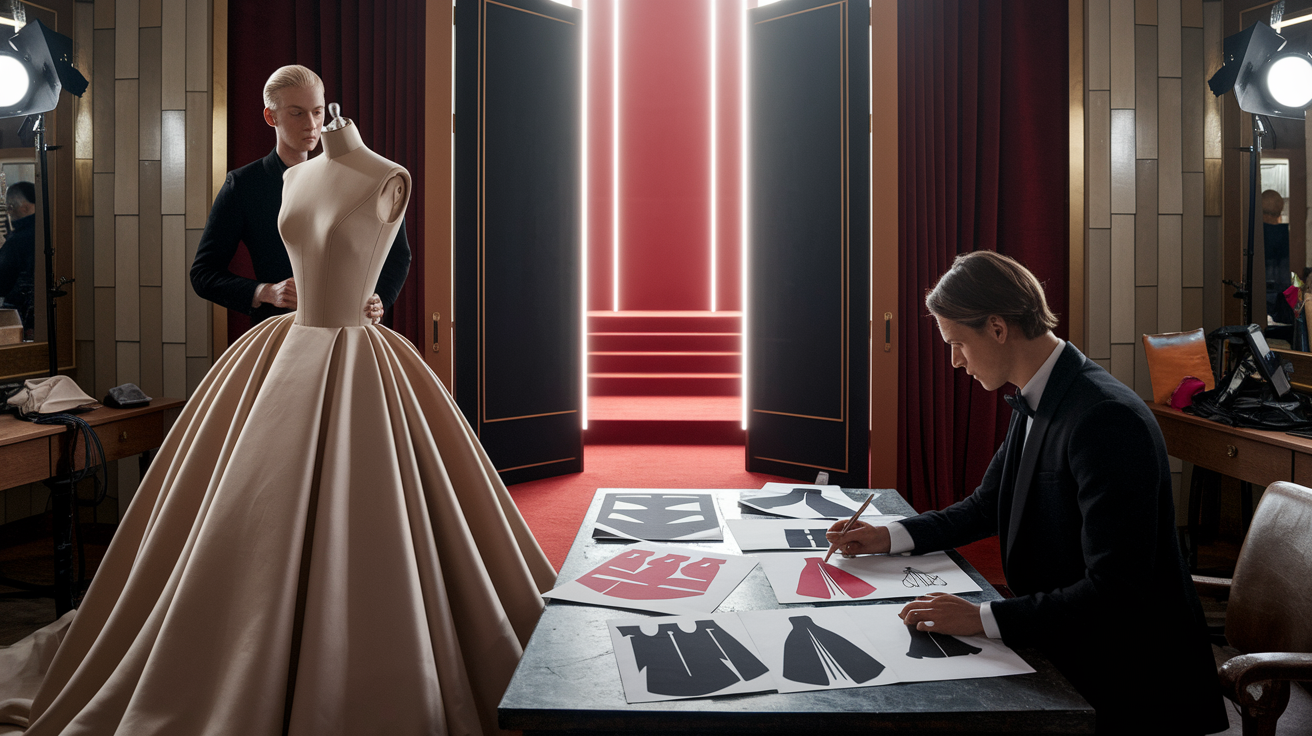
Celebrity stylists, designers, and individual stars shaped silhouette evolution just as much as cultural trends. In the 2000s, stylists like Rachel Zoe turned red carpet dressing into a narrative-driven art form, curating head-to-toe looks that told cohesive visual stories. By the 2010s, designers began reviving legacy silhouettes (bias cuts from Madeleine Vionnet’s 1930s archives, Halston’s 1970s jersey draping, and Christian Dior’s 1947 hourglass shapes), reinterpreting them with modern fabrics and construction techniques.
Individual celebrities became silhouette ambassadors, using their red-carpet moments to set decade-defining trends. Rihanna’s 2017 Comme des Garçons Met Gala gown, Lady Gaga’s 2019 four-look transformation, and Billy Porter’s boundary-pushing silhouettes turned single appearances into cultural touchstones. These moments weren’t just about the dress. They were about using silhouette as a statement, a provocation, or a redefinition of what formalwear could be.
Stylists and Head-to-Toe Narratives (2000s)
The 2000s stylist era turned red carpet dressing into precision curation. Rachel Zoe built a signature aesthetic around body-conscious silhouettes, vintage-inspired cuts, and meticulous accessory pairings. Every element (hemline, neckline, jewelry, shoe height) was chosen to support a cohesive visual narrative, and silhouette became the anchor around which everything else was built.
Designers Reviving Legacy Silhouettes
Designers in the 2010s and 2020s mined the archives, reviving iconic silhouettes from earlier decades and updating them for contemporary red carpets. Bias cuts, hourglass ball gowns, and fluid jersey shapes reappeared with modern construction, lighter fabrics, and new embellishment techniques. This revival let red carpet fashion feel both familiar and fresh, connecting current trends to fashion history.
Celebrities Setting Decade-Defining Silhouette Moments
Certain red-carpet appearances defined entire decades. Billy Porter’s 2019 tuxedo-gown became shorthand for gender-fluid formalwear. Rihanna’s 2017 Met Gala moment showcased how a silhouette could be both sculptural and theatrical. Lady Gaga’s 2019 four-look transformation demonstrated the power of silhouette storytelling, using shape, volume, and reveal to create a narrative arc on a single carpet.
Runway-to-Red-Carpet Translation
The distance between runway and red carpet shrank in the 2010s and 2020s, with haute couture collections increasingly designed with awards-show moments in mind. Designers began tailoring silhouettes specifically for red-carpet proportions, photography angles, and celebrity body types. This shift meant runway silhouettes were no longer aspirational concepts but practical templates, adapted and refined for the demands of live-event coverage and social-media distribution.
Five most influential silhouette moments across the three decades: Billy Porter’s 2019 Christian Siriano tuxedo-gown, redefining gender-fluid formalwear. Rihanna’s 2017 Comme des Garçons sculptural gown at the Met Gala. Lady Gaga’s 2019 Met Gala four-look transformation. Cate Blanchett’s sustainability-driven re-wear moments throughout the 2020s. The rise of sheer illusion gowns in the 2010s, tracing back to Marilyn Monroe’s 1962 rhinestoned dress.
What Cultural and Technological Forces Shaped the Silhouette Evolution?
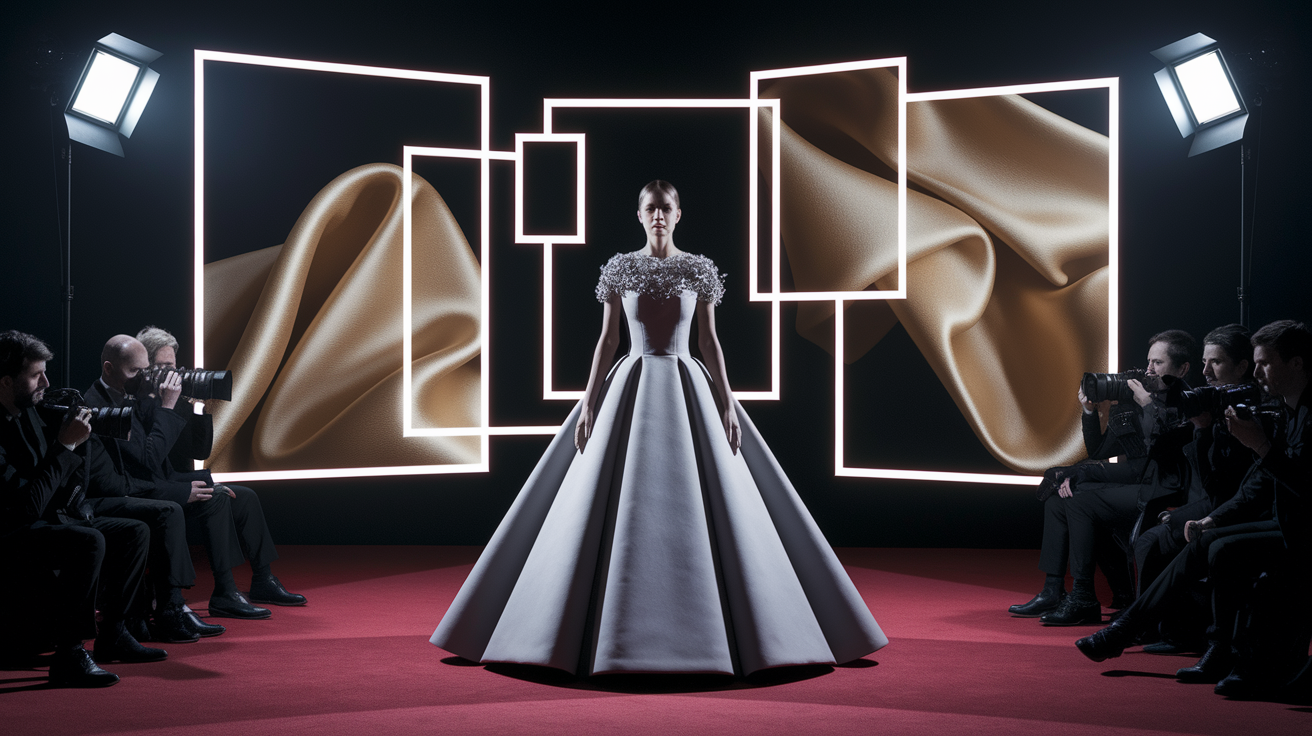
Silhouette evolution across the 2000s, 2010s, and 2020s was driven by technological shifts, cultural priorities, and changing media consumption habits. The 2000s were shaped by paparazzi culture and the professionalization of celebrity styling, which rewarded polished, body-conscious silhouettes that photographed flawlessly under flash. The 2010s were dominated by social media, where Instagram crops and phone-screen legibility dictated proportion, embellishment placement, and silhouette clarity.
The 2020s introduced sustainability narratives, gender-expression politics, and a broader acceptance of re-wear and reworked gowns. These forces didn’t just influence which silhouettes appeared on the red carpet. They reshaped how silhouettes were valued, with longevity, versatility, and cultural messaging becoming as important as visual impact.
Paparazzi and full-length flash photography in the 2000s prioritized head-to-toe polish and body-conscious fits. Rise of social media and Instagram in the 2010s demanded phone-legible details and square-crop visual impact. Professional celebrity stylists from the 2000s onward curated cohesive silhouette narratives. Sustainability movements in the 2020s elevated re-wear, vintage, and timeless cuts. Gender-fluidity and inclusivity in the 2020s expanded silhouette vocabulary beyond gendered norms. Awards-show broadcast shifts, from color TV in 1966 to streaming and real-time social coverage. Body diversity and fit evolution pushed designers to create silhouettes for a broader range of bodies. Cultural and political messaging turned silhouette choices into statements on identity, values, and visibility.
How Silhouette Design Adapted to Mobile-First Image Consumption
Mobile-first image consumption reshaped how designers approached proportion and detail. In the 2010s, gowns began to concentrate visual interest at the neckline, shoulders, and bodice (the areas most likely to appear in a cropped phone-screen image). Embellishment became more densely packed, and silhouette lines became sharper and more defined to maintain clarity in low-resolution thumbnails. By the 2020s, designers had to balance mobile legibility with full-length silhouette storytelling, creating gowns that worked both as square crops and as complete red-carpet moments.
A Silhouette Glossary for Understanding the 2000s–2020s Red Carpet
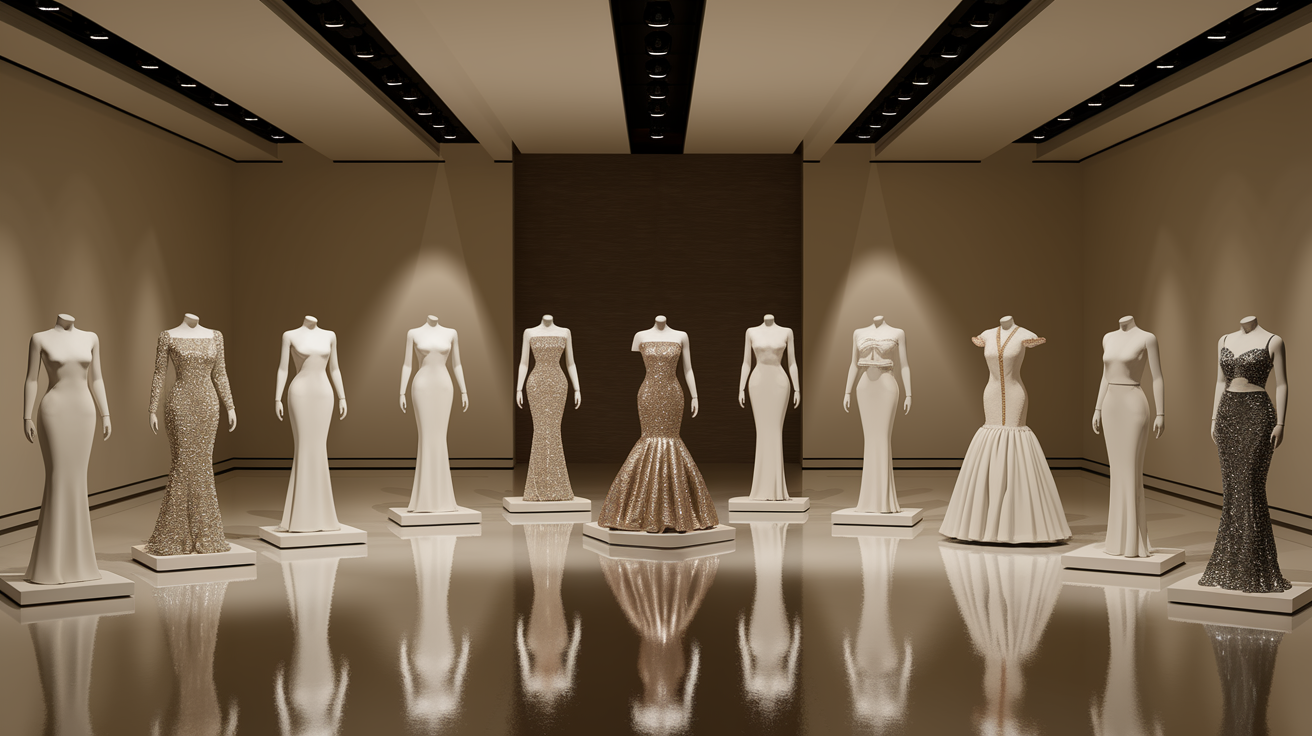
Understanding red carpet evolution requires a shared vocabulary. Twelve key silhouettes defined the 2000s through 2020s, each with distinct proportions, construction techniques, and cultural associations.
Bias-Cut Column
The bias-cut column is a fluid, figure-skimming silhouette created by cutting fabric on the diagonal grain. Popularized by Madeleine Vionnet in the 1930s, it had revivals in the 2000s and 2020s. The bias cut lets the fabric drape naturally, moving with the body without clinging. It photographs beautifully in motion and needs minimal embellishment.
Hourglass Ball Gown
The hourglass ball gown features a fitted bodice, defined waist, and full skirt, creating an exaggerated feminine silhouette. Christian Dior’s 1947 New Look codified this shape, and it remains a red-carpet staple. Modern versions often incorporate lighter fabrics and internal structure to maintain the silhouette without excessive weight.
A-Line
The A-line silhouette fits at the shoulders or bust and gradually widens toward the hem, forming an “A” shape. It’s universally flattering, easy to move in, and photographs cleanly from every angle. A-lines dominated the 2010s minimalist trend and remain a safe, elegant choice.
Mermaid
The mermaid silhouette fits snugly from the bodice through the hips or knees, then flares dramatically into a skirt. It emphasizes curves and requires precise tailoring. Mermaid gowns were a 2000s favorite and have stayed popular for stars seeking a body-conscious, high-impact look.
Fit-and-Flare
Fit-and-flare gowns hug the body through the bodice and waist, then flare gently from the hip. They offer more movement than a mermaid but more structure than an A-line. This silhouette bridges the gap between body-conscious and voluminous shapes.
Slip
The slip silhouette is a minimalist, column-like shape with thin straps and a relaxed fit. Rooted in 1990s minimalism, it resurged in the 2000s and again in the 2020s. Slip dresses are often made from satin or silk and styled with minimal accessories.
Fluid Jersey
Fluid jersey gowns are made from stretchy, draped knit fabric, popularized by Halston in the 1970s. They move with the body, creating soft, elegant lines. Jersey gowns work well for understated glamour and are favored for comfort and ease of movement.
Power Shoulders
Power-shoulder silhouettes feature exaggerated shoulder lines, either through padding, structured tailoring, or sculptural design. Rooted in 1940s wartime fashion and 1980s power dressing, they returned in the 2020s with lighter construction and more flexible shapes.
Illusion/Sheer
Illusion gowns use sheer mesh or tulle, often embellished with crystals or beading, to create the appearance of bare skin. This silhouette became everywhere in the 2010s, tracing its roots to Marilyn Monroe’s 1962 rhinestoned gown and Cher’s beaded transparency looks.
Two-Piece/Co-ord
Two-piece red carpet looks pair a crop top or bodice with a matching skirt or trousers. They offer versatility, modern edge, and the ability to mix textures or silhouettes. This trend grew in the 2010s and expanded in the 2020s with gender-fluid tailoring.
Cape and Capelet
Capes and capelets add drama and movement without altering the underlying silhouette. They can be attached or detachable and range from shoulder-length to floor-length. Capes surged in the 2020s as a way to add volume and theater to minimalist base silhouettes.
Cutouts
Cutout silhouettes feature strategic openings in the fabric (at the waist, sides, back, or chest), revealing skin in geometric or organic shapes. Cutouts became a 2020s signature, often paired with vintage-inspired base silhouettes for contrast.
| Silhouette | Defining Feature | Peak Decade |
|---|---|---|
| Bias-Cut Column | Diagonal grain; fluid drape; minimal embellishment | 2000s, 2020s |
| Hourglass Ball Gown | Fitted bodice; defined waist; full skirt | 2000s |
| A-Line | Fitted top; gradual flare from shoulder or bust | 2010s |
| Mermaid | Body-hugging to knee; dramatic flare | 2000s |
| Fit-and-Flare | Fitted bodice; gentle flare from hip | 2000s, 2010s |
| Slip | Thin straps; relaxed column; satin or silk | 2000s, 2020s |
| Fluid Jersey | Stretch knit; soft drape; minimal structure | 2010s |
| Power Shoulders | Exaggerated shoulder line; structured or sculptural | 2020s |
| Illusion/Sheer | Sheer mesh; crystal embellishment; nude appearance | 2010s |
| Two-Piece/Co-ord | Separate top and bottom; modern edge | 2010s, 2020s |
| Cape and Capelet | Attached or detachable overlay; added drama | 2020s |
| Cutouts | Strategic openings; geometric or organic shapes | 2020s |
Awards Shows and How Different Carpets Shape Silhouette Trends
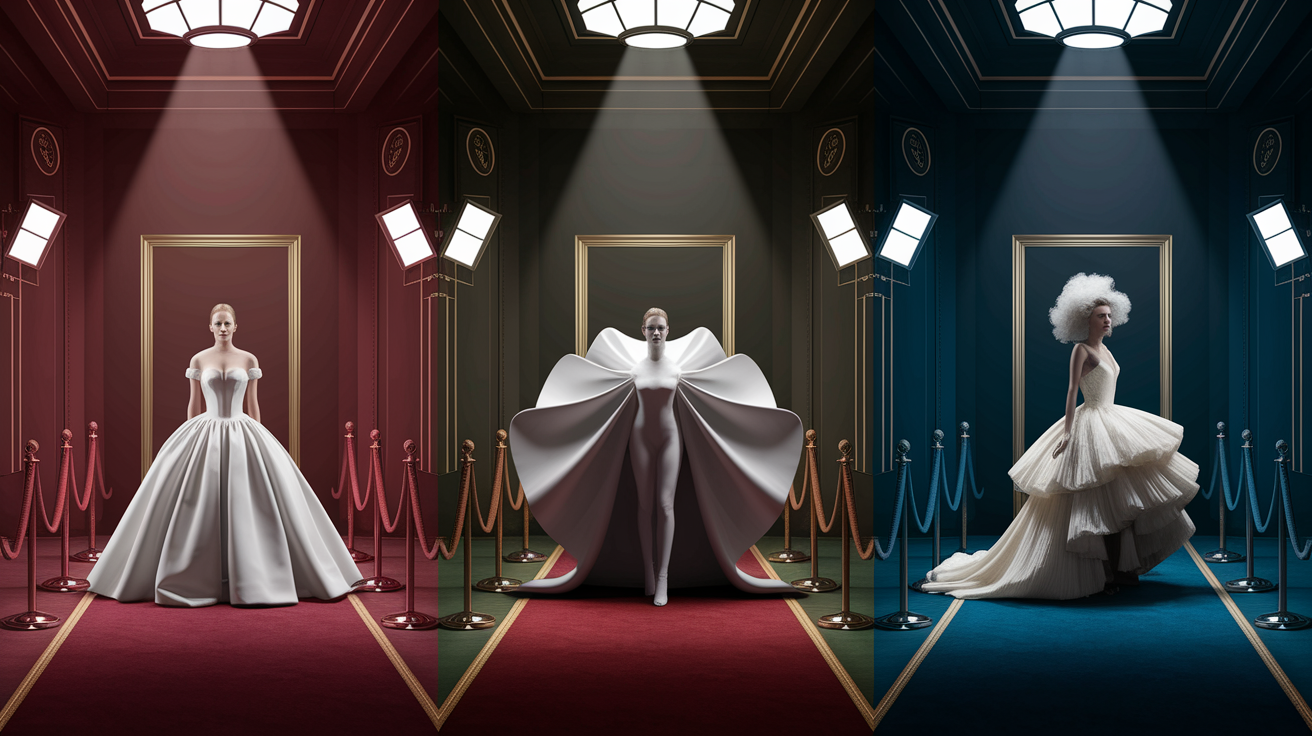
Different red carpets set different silhouette expectations. The Oscars traditionally favor classic, timeless shapes (hourglass ball gowns, elegant columns, and refined A-lines that photograph well and age gracefully in archival images). The Met Gala rewards theatrical risk-taking, with silhouettes that prioritize concept, spectacle, and boundary-pushing over wearability. Cannes Film Festival sits between the two, blending Old Hollywood glamour with high-fashion experimentation.
These venue-specific expectations shape which silhouettes appear and how they’re styled. An avant-garde cutout gown that would be celebrated at the Met Gala might be considered too risky for the Oscars. A safe A-line that works for the Academy Awards would feel too restrained for a Met Gala theme night. Understanding these unwritten rules helps explain why certain silhouettes dominate certain events.
The Oscars favor classic, timeless silhouettes with emphasis on elegance and restraint. The Met Gala wants theatrical, conceptual silhouettes and rewards risk and spectacle. Cannes goes for high-glamour silhouettes, mixing Old Hollywood references with haute couture.
Oscars Silhouette Norms
The Oscars red carpet evolved from conservative, stylist-driven choices in the 2000s to more daring silhouettes in the 2010s and 2020s, but it remains the most traditional of the major carpets. Ball gowns, columns, and mermaid silhouettes dominate, with embellishment favoring classic beading and embroidery over avant-garde construction. The first color broadcast in 1966 established the Oscars as the gold standard for red-carpet glamour, and that legacy still shapes silhouette choices today.
Met Gala Theatricality
The Met Gala became the defining platform for experimental silhouettes in the 2010s and 2020s. Rihanna’s 2017 Comme des Garçons gown and Lady Gaga’s 2019 four-look transformation showed how the event rewards conceptual silhouettes that prioritize theme interpretation over traditional formalwear rules. Met Gala silhouettes often incorporate capes, sculptural elements, cutouts, and hybrid shapes that wouldn’t work on other carpets.
Key Things to Keep in Mind When Comparing 2000s–2020s Red Carpet Silhouettes
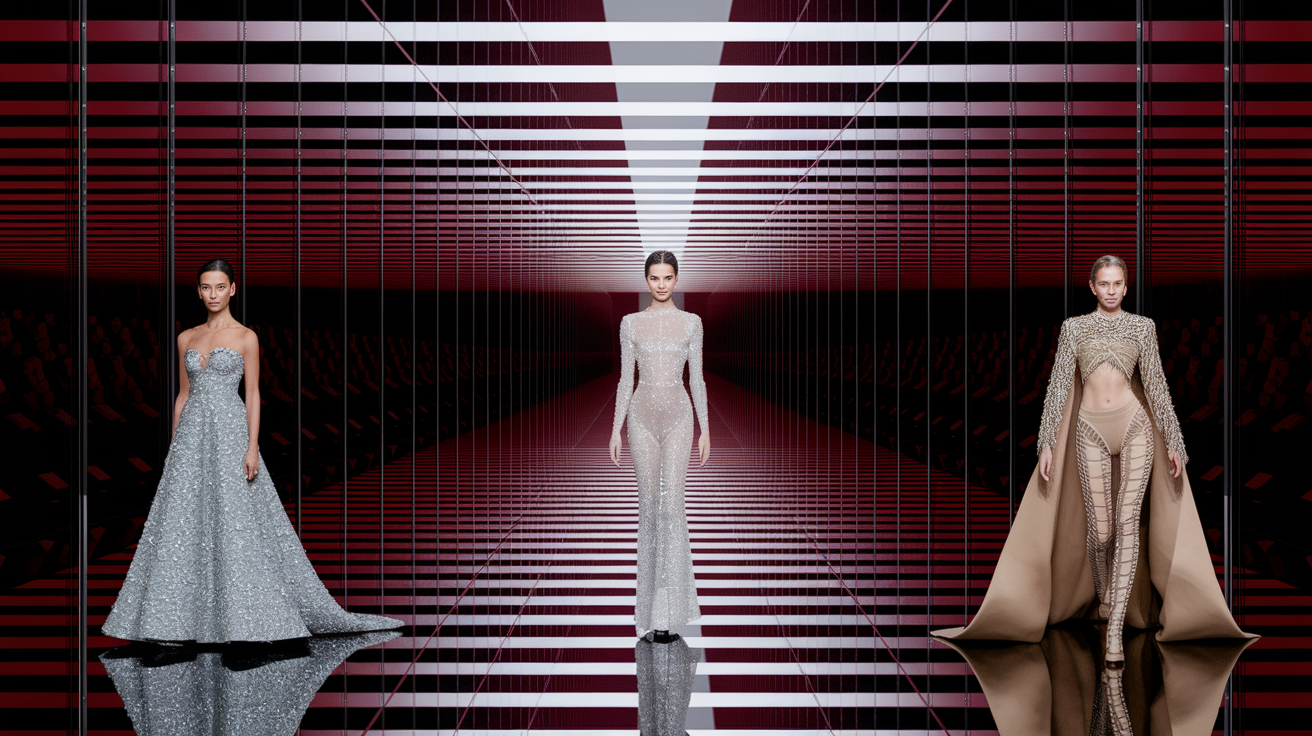
Comparing red carpet silhouettes across three decades requires attention to proportion, cultural context, photography framing, and the remix nature of contemporary fashion. The 2000s prioritized body-conscious fits and stylist-driven polish. The 2010s leaned into Instagram-ready details and sheer illusion. The 2020s embraced sustainability, gender fluidity, and a conscious blend of past silhouettes rather than committing to a single new shape.
Proportion shifts went from 2000s low-rise and curve emphasis to 2010s architectural shoulders and sheer panels to 2020s sculptural elements and cutouts. Photography evolved from paparazzi flash to phone-screen crops to sustainability storytelling. Cultural priorities moved from precision glam in the 2000s to social-media virality in the 2010s to re-wear and inclusivity in the 2020s. Silhouette vocabulary shifted from body-conscious in the 2000s to minimalist-meets-maximal in the 2010s to remix and hybrid in the 2020s.
The 2020s are still unfolding, blending the best elements of the past two decades while introducing new priorities around sustainability and self-expression.
Final Words
On the red carpet, silhouettes kept us guessing, from 2000s precision glam to 2010s sheer bravado and the 2020s’ sculpted, sustainable remix.
Stylists, photographers, social feeds, and politics rewrote proportions, pushing bias cuts, illusion gowns, capes, and gender-fluid tailoring into new star moments.
The evolution of red carpet silhouettes 2000s to 2020s shows how fashion responds to tech, culture, and creativity, and the next era already feels exciting.
FAQ
Q: What was the prominent silhouette in the 2000s and what were the fashion trends on the red carpet that year?
A: The prominent silhouette in the 2000s and red carpet trends that year emphasized body-conscious shapes, low-rise and bias-cut slips, mermaid and corseted gowns, plus precision styling by celebrity stylists and paparazzi-ready glamour.
Q: What is the 3-3-3 rule in fashion?
A: The 3-3-3 rule in fashion is a styling shortcut: pick three statement pieces, three neutral basics, and three accessories to mix-and-match, making outfits faster and more cohesive.
Q: What were the most controversial 2000s outfits?
A: The most controversial 2000s outfits included J.Lo’s plunging green Versace dress, sheer “naked” gowns, extreme low-rise looks, and corseted or risque red carpet choices that sparked headlines and debate.