
Who knew diamonds would move to the supporting cast on the red carpet?
In 2024, colored gemstones, emeralds, sapphires, rubies and surprise picks like morganite, are the new stars, showing up at Met Gala and awards-season moments in jaw-dropping sizes.
They read better on high-definition cameras, match a look instantly, and give celebrities a quick way to tell a personal story.
Here’s why stylists, designers and stars are swapping predictable diamond collars for vivid gems and how that shift is changing red carpet glamour.
Why Colored Gemstones Are Taking Over Celebrity Red Carpets in 2024
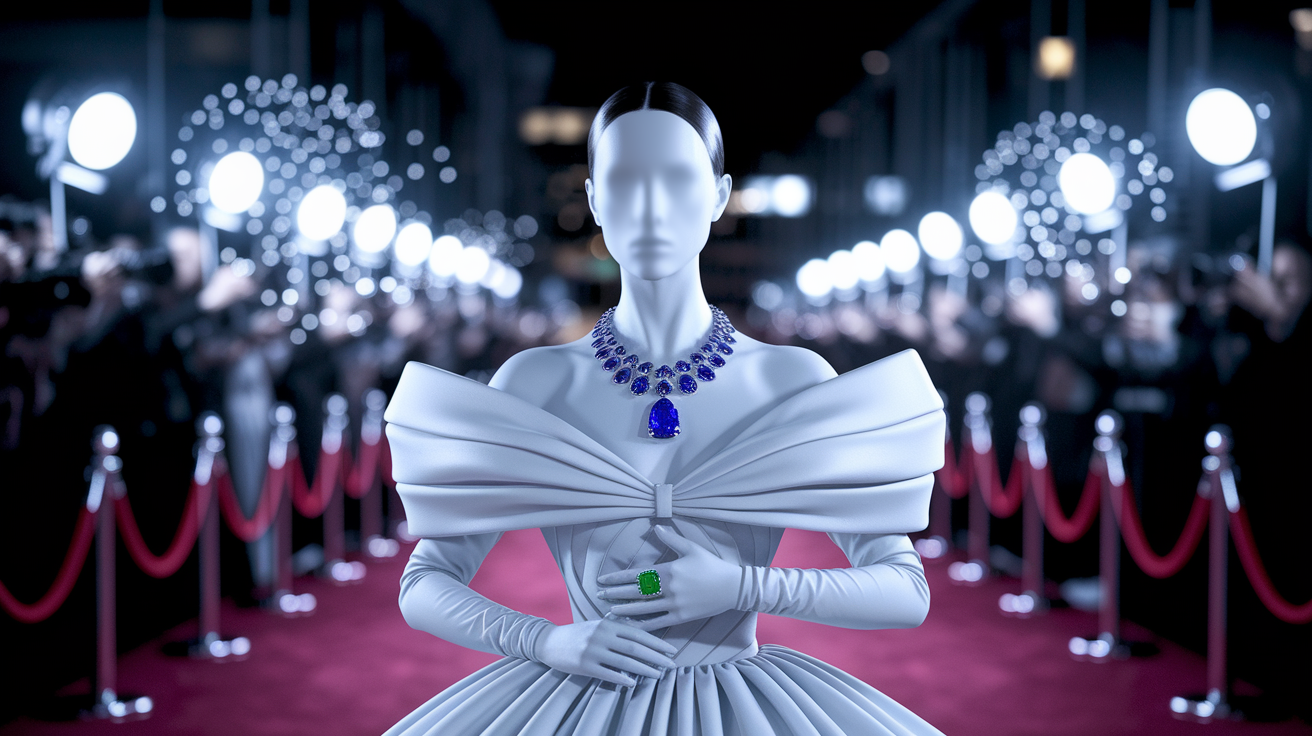
Diamonds aren’t the go-to anymore for A-list red carpet moments. In 2024, colored gemstones have stolen the spotlight. We’re talking emeralds, sapphires, rubies, tourmalines, and even surprise picks like morganite and spinel showing up at major award shows. The shift? It’s obvious. At the Met Gala 2026, Lisa showed up in a custom gown with a 50-carat oval blue sapphire necklace. Isha Ambani wore a blouse set with over 1,000 gemstones, including a 50-carat emerald anchor stone. These aren’t subtle. They’re built to dominate the frame.
Stylists say it’s about wanting to stand out and deliver visual punch. “Colored gemstones give celebrities a way to grab attention instantly,” one celebrity stylist said. “On a red carpet full of white diamonds, a vivid sapphire or emerald creates a focal point the camera can’t ignore.” The stones also let stars match their jewelry to the mood or theme of an event. Blue for elegance, red for power, green for opulence. Accessories become storytelling tools.
The numbers back it up. At the 2026 Met Gala alone, attendees wore pieces with hundreds of carats of colored stones. Beyoncé’s cuff had a large emerald cabochon surrounded by mixed-shape diamonds. Sabrina Carpenter layered multiple diamond statement necklaces but anchored her look with a back-hung 48.15-carat diamond piece and pear-shaped drops totaling 9.59 carats. Even when diamonds are part of the equation, they’re increasingly in supporting roles. Framing, accenting, or amplifying a bold colored centerpiece rather than standing alone. The red carpet has become a gemstone runway, and colored stones are running it.
What’s Driving the Rapid Rise of the Colored Gemstone Trend
The explosion of colored gemstones on red carpets isn’t random. It reflects deeper shifts in how celebrities, stylists, and audiences think about luxury and self-expression. High-definition cameras and social media have raised the stakes for visual impact. A white diamond necklace can look stunning in person but may flatten under bright lights or blend into a sea of similar pieces online. A vivid emerald or sapphire reads immediately and unforgettably, even in a thumbnail or a quick Instagram scroll. Stylists now design looks with shareability in mind. Color is one of the fastest ways to create a scroll-stopping image.
There’s also a cultural craving for pieces that feel one of a kind. Colored gemstones come in nearly infinite shades, cuts, and origin stories, which makes them inherently more personal than mass-market diamond solitaires. A ruby from Mozambique carries a different narrative than a ruby from Myanmar. Stars are leaning into that storytelling opportunity. Wearing a heritage emerald or a rare Paraíba tourmaline signals taste, knowledge, and individuality. Qualities that matter more to today’s red carpet audience than sheer carat weight.
Here are the top factors driving the colored gemstone surge:
- Visual differentiation. Vivid hues stand out in photos, videos, and crowded red carpet lineups.
- Personal expression. Each gemstone color and type tells a unique story that aligns with a celebrity’s image or message.
- High-definition impact. Colored stones hold up better under bright lights and ultra-sharp cameras than some traditional diamond cuts.
- Social media appeal. Bold color creates instantly shareable, memorable content that performs well on platforms like Instagram and TikTok.
- Designer innovation. Jewelers are creating sculptural, art-forward settings that showcase colored gems as centerpieces rather than accents.
Expert Stylist and Jeweler Insights
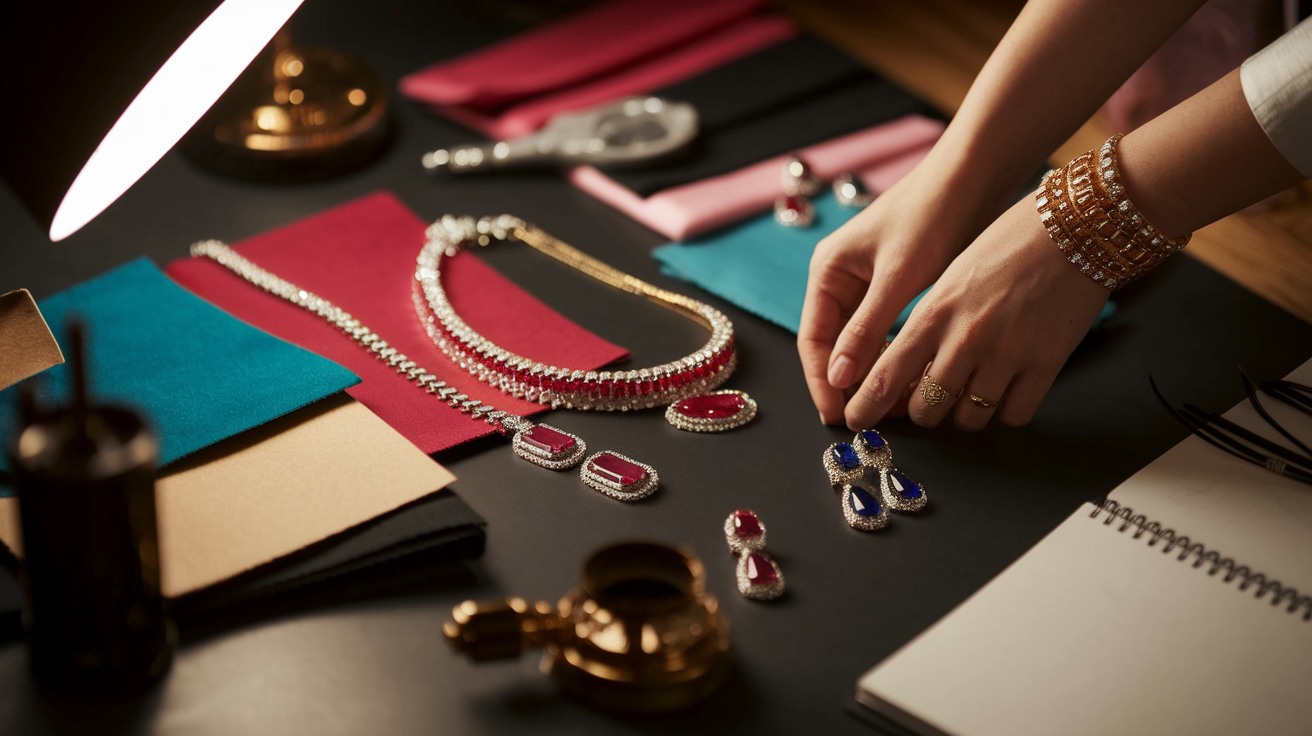
Celebrity stylists have been vocal about why colored gemstones are now their go-to. “When you’re dressing someone for the Oscars or the Met Gala, you’re thinking about how that look will translate across every angle and every platform,” one stylist noted. “A bright sapphire or a deep emerald gives you instant drama and a clear visual anchor. Diamonds are beautiful, but they don’t always give you that pop of personality.” Stylists also point out that colored stones allow for more deliberate color coordination. Matching a ruby choker to a red gown’s undertone, or using a turquoise necklace to add an unexpected contrast against pink, as Amanda Seyfried did at the 2026 Met Gala.
Jewelers echo the sentiment, emphasizing rarity and customization. “Colored gemstones let us create truly bespoke pieces,” a high-jewelry designer explained. “No two sapphires are exactly alike, so when we build a necklace around a 50-carat stone, the client knows they’re wearing something no one else will ever replicate.” That exclusivity appeals to stars who want their red carpet moments to feel singular. Jewelers also highlight the storytelling dimension. Provenance, heritage cuts, and historical significance give colored gems a narrative weight that pure diamond pieces often lack. A vintage 1955 Cartier Tradition brooch with diamonds and rubies, like the one Timothée Chalamet wore, carries both visual impact and a documented backstory that elevates the entire look.
A Deep Dive Into the Gemstones Dominating 2024
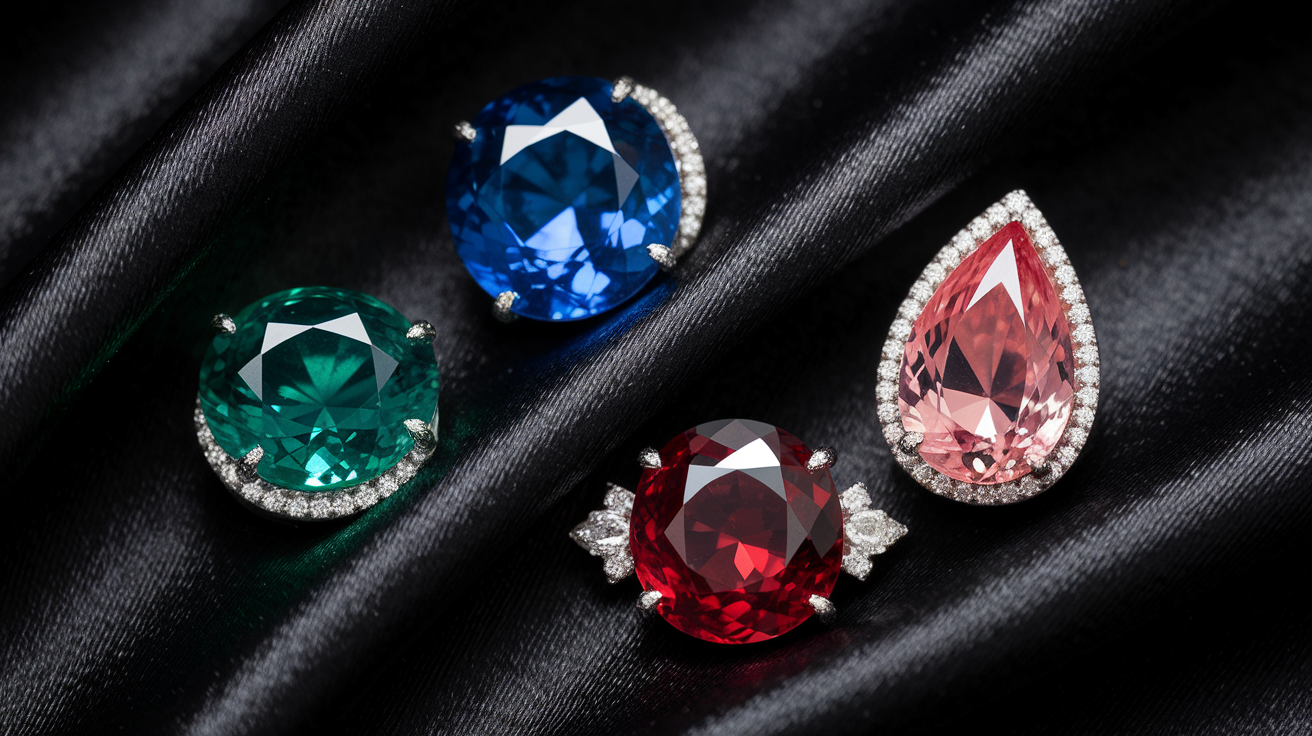
Emeralds
Emeralds have become the gemstone of choice for celebrities seeking old-world glamour with modern edge. The deep green hue photographs beautifully under red carpet lighting and pairs effortlessly with both warm metallics and cool platinum settings. Isha Ambani’s 50-carat emerald anchor stone at the 2026 Met Gala demonstrated the stone’s ability to serve as the singular focal point of an entire ensemble. Emeralds also carry symbolic weight. Historically linked to royalty and renewal, which adds narrative depth to a look.
Sapphires
Sapphires dominate because they offer an extraordinary range of color. From classic royal blue to pink, yellow, and even padparadscha orange. Lisa’s 50-carat oval blue sapphire necklace at the Met Gala 2026 became one of the event’s most talked-about pieces, proving that a single large sapphire can define a look more powerfully than a multi-strand diamond collar. The stone’s hardness and durability also make it practical for high-value, high-wear red carpet jewelry.
Rubies
Rubies deliver intensity and luxury in equal measure. Their saturated red hue conveys power, passion, and confidence. Qualities that align perfectly with red carpet energy. Alysa Liu’s diamond-and-ruby choker at the 2026 Met Gala used ruby to echo her gown’s saturated red palette, creating a cohesive, intentional aesthetic. The 2020 awards season also saw rubies paired with diamonds in vintage Cartier pieces, blending heritage craftsmanship with contemporary styling.
Alternative Gemstones
Beyond the big three, alternative colored stones are gaining serious traction. Morganite, tourmaline, spinel, tsavorite, and even turquoise are showing up in high-profile looks. Emily Blunt’s body necklace featured a 21.85-carat pear-shaped morganite alongside Akoya pearls and diamonds, proving that softer-hued stones can anchor a half-million-dollar piece. Amanda Seyfried’s turquoise statement necklace paired with a bubblegum-pink ballgown showed how unexpected gemstones can create editorial-level color stories. These stones offer designers and stylists new creative possibilities and give celebrities access to colors and textures that feel fresh and modern.
Recent celebrity gemstone moments:
- Lisa – 50-carat oval blue sapphire necklace, Met Gala 2026
- Isha Ambani – 50-carat emerald anchor stone plus over 1,000 gemstones, Met Gala 2026
- Alysa Liu – diamond-and-ruby choker, Met Gala 2026
- Emily Blunt – 21.85-carat pear-shaped morganite body necklace, Met Gala 2026
- Amanda Seyfried – turquoise statement necklace, Met Gala 2026
- Timothée Chalamet – vintage 1955 Cartier Tradition diamond-and-ruby brooch, 2020 Oscars
Cultural and Aesthetic Shifts Behind the Gemstone Renaissance
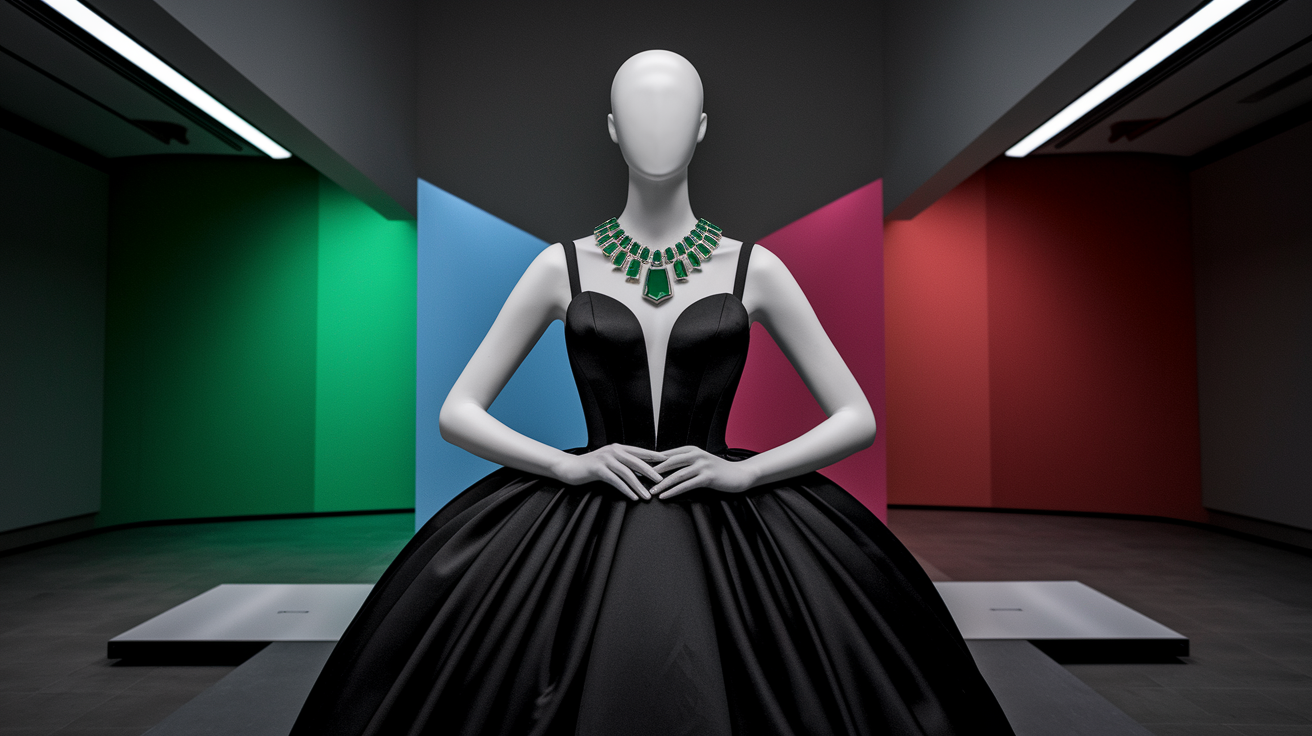
Colored gemstones resonate with a generation that values meaning and personal narrative over status symbols alone. Each stone carries its own symbolism. Sapphires for wisdom, emeralds for growth, rubies for passion. Celebrities are using these associations to layer additional storytelling into their red carpet appearances. A star promoting a film about resilience might choose an emerald. One making a bold career pivot might lean toward ruby. The gemstone becomes part of the message.
This shift also reflects broader changes in how luxury is perceived. Today’s audiences are less impressed by sheer carat weight and more interested in uniqueness, craftsmanship, and the story behind a piece. A 50-carat sapphire with documented provenance or a vintage emerald reset in a modern design signals sophisticated taste and cultural awareness in ways that a generic diamond tennis necklace simply can’t.
The aesthetic shift is equally important. Red carpets in 2024 favor sculptural, architectural jewelry that functions as wearable art. Colored gemstones lend themselves to that approach. They can be the focal point of asymmetric designs, mixed-media pieces, or jewelry that integrates directly into garments. Emily Blunt’s $500,000 pearl-and-morganite body necklace and Sabrina Carpenter’s back-hung diamond necklaces both demonstrate how colored and sculptural stones enable designers to push past traditional necklace-and-earring pairings into true jewelry-as-fashion territory.
Sustainability and Ethical Appeal of Colored Gemstones
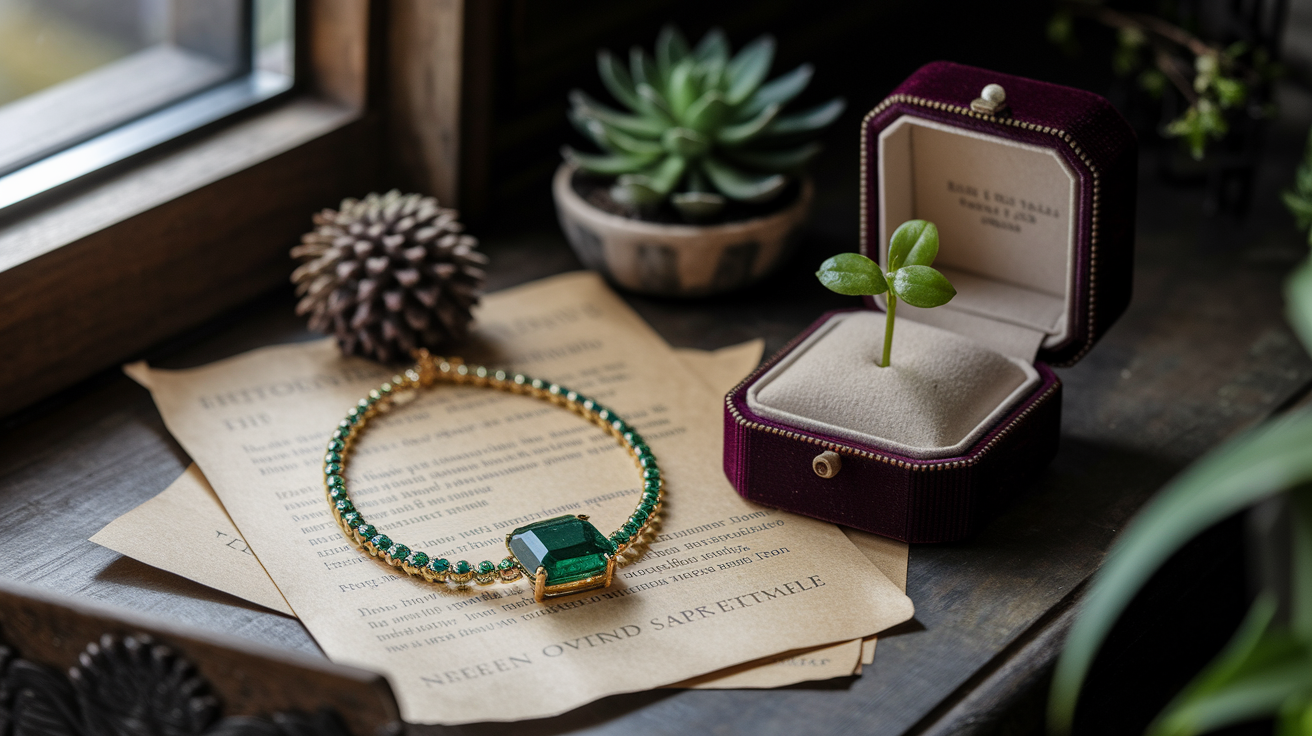
Ethical sourcing has become a significant factor in jewelry choices, and many colored gemstones offer clearer traceability than mass-market diamonds. Sapphires, emeralds, and rubies from specific mines or regions can be certified and tracked, giving buyers confidence in their provenance.
Consumers and celebrities alike are gravitating toward stones with documented ethical practices. Jewelers are responding by highlighting transparency in their sourcing. Colored gemstones also open the door to vintage and heirloom pieces. Recycling historic stones into new settings is both sustainable and culturally resonant. Isha Ambani’s ensemble, which included old mine-cut diamonds and polki, exemplifies how heritage stones can be reinterpreted for modern red carpets while honoring tradition and reducing new mining demand.
Key sustainability benefits of colored gemstones:
- Traceable sourcing. Many colored stones come with documented origin and ethical certification.
- Vintage and heirloom reuse. Historic gemstones can be reset, reducing demand for new mining.
- Smaller-scale mining. Colored gemstone operations are often smaller and easier to monitor than large diamond operations.
- Artisanal and fair-trade options. Growing availability of fair-trade sapphires, emeralds, and other stones.
- Lower environmental footprint. Certain colored gemstones require less intensive extraction and processing than diamonds.
How Colored Gemstone Jewelry Has Evolved Over Time
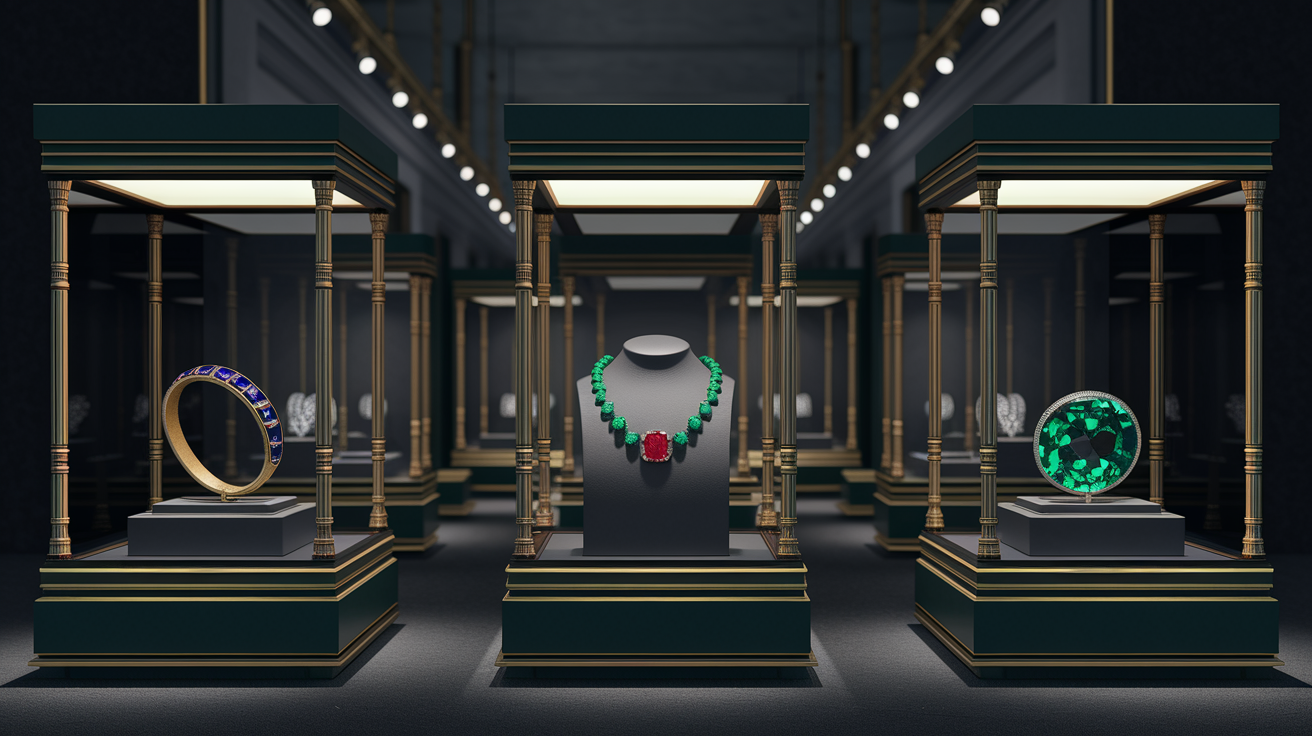
Colored gemstones have been central to luxury jewelry for centuries. Royal families and aristocrats favored emeralds, sapphires, and rubies long before diamonds became the default engagement stone in the mid-20th century. Pieces like the 1955 Cartier Tradition brooch worn by Timothée Chalamet carry that lineage forward, blending diamonds with rubies in designs rooted in post-war European high jewelry. The Art Deco era of the 1920s celebrated bold color combinations and geometric cuts, mixing sapphires, emeralds, and rubies with diamonds in statement pieces that still influence red carpet looks today.
The mid-century shift toward diamond-centric bridal and luxury markets temporarily sidelined colored stones. But recent decades have seen a renaissance. Designers began reinterpreting historical cuts. Old mine diamonds, rose cuts, cabochons. And pairing them with vibrant gemstones to create pieces that honor heritage while feeling contemporary. Isha Ambani’s over-1,000-gemstone blouse and Beyoncé’s emerald-and-diamond cuff both reflect this trend, using traditional polki settings and classic cabochons in modern, editorial contexts.
Today’s red carpet represents a full-circle moment. Colored gemstones are no longer secondary to diamonds. They’re reclaiming their historical role as the most expressive, storied, and visually compelling elements in high jewelry. The shift is less a trend than a return to form, updated for high-definition cameras, social media, and a culture that prizes individuality over conformity.
Styling Strategies for Wearing Colored Gemstones
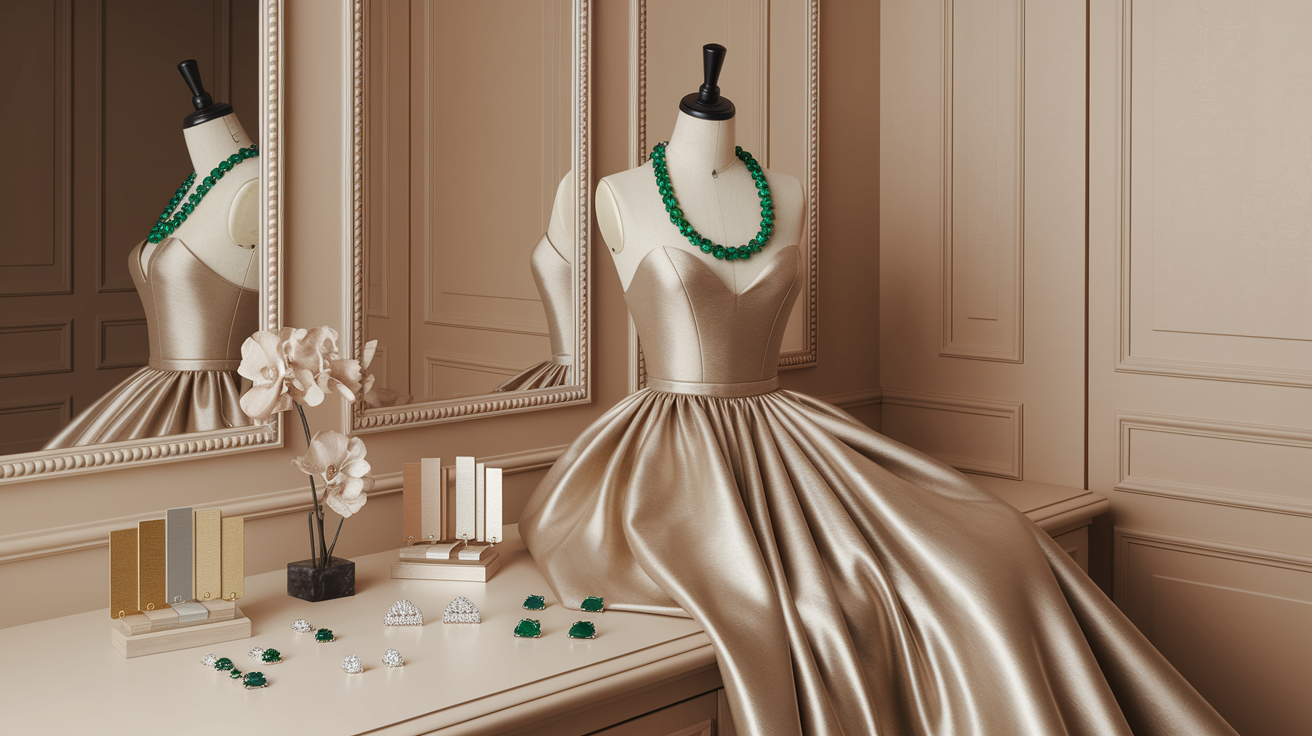
Stylists approach colored gemstones with a clear philosophy: let the stone lead. When a piece features a 50-carat sapphire or a vivid emerald, the rest of the outfit is designed to support and amplify that focal point. Neutral gowns in white, black, champagne, or metallics provide the cleanest canvas, allowing the gemstone’s color to pop without visual competition. Alysa Liu’s ruby choker worked because her saturated red gown matched the ruby’s tone, creating harmony rather than clash.
Metal choice matters. Yellow gold warms up emeralds and rubies, while white gold and platinum enhance the coolness of sapphires and certain tourmalines. Mixing metals, rose gold accents with white gold settings for example, adds editorial texture and modernity, especially when paired with asymmetric or sculptural designs.
Key styling tips for colored gemstone jewelry:
- Lead with one bold piece. A statement necklace or oversized earrings should be the focal point. Keep other jewelry minimal.
- Match or contrast intentionally. Either echo the gemstone color in your outfit or use a neutral palette to let the stone stand out.
- Consider metal temperature. Warm metals for warm stones, cool metals for cool tones, or mix deliberately for modern edge.
- Embrace asymmetry. Mismatched earrings or single-drop designs add contemporary sophistication.
- Layer thoughtfully. Stacking bracelets or rings works when each piece shares a color story or metal family.
- Use gemstones as architecture. Treat jewelry as part of the garment. Necklaces worn down the back, jeweled headpieces, or integrated body jewelry.
- Honor provenance. If your piece has a story, vintage, heirloom, or traceable origin, let that narrative inform the rest of your styling choices.
Final Words
Stars swapped classic diamonds for bold emeralds, sapphires, rubies and tourmalines at this year’s award shows, and it made an instant splash on camera.
We ran through what’s driving the shift, including personal expression, HD-friendly color, ethical sourcing and stylists’ love of statement pieces. Experts and jewelers agree. Color tells a story, and these gems do it loud and clear.
If you’re wondering why colored gemstone jewelry is dominating red carpet looks, it’s because color reads better in photos and feels more personal. That trend shows no signs of slowing, and honestly we’re here for the sparkle.
FAQ
Q: What is the hottest jewelry trend right now?
A: The hottest jewelry trend right now is colored gemstone statement pieces—bold sapphires, emeralds, rubies and tourmalines replacing diamond-first looks for vivid, camera-ready color on red carpets and daily wear.
Q: Why is everyone wearing Van Cleef?
A: Everyone is wearing Van Cleef because its Alhambra motifs and timeless design signal luxury, celebrity approval, and easy-to-wear glamour—pieces that photograph well and feel collectible.
Q: What is the 2:1:1 rule in jewelry?
A: The 2:1:1 rule in jewelry is a styling guideline that balances scale: two small pieces, one medium piece, and one large statement piece to keep outfits visually harmonious.
Q: What is the most popular gem color?
A: The most popular gem color is blue—sapphires and aquamarines lead favorites—while green (emeralds) is surging on red carpets for drama and individuality.