
Think red carpet gowns only belong on celebs?
They’re actually a live ad that sends shoppers sprinting to checkout.
When millions tune into the Oscars or Met Gala, one photo can spark searches, influencer recreations, and fast fashion teams who can turn that vibe into a $50 dress in as little as two to three weeks.
This piece breaks down how those moments become retail signals, why shoppers copy them, and how that breakneck speed rewrites what we see in stores.
Understanding How Red Carpet Looks Drive Retail Trends and Fast Fashion Demand
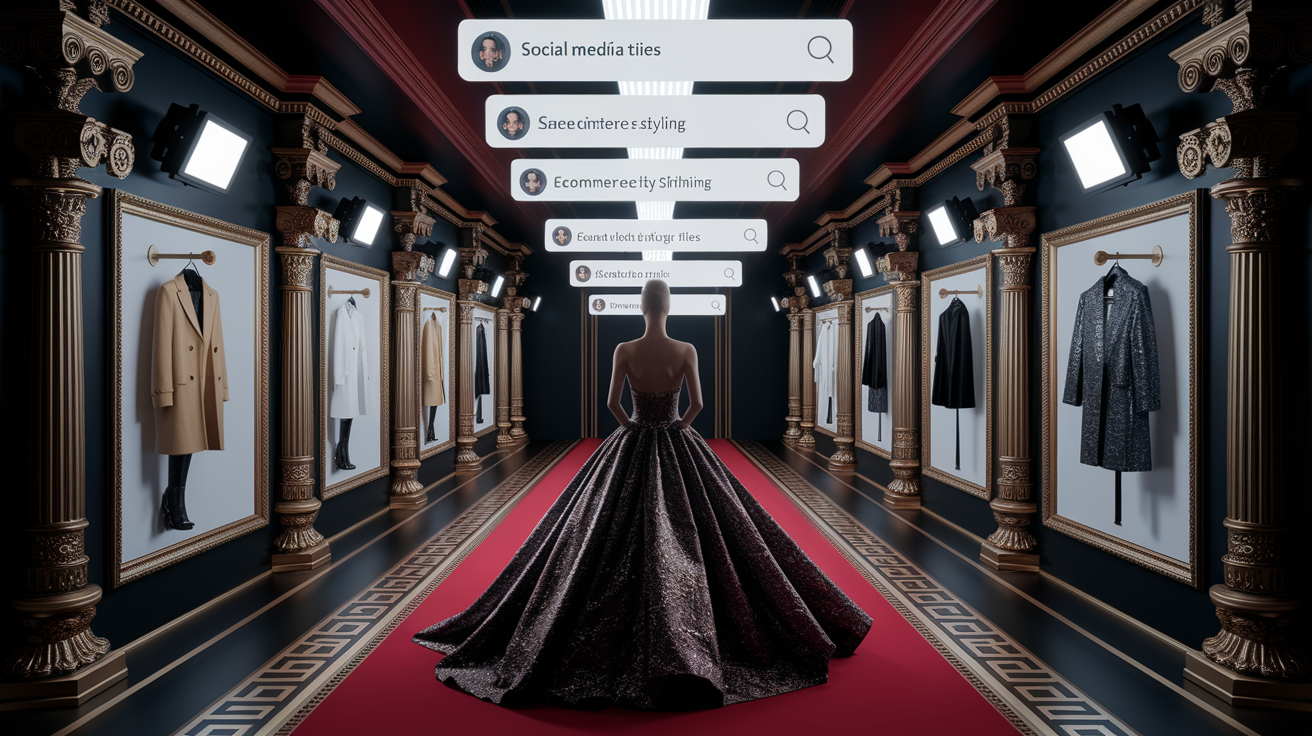
Red carpet events basically function as a celebrity to consumer sales funnel that moves ridiculously fast. When millions of people tune into the Oscars, Met Gala, or Golden Globes, they’re not just watching stars. They’re seeing live product demos of silhouettes, colors, and styling ideas that designers spent months perfecting. Within seconds of a celebrity stepping onto the carpet, images flood Instagram, TikTok, Pinterest, and fashion blogs. Fans screenshot. Influencers recreate. Retailers start tracking search spikes. The entire cycle can ignite in the time it takes to post a single photo.
Fast fashion brands monitor these events in real time, often assigning teams to watch red carpets and social feeds at the same time. The goal is simple: figure out which looks are sparking the most engagement, then rush similar styles into production. Some retailers have shortened their response windows to just weeks, turning what was once a seasonal runway to store cycle into an event driven sprint. The traditional fashion calendar, built around two major collections per year, has been replaced by a constant flow of micro releases timed to award shows, film premieres, and viral celebrity moments.
The entire pipeline follows a pattern that repeats with every major red carpet event:
- Designer selects or creates a statement look for a celebrity, often months in advance and with careful attention to the event’s theme and media reach
- Celebrity wears the look, amplified by live broadcast coverage that reaches millions of viewers and generates instant global visibility
- Media outlets and social platforms publish images within minutes, creating massive organic reach as fans, fashion accounts, and news sites share and discuss the look
- Consumers begin searching for similar items, typing phrases like “get the look,” the celebrity’s name plus “dress,” or specific design details like “sheer gown” or “backless top”
- Influencers post recreations using accessible pieces, tagging fast fashion brands and styling budget friendly versions that drive additional traffic and normalize the trend
- Retailers respond by greenlighting production of lookalike styles, adjusting digital merchandising to highlight relevant inventory, and sometimes creating dedicated landing pages within days
Why Red Carpet Looks Have Such Strong Influence on Retail and Fast Fashion
The scale of red carpet media coverage creates an advertising effect that no brand could afford to buy. Award shows and major film premieres attract millions of live viewers, plus exponentially more through post event clips, headlines, and social shares. When a celebrity steps out in a bold gown or an unexpected styling choice, that single moment is documented by hundreds of photographers and disseminated across every major platform within minutes. The look gets analyzed, praised, critiqued, and shared by fans, stylists, fashion editors, and casual observers. All contributing to a viral loop that keeps the image circulating for days or weeks.
Social platforms have sped things up dramatically. Instagram and TikTok let celebrities post their own red carpet images directly to millions of followers, bypassing traditional media gatekeepers. Stylists like Law Roach and Karla Welch have become tastemakers in their own right, with their choices studied and copied by both consumers and other stylists. When Law Roach dresses Zendaya in a vintage Versace gown or Karla Welch puts Justin Bieber in an unexpected silhouette, those decisions carry weight. Resale platforms see immediate spikes in searches for similar archival pieces. Vintage dealers report surges in interest for the exact labels and eras featured on the carpet.
The psychological driver is aspirational mimicry. Consumers want to capture a piece of the glamour, status, and confidence they see on screen. Fast fashion offers an accessible entry point, translating a $20,000 couture gown into a $50 dress that echoes the same neckline, color, or drape. The appeal lies in the transformation: wearing a “red carpet inspired” piece lets someone feel connected to a moment, a celebrity, and a broader cultural conversation. All for a fraction of the original price.
Fast Fashion’s Rapid Replication of Red Carpet Styles
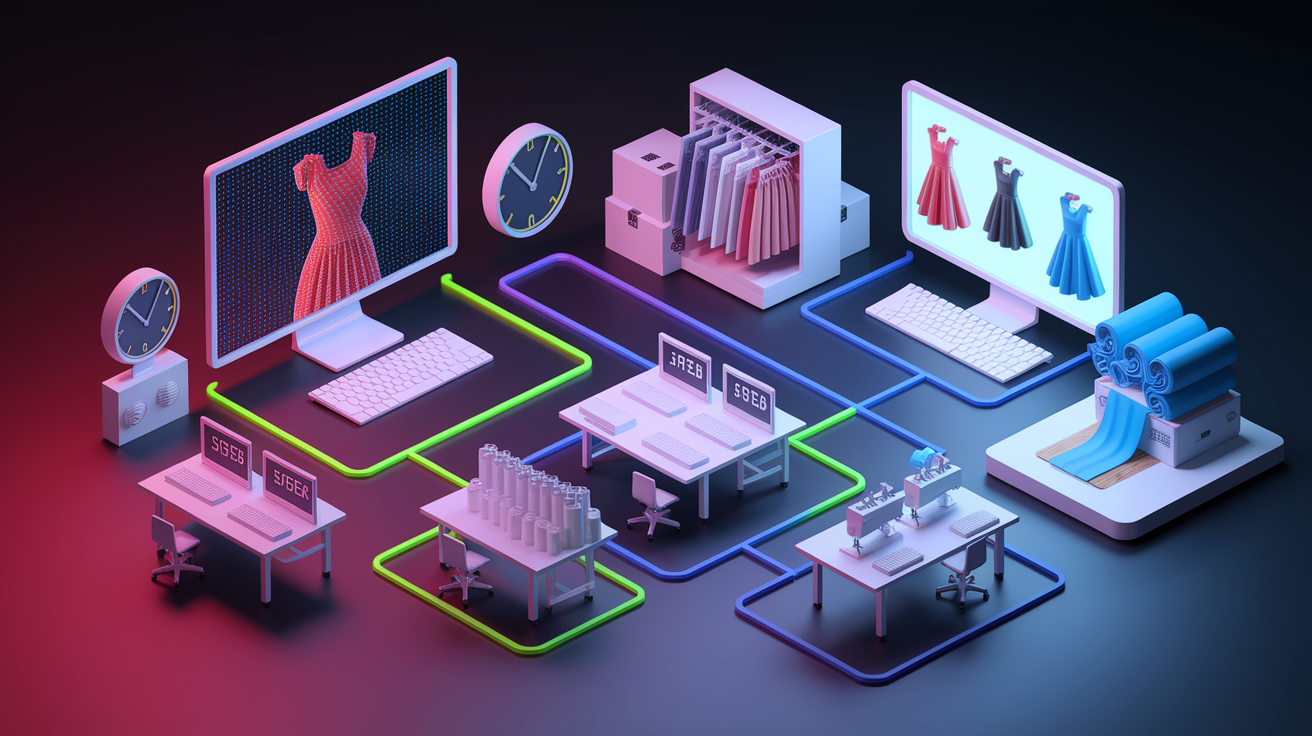
Fast fashion retailers have built supply chains designed for speed. Red carpet moments are ideal triggers for their systems. The moment a look goes viral, design teams pull reference images, identify the key features, and begin drafting patterns that simplify construction while preserving the recognizable elements. A crystal embellished gown becomes a sequin midi dress. A sculptural neckline gets translated into a more wearable version using jersey instead of silk. The goal isn’t to replicate the garment exactly but to capture the emotional resonance and visual cues that made it memorable.
Brands like Zara, H&M, ASOS, PrettyLittleThing, and Revolve are often mentioned as leaders in this rapid response model. Some can move a red carpet inspired piece from concept to online listing in as little as two to three weeks, depending on the complexity of the design and the availability of similar fabrics in their supply network. This speed is made possible by pre negotiated relationships with manufacturers, flexible production runs, and digital first merchandising that lets new styles appear on websites without the lead time required for physical store placement. Color tweaks are common. Cheaper polyester replaces silk. Embellishments get swapped for printed or heat transfer details that mimic the original’s sparkle at a lower cost.
The traditional fashion calendar has been replaced by a continuous cycle of event driven releases. Award season, film festival circuits, and even celebrity street style moments now function as unofficial product launch windows. Retailers don’t wait for spring or fall collections anymore. They release new SKUs weekly, timed to whatever is trending that moment. The result is a fashion ecosystem where trends appear, peak, and fade in a matter of weeks rather than seasons.
| Stage | Typical Timing | Retailer Type |
|---|---|---|
| Red carpet debut and viral spread | Event night + 24–72 hours | All (monitoring phase) |
| Design adaptation and pattern development | 3–7 days after viral peak | Fast fashion and online first brands |
| Production greenlighting and fabric sourcing | 1–2 weeks after event | Fast fashion with flexible supply chains |
| Manufacturing and quality control | 2–4 weeks after event | Fast fashion and high street retailers |
| Launch and merchandising (digital first) | 3–6 weeks after event | Online retailers and fast fashion |
Case Studies: Red Carpet Looks That Triggered Major Retail Trends
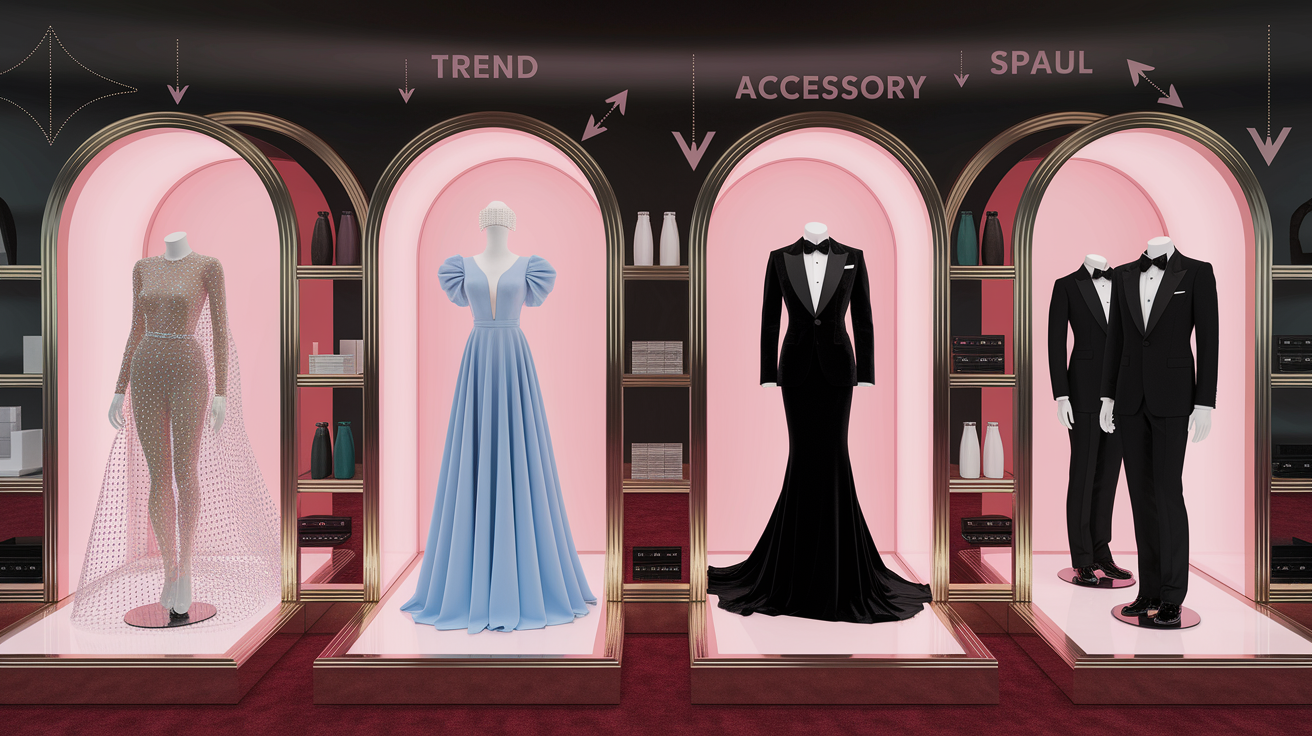
Rihanna’s 2014 CFDA Awards appearance in an Adam Selman gown covered in Swarovski crystals became one of the most influential red carpet moments of the decade. The sheer, nearly naked dress sparked immediate controversy and fascination. Within weeks, searches for “sheer dresses,” “naked dresses,” and “mesh gowns” spiked across retail sites. Fast fashion brands released their own versions using less expensive mesh and sequins. The “naked dress” became a recurring red carpet thing for years, with everyone from Beyoncé to Kendall Jenner adopting variations. The look shifted the boundary of what was considered acceptable formal wear and opened the door for more daring, body conscious designs in mainstream retail.
Lupita Nyong’o’s powder blue Prada gown at the 2014 Oscars had a quieter but equally powerful retail impact. The dress featured a simple A line silhouette, but it was the pearl embellished headband that caught fire. Within days, fashion blogs and Pinterest boards were flooded with headband styling ideas. Retailers began restocking and promoting headbands in similar styles. The look helped revive an accessory category that had been largely dormant since the early 2000s, and the trend extended beyond formal wear into everyday styling. The color itself, a soft, dusty blue, became a sought after shade for bridesmaid dresses and spring collections that year.
Billy Porter’s 2019 Oscars entrance in a Christian Siriano tuxedo gown was a statement on gender fluidity and personal expression that resonated far beyond the red carpet. The look generated millions of social media impressions and sparked conversations about non binary fashion in mainstream retail. Within months, retailers began introducing gender neutral collections and expanding their formal wear categories to include more expressive, less traditionally gendered silhouettes. The moment gave designers permission to experiment with traditionally “masculine” and “feminine” elements in the same garment. Consumers responded by seeking out pieces that allowed for similar self expression.
The 2018 Golden Globes Time’s Up blackout demonstrated the power of coordinated red carpet activism. When hundreds of attendees wore black in solidarity, the moment became a visual protest that extended into consumer behavior. Shoppers began prioritizing brands with transparent labor practices and values driven missions. The event shifted the conversation around fashion from pure aesthetics to ethics. Retailers responded by highlighting sustainability initiatives, fair trade certifications, and diversity commitments in their marketing.
Here are six additional rapid fire examples of red carpet looks that triggered measurable retail shifts:
- Harry Styles’ 2020 Met Gala Gucci lace blouse and pearl necklace normalized androgynous styling and led to increased searches for men’s lace shirts, pearl jewelry, and gender fluid fashion pieces across online platforms
- Timothée Chalamet’s 2022 Venice Film Festival backless Haider Ackermann halter sparked a surge in backless menswear designs, with retailers adding backless tops and open back formal shirts to their collections within a season
- Margot Robbie’s Barbie press tour wardrobe in 2023 reignited demand for hot pink, vintage inspired silhouettes, and playful accessories, with fast fashion brands rushing out “Barbie core” collections
- Zendaya’s 2021 Oscars neon yellow Valentino gown caused an immediate spike in searches for bright yellow formal wear and led to a resurgence of neon tones in spring/summer collections
- Lady Gaga’s 2019 Oscars Tiffany diamond necklace and classic black gown combination reinforced demand for statement jewelry paired with minimalist silhouettes, a styling formula that became a retail staple
- Cate Blanchett’s repeat wearing of archival Armani gowns at multiple events normalized outfit repetition and increased consumer interest in vintage shopping, resale platforms, and investment pieces designed for longevity
How Stylists and Creative Teams Shape Retail Demand
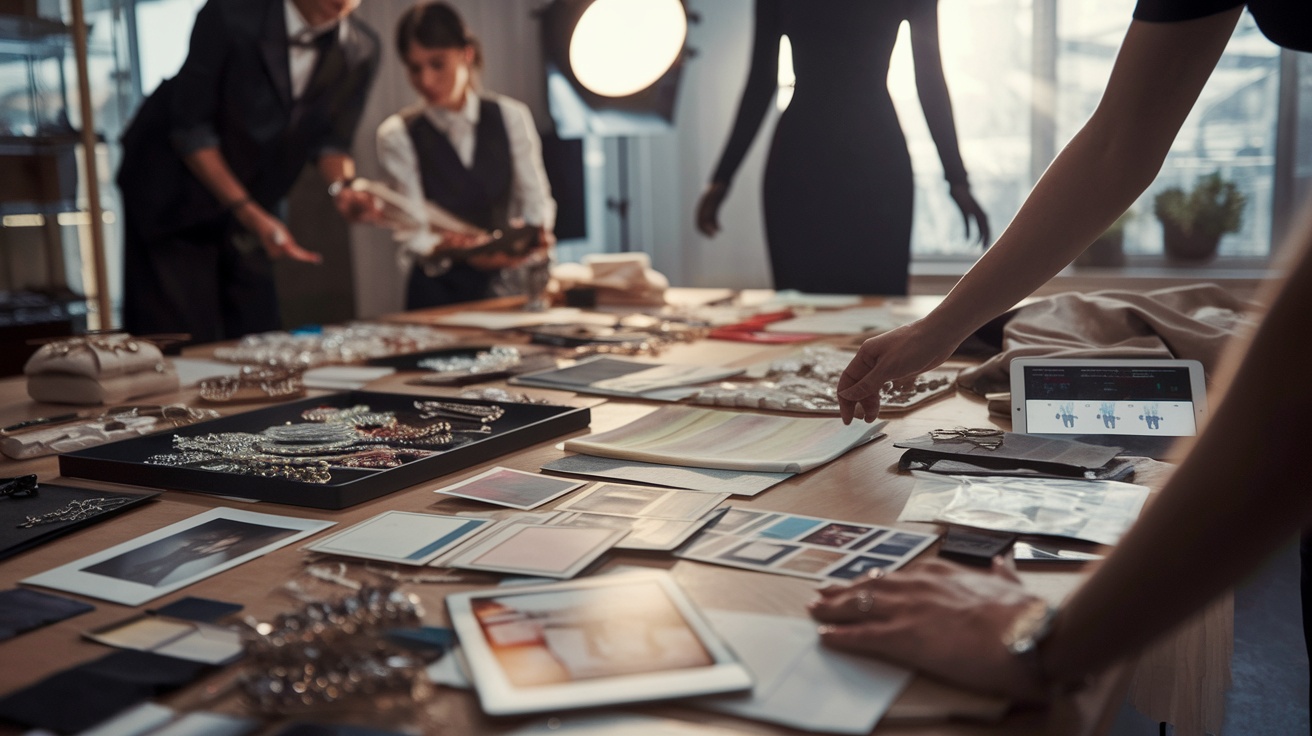
Celebrity stylists are the architects behind the looks that drive retail trends. Their decisions about which designer to feature, which silhouette to choose, and how to accessorize a look carry enormous influence over what consumers will search for and buy in the weeks that follow. Stylists like Law Roach and Karla Welch have built reputations as cultural curators. Their choices get analyzed by fashion insiders, retailers, and trend forecasters who know that their selections often signal the next wave of mainstream demand.
When a stylist chooses to dress a celebrity in a vintage or archival piece, resale platforms see immediate traffic spikes for similar items. When they debut a new designer, that label often experiences a surge in media coverage, website visits, and wholesale inquiries. Stylists also shape the narrative around a look, using social media to provide context, share behind the scenes details, and credit the full creative team. All of which amplifies the reach and impact of the moment.
The ways stylists drive retail trends include:
- Selecting emerging or underrepresented designers for high visibility moments, creating instant brand awareness and consumer demand for those labels
- Curating archival and vintage looks that trigger searches on resale platforms and normalize sustainable shopping behaviors
- Pairing high fashion pieces with accessible accessories or styling techniques that consumers can recreate at home, making the look feel attainable
- Using their own social media followings to extend the lifespan and reach of a red carpet moment, often sharing additional angles, details, and commentary that keep the conversation alive
How Retailers Capitalize on Red Carpet Buzz
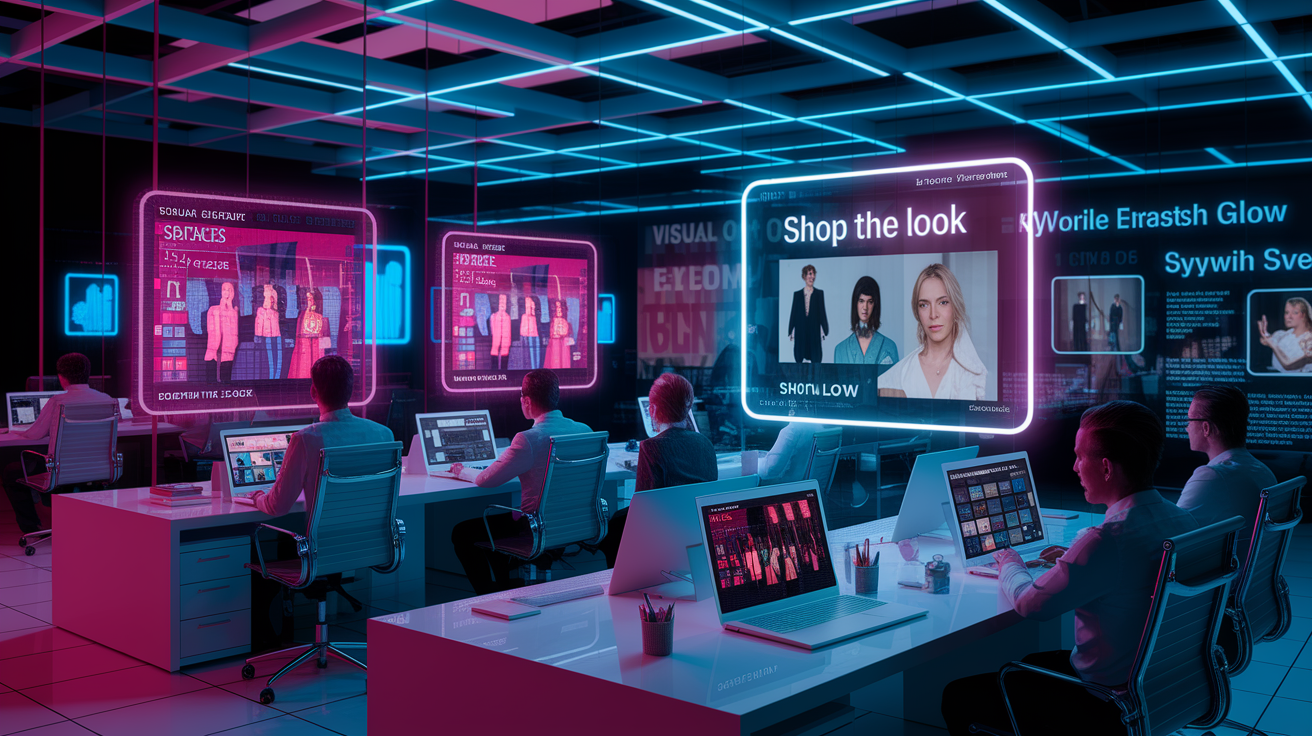
Retailers have developed sophisticated systems to monetize red carpet moments in real time. Many brands assign dedicated teams to monitor major events, tracking social media engagement, search volume spikes, and competitor activity as looks appear on screen. Within hours, merchandising teams can update homepage banners, create curated “get the look” landing pages, and adjust search algorithms to surface relevant inventory. The goal is to meet the surge in consumer interest before it fades, capturing traffic and conversions while the look is still top of mind.
Visual search technology has become a key tool in this process. Shoppers can now upload a screenshot of a red carpet look and receive algorithmically generated suggestions for similar items available for purchase. Platforms like Pinterest, Google Lens, and retailer specific apps use AI to match silhouettes, colors, and design details, allowing consumers to move from inspiration to checkout in seconds. This technology has dramatically shortened the path from red carpet exposure to retail sale, eliminating the need for consumers to manually describe what they’re looking for or scroll through unrelated inventory.
Promotional pricing and influencer collaborations are also common tactics. Retailers often offer limited time discounts on items that align with trending red carpet looks, using urgency and scarcity to drive conversions. At the same time, they partner with micro and macro influencers to create styling content that features their products alongside references to the original celebrity moment. These posts serve as social proof, showing real people wearing accessible versions of high fashion looks and normalizing the idea of replicating red carpet style on a budget.
According to “How Red Carpet Fashion Shapes What We Wear Next,” the shift in how retailers respond to award season looks has fundamentally changed the rhythm of trend adoption, moving from a seasonal model to an event driven cycle that lets brands capitalize on cultural moments as they happen.
The most common real time merchandising responses include:
- Launching event night or next day curated landing pages featuring “shop the red carpet” or “get the look” collections tied to specific celebrity appearances
- Updating paid search and display advertising to target keywords related to trending red carpet looks, designer names, and celebrity styling moments
- Adjusting homepage carousels and category placements to prioritize items that align with viral silhouettes, colors, or accessories seen at major events
- Sending targeted email campaigns to segmented customer lists highlighting relevant inventory and offering limited time promotions tied to red carpet buzz
- Collaborating with influencers to create rapid turnaround styling content that features retailer inventory alongside references to the original celebrity look, distributed across Instagram, TikTok, and YouTube
Ethical, Sustainability, and IP Challenges Behind Fast Fashion Copies
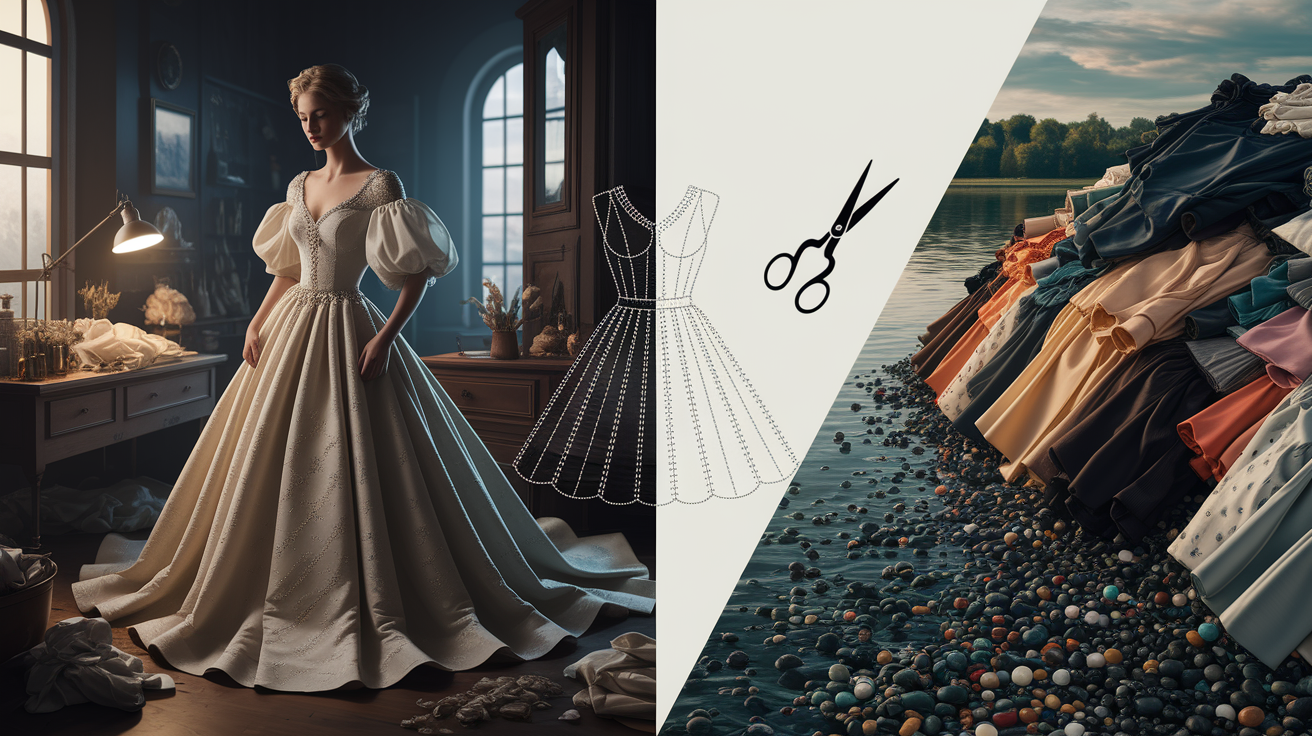
The rapid replication of red carpet looks carries significant environmental and ethical costs. Fast fashion production relies on cheap labor, often in countries with weak worker protections and minimal environmental oversight. When retailers rush to copy a viral look within weeks, the pressure to cut costs and speed up timelines often results in exploitative working conditions, unsafe factories, and wages that fail to meet basic living standards. The fabrics used in these copies are typically synthetic, petroleum based materials that shed microplastics and are rarely recyclable, contributing to long term pollution in waterways and landfills.
The sheer volume of trend driven production creates massive waste. Because red carpet inspired pieces are tied to specific moments and celebrities, they have shorter lifespans in consumer wardrobes. Many get worn once or twice before being discarded, ending up in landfills or incinerated. The water and energy required to produce, dye, and ship these garments adds up quickly, with estimates suggesting that fashion is responsible for a significant percentage of global carbon emissions and freshwater consumption. When a single viral look triggers thousands of units produced and shipped worldwide, the cumulative environmental impact is substantial.
Intellectual property disputes are another complication. Designers invest time, creativity, and resources into creating original garments, only to see fast fashion brands copy their work without credit or compensation. While fashion design isn’t as heavily protected by copyright law as other creative fields, some designers have pursued legal action over particularly blatant copies. The tension between inspiration and theft remains a gray area. The speed of fast fashion often means that by the time a designer could take legal action, the trend has already peaked and moved on.
On the sustainability side, some progress is being made. Emma Watson’s advocacy for the #30Wears campaign, which encourages consumers to only buy pieces they intend to wear at least 30 times, has helped shift the conversation toward more mindful purchasing. Celebrities like Cate Blanchett and Jane Fonda have worn archival gowns to multiple events, normalizing the idea of outfit repetition and challenging the expectation that public figures must always appear in something new. These moments have increased consumer interest in vintage shopping, resale platforms, and investment pieces designed for longevity rather than disposability.
| Red Carpet Original | Fast Fashion Copy | Environmental Impact |
|---|---|---|
| Custom couture gown, made to measure using high quality silk, hand embellished details, produced by skilled artisans in controlled atelier conditions | Mass produced polyester version, standardized sizing, machine printed embellishments, manufactured in high volume factories with minimal oversight | Original: low volume, higher per unit resource use but often archived or resold; Copy: high volume, synthetic fabric shedding, short lifespan, high likelihood of disposal within months |
| Vintage or archival designer piece, already existing garment, zero new production, often returned to archive or resold after event | New fast fashion piece inspired by vintage look, requires full production cycle including fabric, labor, shipping, and retail distribution | Original: near zero new environmental cost; Copy: full carbon, water, and waste footprint from raw material to end of life disposal |
| Designer collaboration or capsule collection with transparent sourcing, often uses sustainable fabrics, limited production run, higher price point | Budget fast fashion replica using lowest cost materials and labor, produced at scale with minimal transparency or sustainability measures | Original: controlled environmental footprint, often includes circular design or take back programs; Copy: high environmental cost, minimal recycling or circularity, often ends in landfill |
How Brands and Retailers Can Prevent Harmful Trend Cycles
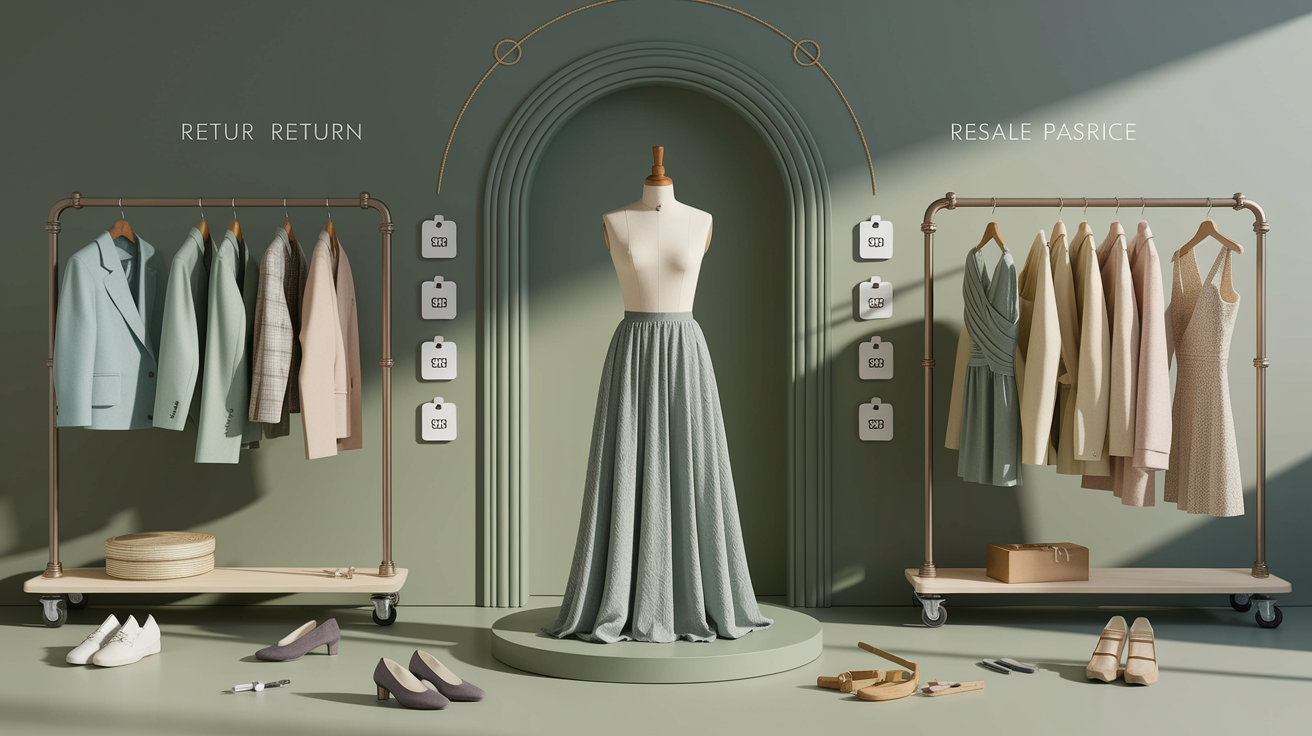
Retailers and brands can break the cycle of harmful trend churn by adopting slower, more sustainable production models. One approach is to shift from trend driven SKU proliferation to curated, limited run collections that prioritize quality and longevity over volume. By producing fewer pieces and investing in better materials and construction, brands can offer products that remain desirable beyond a single event or season. This model also reduces overstock and waste, as inventory is planned with more precision and less reliance on speculative trend forecasting.
Consumer education plays a critical role. Brands that transparently communicate the environmental and social costs of production, including water usage, carbon emissions, and labor conditions, help shoppers make more informed choices. When retailers highlight the lifecycle of a garment, explaining how materials are sourced, where production takes place, and what happens to the item at end of life, consumers are better equipped to weigh the true cost of a cheap, trend driven purchase. Some brands have introduced digital product passports that provide this information at the point of sale, letting shoppers see exactly what they’re buying into.
Celebrities and stylists also have influence here. By continuing to rewear archival pieces, champion sustainable designers, and publicly discuss the environmental impact of fashion, they help normalize slower consumption patterns. When a major star wears the same gown twice or chooses a vintage piece over a new custom creation, it sends a signal that fashion doesn’t have to be disposable. Retailers can support this shift by expanding resale and rental options, promoting circular design, and partnering with brands that prioritize sustainability over speed.
Best practices for slowing harmful trend cycles include:
- Offering rental and resale programs alongside new inventory, making it easy for consumers to access trend driven pieces without contributing to overproduction and waste
- Implementing demand forecasting tools that use real time data to predict trend lifespan and adjust production volumes, avoiding overstock and markdowns that incentivize disposable consumption
- Partnering with sustainable designers and transparent manufacturers, then marketing those partnerships to educate consumers and differentiate the brand in a crowded market
- Creating marketing campaigns that celebrate outfit repetition, versatile styling, and investment pieces, shifting the cultural narrative away from constant newness and toward thoughtful curation
When to Seek Deeper Industry Data or Professional Support
For retailers, marketers, and trend forecasters who want to make strategic decisions based on red carpet influence, surface level observations aren’t enough. Deeper analysis requires access to retailer level sales data, SKU specific sell through rates, and real time social analytics that track engagement, sentiment, and conversion. These metrics are rarely made public, but they’re critical for understanding which red carpet moments translate into measurable demand and which are simply noise. Brands that invest in tracking tools, data partnerships, and analytics platforms can identify patterns early and adjust assortments, pricing, and marketing accordingly.
Demand forecasting has become a specialized discipline, blending traditional trend analysis with machine learning models that predict how long a look will stay relevant and which consumer segments are most likely to engage. Professional forecasters use a combination of social listening, search trend data, historical sales comparisons, and cultural analysis to estimate the lifecycle of a trend. This information helps brands decide how much inventory to produce, which channels to prioritize, and when to exit a trend before it becomes a liability. For businesses operating in fast fashion or online retail, this kind of precision can be the difference between profit and excess inventory.
Situations where professional insight is needed include:
- When a retailer needs to decide whether to greenlight production of a red carpet inspired piece and wants to estimate potential sales volume, price sensitivity, and optimal launch timing
- When a brand is analyzing the return on investment from celebrity or influencer partnerships and needs to measure traffic, conversion, and long term brand lift tied to specific red carpet moments
- When a business is evaluating whether to invest in visual search technology, real time merchandising tools, or predictive analytics platforms and needs case studies, benchmarks, and ROI projections to justify the spend
Final Words
Red carpet moments kick off trend cycles in real time. We covered how one look goes viral, sparks searches, and gets copied into stores within weeks. We also covered stylists, retailer tactics, and ethical costs.
What matters is choice. Brands can move fast without wrecking the planet by using forecasts and limited runs. Shoppers can favor vintage, rewear, and smarter buys.
This shows how celebrity red carpet looks influence retail trends and fast fashion, and it can drive creative, accessible style when handled smarter.
FAQ
Q: How do celebrities influence fashion trends and why is fashion so important on the red carpet?
A: Celebrities influence fashion trends and red carpet fashion is important because it creates instant global visibility, sets aspirational cues, drives social buzz, and prompts retailers to replicate looks quickly, boosting sales and trend cycles.
Q: What are the fashion trends on the red carpet?
A: The fashion trends on the red carpet are sheer gowns, androgynous tailoring, vintage rewear, backless silhouettes, statement accessories, and sustainability-forward styling that often inspire immediate high-street and social-media recreations.
Q: What is the 3-3-3 rule in fashion?
A: The 3-3-3 rule in fashion is a packing and capsule wardrobe guideline recommending three tops, three bottoms, and three pairs of shoes to mix-and-match, creating versatile outfits with minimal pieces for travel or daily wear.