
Think corset dresses are only for corset-laced costumes? Think again.
Modern corset dresses mix old-school boned bodices with stretch, comfy seams, and wearable hems, so you’ll get that cinched waist without a wrestling match.
From mini party styles to show-stopping maxis, the right silhouette and fabric can make one work for a date, a wedding, or a weekday dinner.
This guide breaks down styles, materials, measuring tips, and styling moves so you can pick a flattering corset dress for every occasion, no guesswork required.
Your Complete Guide to Finding the Perfect Corset Dress
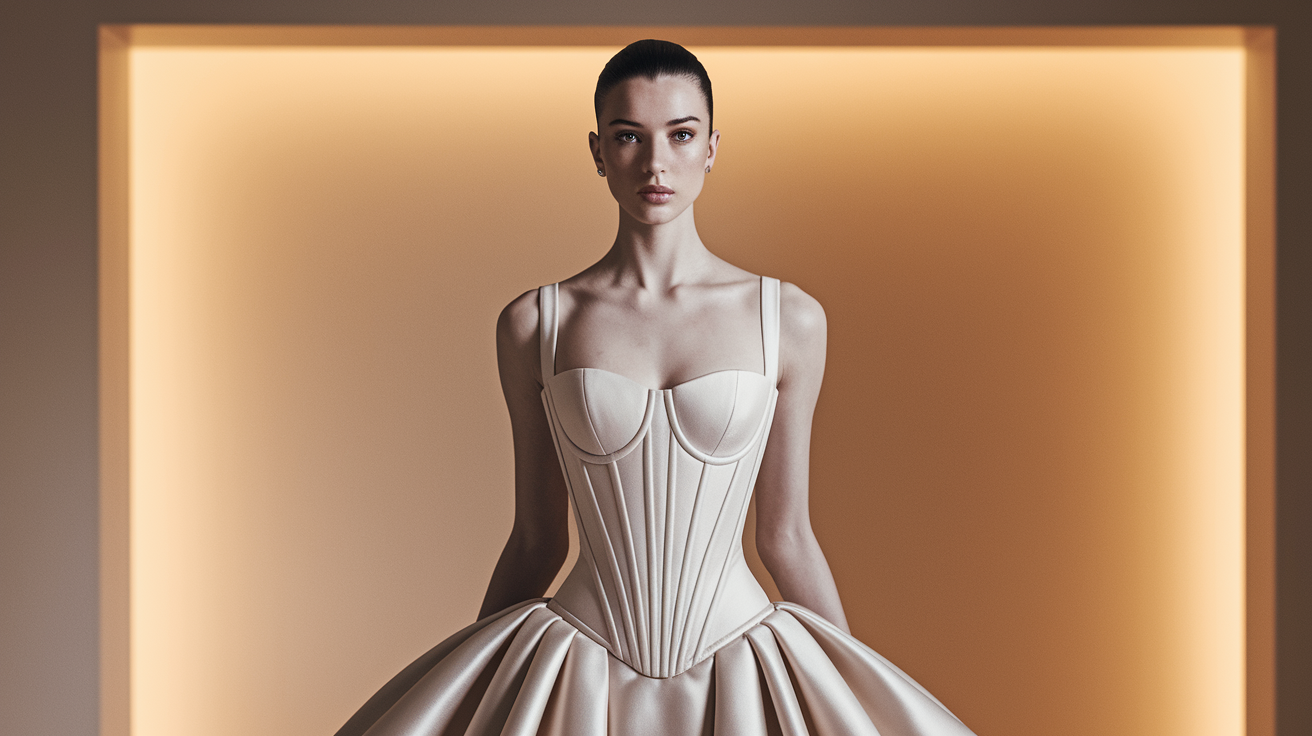
A corset dress blends old school corsetry with something you can actually wear out. You get a boned bodice that cinches your waist and creates that defined silhouette, all without needing shapewear underneath. The boning sits in vertical channels along your torso, giving you support and structure. It’s why people reach for them when they want to look polished without thinking too hard about it.
They come in tons of lengths, fabrics, and necklines. Mini party styles, floor sweeping gowns, everything in between. And now? Brands build in stretch panels, adjustable lacing, smart seam placement. Comfort’s part of the design.
When you’re browsing online, expect to see product grids with 15 to 60 options per page. Multiple colorways, prints, those little promo badges everywhere. You’ll find filters for price, size (usually 2 to 26), length (mini, midi, maxi), fabric (velvet, lace, sequin, scuba crepe), occasion (wedding guest, formal, date night). Good listings show you full body shots from the front, back, and side, plus close ups of the boning, lining, fastenings, and what’s happening on the inside so you know what you’re getting.
Most corset dresses use waist cinching to create an hourglass thing, which works on a lot of different body types. Look for silhouettes that balance structure with actual wearability. A line and fit and flare skirts soften the sculptural bodice. Bodycon styles amp up the contouring. The boned bodice should support you without digging in, and stretch versions give you a little breathing room without losing shape.
When you’re shopping online, make sure listings include:
- Multiple high res images: front, back, side views, and detailed shots of boning, lacing, and interior seams.
- Fabric composition and construction details: percentage breakdowns, mentions of stretch panels, and what kind of boning they used (steel, plastic, spiral steel).
- Exact measurements and size guidance: bust, underbust, waist, and hip dimensions per size, with notes on whether to size up for structured bodices.
- Care instructions: fabric specific washing, drying, and storage recommendations to keep the boning intact and prevent lining damage.
Corset Dress Styles & Silhouettes Explained
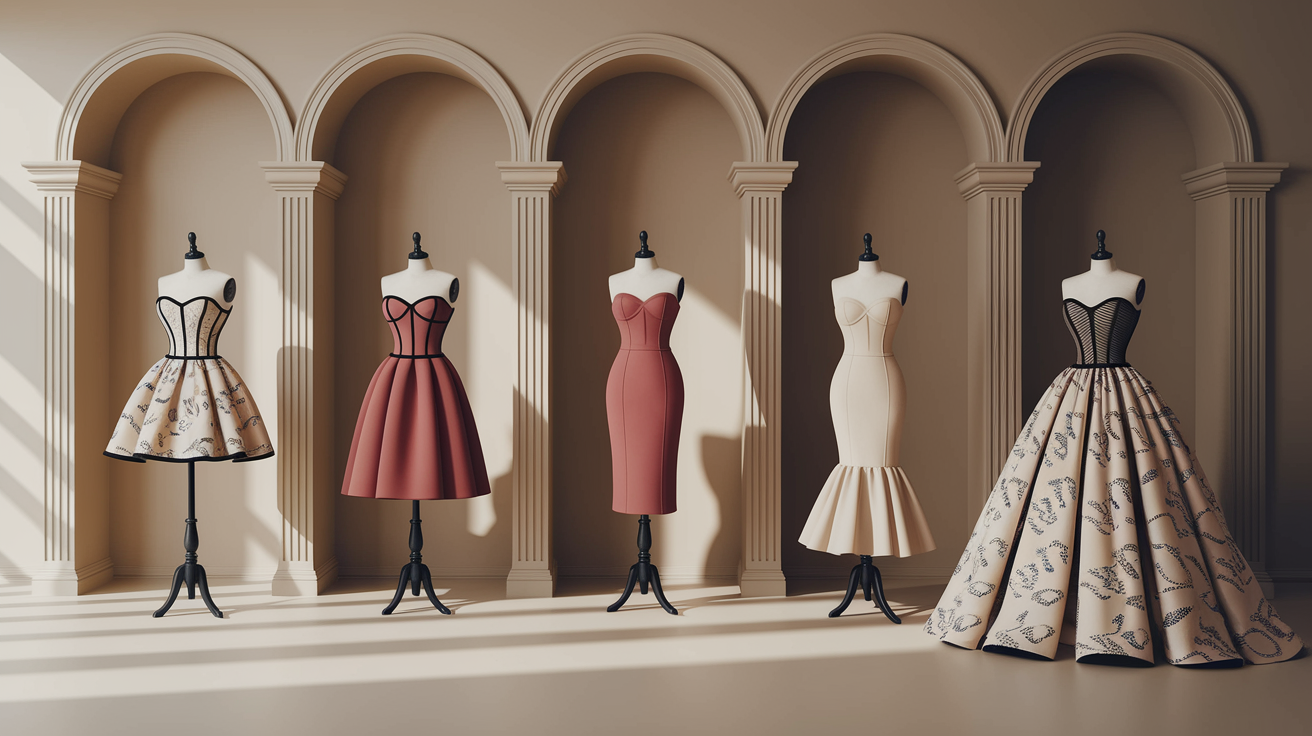
Corset dresses get sorted by length and silhouette, which makes it easier to figure out what works for your event and body shape. Mini corset dresses stop mid thigh. Best for parties, date nights, warm weather celebrations where you want to show off legs and heels. Midi corset dresses fall between the knee and ankle, giving you that polished, cocktail appropriate length that balances drama with coverage. Maxi corset dresses deliver full glamor for formal occasions, weddings, black tie events.
Beyond length, silhouette defines how the skirt behaves. A line styles flare gently from the waist, flattering pear and hourglass figures. Fit and flare designs nip in at the waist then flare dramatically, creating movement and balancing curvier hips. Skater silhouettes feature short, circle skirts for a playful vibe. Bodycon cuts hug every curve, amplifying the contouring effect of the boned bodice.
Some product lines offer multiple colorway or print variants under the same silhouette name, like the Noelle dress in both green floral and abstract bouquet prints. So you can find the exact mood you want within a familiar fit. Mermaid or trumpet shapes hug the body to mid thigh or knee before flaring out, great for taller frames or formal galas. Each silhouette pairs differently with necklines, so understanding both helps you narrow choices quickly.
The most common neckline variations include:
Sweetheart: a curved, heart shaped neckline that frames the bust and pairs beautifully with strapless or thin strap bodices.
Straight: a horizontal edge across the collarbone, often seen in strapless or off the shoulder styles for a modern, architectural look.
V neck: a plunging or moderate V that elongates the neck and balances wider shoulders.
Halter: straps that tie or fasten behind the neck, offering built in lift and leaving shoulders bare.
Strapless: no straps at all. The boned bodice provides all support, showcasing collarbones and shoulders for a classic evening silhouette.
Materials & Construction Details Behind a Corset Dress
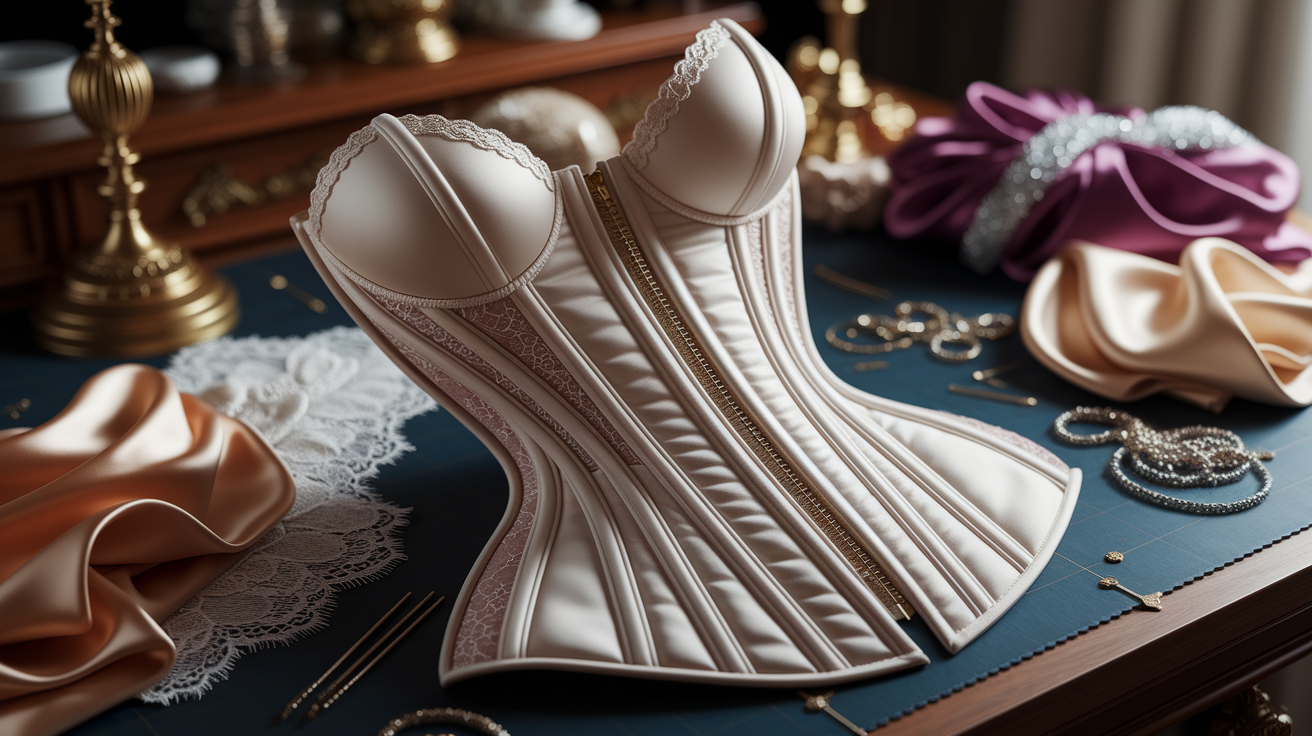
Understanding how a corset dress is built helps you judge quality, comfort, and longevity before you buy. The structure and fabric work together: strong boning shapes the torso, while the outer material determines drape, stretch, and occasion suitability. A well constructed piece balances rigid support in the bodice with freedom of movement in the skirt, achieved through thoughtful seam placement, lining choices, and closure systems (back zippers, hidden hooks, or lace up panels).
Boning Types
Boning provides the defining structure of a corset dress, and the material you choose affects both support level and flexibility. Steel boning (flat or spiral) is the gold standard for serious waist definition and long lasting shape. Flat steel bones sit in vertical channels and don’t bend side to side, offering maximum rigidity and an authentic corset silhouette, but they can feel restrictive if the garment’s poorly fitted. Spiral steel boning twists along its length, allowing the bodice to flex slightly when you sit, bend, or dance, making it more comfortable for all day wear while still delivering strong support. Plastic boning (often polyester or nylon stays) is lighter and more affordable, with a moderate level of structure. It works well in casual or stretch blend corset dresses where you want shaping without the formality of steel, but it can warp over time with repeated washing or heat exposure.
Fabrics & Finishes
Common materials include velvet, which drapes luxuriously and adds warmth for fall and winter events. Lace, often used as an overlay or insert to soften the structured bodice and introduce texture. Satin, which delivers a glossy, formal finish and pairs beautifully with steel boning for black tie looks. Sequin panels, great for party dresses and night out styles that catch light on the dance floor. And scuba crepe, a thick, stretchy knit that holds its shape without wrinkling, popular in midi and maxi silhouettes.
Stretch variants (like those labeled Marnie Wein Stretch, Hatsu Blumenstrauß Stretch, or Anais Hellgrün Stretch) incorporate elastane or spandex into the bodice or side panels, allowing the boning to work with your natural movement rather than fighting it. Jacquard fabrics bring raised patterns and depth, making them a sophisticated choice for wedding guests and formal daytime events.
How to Measure for a Properly Fitted Corset Dress
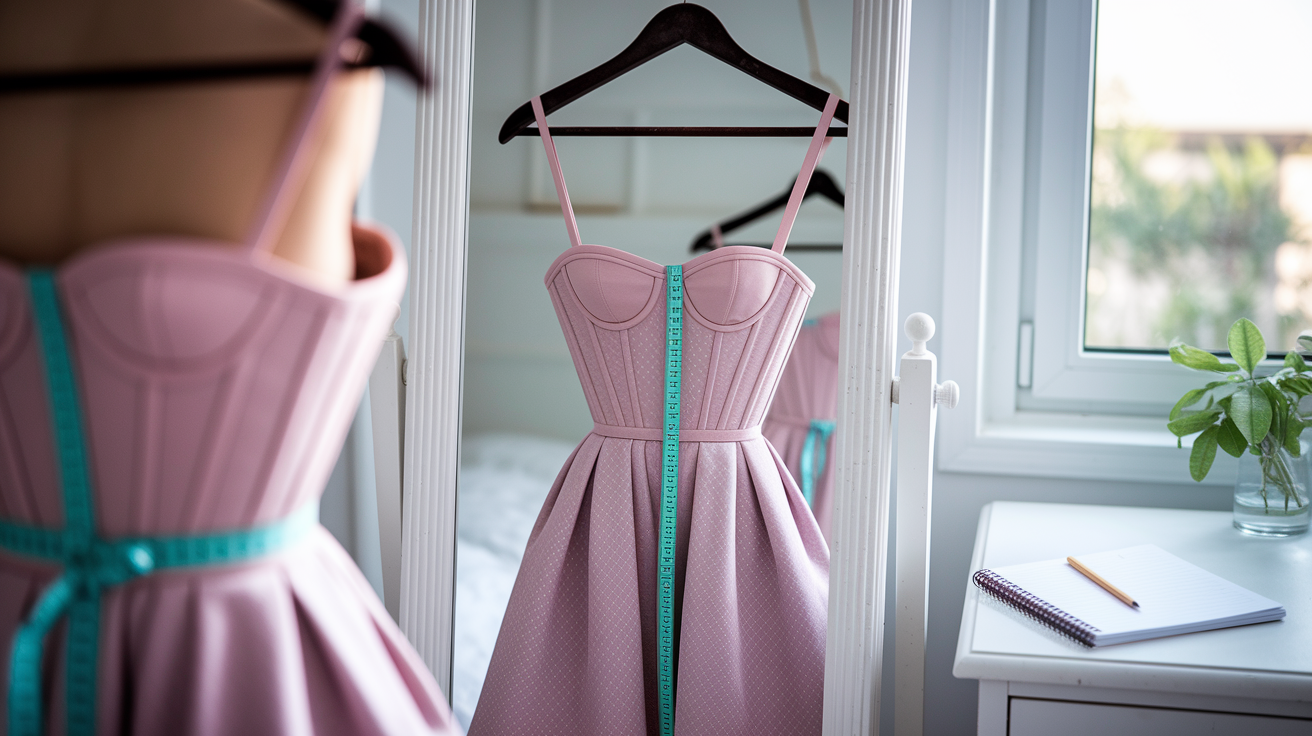
Accurate measurements are essential when ordering a corset dress online, because the structured bodice can’t stretch to accommodate sizing errors the way an unlined dress can. Most brands provide size charts in both centimeters and inches, often paired with model height and size worn for visual reference. If your measurements fall between two sizes, size up. A slightly loose corset dress can be taken in at the side seams, but a too tight bodice will dig into your ribs and underarms, causing discomfort and visible bulging.
Corset dresses rely on four key measurements (bust, underbust, waist, and hips) plus overall length if you’re choosing a midi or maxi style. Taking these numbers correctly ensures the boning sits in the right place, the waistline hits at your natural waist, and the bust cups (if present) align with your chest. Use a soft measuring tape and wear the undergarments you plan to use on the day of the event. Shapewear or strapless bras can shift measurements by half an inch to an inch.
To measure for a properly fitted corset dress:
- Bust: wrap the tape around the fullest part of your chest, keeping it parallel to the floor and snug but not tight. Record the measurement in inches or centimeters.
- Underbust: measure directly under your bust, where a bra band would sit. This number determines where the lower edge of the bodice will land and it’s critical for strapless or sweetheart styles.
- Waist: find your natural waistline (usually the narrowest part of your torso, roughly an inch above your belly button) and measure around, exhaling gently to avoid artificially inflating the number.
- Hips: measure around the fullest part of your hips and backside, typically seven to nine inches below your waist, to ensure the skirt portion fits comfortably.
- Length (for midi and maxi): measure from the top of your shoulder (or where the bodice top will sit) down to where you want the hem to fall (knee, mid calf, or floor) and compare that to the garment’s stated length to determine if hemming will be needed.
Styling a Corset Dress for Every Occasion

Corset dresses work hardest when the styling is intentional, letting the structured bodice take center stage while accessories and layers add polish or edge. For day to night transitions, pair a midi corset dress in a neutral tone with a cropped denim jacket and block heel mules during the afternoon, then swap the jacket for a tailored blazer and strappy stilettos after sunset. The boned bodice holds its shape under outerwear, so you can layer confidently without losing the silhouette.
For casual weekend styling, mini corset dresses in stretch fabrics pair well with ankle boots and oversized cardigans, creating a playful contrast between structure and softness.
When dressing for formal events and weddings, choose midi or maxi corset dresses in luxe fabrics like velvet, satin, or sequined scuba, and keep jewelry minimal. A structured bodice already commands attention, so a simple pendant necklace, stud earrings, and a metallic clutch are usually enough. If the bodice is heavily embellished with lace or beading, skip the necklace entirely and add statement earrings or a bold lip instead.
Strappy heels with thin ankle ties elongate the leg and work beautifully with midi and maxi hemlines, while pointed toe pumps offer a sleek, timeless alternative. For colder months or conservative dress codes, layer a faux fur stole, structured blazer, or long wool coat over the dress, removing it once indoors to reveal the full corset silhouette.
Party and night out styling benefits from high contrast: pair a black mini corset dress with metallic heels and a micro bag, or choose a bold print corset dress and keep shoes and accessories in a single neutral shade. If your dress features a lace up back, style your hair in an updo or sleek ponytail to show off the detail. Avoid chunky belts, wide statement necklaces, or anything that competes with the waist cinching effect of the bodice. The goal is to let the dress’s construction do the work while your accessories add finishing touches, not bulk.
Celebrity & Red Carpet Influence on Corset Dress Trends

Celebrities have fueled the resurgence of corset dresses by wearing them to award shows, premieres, film festivals, and high profile parties, turning sculptural bodices into a red carpet staple. A list stylists favor corset gowns because they photograph beautifully from every angle. The defined waist creates an hourglass silhouette on camera, and the structured bodice eliminates the need for visible shapewear or awkward adjustments mid event.
In recent seasons, stars have chosen velvet corset maxi dresses in jewel tones for winter premieres, sequined corset minis for after parties, and lace overlay corset midis for daytime press tours, proving the style works across dress codes and seasons.
Haute couture houses and contemporary ready to wear brands alike have embraced corsetry, blending historical construction techniques with modern fabrics and closures. Trend forecasting for 2024–2025 highlights volume and exaggerated structure (puffed sleeves paired with tight bodices, dramatic A line skirts balancing sculptural torsos) as well as leather look corset dresses in vegan leather or coated fabrics for an edgy, downtown aesthetic. Bold prints, especially abstract florals and color blocked panels, are showing up on corset styles that previously leaned formal and monochrome, making the silhouette feel fresh and accessible for younger shoppers.
Trending Silhouettes on the Red Carpet
Red carpet corset dresses currently favor strapless sweetheart necklines with floor length skirts, a combination that balances Old Hollywood glamor with contemporary tailoring. Celebrities are also choosing mini corset dresses with voluminous skirts (think fit and flare or skater shapes) that feel playful and modern while still delivering structure.
Fabric pairings matter. Pairing a satin corset bodice with a tulle or organza skirt creates textural contrast, while monochrome velvet or sequin keeps the look sleek and cohesive. Another rising trend is the exposed boning detail, where the steel or spiral stays are sewn on the outside of the dress as a design feature rather than hidden inside, adding an industrial, fashion forward edge that stylists use to make bold statements on the red carpet.
Care & Maintenance for Corset Dresses
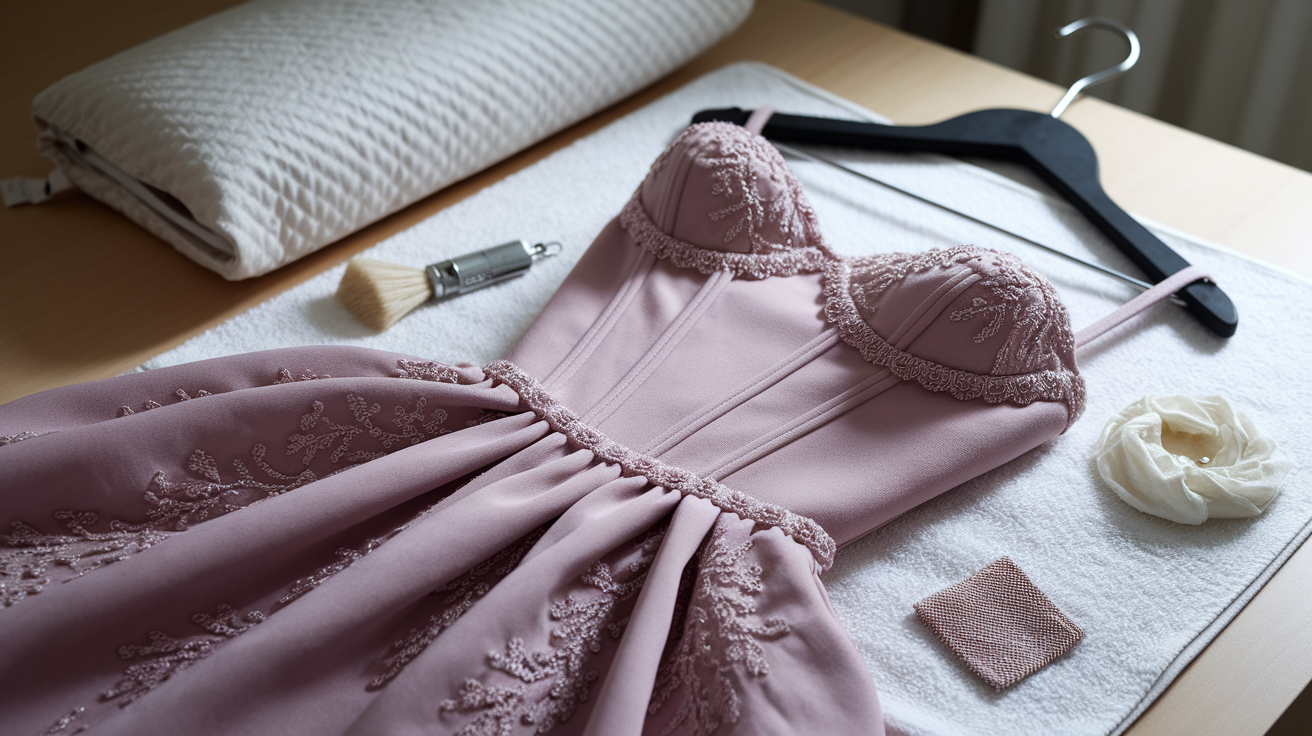
Proper care preserves the shape, boning integrity, and fabric finish of your corset dress, extending its life and ensuring it looks as sharp on the tenth wear as it did on the first. Because these garments combine rigid internal structures with delicate outer materials, they require more attention than standard dresses. Always check the care label before cleaning, but as a general rule, corset dresses with steel boning or heavy embellishment should be professionally dry cleaned. The heat and agitation of a home washing machine can warp plastic boning, loosen stitching around steel stays, or damage sequins, beads, and lace overlays.
For stretch blend corset dresses with lighter construction, you may be able to hand wash in cold water using a gentle detergent, then lay the dress flat on a clean towel to air dry. Never wring, twist, or hang a wet corset dress. The weight of the water can pull seams and distort the bodice shape. Avoid applying high heat (whether from a dryer, iron, or steamer) directly to boned areas, as it can melt plastic stays or scorch lining fabric. If you need to remove wrinkles from the skirt, turn the dress inside out and use a low temperature iron with a pressing cloth, working around the boning channels.
Quick maintenance practices to adopt:
Store on a padded hanger: avoid wire hangers that can dent the bodice. Use wide, cushioned hangers that support the shoulders and distribute weight evenly.
Protect lace, sequins, and delicate trims: place a breathable garment bag over the dress to prevent snags, dust, and light exposure that can fade colors.
Spot clean stains immediately: blot (don’t rub) spills with a damp cloth and mild soap, then air dry the area before storing.
Check closures and boning channels after each wear: look for loose threads, shifting boning, or bent stays, and repair small issues promptly to prevent bigger problems later.
Buying Corset Dresses Online: Filters, Fit Notes & Return Policies
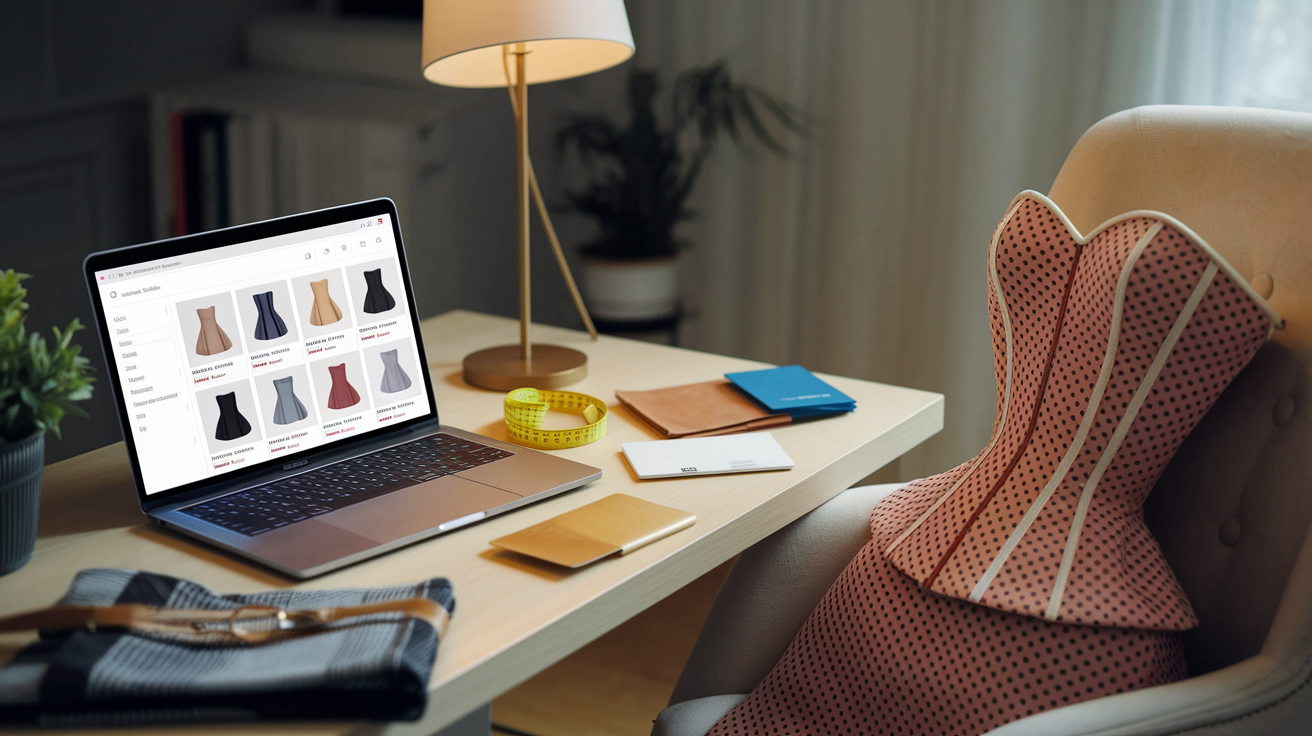
Shopping for a corset dress online requires a strategic approach, because you’re committing to a structured garment without the benefit of an in store fitting. Start by using site filters efficiently: most Corset Dresses Category Page listings let you narrow by price tier (common breakpoints include under $20, under $50, and under $100), size range (typically 2 through 26, with plus size categories separated or integrated), length (mini, midi, maxi), fabric (velvet, lace, sequin, denim, scuba), occasion (wedding guest, formal, party, date night), and sale or promotional status. Sorting options (price low to high, newest arrivals, best sellers, alphabetical) help you prioritize what matters most, whether that’s budget, trend relevance, or popularity.
Before adding a corset dress to your cart, verify that the product page includes detailed fit notes. Look for explicit mentions of boning type (steel, plastic, spiral), closure system (back zip, lace up, hook and eye), presence of stretch panels, and lining material. Check the size chart for bust, underbust, waist, and hip measurements in both inches and centimeters, and note whether the brand recommends sizing up for structured bodices.
If a dress is listed in multiple colorways or prints (like the Azazie Corset Evening Dresses Page examples that show the same silhouette in floral, abstract, and solid variants) compare images carefully to ensure print placement and color saturation match your expectations.
Return policies are especially important when buying corset dresses, because fit issues are common and often impossible to judge from photos alone. A too tight bodice can’t be fixed at home, and boning that sits in the wrong place will cause discomfort all night. Look for retailers that offer free or low cost returns within 30 days, and check whether final sale or promotional items are excluded. Some brands provide virtual fit consultations or live chat sizing assistance. Use these resources if you’re between sizes or unsure about bust support. Reading customer reviews and examining user uploaded photos can reveal how a dress runs (small, true to size, generous) and how the boning behaves in real wear, giving you extra confidence before purchase.
| Comparison Factor | What to Check | Why It Matters |
|---|---|---|
| Size Notes | Bust, underbust, waist, hip measurements; recommendation to size up or down | Ensures the boned bodice fits snugly without digging in or gaping |
| Fabric/Boning Info | Material composition, type of boning (steel/plastic/spiral), stretch percentage | Affects comfort, support level, care requirements, and garment lifespan |
| Closure Type | Back zip, lace up panel, hook and eye, or combination | Determines ease of dressing, adjustability, and whether you need help getting in and out |
Final Words
You’ve got the essentials: what makes a corset dress, how boning and structured bodices affect fit, and which materials and finishes matter.
We also covered measuring tips, silhouette and styling ideas, celeb-driven trends, care basics, and the online filters to watch for when shopping.
Use those four checks—clear images, fabric and boning details, honest sizing notes, and care instructions—to shop smarter. You’re set to pick a corset dress that flatters and feels like you. Happy hunting!
FAQ
Q: What is a corset dress called?
A: A corset dress is called a corseted dress or boned bodice dress and it’s a garment with a fitted, waist‑cinching bodice reinforced with boning to shape and support the bust and waist.
Q: Where can I buy a quality corset dress?
A: You can buy a quality corset dress from specialty boutiques, designer labels, and trusted online shops like Nasty Gal or Azazie; prioritize clear images, fabric details, boning info, and customer reviews.
Q: What body types look best in corset dresses?
A: Corset dresses flatter many shapes; they especially enhance hourglass and pear figures by defining the waist, while structured bodices can add curves to straighter frames—pick the right silhouette and boning level.