
Think every red carpet dress looks the same?
From curve-hugging mermaids to statuesque column gowns, and full-on ball gowns to sleek sheaths, those shapes decide how a dress moves, photographs, and flatters.
This quick guide decodes red carpet dress silhouettes, covering mermaid, column, ball gown and sheath so you can spot them at a glance and pick the right vibe.
No jargon, just simple visual cues and styling tips stylists actually use backstage.
Defining the Core Red Carpet Silhouettes for Immediate Understanding
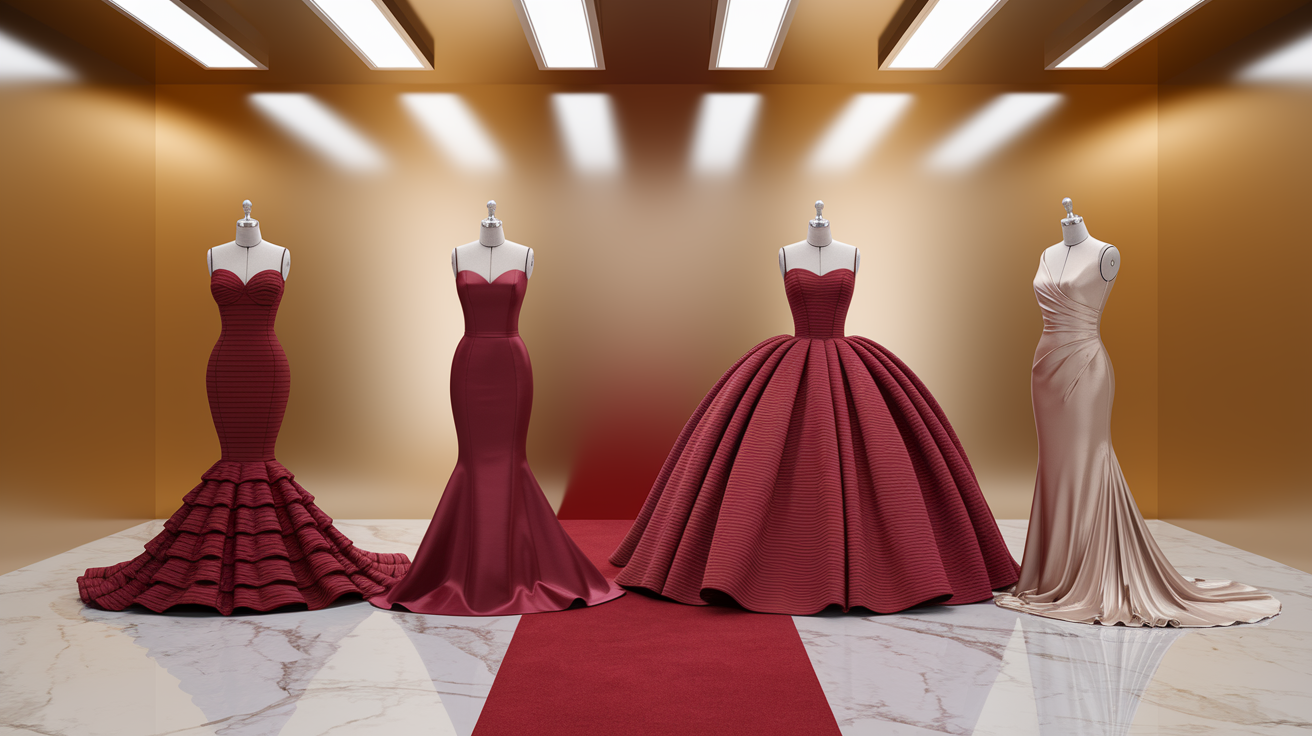
Red carpet dresses break down into four main silhouettes, and once you know what to look for, spotting them becomes second nature. The mermaid hugs tight from chest to knee, then fans out in a dramatic fishtail. The column runs straight down with barely any flare, just a sleek vertical line. The ball gown has that fitted top and a huge, full skirt that starts at the waist. And the sheath? It follows your body from top to bottom without adding structure or volume.
The trick is knowing where the dress grips and where it lets go. A mermaid clings through the hips and thighs, then opens up at or below the knee. A column keeps the same narrow shape all the way down. A ball gawn creates the biggest contrast between top and bottom. A sheath stays close the whole way, relying on how the fabric drapes instead of built-in structure.
Six things that make identification instant:
- Mermaid: tight through three zones (bust, waist, hips), visible flare point
- Column: consistent narrow width, straight seams from armhole to hem
- Ball gown: clear waist seam, skirt stands away from the body
- Sheath: body-skimming without defined flare or volume
- Mermaid and ball gown use structured undergarments; column and sheath don’t
- Movement test: mermaid restricts steps, sheath allows full stride
The biggest visual difference is where the volume lives. Ball gowns add it below the waist. Mermaids add it below the knee. Column and sheath silhouettes skip volume entirely, creating impact through line and fabric.
How to Recognize Mermaid Silhouettes on the Red Carpet
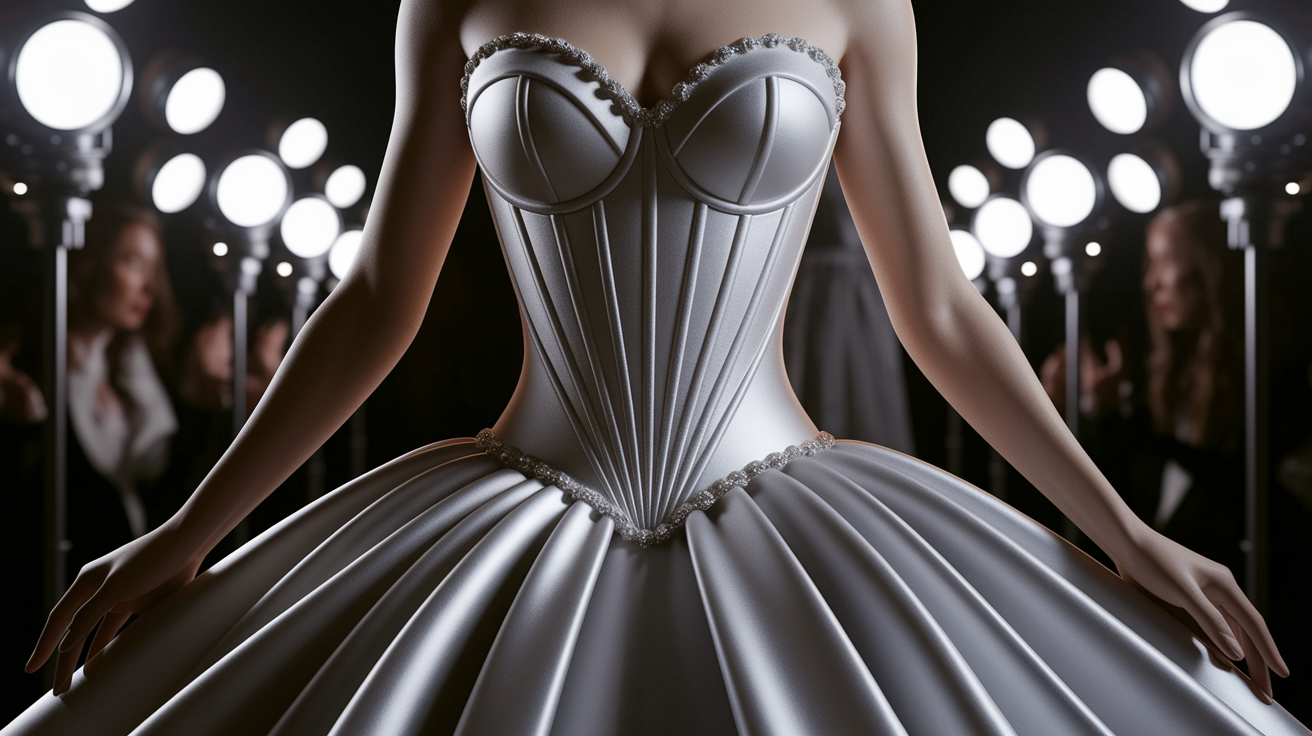
The mermaid creates an hourglass by clinging to bust, waist, and hips, then releasing into a flare at or just below the knee. You’ll see it most at super formal events where movement is minimal and every photo angle is controlled. The fit-and-flare is the mermaid’s close cousin, but it flares earlier (around mid-thigh), which makes walking and sitting easier without losing that sculpted look.
Mermaid gowns rely on precise tailoring and hidden structure. Boning runs vertically through the bodice to keep everything smooth across the torso. Many include waist suppression techniques like inner corsetry or built-in shapewear panels that pull the waist in and push the bust and hips out for maximum curve contrast. The flare itself gets engineered with godets, circular fabric inserts, or stiffened hem layers that hold the shape even when the wearer’s standing still.
Five features that confirm a mermaid instantly:
- Visible seam or flare point at knee level or slightly below
- No extra fabric through the hip area
- Structured bodice with visible boning channels or princess seams
- Dramatic volume contrast between fitted section and flare
- Restricted stride, often requiring a “red carpet walk” with smaller steps
Iconic mermaid moments usually come from designers who specialize in corseted structure and dramatic flare construction. The silhouette has become shorthand for confident, body-conscious glamour. When a celebrity chooses mermaid, the styling usually stays minimal (sleek hair, simple jewelry, high heels) because the gown is the statement.
Spotting Column and Sheath Silhouettes in Celebrity Fashion
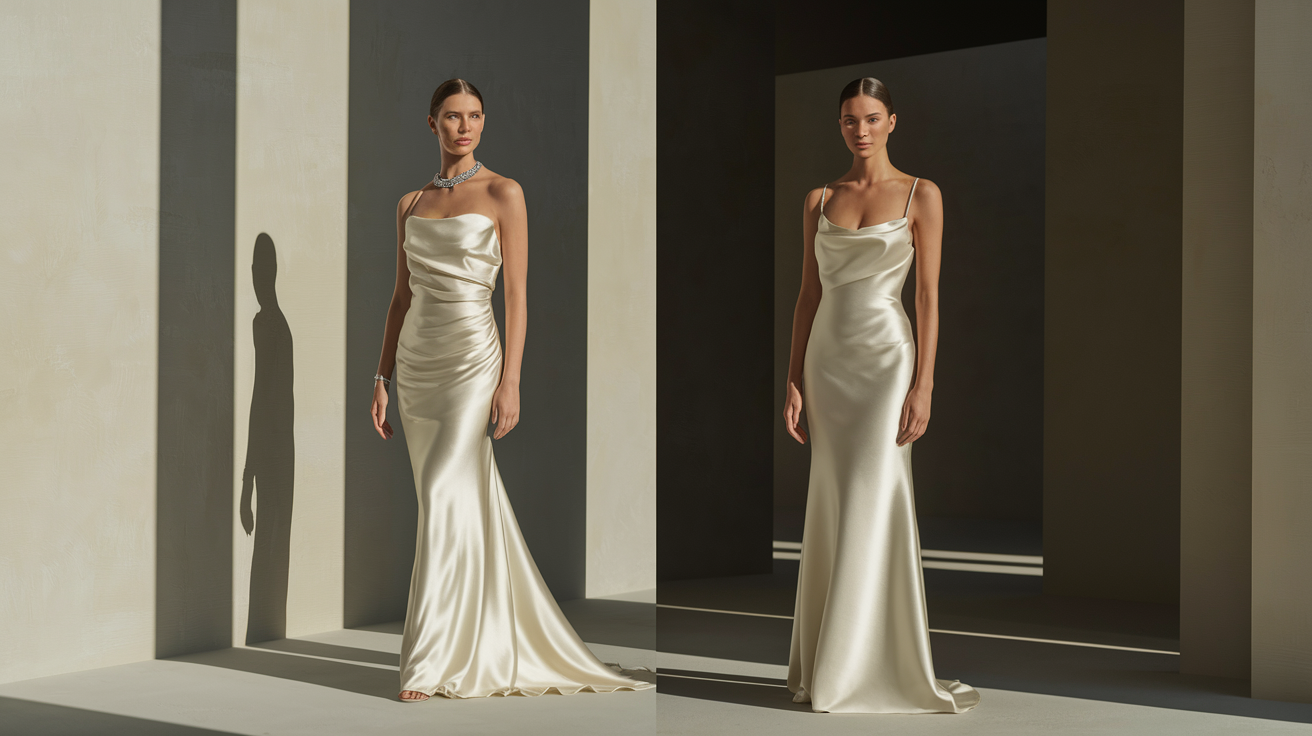
Column and sheath both create long, lean lines, but they behave differently and use different construction. The sheath is softer and more fluid, made from lightweight fabrics like sandwash silk, matte crepe, or jersey that drape and move with the body. The column is more architectural, often cut from heavier satin, taffeta, or structured lace that holds a defined shape and creates a narrower hem opening.
Sheath
A sheath skims the body without clinging tight. It relies on fabric weight and cut to create a streamlined look. It’s typically a bit looser through the waist and hips compared to a mermaid, and the hemline falls straight to the floor without flaring or gathering. Sheath gowns show up constantly in minimalist red carpet styling, paired with simple accessories and neutral makeup to let the fabric and cut do the work. The silhouette suits slender and petite frames especially well because it elongates visually without adding horizontal volume.
Column
A column gown has more rigid structure and a narrower skirt opening that creates a tube-like shape from shoulder to hem. It might be fitted or slightly loose at the waist, but the defining feature is the controlled, vertical line and the heavier fabrics that prevent the skirt from clinging or draping too closely. Column gowns often include fabric-covered buttons down the back, structured necklines, and long sleeves that add to the formal, statuesque effect. They photograph beautifully from the side because the silhouette creates one unbroken line.
Six cues that distinguish sheath from column:
- Sheath: soft, fluid movement when walking; column: stiffer, more controlled movement
- Sheath: typically no train; column: often includes a sweep or small train
- Sheath: works in lightweight crepe or silk charmeuse; column: works in satin, taffeta, heavy lace
- Sheath: easier to sit and dance in; column: requires more careful movement
- Sheath: fits close to the body; column: may stand slightly away from the body for structure
- Column gowns often feature embellishments like pearls or beading that add weight and hold the shape
Both favor understated styling, but sheath allows for more playful accessories while column leans toward classic, formal choices.
Understanding Ball Gown Volume and Drama
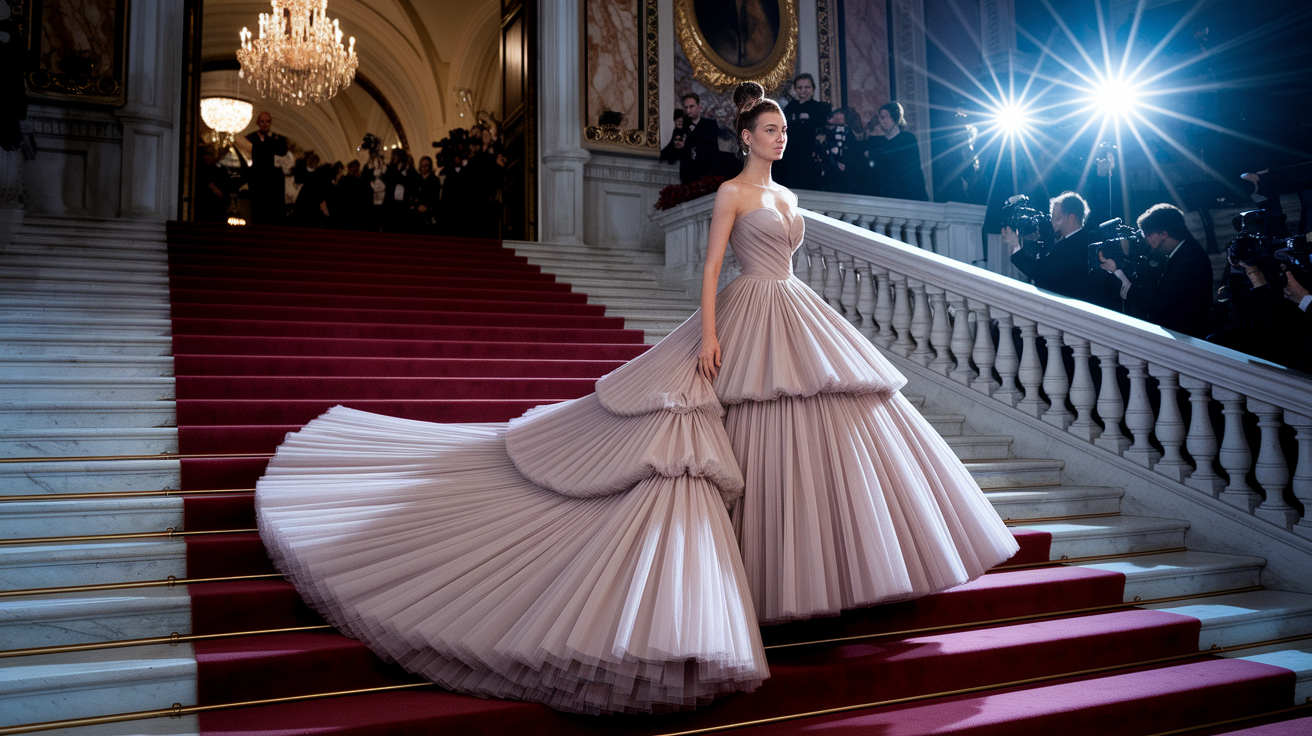
The ball gown creates maximum drama by pairing a fitted, structured bodice with a full, voluminous skirt that begins at the natural waist. You’ll see this most at award shows, formal galas, and events where grand entrances matter more than mobility. The volume comes from layers of tulle, crinoline, or organza stacked under the outer fabric to lift the skirt away from the body and hold its shape throughout the event.
Ball gowns conceal the lower body entirely, which makes them popular for celebrities who want waist emphasis without hip or thigh visibility. The fitted bodice is usually boned and structured to create a smooth, sculpted torso, and the waist seam acts as the visual anchor. Neckline choices range from strapless sweetheart to off-the-shoulder, and both work because the volume below balances the exposure above.
Four elements that contribute to ball gown volume:
- Multiple tulle or crinoline layers under the skirt (often three to six layers for red carpet looks)
- A structured waistband or grosgrain ribbon that separates bodice from skirt
- Dramatic trains that extend two to four feet behind the hem for added formality
- Detachable trains or overskirts that let the wearer remove volume for dancing or sitting
Accessories that flatter ball gown silhouettes include statement necklaces, cathedral-length veils, and structured updos that keep the focus on the waist and neckline. The silhouette photographs well from the front and side but can overwhelm smaller frames if the skirt volume is too extreme, so proportion matters. Petite wearers benefit from shorter trains and fewer tulle layers to avoid being swallowed by the gown. Ball gowns are the most formal of the four silhouettes and signal high-glamour, red carpet moments where movement and comfort take a backseat to visual impact.
Matching Silhouettes to Body Types and Personal Aesthetic
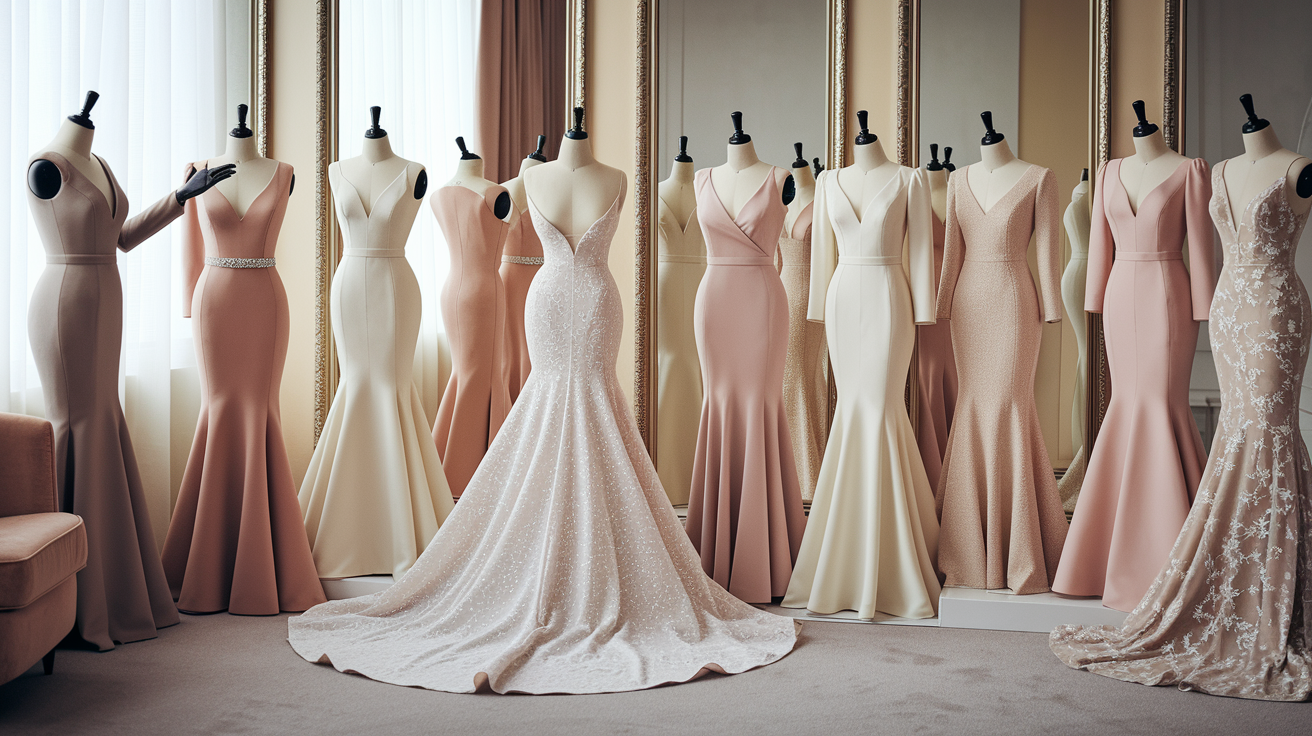
Choosing the right silhouette starts with understanding which shapes naturally flatter your proportions and which require more tailoring effort to achieve a balanced look. The A-line is universally flattering because it gently flares from the waist and skims over the hips without clinging, which makes it a safe choice for nearly every body type. Ball gowns work especially well for pear-shaped figures because the voluminous skirt conceals the lower body while the fitted bodice draws attention to the waist and shoulders.
Mermaid silhouettes are best suited to hourglass and athletic builds because they require defined curves to create the signature shape. Without natural hip and bust definition, the gown can look flat or awkward. Petite individuals can wear mermaid silhouettes successfully if the flare starts at or slightly above the knee to visually lengthen the legs, and high heels plus expert tailoring are essential to maintain proportion. Sheath and column silhouettes flatter slender or petite frames because they create a long, lean line without adding volume, and they suit minimalist personal aesthetics where fabric quality and cut matter more than embellishment or drama.
For apple-shaped figures, column and sheath silhouettes can work if the fabric is structured enough to skim rather than cling, and strategic ruching or vertical seaming helps create a longer torso line. Plus-size individuals often find A-line and fit-and-flare silhouettes most comfortable because they balance curve emphasis with ease of movement and don’t require the extreme tailoring precision that mermaid gowns demand. Fit-and-flare offers the drama of a mermaid with more forgiveness through the hips and thighs, making it a practical middle ground for those who want curve definition without sacrificing mobility.
| Silhouette | Best Body Types | Why It Works |
|---|---|---|
| Ball Gown | Pear, hourglass, plus-size | Conceals lower body, emphasizes waist, adds drama without requiring hip definition |
| Mermaid | Hourglass, athletic | Accentuates curves through fitted construction, requires defined bust and hips to create shape |
| Sheath / Column | Slender, petite | Elongates the body, avoids adding volume, flatters minimal or straight silhouettes |
| Fit-and-Flare | Hourglass, straight | Adds curve definition with more comfort and mobility than mermaid, forgiving through hips |
Proportion rules matter most when selecting a silhouette for a formal event. If the volume, length, or structure overwhelms your frame, the gown wears you instead of the other way around. Tailoring adjustments and proper undergarments can improve almost any silhouette, but starting with a shape that naturally complements your body type reduces the amount of alteration work required and ensures the final look feels effortless on the red carpet.
Fabric, Movement, and Structural Elements That Change a Silhouette’s Look
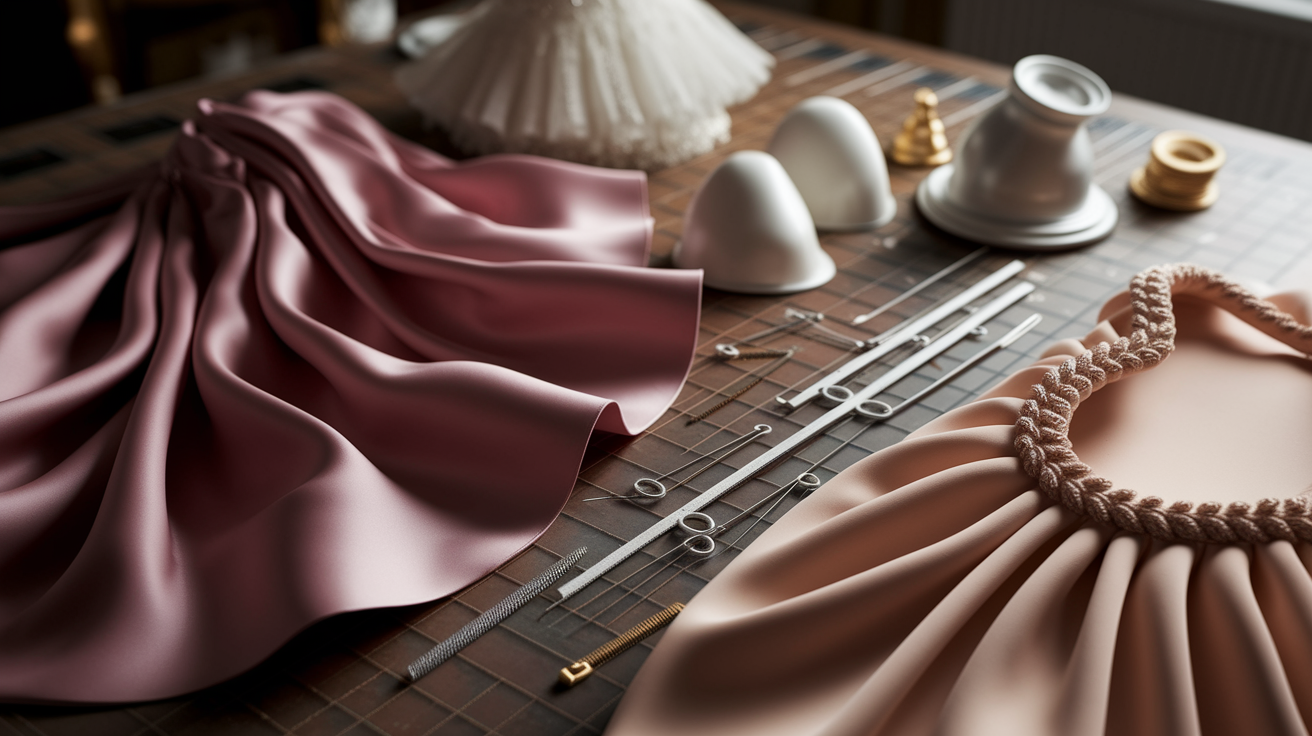
The fabric a gown is made from directly affects how the silhouette behaves, photographs, and moves. Structured fabrics like satin, mikado, and taffeta hold shape and create crisp lines, which is why they show up most in mermaid and ball gown styles where volume and definition are essential. Lighter fabrics like crepe, chiffon, and silk charmeuse drape softly and move with the body, making them ideal for sheath and A-line silhouettes where fluidity and ease matter more than structure.
Boning and understructure are hidden construction elements that determine whether a gown holds its shape or collapses. Vertical boning channels sewn into the bodice prevent wrinkling and provide support for strapless or low-back designs. Built-in bust cups and waist stays create smooth lines without visible undergarments. Crinoline layers and horsehair braid sewn into hemlines add stiffness and lift to ball gown skirts. Bustle systems and support loops allow trains to be lifted and secured for dancing or walking, which changes the gown’s silhouette entirely once the ceremony or photo session ends.
Five fabric and structure factors that shift a silhouette’s overall look:
- Weight: heavier fabrics (satin, brocade) create structure; lighter fabrics (jersey, crepe) create drape
- Stretch: fabrics with two to five percent spandex conform to curves; non-stretch fabrics require precise tailoring
- Lining: full linings prevent cling and add opacity; unlined gowns show body lines more directly
- Train type: sweep trains (12 inches) add formality without bulk; cathedral trains (three-plus feet) create maximum drama
- Photography behavior: matte fabrics reduce glare; high-shine satins create light reflections that emphasize curves or volume
Fabric choices also affect comfort and temperature regulation. Structured gowns with multiple layers and boning are heavier and warmer, which matters for outdoor events or long evenings. Movement is restricted in mermaid and column silhouettes where the hem opening is narrow, but sheath and A-line silhouettes allow full strides and easier sitting. Choosing the right fabric and structure combination ensures the silhouette looks intentional on camera and feels manageable in real-world movement.
Celebrity Examples and Red Carpet Style Patterns Across Silhouettes
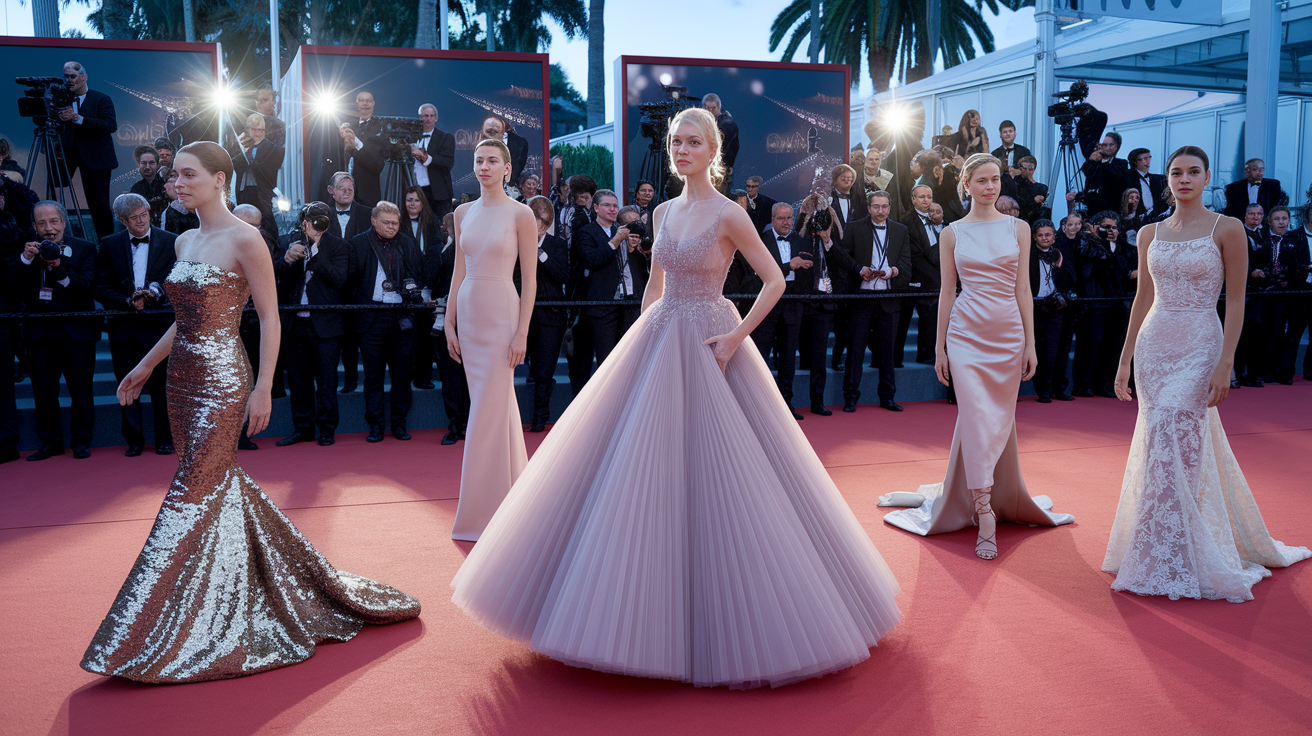
Mermaid silhouettes dominate red carpet moments when celebrities want to emphasize curves and create a sultry, high-glamour look. Think award shows, film premieres, and events where photographers line the carpet for hours. Sheath and column gowns show up more at minimalist-leaning events or when the wearer’s personal style skews modern and understated. Ball gowns are reserved for the most formal occasions, like the Met Gala, Cannes opening night, or major award ceremonies where volume and drama are expected.
Fit-and-flare silhouettes have become a red carpet favorite in recent years because they merge the curve emphasis of a mermaid with the comfort and mobility of an A-line, making them ideal for celebrities who need to move through multiple photo zones, sit for interviews, and dance at after-parties. Award season patterns show that mermaid and ball gown silhouettes peak during high-formality telecasts, while sheath and column styles increase during summer festival seasons and daytime events where heat and mobility matter.
Eight recurring patterns in celebrity red carpet silhouette choices:
- Mermaid: chosen for hourglass emphasis, often in metallics or sequins, paired with sleek hair
- Column: chosen for statuesque presence, often in solid colors, paired with minimal jewelry
- Ball gown: chosen for grand entrances, often in tulle or organza, paired with statement necklaces
- Sheath: chosen for modern minimalism, often in silk or crepe, paired with strappy sandals
- Fit-and-flare: chosen for versatility, often in lace or satin, paired with mid-height heels
- Strapless bodices show up most on ball gowns and mermaid silhouettes for maximum shoulder-to-waist contrast
- Long sleeves and high necklines show up most on column gowns for formal, covered elegance
- Detachable trains and overskirts allow silhouette changes mid-event, especially for ball gowns and fit-and-flare styles
Red carpet trends toggle between maximal volume (ball gown resurgence during formal award cycles) and sleek minimalism (sheath and column dominance during fashion-forward festival seasons), and silhouette choices often signal whether the wearer is leaning into traditional glamour or pushing toward contemporary edge. Designers known for mermaid shapes include those who specialize in corseted construction and body-conscious tailoring, while designers known for column and sheath styles focus on fabric innovation and architectural cutting. Recognizing these patterns helps predict which silhouettes will show up most each season and why certain shapes become iconic on specific celebrities.
Practical Shopping & Tailoring Notes for Red Carpet Style Gowns
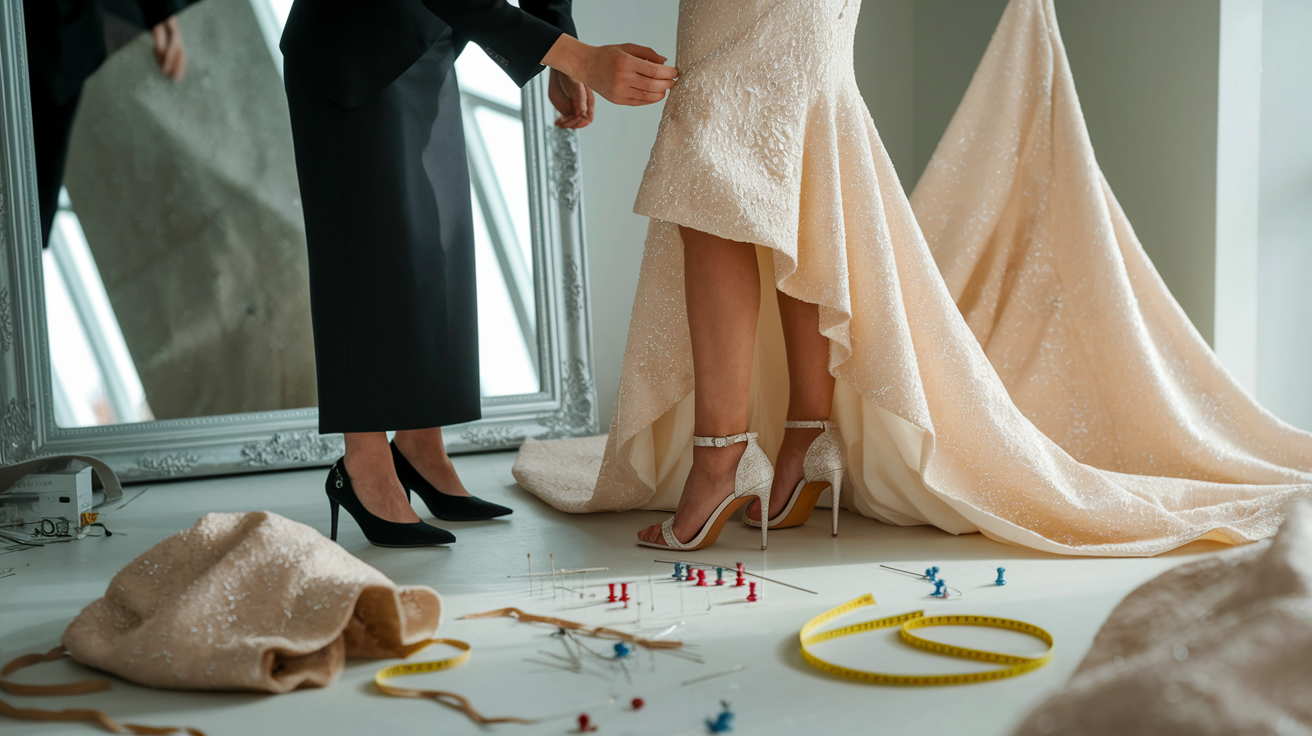
Tailoring and alterations determine whether a red carpet silhouette looks polished or poorly fitted, and the fitting process must focus on three key zones: bust, waist, and hips. For mermaid and fit-and-flare silhouettes, precise measurements at all three points are essential because even a quarter-inch of excess fabric creates visible pulling or wrinkling. Sheath and column gowns require accurate shoulder and bust measurements to ensure the neckline sits flat and the fabric skims rather than clings.
Shapewear for sleek silhouettes must be invisible and supportive without adding bulk. Seamless bodysuits, high-waisted shaping shorts, and adhesive bras work best under form-fitting gowns. Choosing the right undergarments means understanding where the gown’s construction provides support and where it doesn’t. Strapless mermaid gowns with built-in boning don’t require a bra, but sheath gowns in lightweight silk need adhesive cups or a low-back bodysuit to prevent visible lines. Bustle and support systems are essential for ball gowns and any silhouette with a train longer than 12 inches. These systems allow the train to be lifted and secured after photos, which changes mobility entirely.
Trial fitting best practices include bringing the exact shoes and undergarments you’ll wear on event day, standing and sitting during the fitting to test movement, and asking the tailor to check hemming and bust adjustments under event lighting if possible. Hem allowances must account for heel height. Mermaid and column gowns should just graze the floor at the back, while ball gowns can have a slight train that brushes the ground as you walk.
Five tailoring essentials for red carpet gowns:
- Confirm flare starting point (knee, mid-thigh, or below knee) and adjust for leg length if needed
- Ensure bodice fits snugly without gaping at the bust or pulling at the waist
- Check that the hem length works with your chosen heel height and allows smooth walking
- Add a bustle or support system if the train is longer than 18 inches
- Test movement in the gown (sit, walk, raise your arms) to confirm comfort and avoid wardrobe malfunctions
Balancing comfort and glamour means accepting that some silhouettes, like mermaid and ball gown, will restrict movement and require careful navigation of stairs, seating, and tight spaces. Fit-and-flare and sheath silhouettes offer more mobility without sacrificing visual impact, making them practical choices for long events with multiple transitions.
Key Things to Remember When Choosing a Red Carpet Silhouette
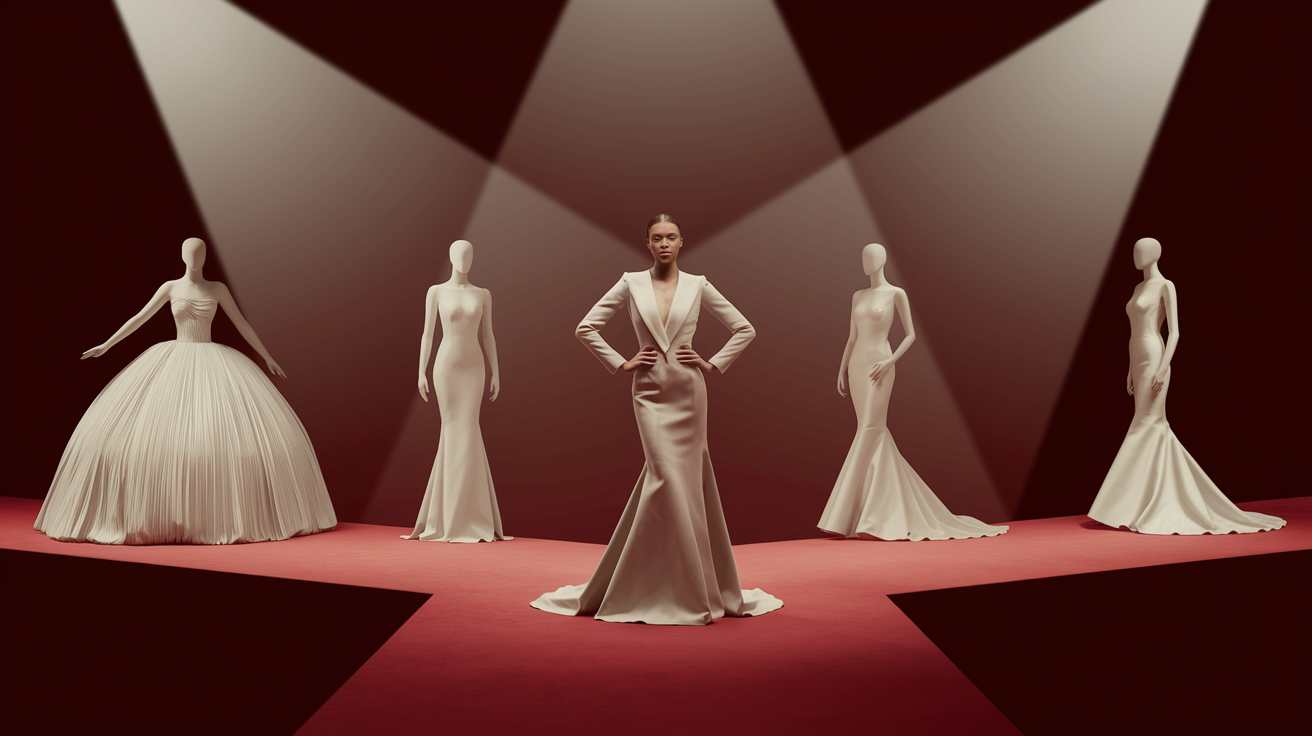
The A-line is universally flattering and works across nearly every body type, making it the safest choice when unsure which shape will suit your proportions. Mermaid silhouettes need exact tailoring to avoid unflattering pulling or wrinkling, and they work best on figures with defined curves and confidence in body-conscious styling. Ball gowns offer maximal drama and work well for formal, high-impact events where movement is minimal and photo opportunities are the priority. Sheath and column silhouettes emphasize minimalism, sleek lines, and modern elegance, and they flatter slender or petite frames without requiring heavy structure or volume.
Six key reminders for choosing a red carpet silhouette:
- Start with your body type and choose a silhouette that naturally flatters your proportions
- Consider the event formality (ball gowns and mermaid for high-glamour, sheath and column for modern minimalism)
- Test movement and comfort during fittings (restricted silhouettes require practice walking and sitting)
- Match fabric weight to the silhouette (structured fabrics for ball gown and mermaid, lightweight fabrics for sheath and A-line)
- Use proportion rules (avoid overwhelming volume on petite frames or overly clingy fits on fuller figures)
- Prioritize tailoring precision for fitted silhouettes and ensure hem length, bust fit, and waist suppression are exact
Common silhouette mistakes to avoid include choosing a mermaid or column gown without proper tailoring support, pairing the wrong undergarments with form-fitting styles, and selecting a ball gown with too much volume for a smaller frame. Balance of volume and fit is the most important visual principle. If the silhouette adds volume, keep the bodice fitted; if the silhouette is sleek, ensure the fabric quality and tailoring are impeccable.
Final Words
You can now spot a mermaid by its hip-to-knee flare, a sheath or column by the long slim line, and a ball gown by the big, voluminous skirt. We gave quick shape-only definitions, mermaid ID tips, and how fabric plus structure changes the look.
We also covered body-type pairings, celebrity patterns, and practical tailoring notes so you can shop and fit with confidence.
This is your quick guide to decoding red carpet dress silhouettes mermaid column ball gown sheath, so go pick the silhouette that feels like you.
FAQ
Q: What is the difference between sheath and mermaid silhouette?
A: The difference between sheath and mermaid silhouettes is that sheath follows the body’s natural line with minimal volume, while mermaid is tightly fitted through bust, waist, and hips and flares at or below the knee.
Q: What is the difference between a sheath dress and a column dress?
A: The difference between a sheath dress and a column dress is subtle: sheath hugs the natural curve with lighter, drapey fabrics, while column is straighter and often more structured with heavier materials for a cleaner line.
Q: What are the three types of silhouettes?
A: The three main silhouette types are fitted (mermaid/fit-and-flare), straight/column (sheath/column), and voluminous (ball gown/A-line), grouped by how much they cling, drape, or flare from the waist.
Q: What body type do mermaid dresses look good on?
A: Mermaid dresses look best on hourglass and athletic body types because they emphasize the waist and hips; petite figures can wear them if the flare starts higher and tailoring is precise for movement.