
If you missed the uproar towards Hilda Baci yesterday and you need the gist — a viral thread distilled what went down. A woman claimed she spent her hard-earned ₦6,000 on catfish pepper soup from 'My Food by Hilda' and opened the box to discover a portion she described as disappointing. That single post ignited a river of replies: outraged customers, sympathetic jokes, memes and video reviews. Some argued the soup looked worth only ₦2,000, others defended occasional slip-ups from celebrity brands. A particularly fiery rant from a user named Moyo went viral and helped push the story across timelines.
The uproar: What happened with Hilda Baci?

If you missed the uproar towards Hilda Baci yesterday and you need the gist , a viral thread distilled what went down. A woman claimed she spent her hard-earned ₦6,000 on catfish pepper soup from 'My Food by Hilda' and opened the box to discover a portion she described as disappointing. That single post ignited a river of replies: outraged customers, sympathetic jokes, memes and video reviews. Some argued the soup looked worth only ₦2,000, others defended occasional slip-ups from celebrity brands. A particularly fiery rant from a user named Moyo went viral and helped push the story across timelines.
The ₦6,000 catfish pepper soup , the order that started it all

A viral clip shows a woman who says she used her hard-earned ₦6,000 to order catfish pepper soup from 'My Food by Hilda' , and she was heartbroken by what arrived. The video pans the container: slim broth, few visible fish pieces and a presentation that looked smaller than expected for the price. Viewers immediately reacted, some assuming a packaging mix-up or delivery error, others taking it as proof of overpricing from a celebrity line. The visual element made this complaint shareable and combustible: once seen, the mismatch between expectation and reality became the fuel for threads, hot takes and meme replies.
Twitter delivered: Angry and 'depressed' Nigerians react
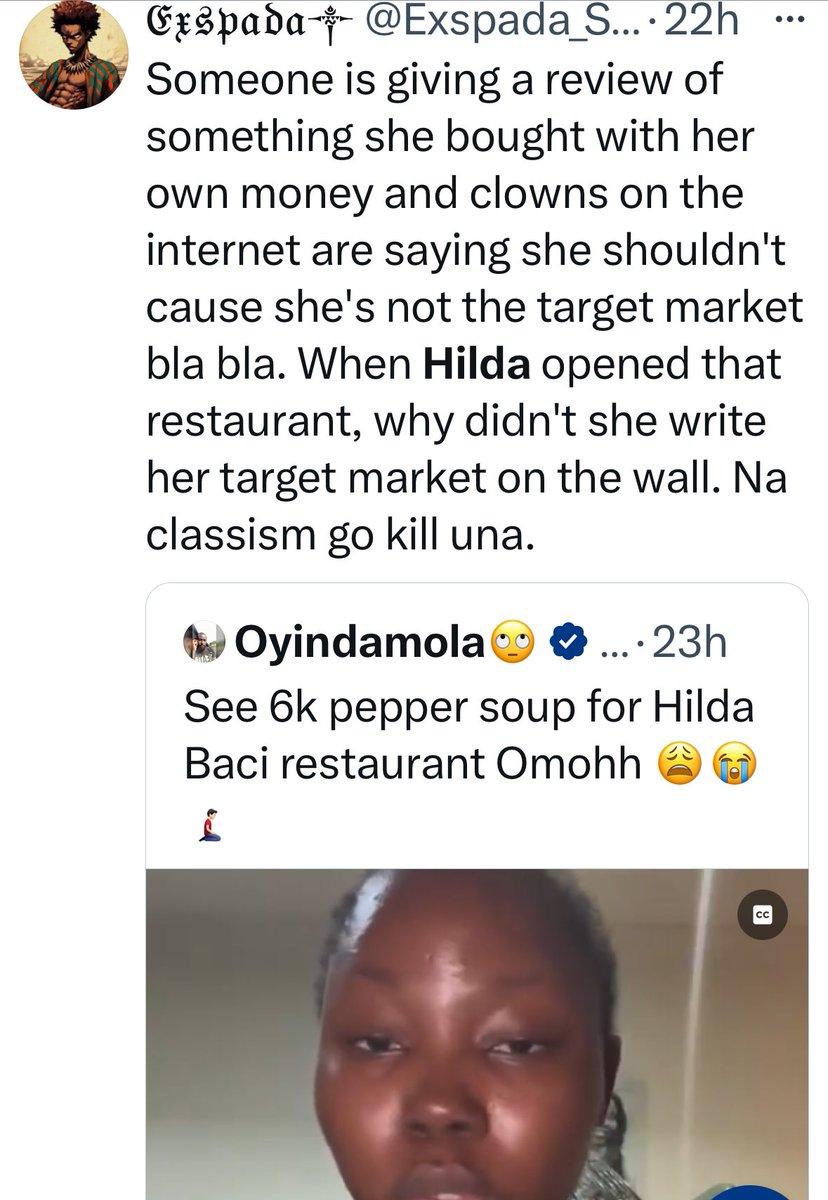
Angry and 'depressed' Nigerians swarmed the replies, turning the clip into a social media obsession. Screenshots and reaction images flooded timelines: users sympathized, roasted the portion, or used the moment to joke about how hard-earned money disappears into disappointing meals. Some replies demanded refunds and higher quality control for celebrity food lines; others used satire to highlight broader frustrations about food inflation and value for money. The blend of outrage and comedy kept the story trending , a familiar pattern where consumer complaints become community entertainment, amplified by screenshots, retweets and an endless supply of reaction GIFs and memes.
'It's worth ₦2,000' , the price debate and the can't-finish gag
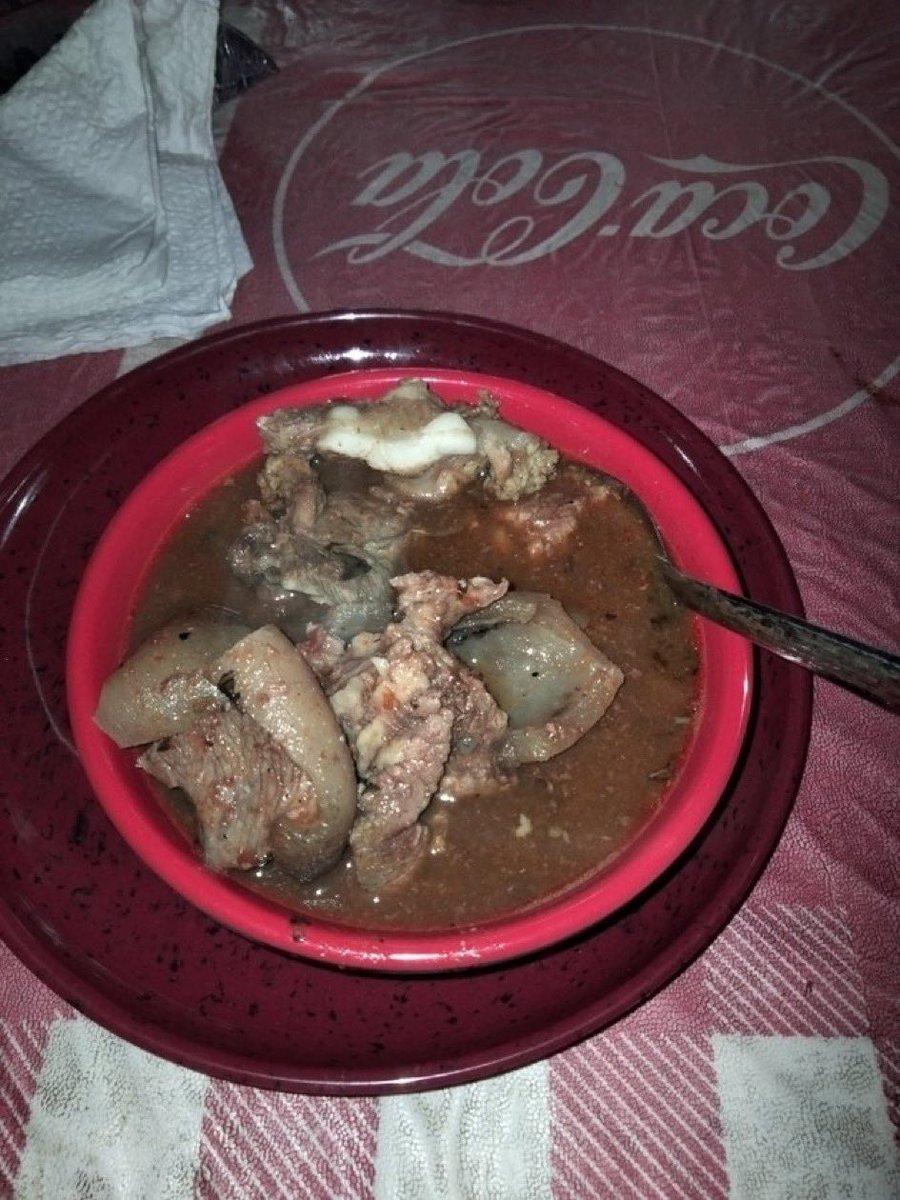
One of the more mocking takes was the claim that the dish was 'only ₦2,000 quality' , in other words, the dish looked like it was worth far less than what the customer paid. The quip 'he couldn't finish it' became a running gag: some people suggested the soup was so thin or oddly seasoned that it wasn't enjoyable; others joked the purchaser had been emotionally spent by the mismatch between price and portion. The back-and-forth highlighted a sensitive topic in Nigerian food culture: premium branding raises expectations, and when reality underdelivers, social media converts disappointment into comedy and critique.
Moyo's takedown: a viral rant that amplified the outrage
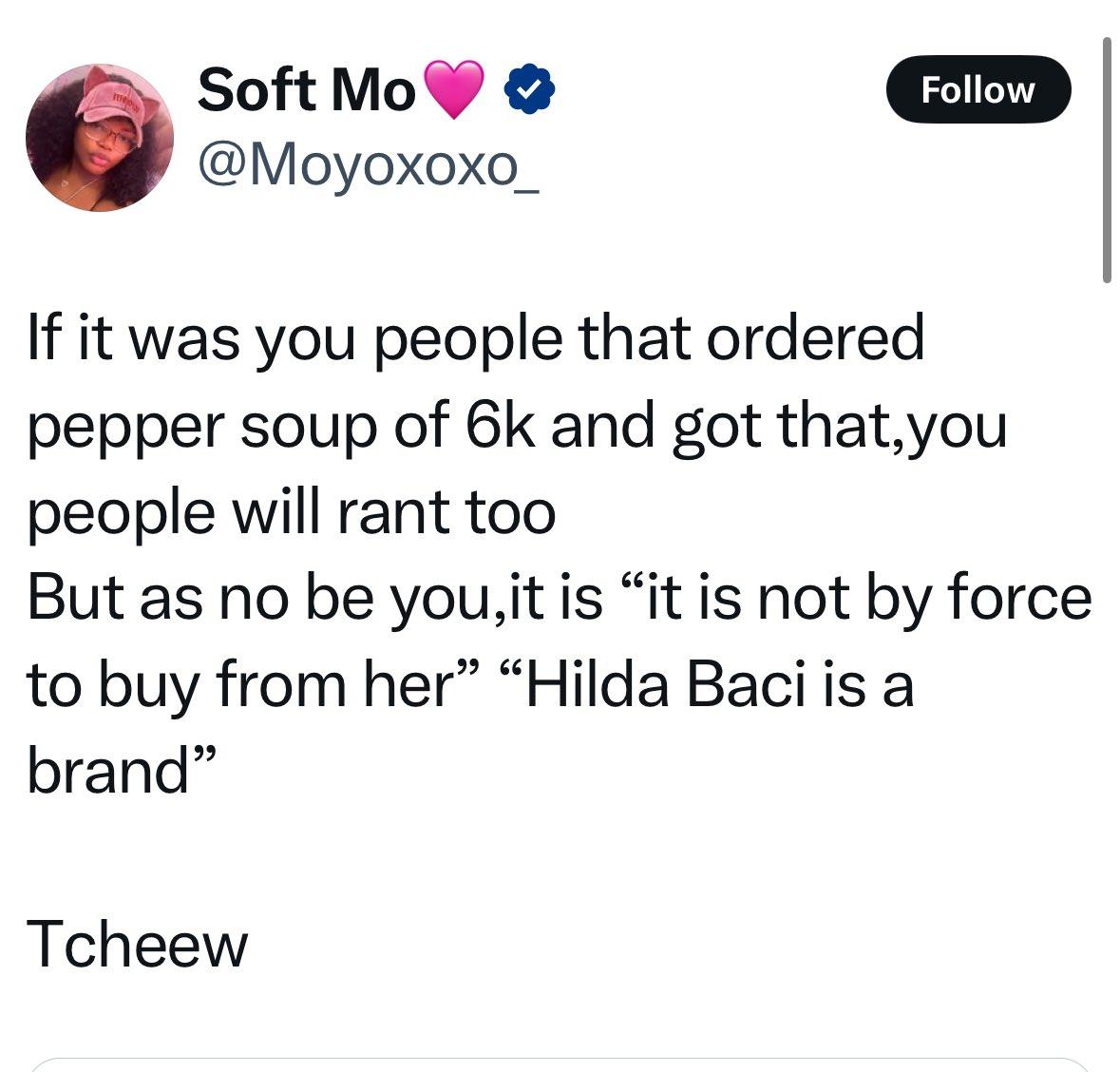
Moyo's reply stood out for its bluntness and raw frustration. She didn't mince words , calling out portion size, presentation and what she saw as entitlement from influencer-backed food labels. Her fiery thread was retweeted widely, giving voice to many who felt overcharged or shortchanged. Some readers applauded her candor; others said the tirade was performative. Regardless, Moyo's post became a focal point: it crystallized everyday shopper grievances into a memorable rant and served as a rallying cry for those wanting clearer standards, better customer recourse and accountability from popular food entrepreneurs. It also spurred calls for refunds and for the brand to explain what happened.
Another review drops , the saga keeps rolling

New clips kept surfacing , one more 'review of My Food by Hilda' landed on timelines and stoked further debate. The additional footage offered fresh angles: variations in packaging, different delivery experiences and sometimes defenders who praised Hilda's cooking in other contexts. But the negative clips dominated impressions, creating social proof that something was off at scale rather than a one-off mistake. The multiplatform spread showed how quickly consumer complaints aggregate and how a celebrity name acts as an accelerant: more viewers click, share and add their own commentary, volunteering as unpaid brand police in the court of public opinion.
Final take: why Nigerians couldn't resist roasting

The original poster wrapped up by saying 'Nigerians are really really vexing' , a remark that captured the mix of exasperation and delight at watching a thread go viral. This episode illustrates how easily everyday consumer disappointments become fodder for collective commentary, jokes and moralizing feedback loops. It's also a reminder for celebrity chefs and food startups to prioritize consistency: premium positioning invites scrutiny. Whether Hilda Baci's business addresses the complaint publicly or lets the incident fade will determine if this is a fleeting meme or a reputational headache. For now, the internet got its content, and Nigerians got another viral saga to riff on.