
What if one viral post could erase years of trust and cost millions?
For brands, bad PR meaning is simple: any public attention that damages reputation, customer trust, or the bottom line.
It can hit in hours.
Stock can drop, sales can tank, partnerships can end, and the damage can last for years.
This piece shows how negative publicity spreads, why it hurts so badly, and what brands must do to recover.
Read on to learn the real cost and the fixes that actually work.
Clear Definition and Core Explanation of Bad PR

Bad PR is any public attention that tanks a brand’s reputation, customer trust, or bottom line. It happens through sloppy strategy, misleading info, unprofessional rollouts, or real events that make a company look terrible. Unlike regular marketing mistakes, bad PR can wipe out years of reputation work in hours. The fallout ranges from immediate revenue hits and customer losses to long-term trust damage and sustained drops in engagement and profit.
The effects show up in real numbers. When Tesla unveiled its Cybertruck in November 2019, the live demo showed the supposedly unbreakable windows cracking on stage. Stock dropped more than 6%. Adidas screwed up in 2017 when it congratulated Boston Marathon finishers with “Congrats, you survived!” The message was tone-deaf given that the 2013 bombing killed three people and injured over 260, and at least two bombing survivors ran that year. Volkswagen’s 2015 emissions scandal revealed diesel cars used defeat-device software to cheat EPA tests, emitting nitrogen oxides up to 40 times the legal U.S. limit. Recalls, billions in penalties, and lasting trust damage followed.
Good PR is proactive. It’s built on solid research, clear brand understanding, and targeted messaging that lines up with what audiences care about. Bad PR is reactive and messy, usually rooted in surface-level research, inconsistent brand representation, or outright lies. Where positive publicity strengthens reputation through careful planning and authentic communication, negative publicity spreads fast through media amplification, social virality, and public outrage, often overwhelming a brand’s ability to respond.
Key Causes Behind Bad PR Events

Poor planning, cultural insensitivity, and factual misrepresentation are the usual sparks. When brands don’t think through how their messaging will land in real contexts, especially during sensitive moments or across diverse communities, backlash comes fast. Social media means a single mistake can reach millions within hours, turning a local error into a global crisis before internal teams even know what happened.
H&M learned this in 2018 when it published an ad showing a Black child wearing a sweatshirt reading “coolest monkey in the jungle.” The image prompted immediate accusations of racism, high-profile partnerships ended, and prolonged backlash forced the company into damage control. Adidas’s 2017 email to Boston Marathon finishers showed how tone-deaf language, even when unintentional, can reopen painful wounds and spark criticism. Both show how messages that seem harmless in an internal review can cause serious harm when released.
The most common root causes include:
- Misinformation or false claims that mislead customers about product quality, sourcing, or company practices
- Poor timing that releases messaging during or right after sensitive events, tragedies, or cultural moments
- Brand inconsistency where actions contradict stated values or previous public commitments
- Ethical lapses including labor abuses, environmental violations, or executive misconduct that surface publicly
- Insensitive language that fails to account for history, trauma, or cultural context in target audiences
Consequences and Effects of Bad Publicity

Negative PR delivers immediate financial pain. Stock prices can drop more than 6% within a single trading session following a high-profile mistake, as Tesla found out after the Cybertruck demo failure. Sales can plummet by 15% or more when product defects or safety concerns reach the public, forcing companies to halt production, recall millions of units, and absorb staggering costs in refunds, repairs, and legal settlements. These aren’t abstract risks. They’re documented outcomes measured in real dollars, market cap, and consumer behavior.
Long-term damage runs deeper than quarterly earnings. Trust, once broken, takes years to rebuild. Customers who feel deceived, ignored, or disrespected shift loyalty to competitors and share their grievances publicly, creating a cycle of negative sentiment. Brand image suffers lasting harm when controversies become the first search result associated with a company name, overshadowing years of positive work and making future marketing harder and more expensive.
Public sentiment shifts with alarming speed on social media. A single viral post can generate millions of views, tens of thousands of angry comments, and petition signatures that force policy changes. Brands lose control of the narrative as influencers, journalists, and everyday users amplify criticism, often adding their own interpretations and expanding the scope of the original issue.
| Case | Consequence | Metric |
|---|---|---|
| Tesla Cybertruck demo (2019) | Stock price decline | More than 6% drop |
| Samsung Galaxy Note 7 (2016) | Sales decline and recall | ~15% sales fall; 2M+ units recalled |
| Victoria’s Secret campaign (2014) | Public petition | 30,000+ signatures |
| Marina Shifrin resignation video (2013) | Viral attention | 19 million views |
Real-World Bad PR Moments in Pop Culture and Business
Tesla 2019
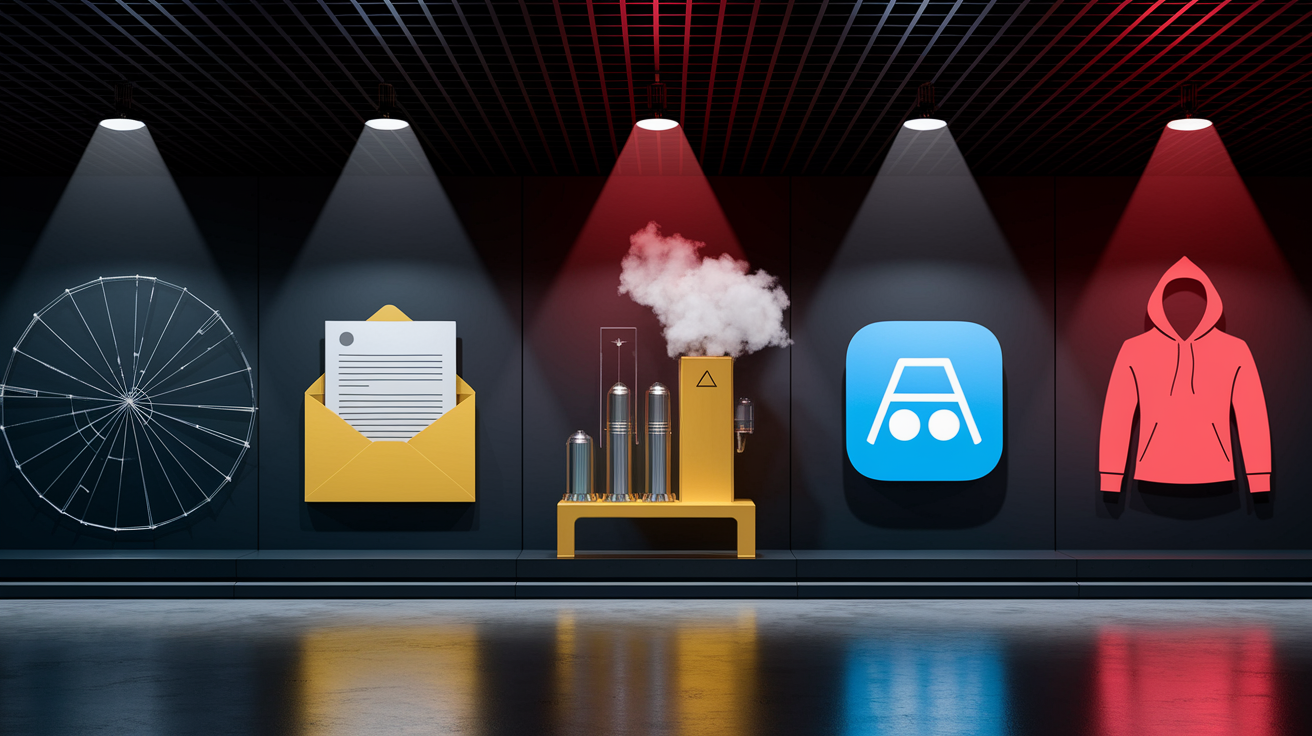
During the November 2019 launch event for the Cybertruck, Tesla’s chief designer threw a metal ball at the vehicle’s “armor glass” windows to show off their strength. Instead of bouncing off, the ball cracked the glass on both attempts. Awkward doesn’t begin to cover it. The failed demo became the defining image of the launch, overshadowing the truck’s futuristic design. Tesla’s stock dropped more than 6% as investors questioned product readiness and quality control.
Adidas 2017
Adidas sent a congratulatory email to runners who completed the 121st Boston Marathon with the subject line “Congrats, you survived the Boston Marathon!” The message was meant as a lighthearted nod to the physical challenge of running 26.2 miles. But it landed as deeply insensitive given the 2013 bombing that killed three people and injured more than 260 others. At least two bombing survivors ran the 2017 race, making the word choice particularly painful. Apologies didn’t stop the widespread criticism for failing to consider the event’s tragic recent history.
Volkswagen 2015
In September 2015, the EPA revealed that Volkswagen had installed defeat-device software in diesel vehicles to cheat emissions tests. The cars emitted nitrogen oxides up to 40 times the legal U.S. limit during normal driving but passed tests by temporarily reducing emissions when sensors detected testing conditions. The scandal affected millions of vehicles globally. Massive recalls, billions in fines and settlements, executive resignations, and criminal charges followed. The reputational damage persisted for years, with “Dieselgate” becoming shorthand for corporate deception.
Uber 2017
Uber faced intense backlash in early 2017 when it continued operating during a taxi strike at New York’s JFK Airport, a protest against the Trump administration’s travel ban. Critics accused the company of undermining the strike and capitalizing on drivers’ absence. The hashtag #DeleteUber trended as users deleted the app in droves. Uber’s CEO later stepped down from a presidential advisory council in response. The incident compounded existing concerns about the company’s workplace culture and business practices.
H&M 2018
H&M published an online ad in January 2018 showing a young Black child modeling a green hoodie with the text “coolest monkey in the jungle.” The image sparked immediate accusations of racism and cultural insensitivity. High-profile figures including The Weeknd ended partnerships with the brand, protests erupted at some stores, and the company faced prolonged criticism on social media. H&M apologized, removed the image, and promised to review its internal processes. But the damage to its reputation was substantial and long lasting.
How Brands Recover From Bad PR
Recovery starts with speed and honesty. Brands that respond within hours, admit fault when appropriate, and outline clear corrective steps stand the best chance of limiting damage. Silence or defensive responses only fuel public anger and extend the crisis. Transparent communication signals accountability and respect for those affected. The key is moving from denial or deflection to ownership and action, showing customers that the company understands what went wrong and is committed to fixing it.
Taco Bell showed effective recovery in 2011 when a lawsuit alleged its “seasoned beef” was only 35% beef. Instead of staying quiet, Taco Bell launched a counter-campaign stating its blend was 88% beef and 12% “Secret Recipe,” breaking down the ingredients in a 30-second spot and full-page newspaper ads. The transparency produced roughly 90% favorable reactions among its social followers and helped end the lawsuit. By reframing the narrative with data and openness, the brand turned skepticism into trust and even picked up new customers curious about the attention.
Policy and product changes rebuild trust when words alone fall short. After Samsung’s Galaxy Note 7 batteries caused fires in 2016, the company recalled over 2 million units globally, halted the model entirely, and publicly took responsibility. Samsung then implemented a 90-day improvement plan, brought in third-party safety experts, and overhauled its battery-testing processes. Victoria’s Secret faced a petition with more than 30,000 signatures in 2014 after its “The Perfect Body” campaign sparked criticism for promoting unrealistic beauty standards. The brand responded by changing the slogan to “A Body for Every Body,” shifting public sentiment and showing responsiveness to customer concerns.
Essential Crisis-Response Steps to Prevent Further Damage

Immediate action matters more than perfect messaging. The first few hours of a crisis determine whether the situation stabilizes or spirals, so teams must act decisively even while gathering full information. Internal alignment is critical because mixed messages from different departments or spokespeople create confusion and erode credibility. Employees, partners, and stakeholders need briefings before public announcements to preserve internal trust and prevent leaks or contradictions.
Single-voice communication keeps the response clear and controlled. Designating one trained spokesperson, often a senior executive or the CEO, signals leadership-level attention and prevents conflicting statements. Legal, communications, and executive teams should coordinate every public comment to ensure consistency across press releases, social media, customer service channels, and interviews. Every touchpoint with the public must reinforce the same core message and show a unified organizational response.
The essential steps for managing a PR crisis:
- Pause all scheduled marketing and social content to avoid tone-deaf posts that could make the situation worse or appear insensitive during a crisis moment.
- Confirm the facts internally by gathering data, timelines, and witness accounts before making any public statement, ensuring accuracy and avoiding the need for corrections later.
- Select and brief a single spokesperson who will handle all media inquiries, coordinate messaging with legal and communications teams, and represent the company publicly.
- Draft a clear, empathetic public statement that acknowledges the issue, expresses concern for those affected, and outlines immediate next steps without making promises the company can’t keep.
- Coordinate legal review of all public communications to manage liability, ensure regulatory compliance, and avoid language that could expose the organization to lawsuits or penalties.
- Engage directly with affected communities by reaching out to upset customers, responding personally to negative reviews, and offering compensation, refunds, or policy changes when appropriate.
- Monitor social sentiment in real time using listening tools to track how the public is responding, identify misinformation that needs correction, and adjust messaging as the situation evolves.
- Document every action taken including statements issued, meetings held, decisions made, and customer interactions for legal protection, internal learning, and future crisis-response improvements.
Monitoring, Measuring, and Preventing Bad PR Recurrence
Early detection systems give brands a fighting chance. Sentiment-tracking tools scan social media, review platforms, news sites, and forums to flag spikes in negative mentions, unusual comment volumes, or sudden drops in engagement. When a brand notices a sharp increase in one-star reviews, angry tweets clustering around a specific topic, or petition campaigns gaining thousands of signatures within hours, it can investigate and respond before the issue reaches mainstream media and becomes a full-blown crisis.
Measurable warning patterns appear consistently. A resignation video that hits 19 million views in days, a petition crossing 30,000 signatures, or a product recall affecting more than 2 million units all represent signals that reputational damage is happening at scale. Brands that monitor these metrics, such as review velocity, share counts, hashtag trends, and engagement rate changes, can spot problems early and allocate resources to address them before they compound.
Reputation audits and continuous monitoring serve as long-term safeguards. Regular assessments map brand strengths, weaknesses, competitive positioning, and vulnerability points, allowing teams to prepare targeted responses and update crisis playbooks. Ongoing surveillance through media-monitoring services, sentiment-analysis platforms, and social-listening dashboards ensures that no emerging issue goes unnoticed. This proactive approach shifts the organization from reactive firefighting to strategic reputation management, reducing the frequency and severity of future PR crises.
Final Words
We defined bad PR as negative publicity that damages a brand’s reputation and can erase years of goodwill, using real-life hits from Tesla, Adidas, Volkswagen, and H&M as proof.
We unpacked common triggers, measurable fallout, recovery moves, crisis-response steps, and monitoring tools you can use right away.
Remember, getting clear on the bad pr meaning helps teams act fast, fix mistakes, and rebuild trust, so a smart response can turn a public stumble into a real comeback.
FAQ
Q: What is the PR meaning and what does negative PR mean?
A: The PR meaning is public relations—the practice of managing a brand’s image and communications. Negative PR means damaging publicity that harms reputation, trust, or sales due to mistakes, misleading claims, or scandals.
Q: What is good PR and bad PR?
A: Good PR is clear, honest, proactive communication that builds trust and prepares for issues. Bad PR is chaotic or misleading messaging, tone-deaf campaigns, or slow responses that trigger backlash and financial harm.
Q: Why does PR get a bad rep?
A: PR gets a bad rep because high-profile mistakes, cover-ups, or tone-deaf messaging spread fast on social media, making brands look insincere and causing quick reputational and financial damage.